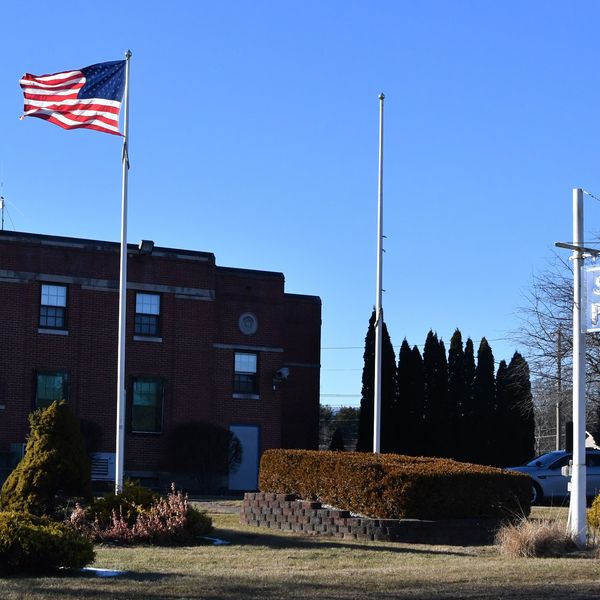
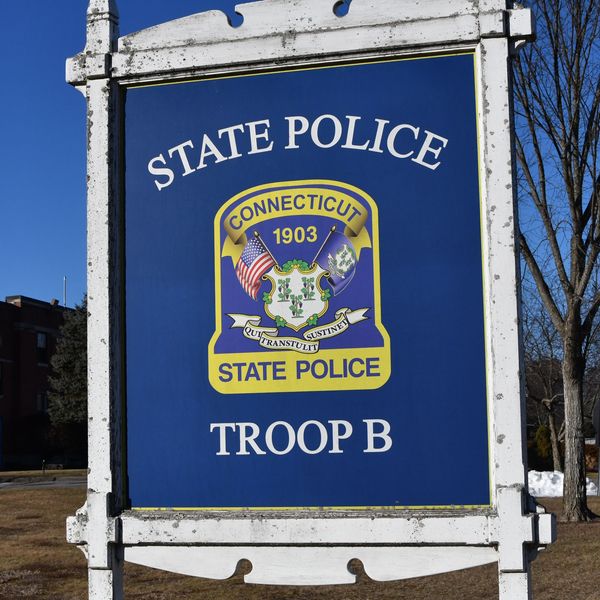
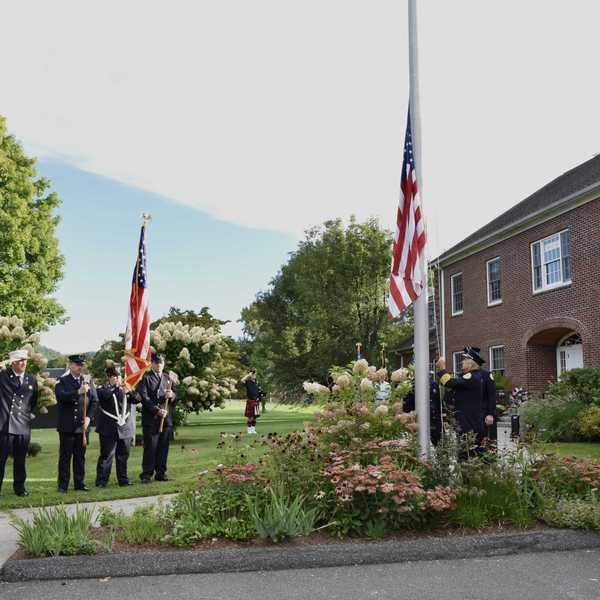
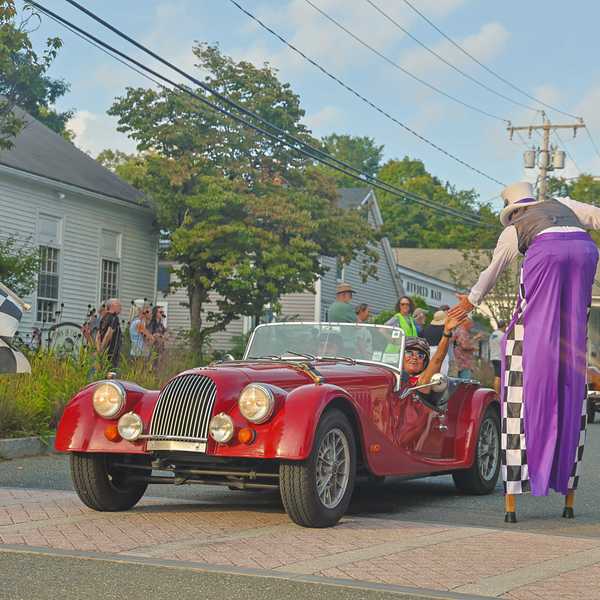
This is a picture from The Winsted Journal’s photo archive from October 1996. Do you know the story behind the picture? If so, write to editor@winstedjournal.com.
Latest News
Tending the Fire: Homelands PowWow brings Mohican culture home to the Berkshires
Natalia Zukerman
Sep 30, 2026
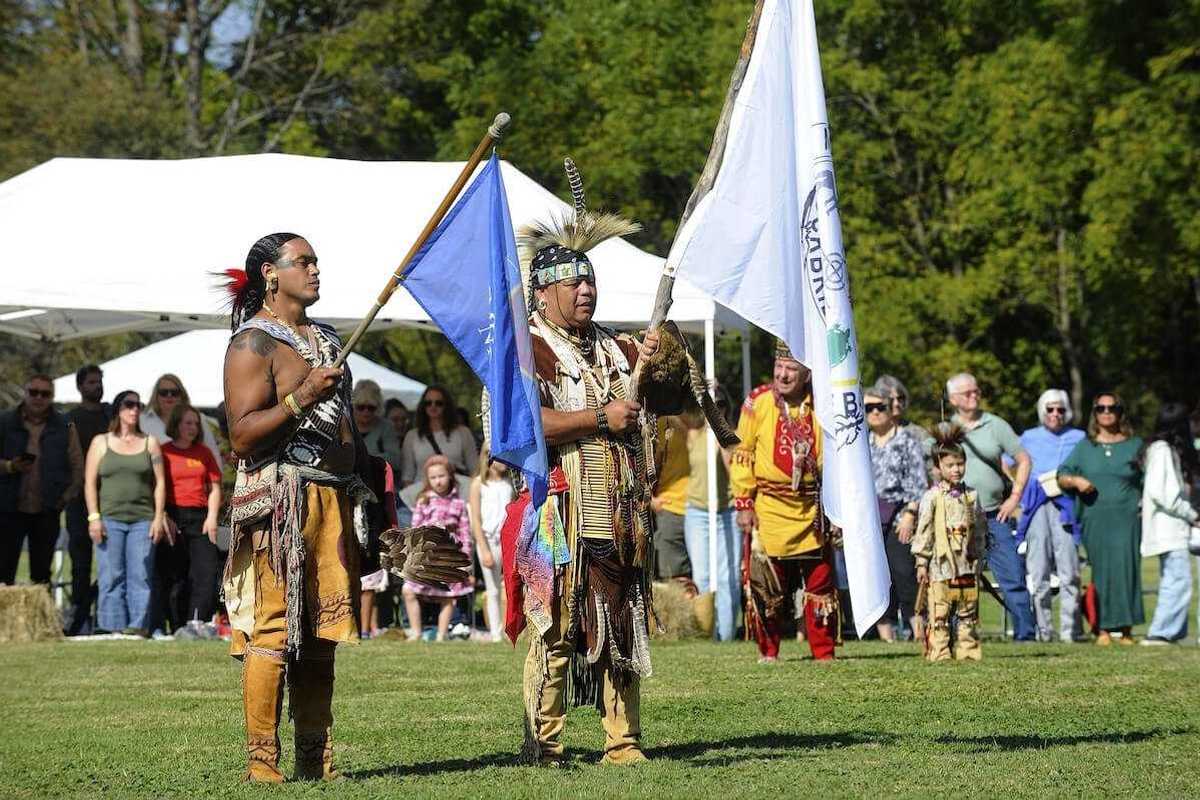
Members of the Stockbridge-Munsee tribe at Homelands PowWow in 2025.
Joeseph Plante New Media Storytellers
Our goal is to continue building an annual gathering that honors the history, culture and traditions of the Stockbridge-Munsee Band of Mohicans in their original Homelands.
For the Stockbridge-Munsee Mohican people, the Berkshires are not simply a place to visit. They are ancestral homelands.
On Saturday and Sunday, Oct. 3 and 4, the Homelands PowWow returns to Shakespeare & Company in Lenox, Massachusetts for its second year, bringing members of the Stockbridge-Munsee community together with neighbors and visitors for two days of traditional dance, drumming, food, art and cultural sharing.
The Homelands PowWow was founded by enrolled Stockbridge-Munsee tribal members and Massachusetts-based allies to strengthen connections between Mohican people and their ancestral lands in the region. Proceeds from the gathering help cover travel and lodging expenses for tribal members making the journey from Wisconsin.
That distance is the result of generations of displacement. The Stockbridge Mohicans were forced from Massachusetts to New York in the mid-1780s amid mounting pressure on their land. Their displacement continued in stages westward, including to Indiana, before the tribe settled in Wisconsin in the 1820s and 1830s. Today, the Stockbridge-Munsee Community, Band of Mohican Indians, is a federally recognized tribal nation based in Wisconsin.
Its connection to this region, however, has never disappeared. Mohican ancestral homelands encompass the Hudson River Valley and surrounding areas, including what is now western Massachusetts. The Homelands PowWow creates an opportunity for tribal members to gather on those lands again while sharing traditions with the wider community.
In 2025, the inaugural Homelands PowWow brought Mohican community members back to the Berkshires for a gathering organizers described as the first of its kind in the region in centuries.
This year’s theme, “Tending the Fire,” reflects an intention to make that return an enduring tradition.
“Our goal is to continue building an annual gathering that honors the history, culture and traditions of the Stockbridge-Munsee Band of Mohicans in their original Homelands,” organizers state on the event website.
The weekend is open to the public and will feature traditional dancing and live drumming, as well as Indigenous artists, makers and food vendors. Grand Entry, the ceremonial opening of the powwow, takes place at noon both days.
Among those helping organize the gathering is Shawn Stevens, an enrolled member of the Stockbridge-Munsee Band of Mohicans and a Mohican language scholar who has served on the Tribal Language and Culture Committee and Historic Preservation Committee. Stockbridge-Munsee elder Ginger Stevens, a traditional dancer and longtime advocate for cultural preservation, serves as the organization’s Mohican travel coordinator.
Organizers are also careful to distinguish the nonprofit behind the powwow from the tribal government: Homelands PowWow does not officially represent or speak for the Stockbridge-Munsee Tribal Council. Instead, its work is centered on creating opportunities for connection and helping Stockbridge-Munsee people return to their ancestral homelands.
For tickets, a complete schedule and more information, visit homelandspowwow.org.
Keep ReadingShow less
Ancram Center’s “A Number” doubles questions of identity
D.H. Callahan
Sep 30, 2026
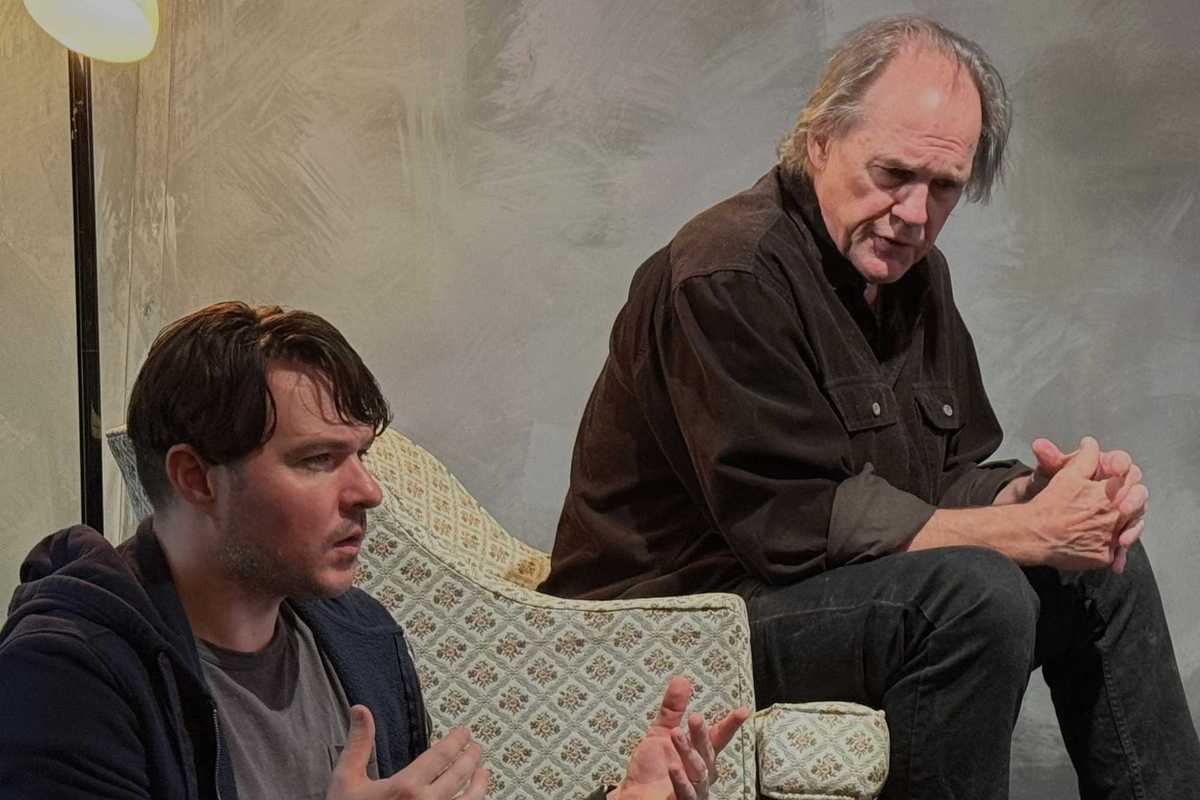
Ledbetter (left) and Wojda (right) on the set of “A Number” at Ancram Center for the Arts.
Jeff Mousseau
How would you feel if you found out you weren’t the only you — if there was an exact replica of you? What if you found out that you’d been cloned? Would you believe that you’re the real you? Would you suspect you might be a copy of the original? How could you be sure anything about your life was real? These are some of the questions posed in Caryl Churchill’s play “A Number,” opening at the Ancram Center for the Artson Oct. 1.
Churchill was born in London in 1938 and has been hailed by the theaterl world as one of the strongest voices of her time to take on sexual politics and feminist themes. Her works garner pointedly considered analysis from the highest levels of theatrical intellectualism. Basically, it’s about as far from “The Lion King” as you can get. While she’s experimented with dance theater in the past, “A Number” is much more stripped down, highlighting Churchill’s chosen themes and the skills of both actors on stage.
In “A Number,” Churchill explores the existential ramifications for a man who discovers he’s been cloned. With only two actors — John Wojda playing the father and Drew Ledbetter as the son and his clones — the play play uses a spare, intimate structure to explore complex questions.. Premiering in 2002, “A Number” examines identity, individuality and the implications of human cloning.
Ledbetter, who takes on multiple versions of the same person, has performed in a variety of Off-Broadway and regional productions, including “Hamlet” and “King Lear.” He’s appeared in “The Blacklist” and HBO’s “Succession” and was featured in the WordPlay e-Book version of Shakespeare’s “Romeo and Juliet,” which pairs acted video scenes with the original written word.
Wojda, who’s appeared in several Broadway productions, also has extensive experience with Shakespeare, including “The Merchant of Venice” and “MacBeth.” He has toured nationally with “Spring Awakening” and internationally with “West Side Story,” itself an adaptation of “Romeo and Juliet.” Like Ledbetter, Wojda has also appeared in “The Blacklist” but boasts a robust list of other television productions, including “Blue Bloods,” “Mr. Robot,” “Madam Secretary” and iterations of “Law and Order.”
For tickets to “A Number,” visit www.ancramcenter.org.
Keep ReadingShow less
Dispatches from the Farm
Janna Siller
Sep 30, 2026
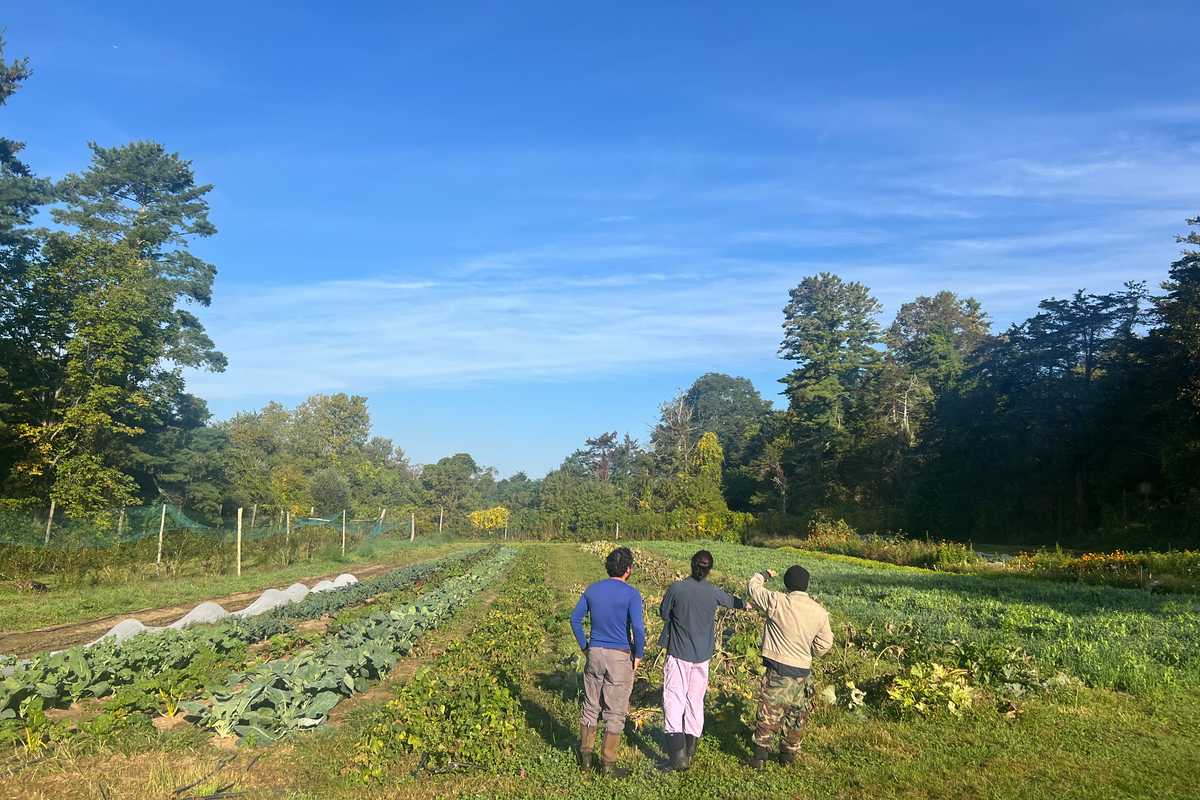
Adamah Farm crew members planning out the day’s tasks on a late September day.
Janna Siller
“Dispatches from the farm” is a new, periodic column offering a firsthand look at the rhythms, challenges and rewards of farming through the eyes of a local farmer.
The thing about plants is that they can’t get up and move. When a storm like last weekend’s nor’easter threatens to roll through, you can’t just round everybody up and settle them safely on the sofa for movie night.
Over my 15 years of growing vegetables in Falls Village, I’ve exerted my will over all kinds of conditions, from drought to humidity to crows with a taste for cantaloupe. That’s what farming is all about. You zip around the field, hopping on and off tractors, moving hoses and chasing weeds, all in an effort to arrange conditions in favor of your crops. It is the crops’ job to gulp up sunlight and move water through their stems, to transform solar energy into your next pesto or ratatouille or butternut squash soup. It is the job of the farmer to irrigate just enough but not too much, to slice dandelion leaves without damaging delicate cabbage roots, to pander and pamper and stay in tune with what plants need to thrive.
The easy part of farming is trusting plants’ resilience. I have seen bright green shoots barrel ahead out of a plant torn to shreds by hail. I’ve watched wilty, heat-stressed seedlings turn rigid overnight and greet the next morning with vigor. The hard part is letting go of what you can’t control. As our crops lapped up Friday’s gentle sunshine and I considered the weekend forecast, I imagined roots holding tight to wet earth and branches supporting each other in sideways, pelting rain. I made sure all of our storage crops were already harvested and tucked away. I battened down the sides of our greenhouses and wished the remaining field crops good luck.
The nor’easter didn’t materialize too dramatically in our corner of New England. A few broken branches and debris blown about, nothing like the July Fourth storm that sent half a tree crashing onto the deer fence and left crates of fresh veggies in coolers without power.
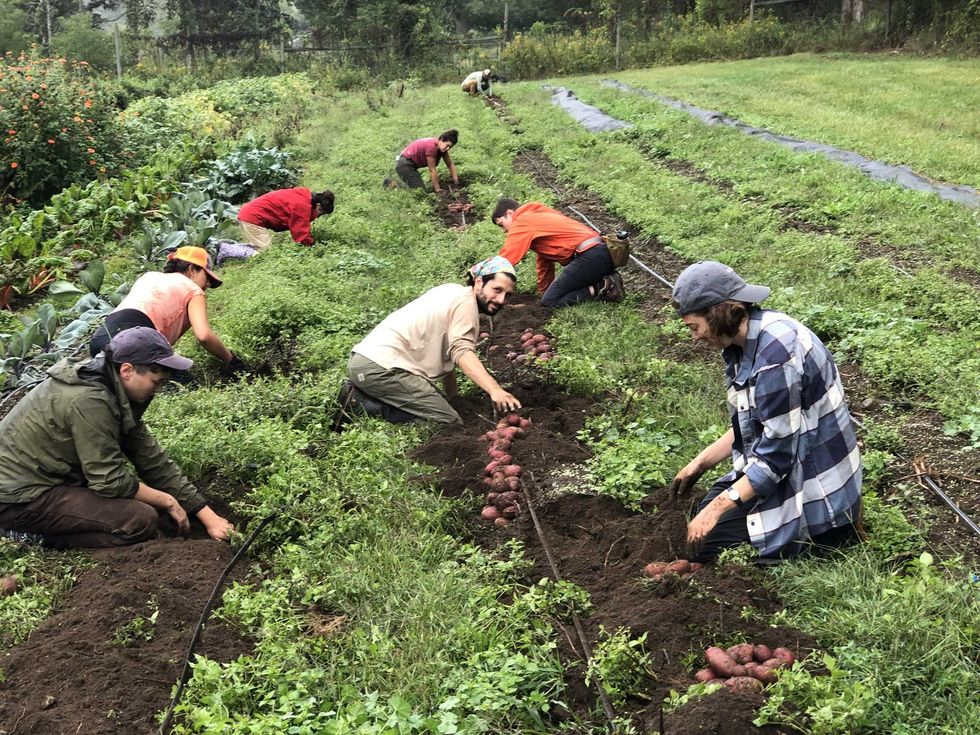
Farming is an exercise in acceptance. To do it well and return year after year, you have to balance hubris and humility. The prize can often be a certain equanimity, a training in the art of moving into the next day even when the last one scrambled all your plans.
Epic change is not always about the unexpected. It also comes like clockwork on the seasonal calendar. As I type, the last of summer’s watermelons wait naively on the vine for a few hot days to finish ripening. Broccoli are holding their leaves wide as they did in June and July, only to find that the hours of sunlight decrease with each earlier sunset. Plants can’t pick up and go south or call the manager to order a bonus round of sunshine. Their growth slows and they get a resigned look to the hue of their leaves, so different from the frenzied growth of summer.
The release of fall is not tragic or gloomy. It is not an ending because so many fall tasks are about setting up for the new beginnings in spring.
We turn the vines that yielded thousands of pounds of fruit into the soil, where healthy microbes feast on their rotting stems. Then we plant cover crops — a mix of cereal grains like rye and oats and legumes like peas, vetch and clover. Cover crops hold the soil and its nutrients in place over winter, feeding the soil food web and adding organic matter that next season’s crops will need to grow.
We sort sprinklers and repair hoses. We inventory tarps. We take notes about which plants did well where and how we might try a new approach for this or that. We stack crates of cured garlic and onions and winter squash in a cool, dark room.
We save seeds from tomatoes and beans and lettuce, carefully labeling each variety for next season’s long, sunny days.
Janna Siller is the farm director at Adamah, a community farm in Falls Village offering CSA shares, educational programs and a food access program.

Keep ReadingShow less

Want more of our stories on Google? Click here to make us a Preferred Source.
Pinchas Zukerman brings an all-Beethoven program to Hotchkiss
Thomas Jensen
Sep 30, 2026
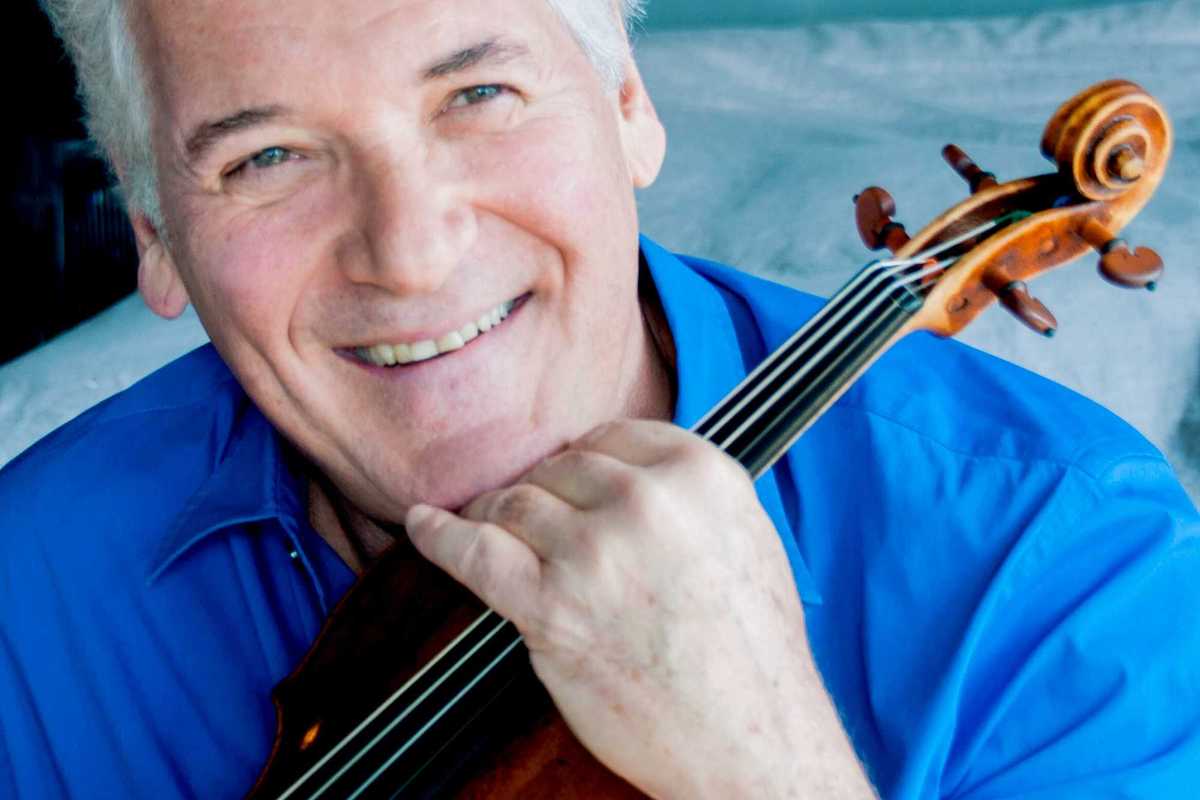
Pinchas Zukerman to perform at Hotchkiss Oct. 4
Cheryl Mazak
The passion, drama and energy of Beethoven will fill Katherine M. Elfers Hall at The Hotchkiss School on Oct. 4, when world-renowned violinist Pinchas Zukerman is joined by pianist Shai Wosner for a special recital.
The 4:30 p.m. program at the Esther Eastman Music Center will feature three of Beethoven’s celebrated violin sonatas: Violin Sonata No. 4 in A minor, Op. 23; Violin Sonata No. 5 in F major, Op. 24, “Spring”; and Violin Sonata No. 7 in C minor, Op. 30.
Beethoven’s Violin Sonata No. 4 in A minor, Op. 23, is a three-movement chamber work marked by stark emotional contrasts and dramatic energy. Its three movements take the listener on quite a journey.
The first, a Presto in A minor in an unusual 6/8 meter, is propelled by an urgent, relentless, tarantella-like rhythm. Intensely minor and austere, it creates tension and sets the mood for what follows.
Next, an Andante scherzoso, più allegretto in A major serves as both a slow movement and a playful, subtle scherzo. It features intricate, delicate fugal textures and a trilling second theme. The third movement is an Allegro molto, back in A minor. An anxious, turbulent rondo finale, it features middle sections in which Beethoven playfully misaligns the timing of the violin and piano, creating a tense, out-of-sync dialogue that eventually collapses into a quiet, gloomy conclusion.
Violin Sonata No. 5 in F major, Op. 24, “Spring,” was Beethoven’s first violin sonata to depart from the traditional three-movement Classical format by adding a brief scherzo. Its four distinct movements will give Zukerman and Wosner ample opportunity to display their technique and musical interplay.
Driven by a soaring, lyrical opening theme shared between violin and piano, the first movement is an Allegro in F major. Next comes an Adagio molto espressivo in B-flat major, a deeply sentimental, songlike dialogue that builds on gentle variations.
The third movement, Scherzo: Allegro molto, is a brief, comic interlude featuring rhythmic playfulness as the two instruments purposefully fall out of sync. The fourth movement, Rondo: Allegro ma non troppo, is a grand finale written in a pleasant, courtly style with contrasting dramatic shifts.
Beethoven’s Violin Sonata No. 7 in C minor, Op. 30, begins with an Allegro con brio featuring a dramatic and tense opening movement. It is the first of Beethoven’s sonata-allegro movements to break with tradition by omitting the exposition repeat.
Next comes an Adagio cantabile in A-flat major. Serene, deeply lyrical and comforting, it contrasts with the intensity of the first movement, flowing like an expressive song and offering a momentary emotional respite.
The third movement, Scherzo: Allegro, is short, playful and sharply rhythmic, contrasting with the overall somber gravity of the sonata. The finale, Allegro: Presto, returns to C minor. Restless, suspenseful and driving, it builds immense tension before exploding into a furious Presto coda. Beethoven ends the work with a sizzle.
Zukerman and Wosner perform Sunday, Oct. 4, at 4:30 p.m. at The Hotchkiss School in Lakeville. Admission is free and first-come, first-served.
Keep ReadingShow less
Found Footage Festival brings laughs to The Triplex
D.H. Callahan
Sep 30, 2026
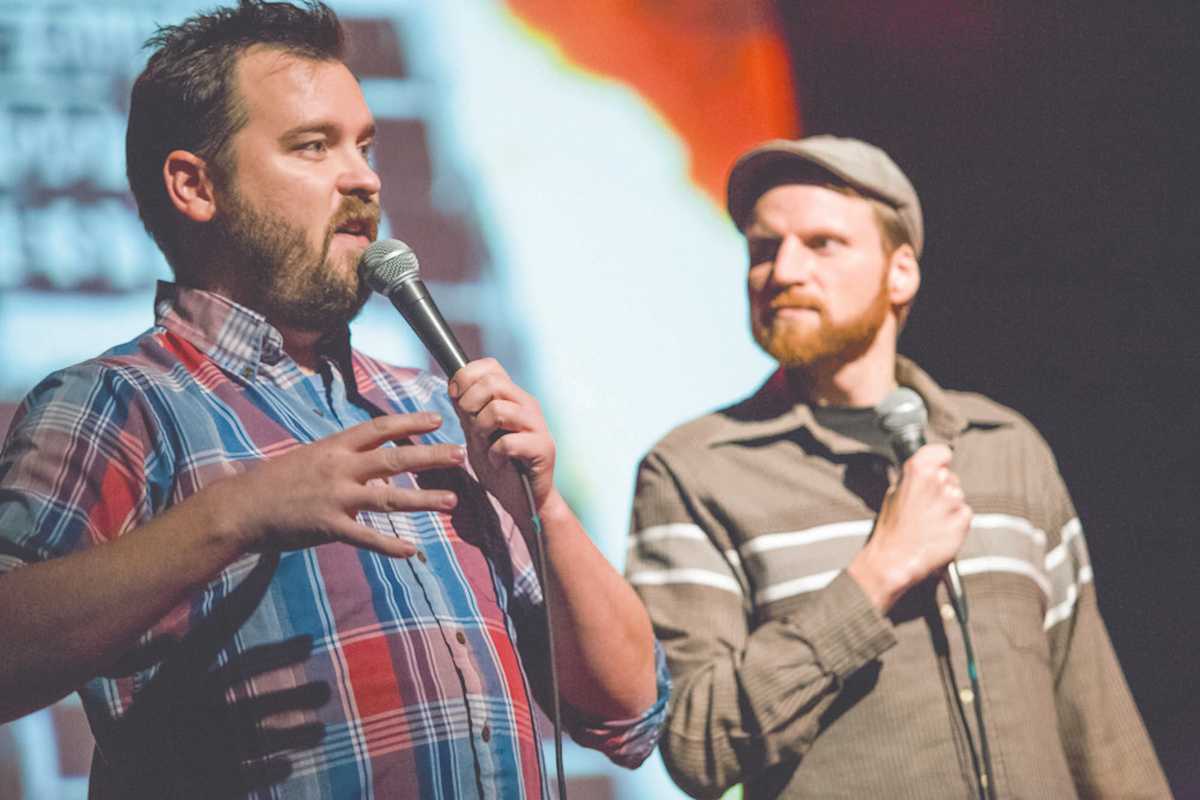
Pickett and Prueher on stage.
Provided by Found Footage Festival
On Sunday, Oct. 4, the Found Footage Festival makes its way to the Triplex Theatre in Great Barrington with a treasure trove of lost and forgotten VHS tapes scraped from the piles of distant memories and discarded physical media.
The Found Footage Festival is a “celebration of the videos that time forgot” hosted by two Brooklyn-based comedy writers and childhood friends, Joe Pickett of The Onion and Nick Prueher of The Late Show.
Back in 1991, the duo found a discarded McDonald’s custodial training tape in their home state of Wisconsin, and since then, they’ve been collecting all the VHS tapes they could find and mining them for untapped comedic gold. Today, they are the undisputed champions of lost media, having collected and archived over 15,000 videocassette tapes.

Prueher and Pickett’s brand of comedy values the missteps and accidents that come with amateur video productions more than it does the carefully crafted wordplay of the comedic superstars of our time. But it’s not just bloopers from birthday parties that they find. Some of the most popular clips come from instructional videos, taped religious services, fully produced movies, music videos and, of course, the ever-popular news bloopers.
For more than eight years, Pickett and Prueher have been hosting a video podcast they call “VHS Party,” complete with their own rabid fans who send them tapes and comment along online with the streams. Their YouTube page is chock-full of interesting clips, many of which are featured and discussed on “VHS Party” with their two co-hosts and occasional guests from the comedy world, including Jon Glaser, Jo Firestone and David Cross.
The duo started the Found Footage Fest in 2004 as a way to raise money for their documentary, “Dirty Country,” about a vulgar country music performer looking for a bigger audience than his garage. Since then, they’ve taken the show on the road, bringing new selections of their favorite clips and their signature comedic stylings to theaters around the world.
For tickets to the Found Footage Festival, visit thetriplex.org.
Keep ReadingShow less
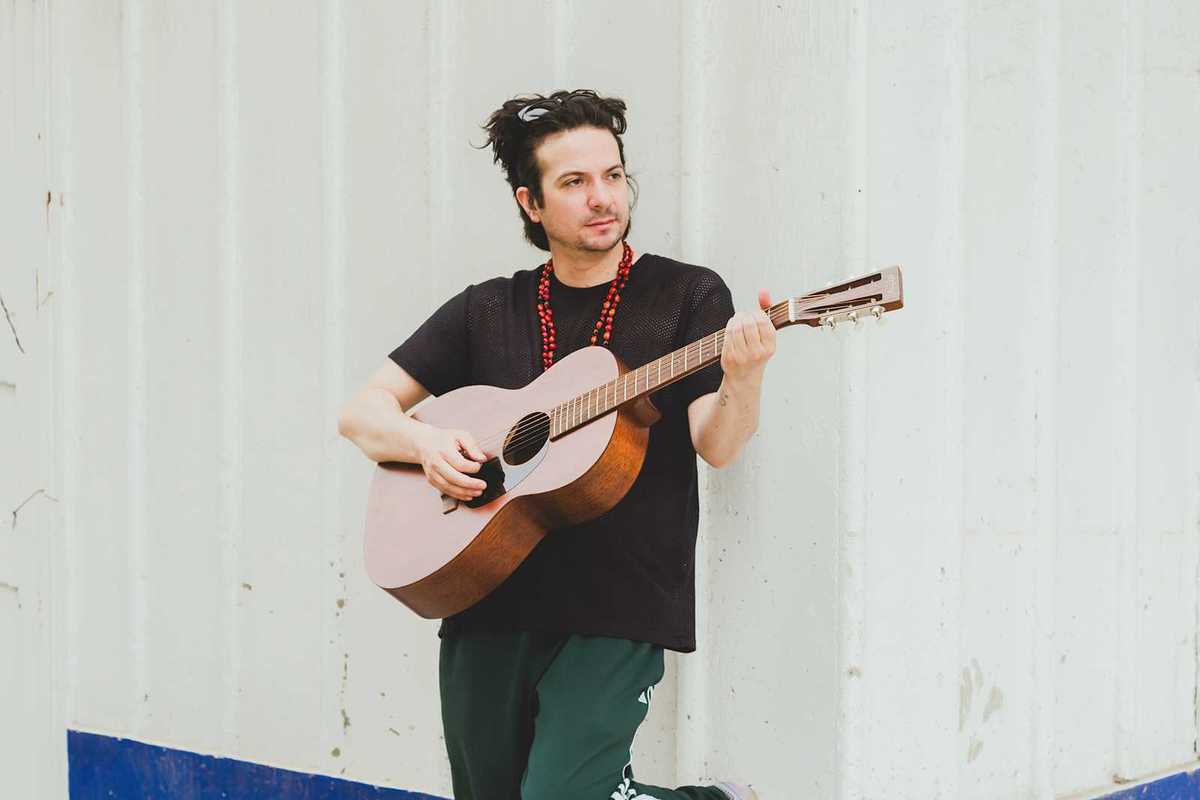
Luis Felber at home at Cornwall Music Bowl
D.H. Callahan
Sep 30, 2026
Luis Felber at home at Cornwall Music Bowl
Luis Felber is excited about creating in the Northwest Corner. Coming of age in the British countryside, all he wanted to do as a teen was move to London, the creative heartbeat of England. At 17, he started a band called the Eraserheads and went for it. Since then, he’s been in so many bands he struggles to list them all. But on Saturday, Oct. 3, he’ll be taking the stage at the Cornwall Music Bowl all by himself.
Felber has always felt more comfortable on stage than interacting with people. There’s a sense of purpose in being at a concert. Everybody in the room is there for the same reason: to witness the act of making music. So whether he’s on the stage or in the audience, he feels at home in a venue.
For Felber, a venue doesn’t have to mean a traditional setup with a stage and bar and all the other trappings of clubs or theaters. When he was starting out in London, he quickly grew sick of the repetitive process of working with managers and promoters, trying to get booked. In response, he and his friends started their own club nights, where they and other local acts could play music, have fun and forget about the constructs of established society. Those club nights turned into a record label called Young Turks, named after the events they hosted. Now just called Young, the label is home to acts like FKA Twigs, the xx, Sampha and modern jazz legend Kamasi Washington.
Felber’s current band is called Attawalpa, which is actually his middle name. It’s a reference to Atahualpa, the last Inca emperor. It might seem strange for a kid from the English countryside, but Felber’s mother is Peruvian, and Luis spent several years growing up in Lima, where his mother still lives.
Felber is tapping deeper into those roots on his next album. It’s a pretty quick turnaround for such a busy guy. His last album, “Experience” was released just last year. Some of those songs were featured in “Too Much,” the Netflix series he createdand is writing for with his wife, Lena Dunham. Based on a young American woman looking to turn her life around in England, the album was necessarily in English. But for the next one, he’s written — and will be singing — some of the songs in Spanish.
Felber is excited to talk about his forthcoming album. In addition to his regular Attawalpa bandmates, he collaborated with Thurston Moore of Sonic Youth and Debbie Googe of My Bloody Valentine. For him, collaboration is half the fun of creating art. That’s why he’s so excited about the acts he’ll be sharing the stage with in Cornwall. He raves about the familiar sound with new edge of Amelia Jackson, the low-fi indie-pop of Jess Yaffa and the indisputable talent of local singer-songwriter Simone White, whose credits and accolades merit their own article. The bill seems marvelously cohesive and intentional.
While he splits time with London, Felber is now settling into life back in the countryside — this time, the Northwest Corner. He’s enchanted by its inescapable beauty and the friendly, creative energy he sees in the people he meets.
For more info, videos and music, visit attawalpa.com.
Keep ReadingShow less

Want more of our stories on Google? Click here to make us a Preferred Source.
loading