Latest News
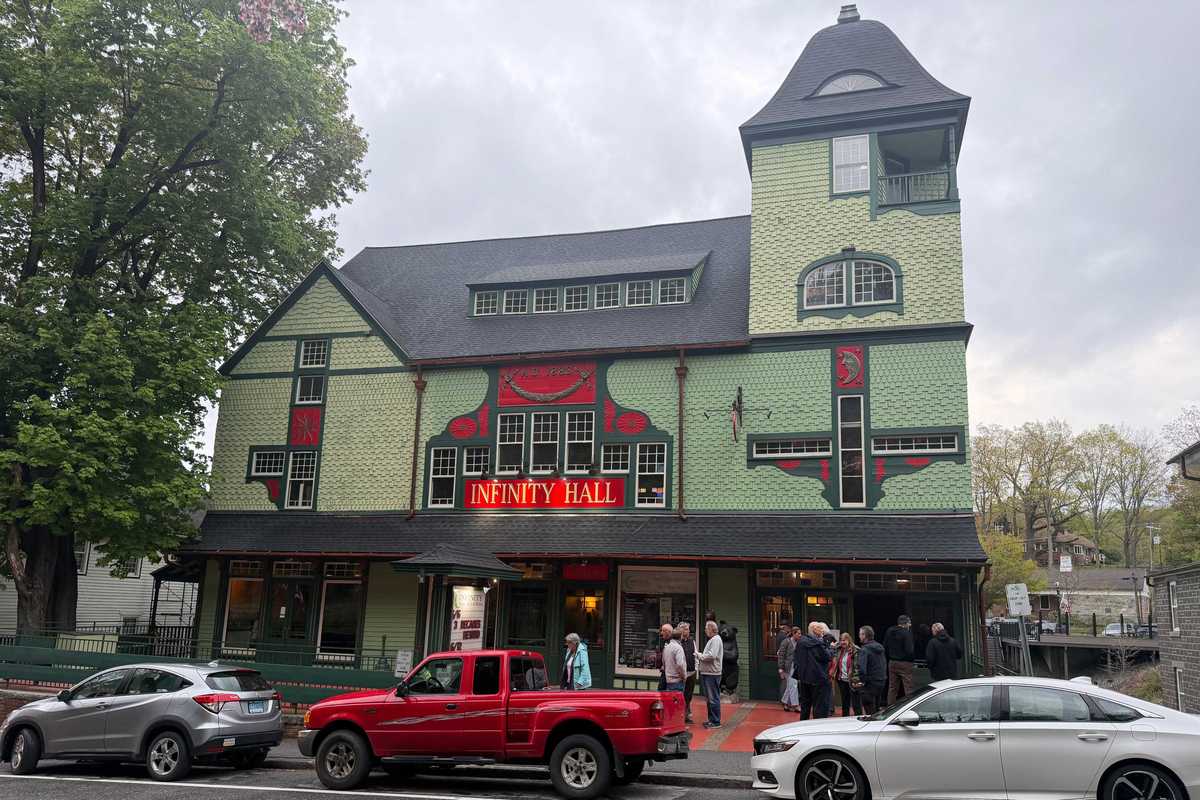
Infinity Hall, built in 1883.
Jennifer Almquist
“We have a real opportunity to bring the residents of Norfolk closer together and add to a community already steeped in a rich history of the arts,” Rosenfeld said. “Thursday’s turnout and the positive energy we experienced are the very reason Goodworks exists. We are thrilled to help support and build upon the vibrant community spirit here.”
Built in 1883, Norfolk Village Hall — the former opera house, barber shop and saloon in the center of Norfolk —was designed by Palliser & Co. In 2007, the building was restored as the 300-seat performing arts theater Infinity Hall.
Goodworks Entertainment Group took over Infinity Hall in April 2019. Rosenfeld said he plans to realign the organization with his original dream of doing good works — hence the name.
He also spoke of a large-scale arts and music festival for Norfolk and of conversations with Melvin Chen, director of the Norfolk Chamber Music Festival–Yale Summer School of Music, about a possible winter classical concert series featuring Yale musicians.
After a question-and-answer session, attendees stayed to enjoy live music, food and drinks organized by Lisa Ludwig, general manager of Infinity Hall.
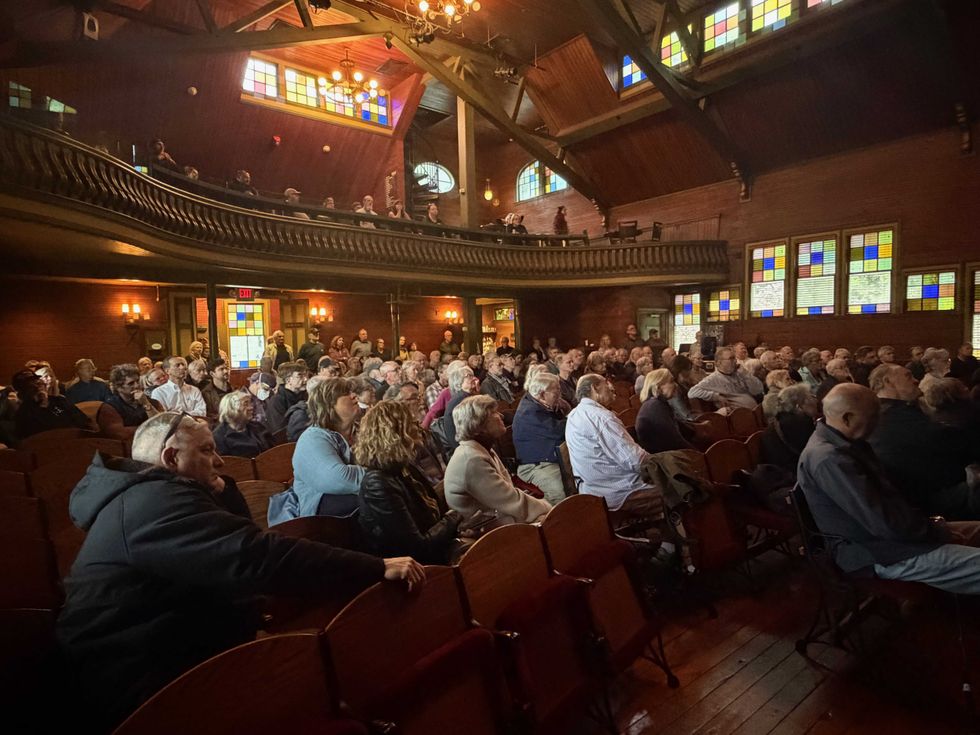 Nearly 200 people gathered at Infinity Hall to discuss possibilities for its future use.Jennifer Almquist
Norfolk resident Tony Kiser praised Rosenfeld’s vision.
“If there is anything to be done, he’s the guy to do it,” Kiser said. “He’s got the experience, some capital to invest, and he has a vision.”
Henry Tirrell, Norfolk first selectman, welcomed the prospect of renewed activity at the venue.
“I am excited to see an option for dinner and drinks in town, as well as increased activity at Infinity Hall,” Tirrell said.
Cheryl Heller, chair of the Norfolk Economic Development Commission, said the announcement represents an important moment for the town.
“Infinity is a key part of Norfolk’s identity, and for the last few years that it’s been quiet, the community has felt the loss,” Heller said. “This announcement is tremendously exciting, not only because of the new restaurant and programming, but because David’s plans include contributing to the culture and life of the town.”
“I am completely delighted with the new direction,” said Norfolk activist and Economic Development Commission member Libby Borden. “I certainly hope Norfolk supports Infinity Hall in every way.”


Want more of our stories on Google? Click here to make us a Preferred Source.
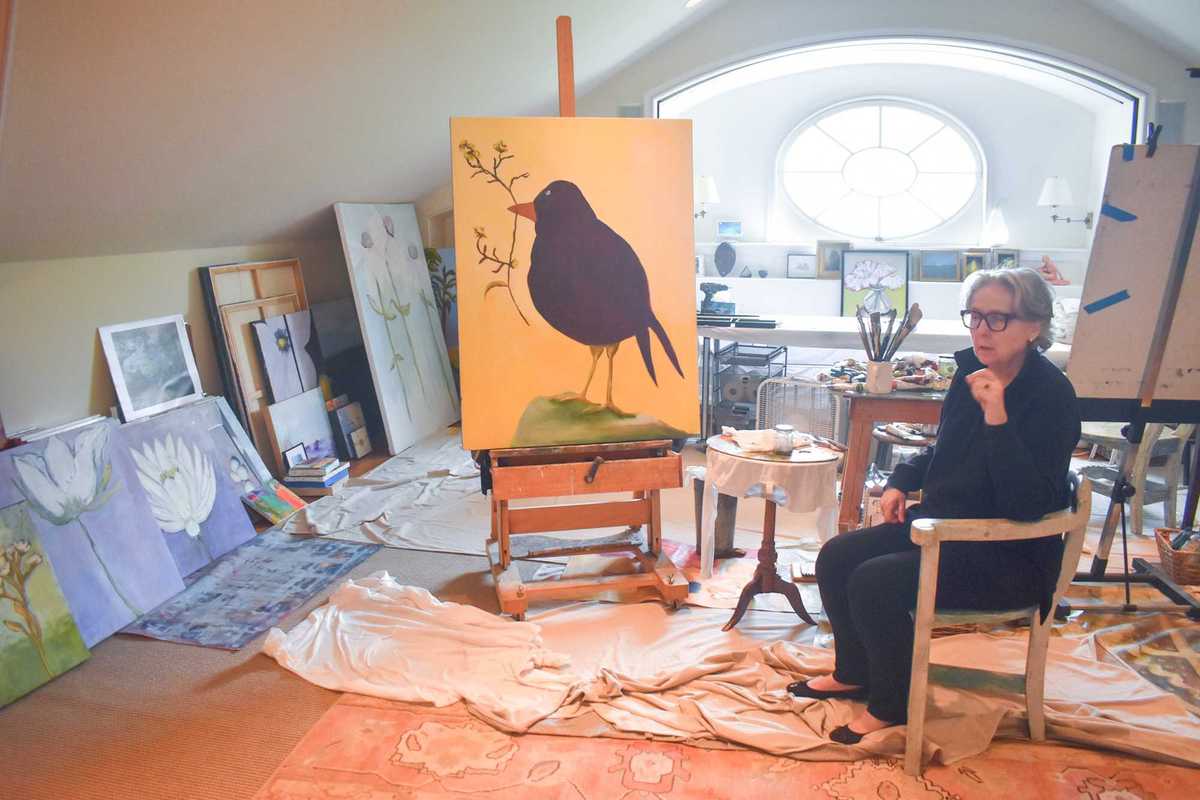
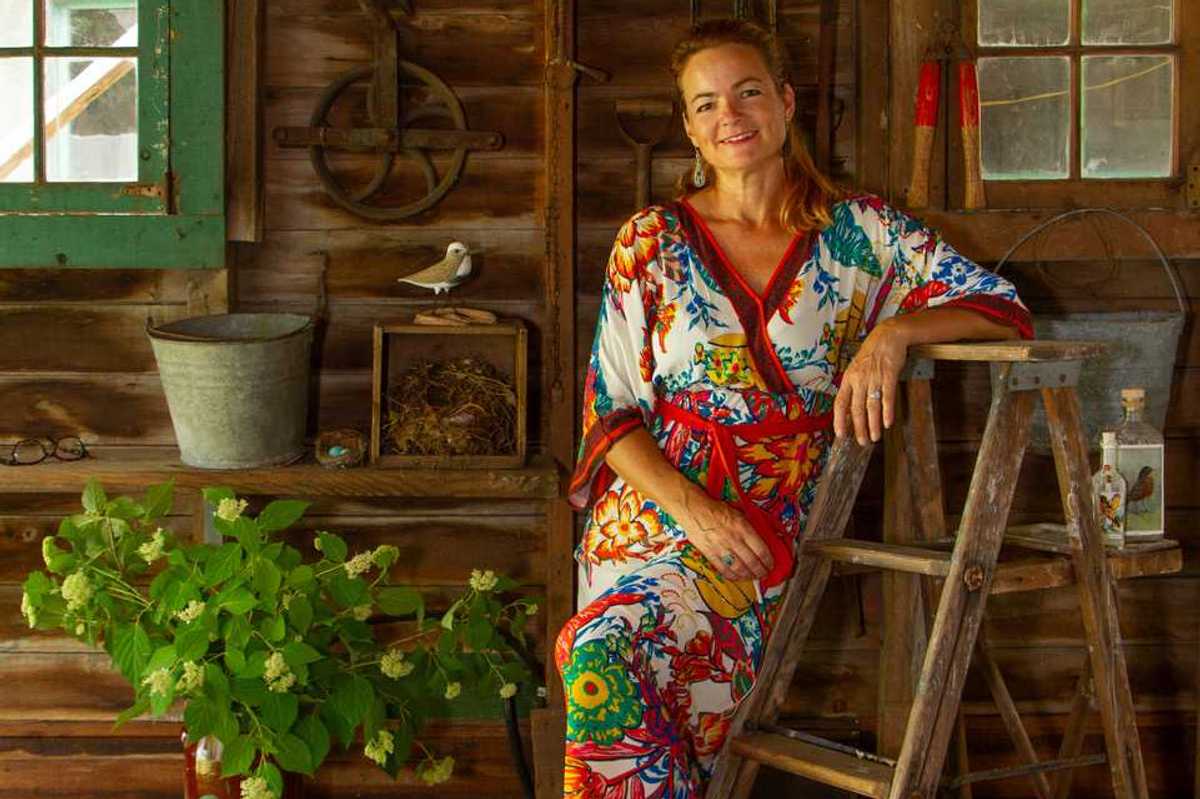
Artist Janet Andre Block in her studio in Salisbury.
L. Tomaino
Block speaks warmly of her printmaking teacher, the well-known artist Kiki Smith.
“She was incredibly kind and generous,” Block said. “What I learned in art school is what I want to do.”
During the pandemic, she painted in a world of swirling colors that suggest another world just within this one.
Block’s work will be on display at “Catching Light, 75,” at David M. Hunt Library from May 23-June 19. The opening reception will be Saturday, May 23, from 5 to 7 p.m. and she will give an artist talk Thursday, June 4, at 5:30 p.m.
The exhibit features 75 small paintings representing her varied painting modes.
“I’m offering these as a gift to the library,” she said. “Each donor who gives $75 can choose a painting.”
The paintings are 2-inch squares.
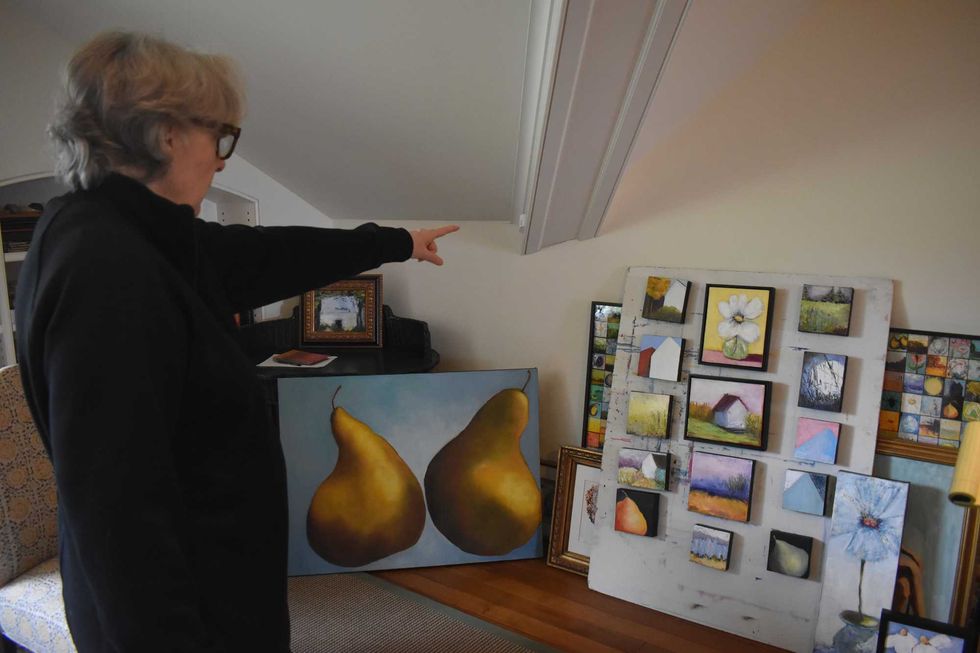 Janet Block discusses painting.L. Tomaino
Block has worked with nonprofit groups in the Northwest Corner for many years. She has been a volunteer for Project SAGE, the Lakeville-based organization committed to ending relationship violence, for many years. She has also served on Trade Secrets Underwriting Committee — the annual garden event that serves as Project SAGE’s largest fundraiser — for 25 years and remembers the first meeting around her dining room table. She served on the board of the Berkshire Taconic Community Foundation from 1991 to 2000 and was chair of the Fund for the Northwest Corner.
She has stepped back from her work with nonprofits to devote more time to painting, though she still helps where she can.
“I enjoy the early starts of anything. That’s why I like art, where I can start with a blank palette.”
“There is something about picking colors,” she said, describing it as “really a kind of creation — just the pleasure of mixing up a color, finding the next purple,” along with the immediacy of “the feeling of the brush on canvas.”
Block commends Hunt Library’s Art Wall team: Garth Kobal and Sergei and Zoe Fedorjaczenko.
“I think so highly of them,” she said. “I can’t say no to Garth, who is such a sincere, talented and generous person.”
Block is guided by the thought, “You are what you focus on,” and says this, along with the natural world and music, helps her bring herself to “light and beauty” through painting.
For more information about Block and the exhibit, visit huntlibrary.org and janetandreblock.com
Want more of our stories on Google? Click here to make us a Preferred Source.