Responsibility of the electronic media: Free speech, falsehood and defamation

Part 1 of 2

In April 2018, Facebook’s Mark Zuckerberg made a commendable appearance before the U.S. Congress testifying about the role and intentions of Facebook in the light of the hacking and misuse of cyber communications technologies and social media to skew the 2016 U.S. elections and undermine the democratic process in America.  Facebook had been raided for personal information on more than 87 million unsuspecting users.

Zuckerberg explained that the whole point of Facebook was to facilitate open communication among users, in short, the exercise of free speech. Under pressure from members of Congress, Zuckerberg outlined efforts that Facebook would try to make in the future to screen out fake accounts, trolls and bots and purveyors of falsehood.  He took personal and corporate responsibility for the past, and promised to make every effort to prevent such abuses in the future.

Most Americans and members of Congress have welcomed Zuckerberg’s assurances, but rather little has been said about the implications under the U.S. Constitution of requiring an electronic communications company, the media or free press to censor or control the source and content of speech. For Americans, the First Amendment guarantee of “freedom of speech or of the press” is sacred text. However, historical study of the origins of “Constitutionally protected free speech” suggests that the framers’ original intent was to protect the right of all persons to express honest belief, opinion and truth, but NOT to protect known falsehood, hate speech or the defamation of others.

Although victims of defamation in the U.S. generally have legal recourse against libel and slander, most jurisdictions do not extend such right of self-defense in the case of public persons, such as celebrities and political figures.  The idea of this exclusion is to allow for robust debate in the public domain. But the effect of that exception in modern times can be devastating, particularly for political candidates who are victims of falsehood and defamation.   

As noted, Zuckerberg explained that the whole point of social media communications companies was to facilitate open, free communication among users. But what most of us, including Zuckerberg himself, totally underestimated was the vulnerability of social media communication to hacking, theft or misuse of information, invasion of personal privacy and promulgation of falsehood, defamation, hate speech and “fake news,”  not only by home-grown wrong-doers, but also by hostile foreign agents and regimes. How bad can it get? Here’s one example. 

Putin’s Russia by all accounts used Cambridge Analytica and Wikileaks to seed our social media with an utterly false story, amplified in cyberspace by a handful of venal individuals on the radical right (including the son of Michael Flynn) to the effect that Hillary Clinton was running a child sex slavery ring out of a pizza joint near Washington, D.C. This “Pizzagate” allegation was so ridiculous as to be patently false, yet as events turned out, some 25 percent of voters believed the falsehood, because they wanted to, and it led to the shooting of an innocent employee at the pizza joint. Overall, Russian meddling had a tremendous effect on a large segment of the voting public. As some cynics have concluded, the real winner of the 2016 U.S. presidential election was Vladimir Putin.

Early in the history of American jurisprudence, our courts of law and legislatures followed the English Common Law of defamation (literally character assassination), both libel (written) and slander (spoken words). Depending on jurisdiction, the ill-intended defamer could be sued under civil law, or criminal law, or both. It was early recognized that “Truth is an absolute defense to libel.” (The seeming oxymoron “The greater the truth the greater the libel,” simply meant it is more offensive to write something damaging and true about someone than it is to tell a damaging lie.). In any case, the key question is whether the defamer knew, or had obvious reason to know, that the allegation was false.

Against this background, what we and Congress have now effectively done is to impose on Mark Zuckerberg, Facebook and the entire cyber-electronic communications world of Instagram, Twitter and all the others, responsibility for policing what millions of users may write or say, even the photos they may send, to detect and weed out falsehood and calumny. 

Yet, at the same time, we continue to allow yellow-journalism tabloid publishers, who mostly originate what they print, to get away with virtual character assassination — full-blown defamation. High on the list of irresponsible tabloid publishers is Rupert Murdoch’s empire, which includes Fox News, the National Enquirer and the New York Post, just to scratch the surface.

Anthony Piel is a former director and general legal counsel of the World Health Organization.

Latest News

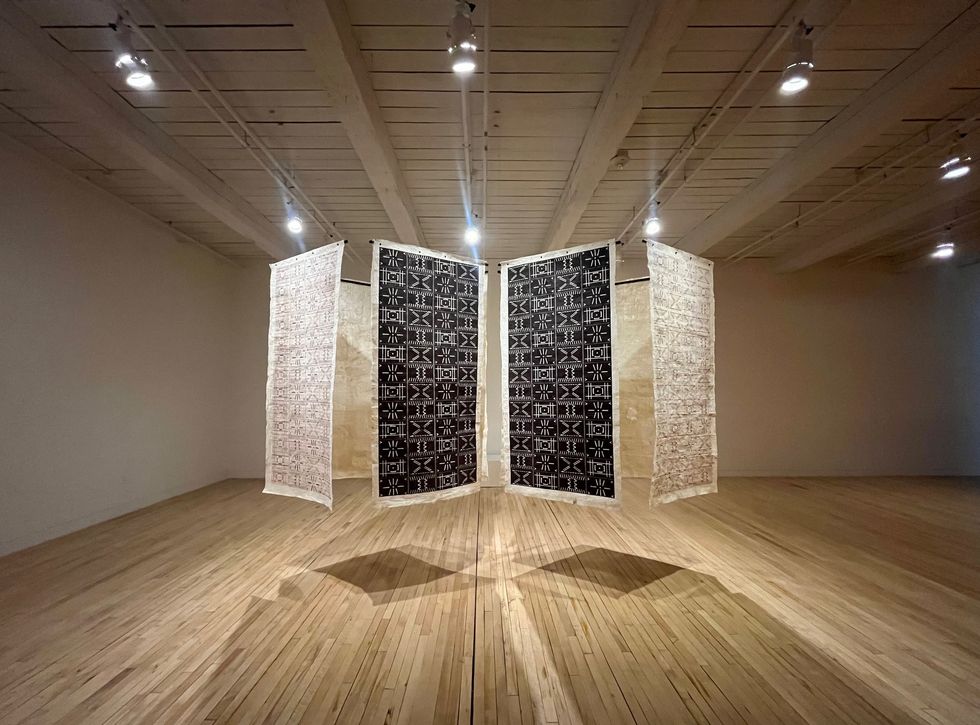
Living art takes center stage in the Berkshires

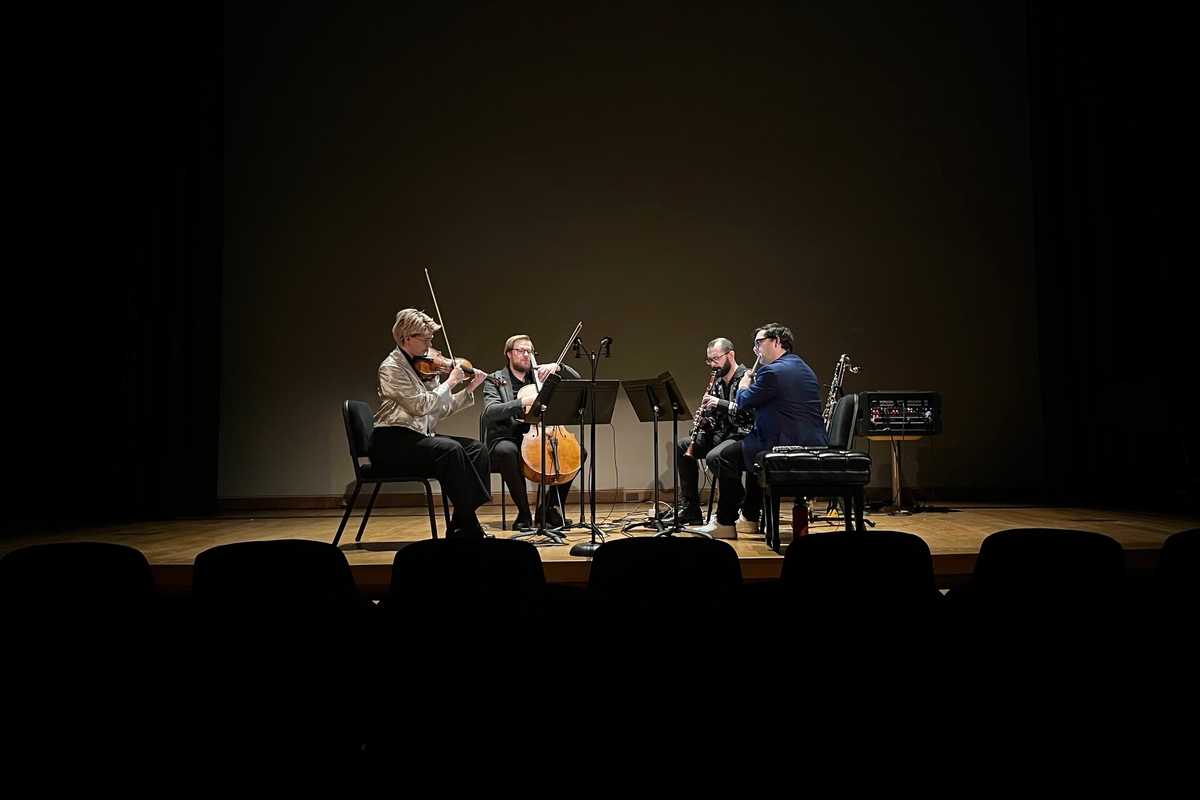
Contemporary chamber musicians, HUB, performing at The Clark.

D.H. Callahan

Northwestern Massachusetts may sometimes feel remote, but last weekend it felt like the center of the contemporary art world.

Within 15 miles of each other, MASS MoCA in North Adams and the Clark Art Institute in Williamstown showcased not only their renowned historic collections, but an impressive range of living artists pushing boundaries in technology, identity and sound.

Keep ReadingShow less
Persistently amplifying women’s voices

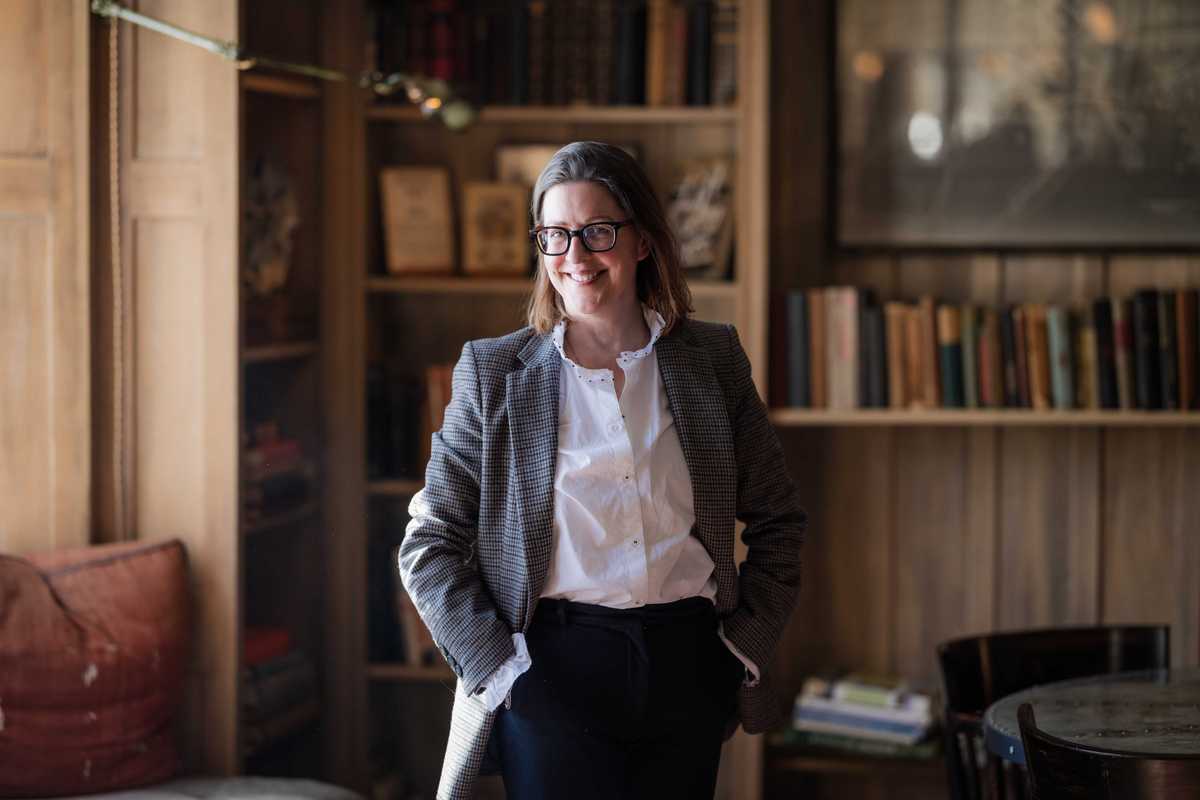
Francesca Donner, founder and editor of The Persistent. Subscribe at thepersistent.com.

Aly Morrissey

Francesca Donner pours a cup of tea in the cozy library of Troutbeck’s Manor House in Amenia, likely a habit she picked up during her formative years in the United Kingdom. Flanked by old books and a roaring fire, Donner feels at home in the quiet room, where she spends much of her time working as founder, editor and CEO of The Persistent, a journalism platform created to amplify women’s voices.

Although her parents are American and she spent her earliest years in New York City and Litchfield County — even attending Washington Montessori School as a preschooler — Donner moved to England at around five years old and completed most of her education there. Her accent still bears the imprint of what she describes as a traditional English schooling.

Keep ReadingShow less
Jarrett Porter on the enduring power of Schubert’s ‘Winterreise’
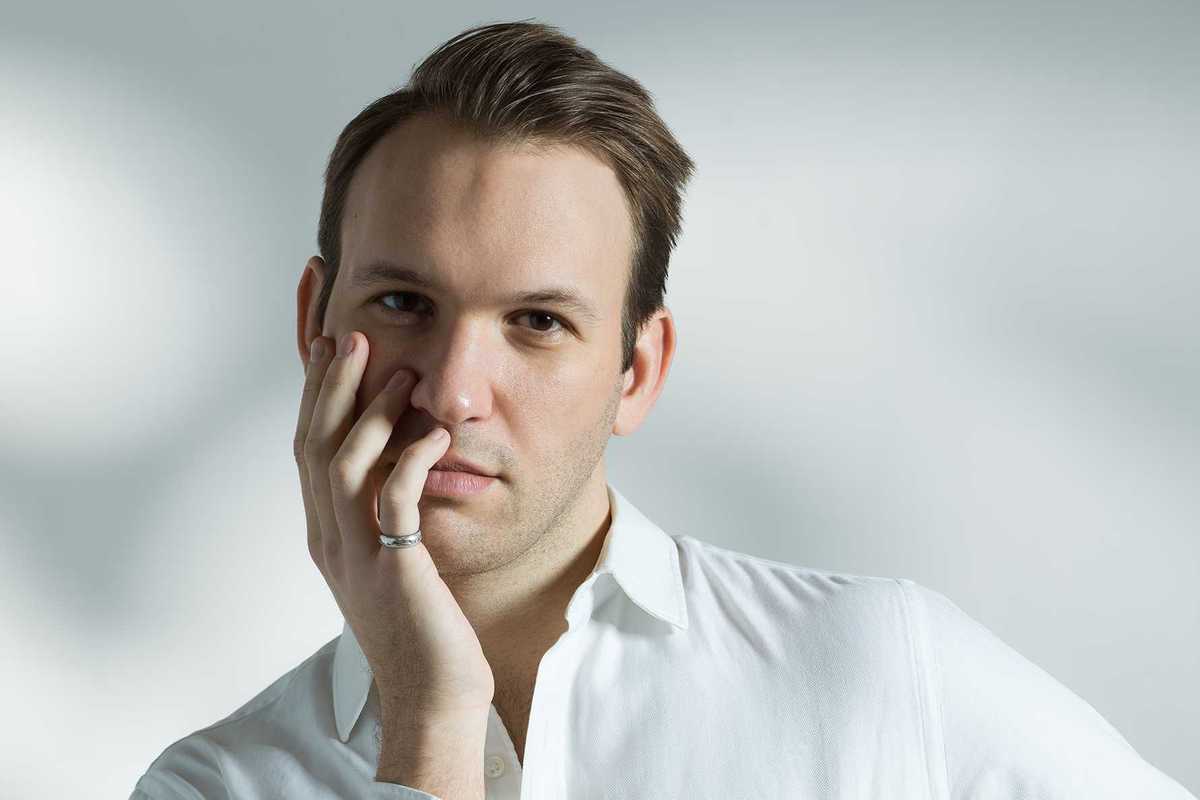
Baritone Jarrett Porter to perform Schubert’s “Winterreise”
Tim Gersten

On March 7, Berkshire Opera Festival will bring “Winterreise” to Studio E at Tanglewood’s Linde Center for Music and Learning, with baritone Jarrett Porter and BOF Artistic Director and pianist Brian Garman performing Franz Schubert’s haunting 24-song setting of poems by Wilhelm Müller.

A rejected lover. A frozen landscape. A mind unraveling in real time. Nearly 200 years after its premiere, “Winterreise” remains unnervingly current in its psychological portrait of isolation, heartbreak and existential drift.

Keep ReadingShow less
google preferred source

Want more of our stories on Google? Click here to make us a Preferred Source.
A grand finale for Crescendo’s 22nd season

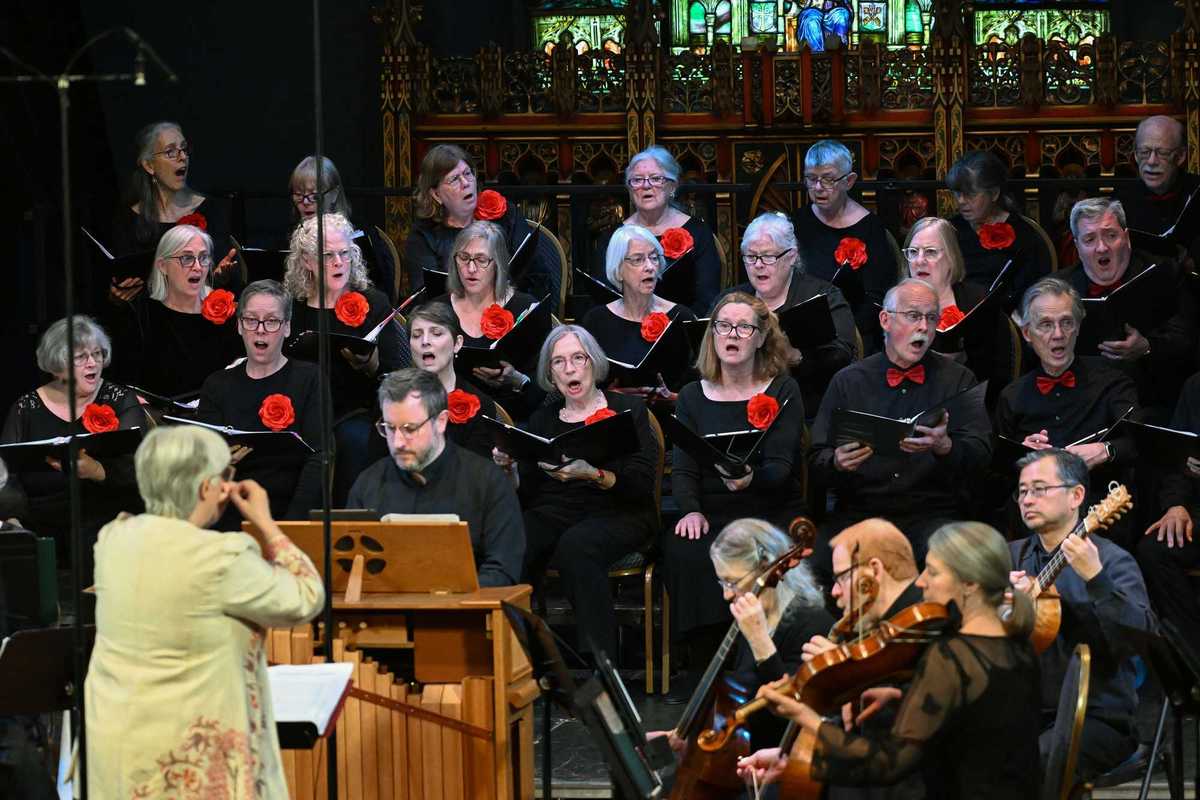
Christine Gevert, artistic director, brings together international and local musicians for a season of rare works.

Stephen Potter

Crescendo, the Lakeville-based nonprofit specializing in early and rarely performed classical music, will close its 22nd season with a slate of spring concerts featuring international performers, local musicians and works by pioneering composers from the Baroque era to the 20th century.

Christine Gevert, the organization’s artistic director, has gathered international vocal and instrumental talent, blending it with local voices to provide Berkshire audiences with rare musical treats.

Keep ReadingShow less

Leopold Week honors land and legacy

Leopold Week honors land and legacy

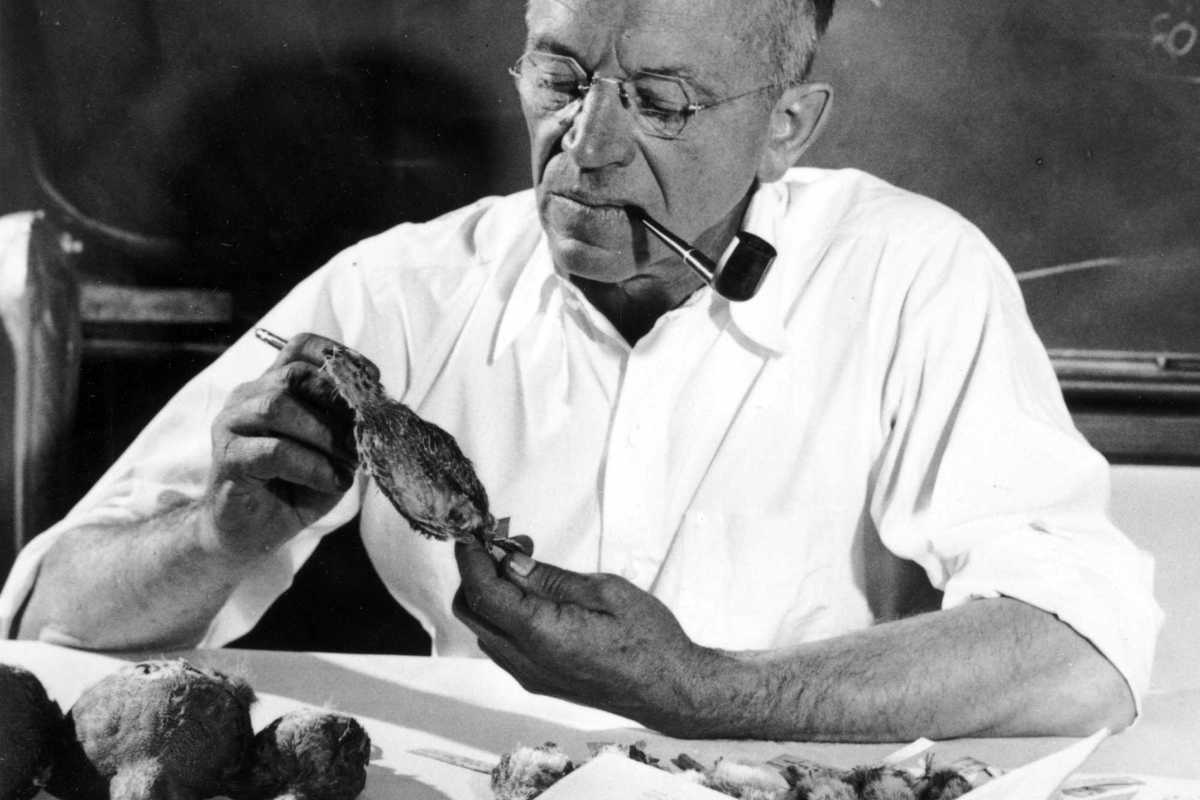
Aldo Leopold in 1942, seated at his desk examining a gray partridge specimen.

Robert C. Oetking

In his 1949 seminal work, “A Sand County Almanac,” Aldo Leopold, regarded by many conservationists as the father of wildlife ecology and modern conservation, wrote, “There are some who can live without wild things and some who cannot.” Leopold was a forester, philosopher, conservationist, educator, writer and outdoor enthusiast.

Originally published by Oxford University Press, “A Sand County Almanac” has sold 2 million copies and been translated into 15 languages. On Sunday, March 8, from 3 to 5 p.m. in the Great Hall of the Norfolk Library, the public is invited to a community reading of selections from the book followed by a moderated discussion with Steve Dunsky, director of “Green Fire,” an Emmy Award-winning documentary film exploring the origins of Leopold’s “land ethic.” Similar reading events take place each year across the country during “Leopold Week” in early March. Planning for this Litchfield County reading began when the Norfolk Library received a grant from the Aldo Leopold Foundation, which provided copies of “A Sand County Almanac” to distribute during the event.

Keep ReadingShow less

Erica Child Prud’homme

Erica Child Prud’homme

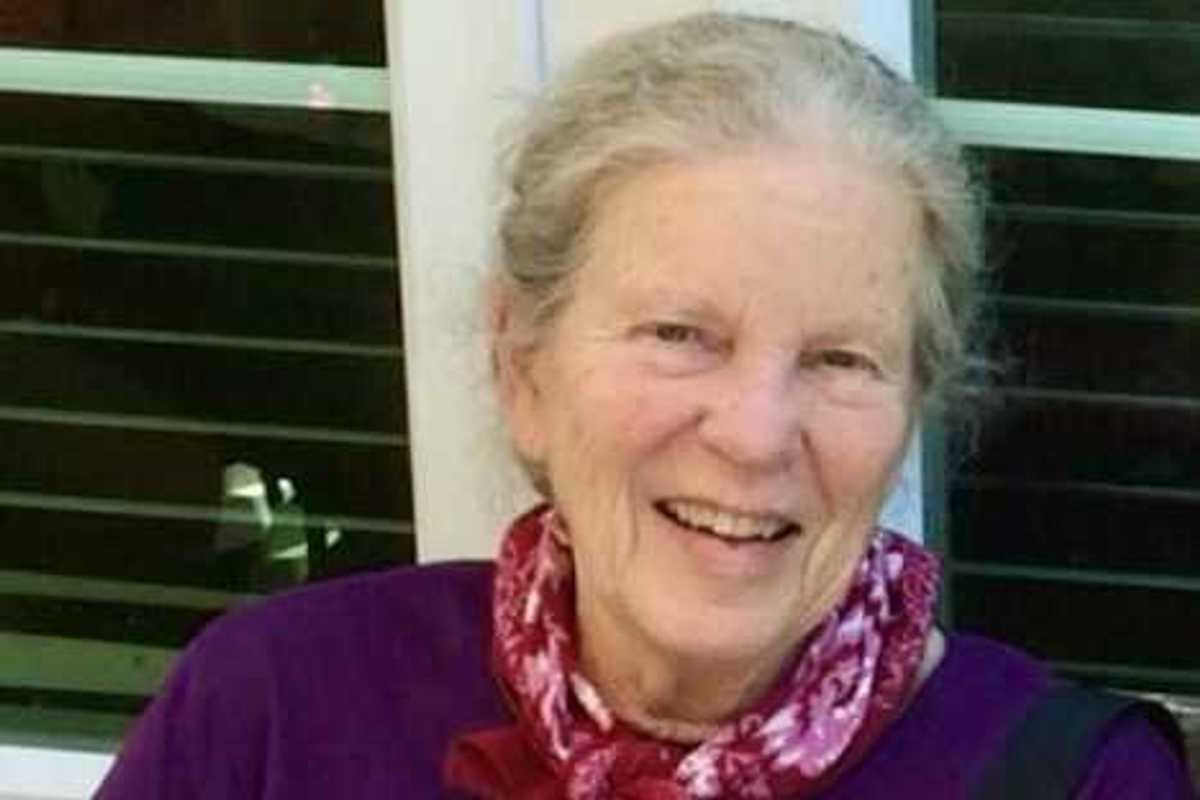
WEST CORNWALL — Erica Child Prud’homme died peacefully in her sleep on Jan. 9, 2026, at home in West Cornwall, Connecticut, at 93.

Erica was born on April 27, 1932, in Doylestown, Pennsylvania, the eldest of three children of Charles and Fredericka Child. With her siblings Rachel and Jonathan, Erica was raised in Lumberville, a town in the creative enclave of Bucks County where she began to sketch and paint as a child.

Keep ReadingShow less
google preferred source

Want more of our stories on Google? Click here to make us a Preferred Source.
google preferred source

Want more of our stories on Google? Click here to make us a Preferred Source.