The road to health-care serfdom

I sensed a bit of frustration during President Obama’s State of the Union address when he said, “The longer it [the health-care overhaul] was debated, the more skeptical people became.†I’m not totally sure what point he thought he was making. After all, it wouldn’t speak well for a proposal if prolonged discussion of its particulars created doubt about its value. But surely he didn’t want to convey that message.

Perhaps he and his speechwriters overlooked that subtle message and had another complaint in mind: Any idea, bad or good, can be talked to death by Congress.

Recall that Obama did not want a lot of talking about his health-care proposal. He wanted a bill fulfilling his ambition to redesign 17 percent of the U.S. economy on his desk before the August congressional recess.

On its face that schedule was ridiculous, not to mention dangerous. Congress is never more threatening than when it rushes. Of course, that deadline was missed, as were the Thanksgiving, Christmas and New Year’s deadlines. He badly wanted this gold star in his first year. He didn’t get it.

Now, with the loss of the Democrats’ 60th vote in the Senate, the once-awesome health-care juggernaut has ground to a virtual halt. Obama’s rush suggests that he didn’t expect Sen. Edward Kennedy to be available for long to cast his pro-overhaul vote and that he feared that if things went on too long, a Republican could win Kennedy’s seat — which is exactly what happened.

u      u      u

Obama’s venting of his frustration brings to mind F.A. Hayek’s classic, “The Road to Serfdom.†That book, published in 1944, argued that if a democratic society seriously pursued central planning of the economy, despotism would inevitably emerge. Hayek’s argument is simple and powerful: Everyone could favor government planning in principle, but that does not mean that everyone favors the same plan in every detail. Yet there can be only one plan.

Legislatures, being the “talk shops†they are, are not likely to dissolve all the differences and arrive at a single plan, certainly not in a timely manner. In such circumstances, it would be tempting to turn to a “strong leader†to seize control of the process and impose a plan.

Thus, in the real world of politics, the choice is between government planning and freedom.

The controversy over health care is a microcosm of Hayek’s thesis. Obama wants Congress to devise a plan for health insurance and, by implication, health-care delivery. A majority in both houses favors having a plan but not the same plan. So the debate has gone on for close to a year.

Fortunately, the American people seem skeptical of government planning and would not tolerate Obama’s assuming the role of “strong man.†So the danger Hayek warned of is small. It also means that comprehensive planning of health insurance and health care is unlikely.

u      u      u

Obama urged his party to keep pushing “reform†despite all that has happened. But in an election year, especially with the Massachusetts omen, it also seems unlikely they will do that.

But that does not mean the threat of further government intervention in health care has passed. While many people have a healthy aversion to a big comprehensive plan, they may be less concerned over what looks like lots of small adjustments — even if they add up to a big comprehensive plan.

Leading Republicans, who like to pretend they are for freedom and strict limits on government power, have long been on record as favoring many individual components of the 2,000-page bills pushed by the Democrats. For example, Republicans favor mandating insurance companies to cover pre-existing conditions — which is welfare, not insurance. They also favor taxpayer subsidies for health insurance and defended Medicare and Medicaid, which together make up close to half the health-care spending in the United States.

The upshot is that what Obama could not get in one big bill, he may well get in a lot of small ones — with Republican votes. Instead of being freed, the health-care market will be deeper in the government swamp.

Outright central planning is not the only road to serfdom.

Sheldon Richman is senior fellow at The Future of Freedom Foundation (fff.org).

Latest News

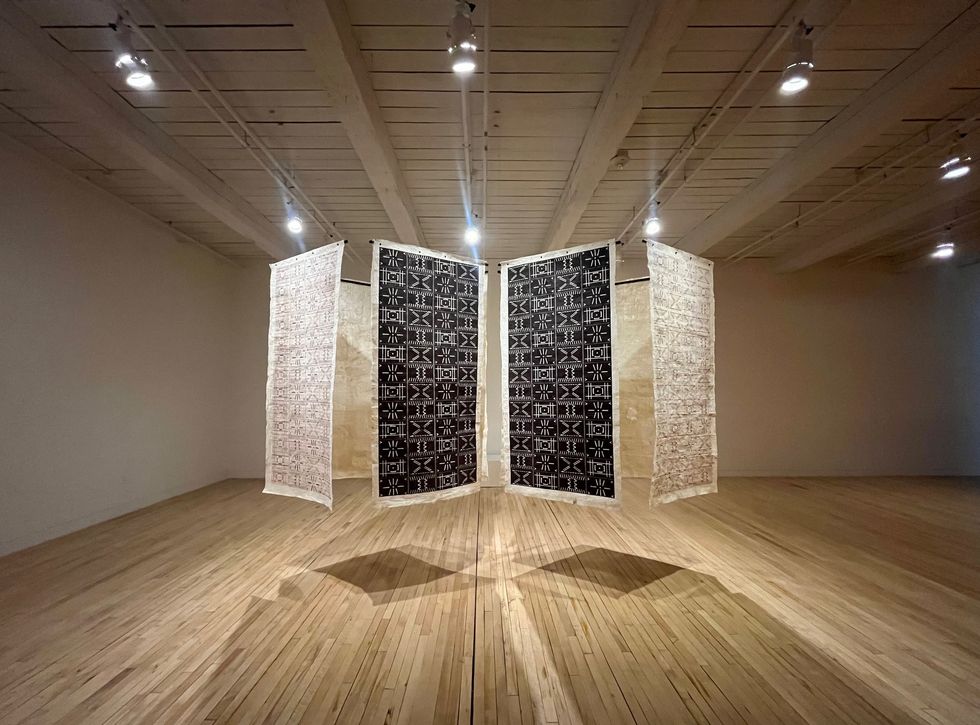
Living art takes center stage in the Berkshires

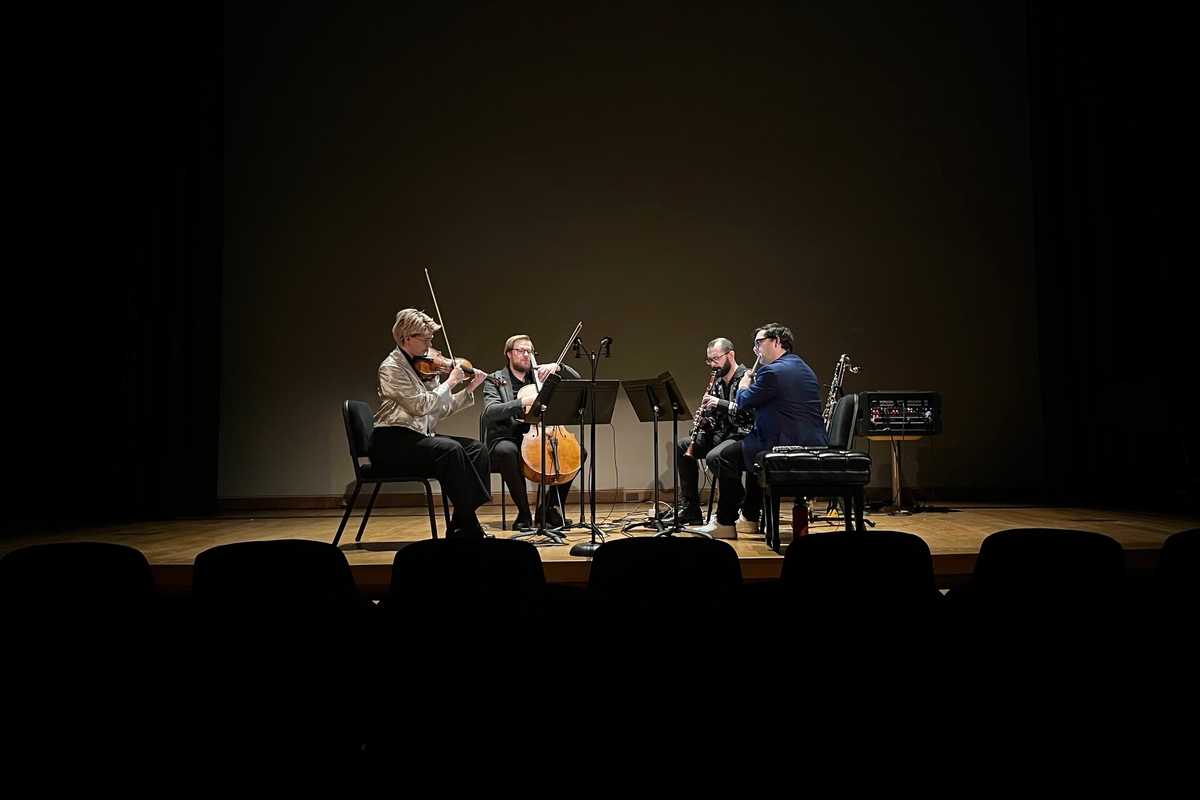
Contemporary chamber musicians, HUB, performing at The Clark.

D.H. Callahan

Northwestern Massachusetts may sometimes feel remote, but last weekend it felt like the center of the contemporary art world.

Within 15 miles of each other, MASS MoCA in North Adams and the Clark Art Institute in Williamstown showcased not only their renowned historic collections, but an impressive range of living artists pushing boundaries in technology, identity and sound.

Keep ReadingShow less
Persistently amplifying women’s voices

Francesca Donner, founder and editor of The Persistent. Subscribe at thepersistent.com.

Aly Morrissey

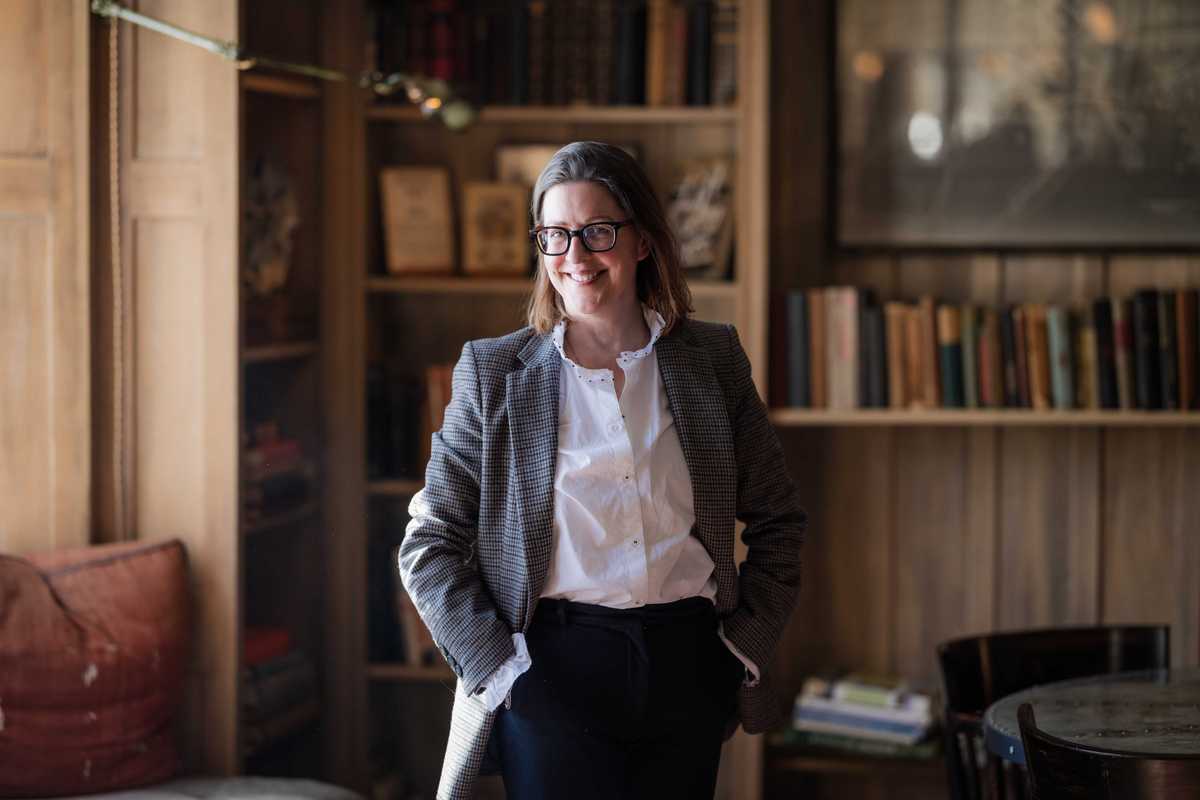
Francesca Donner pours a cup of tea in the cozy library of Troutbeck’s Manor House in Amenia, likely a habit she picked up during her formative years in the United Kingdom. Flanked by old books and a roaring fire, Donner feels at home in the quiet room, where she spends much of her time working as founder, editor and CEO of The Persistent, a journalism platform created to amplify women’s voices.

Although her parents are American and she spent her earliest years in New York City and Litchfield County — even attending Washington Montessori School as a preschooler — Donner moved to England at around five years old and completed most of her education there. Her accent still bears the imprint of what she describes as a traditional English schooling.

Keep ReadingShow less
Jarrett Porter on the enduring power of Schubert’s ‘Winterreise’
Baritone Jarrett Porter to perform Schubert’s “Winterreise”
Tim Gersten

On March 7, Berkshire Opera Festival will bring “Winterreise” to Studio E at Tanglewood’s Linde Center for Music and Learning, with baritone Jarrett Porter and BOF Artistic Director and pianist Brian Garman performing Franz Schubert’s haunting 24-song setting of poems by Wilhelm Müller.

A rejected lover. A frozen landscape. A mind unraveling in real time. Nearly 200 years after its premiere, “Winterreise” remains unnervingly current in its psychological portrait of isolation, heartbreak and existential drift.

Keep ReadingShow less
google preferred source

Want more of our stories on Google? Click here to make us a Preferred Source.
A grand finale for Crescendo’s 22nd season

Christine Gevert, artistic director, brings together international and local musicians for a season of rare works.

Stephen Potter

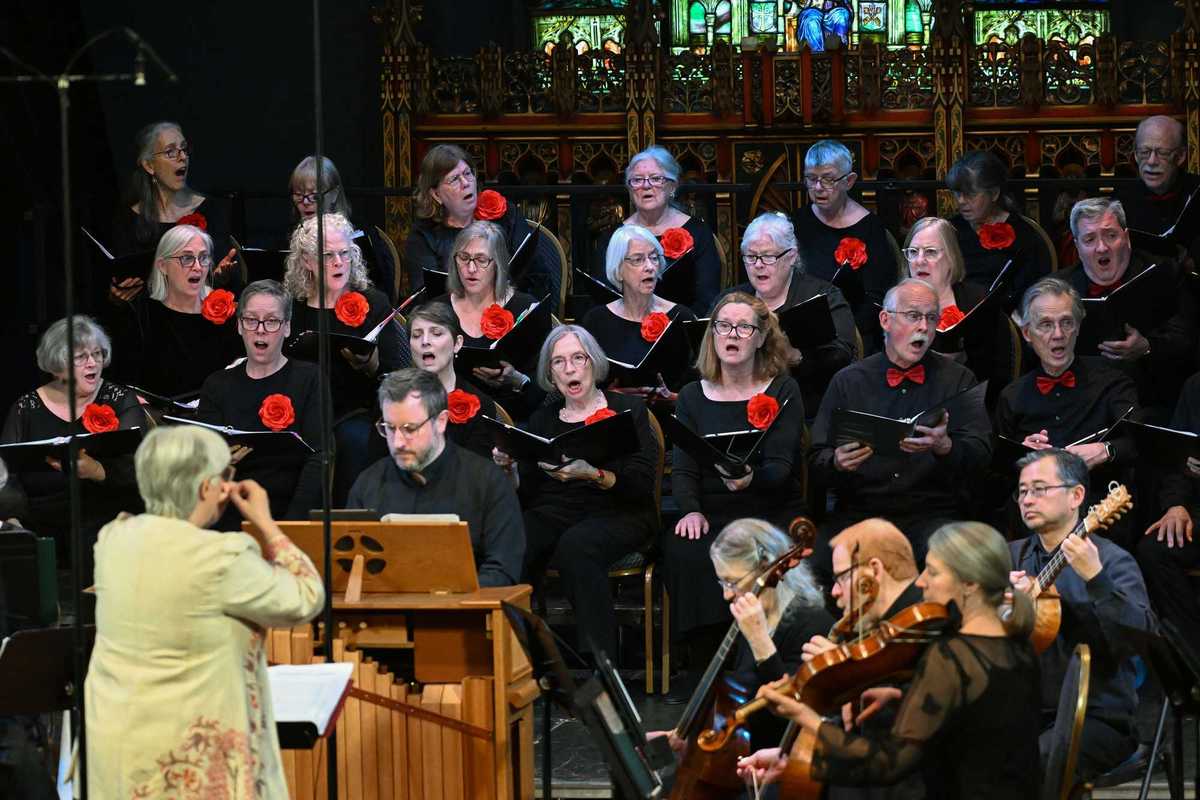
Crescendo, the Lakeville-based nonprofit specializing in early and rarely performed classical music, will close its 22nd season with a slate of spring concerts featuring international performers, local musicians and works by pioneering composers from the Baroque era to the 20th century.

Christine Gevert, the organization’s artistic director, has gathered international vocal and instrumental talent, blending it with local voices to provide Berkshire audiences with rare musical treats.

Keep ReadingShow less

Leopold Week honors land and legacy

Leopold Week honors land and legacy

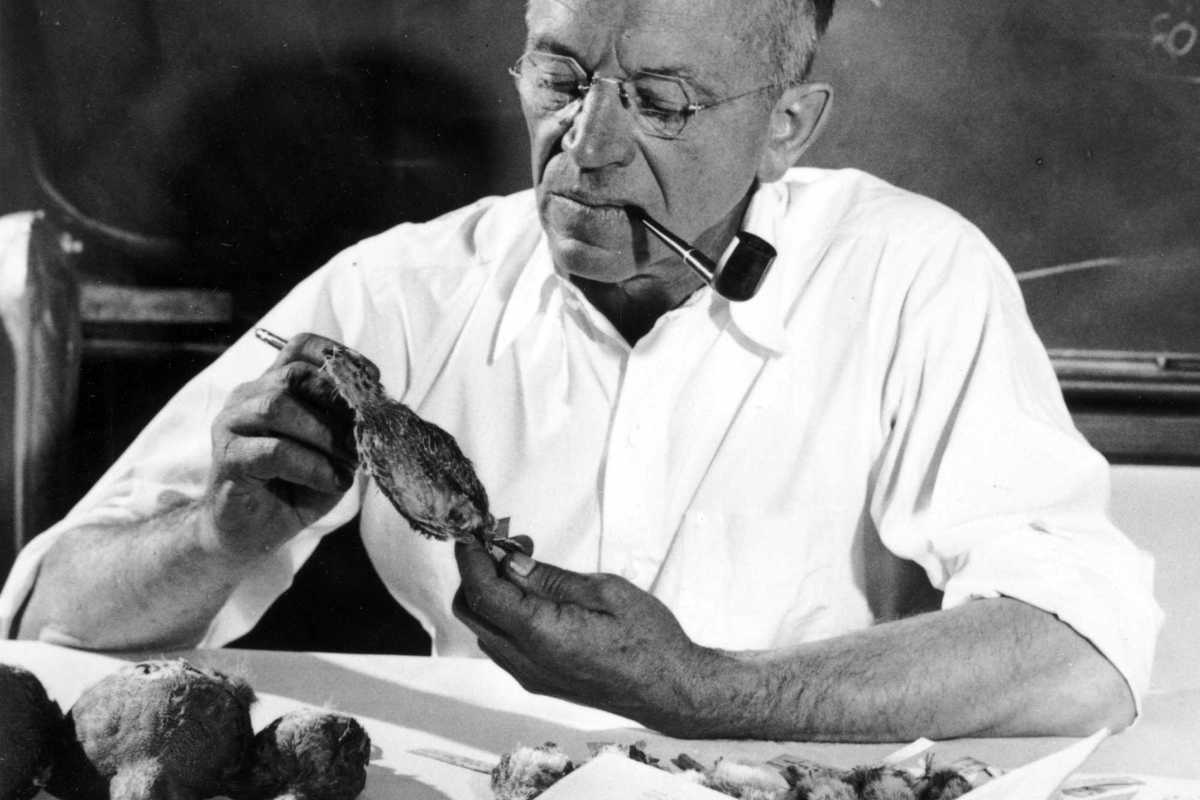
Aldo Leopold in 1942, seated at his desk examining a gray partridge specimen.

Robert C. Oetking

In his 1949 seminal work, “A Sand County Almanac,” Aldo Leopold, regarded by many conservationists as the father of wildlife ecology and modern conservation, wrote, “There are some who can live without wild things and some who cannot.” Leopold was a forester, philosopher, conservationist, educator, writer and outdoor enthusiast.

Originally published by Oxford University Press, “A Sand County Almanac” has sold 2 million copies and been translated into 15 languages. On Sunday, March 8, from 3 to 5 p.m. in the Great Hall of the Norfolk Library, the public is invited to a community reading of selections from the book followed by a moderated discussion with Steve Dunsky, director of “Green Fire,” an Emmy Award-winning documentary film exploring the origins of Leopold’s “land ethic.” Similar reading events take place each year across the country during “Leopold Week” in early March. Planning for this Litchfield County reading began when the Norfolk Library received a grant from the Aldo Leopold Foundation, which provided copies of “A Sand County Almanac” to distribute during the event.

Keep ReadingShow less

Erica Child Prud’homme

Erica Child Prud’homme

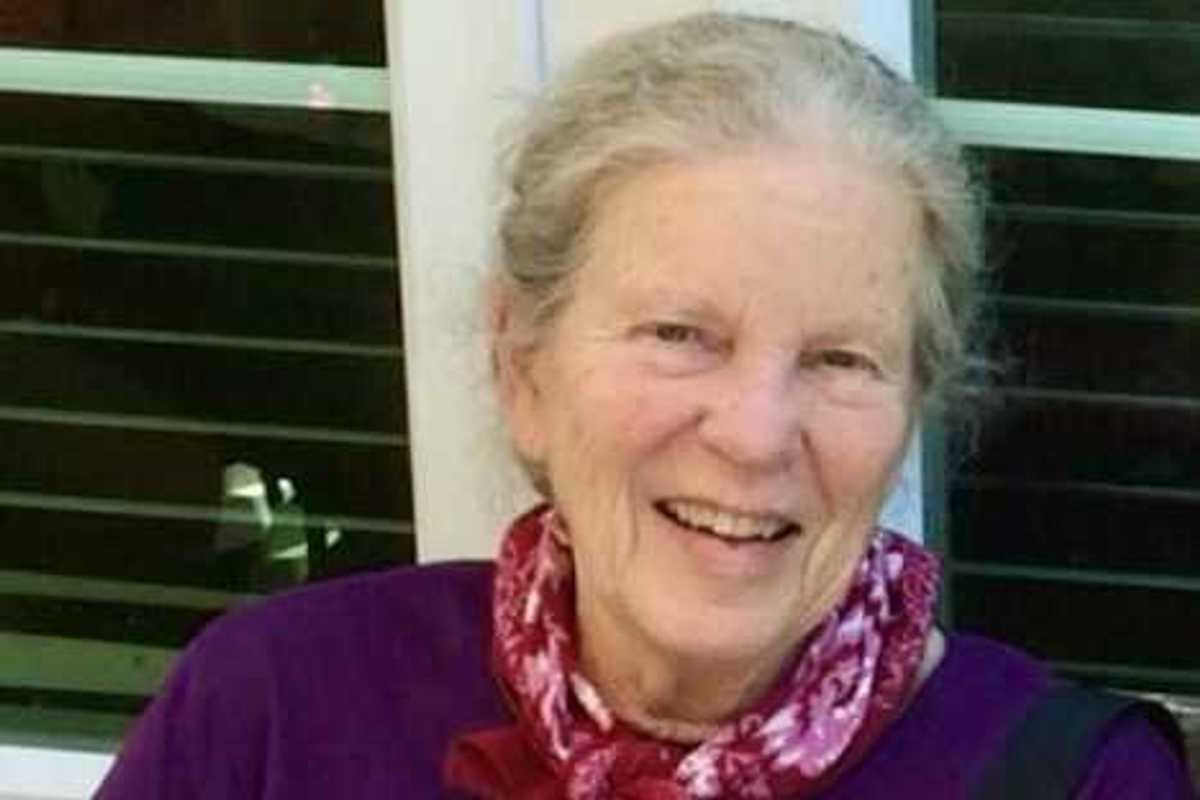
WEST CORNWALL — Erica Child Prud’homme died peacefully in her sleep on Jan. 9, 2026, at home in West Cornwall, Connecticut, at 93.

Erica was born on April 27, 1932, in Doylestown, Pennsylvania, the eldest of three children of Charles and Fredericka Child. With her siblings Rachel and Jonathan, Erica was raised in Lumberville, a town in the creative enclave of Bucks County where she began to sketch and paint as a child.

Keep ReadingShow less
google preferred source

Want more of our stories on Google? Click here to make us a Preferred Source.
google preferred source

Want more of our stories on Google? Click here to make us a Preferred Source.