LAKEVILLE — Emma Sisk, a seventh grade student at Salisbury Central, began to develop a passion for birding at age nine. Then, during the pandemic, she started going on nature walks with her mother, and attending online seminars at the Sharon Audubon Center.
“I’ve got a whole bookshelf of birding books. Sometimes they end up just scattered allover my floor,” she said. “We were in Florida recently…We saw some roseate spoonbills, and they’re awesome.”
On Saturdays, she can be found volunteering at Sharon Audubon—working on and learning about wildlife care and rehabilitation with Bethany Sheffer, Volunteer Coordinator and Naturalist.
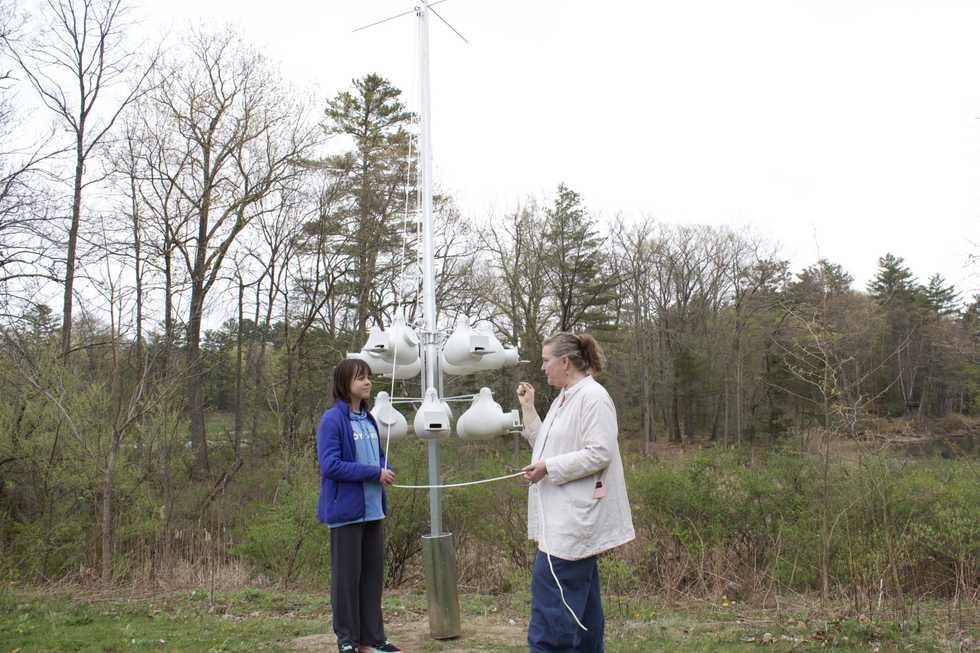
When it came time for Emma to work on a special project as part of her volunteering, she choose to help erect a purple martin complex.
Purple martins, named for the distinctive purple plumage of the males, are aerial insectivores, meaning they feed only on insects and catch their food on the wing. They’re also colony birds, nesting in groups.
Aerial insectivores are declining in North America, mostly due to habitat loss, and dwindling food sources. And though purple martin populations have generally followed that downward trend, thanks to more recent conservation efforts, their population has stabilized, and they were downlisted in Connecticut from a state threatened species to a species of special concern in 2015.
Sheffer was able to connect Emma with Jennifer Rinehart, Environmental Instructor at The Hotchkiss School, to find a place on campus to put the martin colony—which looks something like a fire house siren crossed with a pigeon.
With the help of Laurie Doss, a local purple martin expert, they chose a small site near the forest’s edge. As for the future of Emma’s martin complex, she will continue to work with Rinehart and Sheffer to improve and monitor the site.
And though it might be a take a while (Sheffer had informed them that it took nearly a decade for purple martins to take up residence in Sharon Audubon’s structures), those efforts will involve banding and monitoring the birds that make their nest there.
The hope is to contribute to an understanding of their migratory patterns—but also, according to Emma’s mother Michelle Sisk, to work with fledglings. Michelle Sisk said her daughter “has come to consider the resident birds at Audubon kindred spirits, particularly a dove named Paloma and a wood duck named Darnell!”
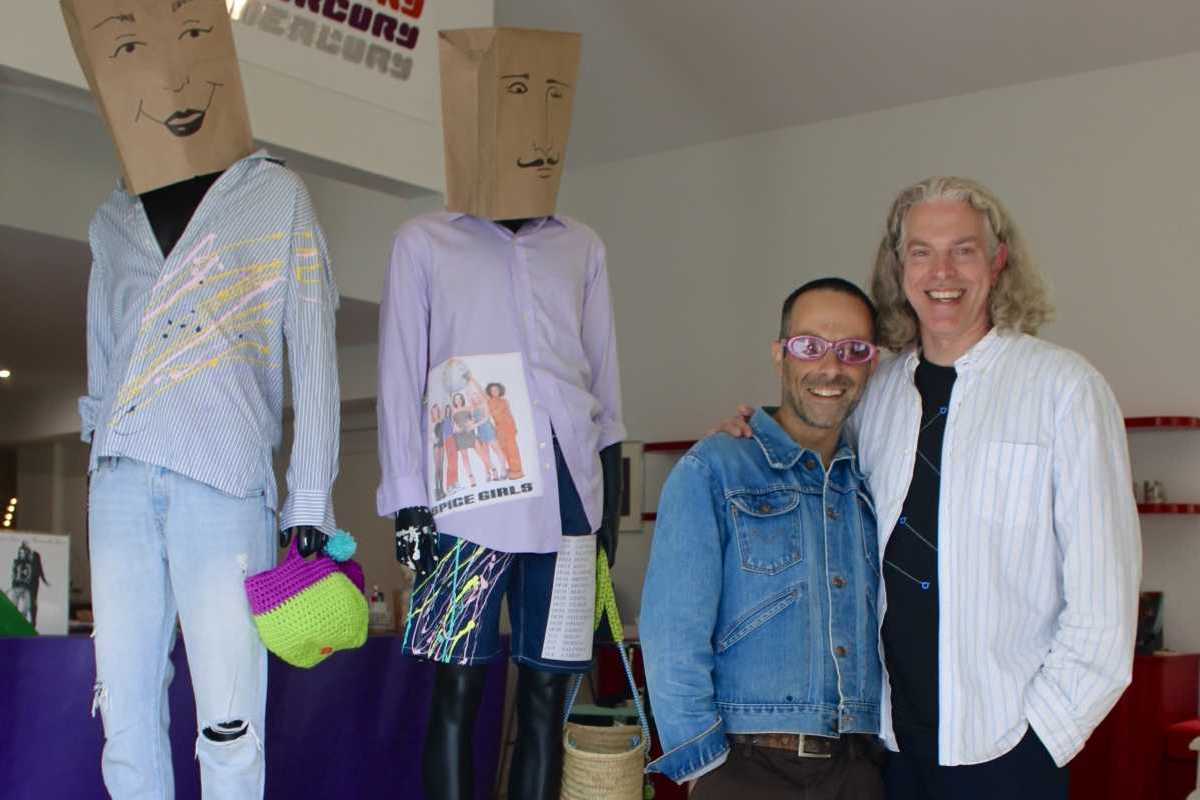
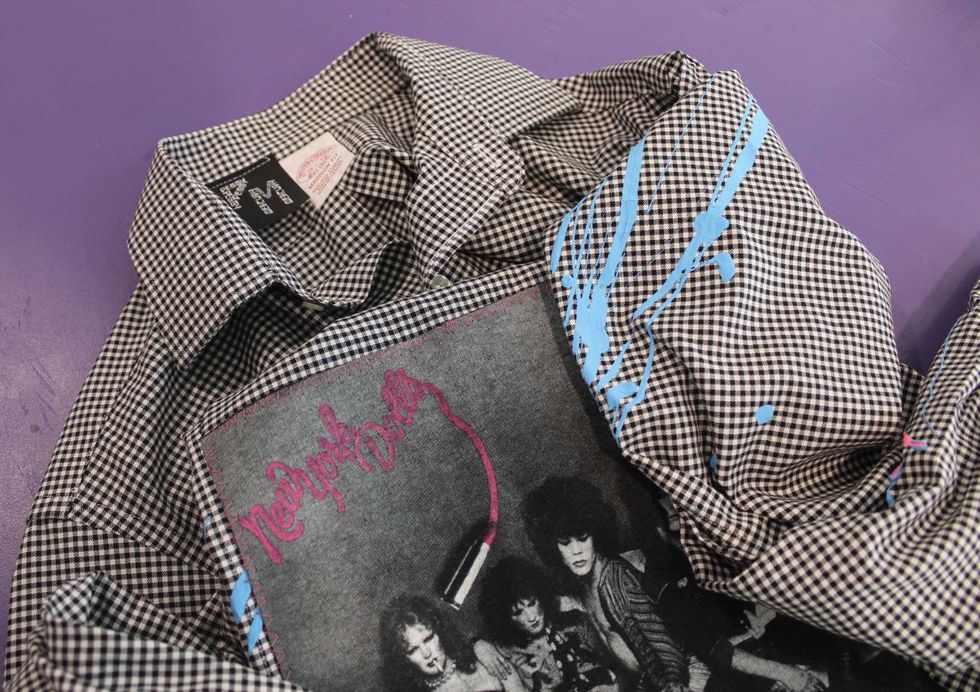 Classic styles, bold colors, and creative concerts make up the “Imaginary Concerts” line at Peggy Mercury.Provided
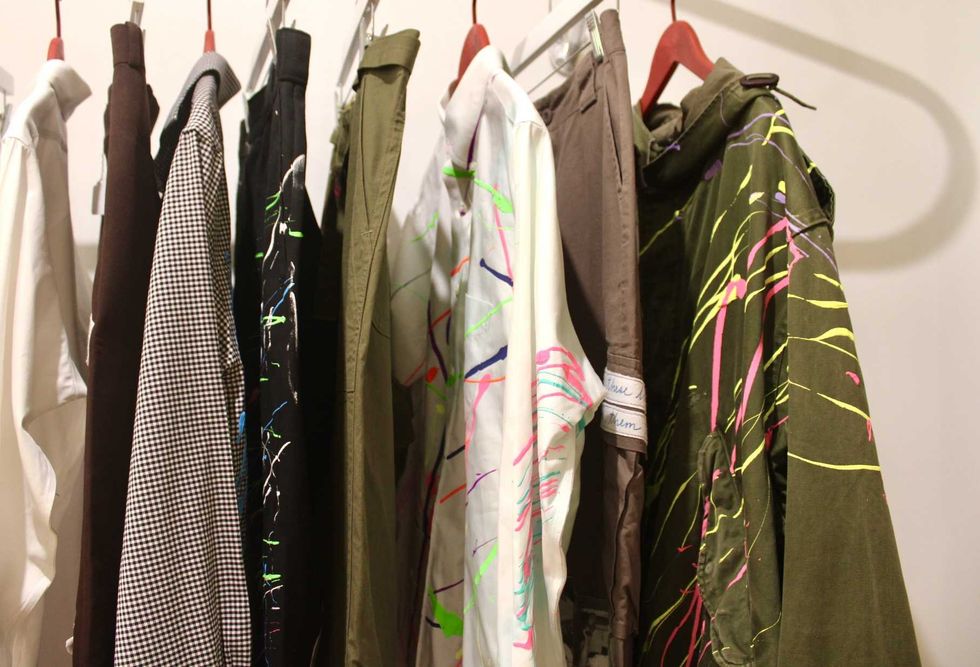 Shirts from Peggy Mercury’s first fashion line, “Imaginary Concerts,” hang on display.Provided