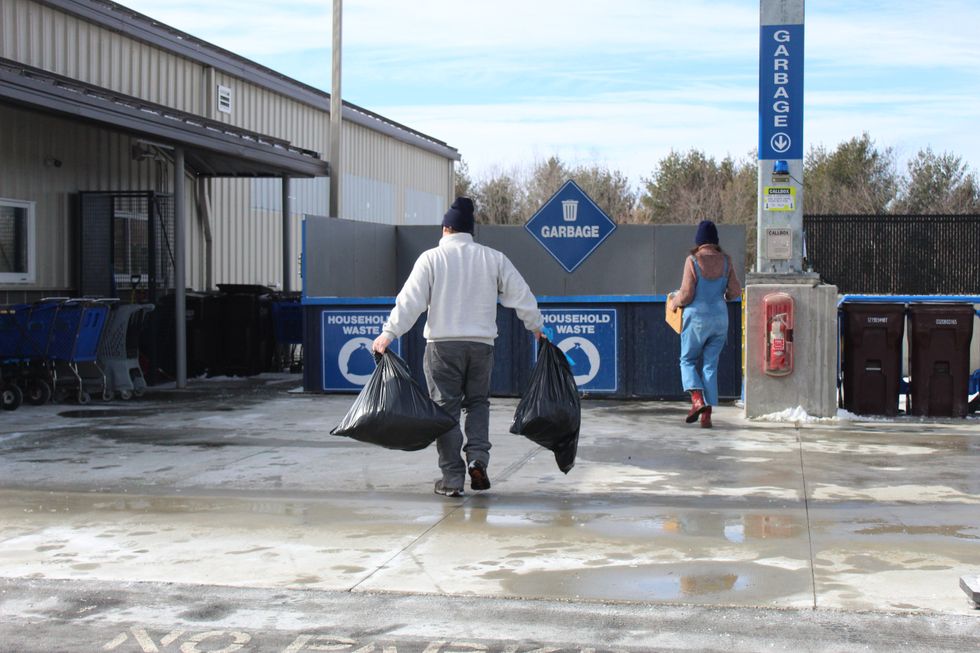
SALISBURY — It’s hard to imagine that it would ever get to this point. Up until recently, what we did with our waste in most of the Northwest Corner was quite simple: we bought a sticker at town hall, separated the trash from the recyclables, and took it all to the transfer station, where they would be taken care of.
Anything that might be reusable went into the Swap Shop, a dusty room full of what most people considered junk, but that others saw as an opportunity for reuse. The recyclables were turned over to a company that hauled them away to a facility that separated them, cleaned them and broke them down. If the towns were lucky, the recycling hauler would pay something for the privilege. The trash was sent to an incinerator in Hartford for a fee. End of story.
Before our towns started sending their garbage — known formally in Connecticut as municipal solid waste (MSW) — to incinerators, they deposited them in their own landfills. But by the 1990s, Connecticut had closed almost all of its dumps.
Most of the towns simply converted their landfills to transfer stations. Since 1975, Salisbury and Sharon operated a shared transfer station on land leased from The Hotchkiss School. That changed when the two towns leveraged their partnership to build a new $4.8-million transfer station on Route 44 near the New York state line.
The only landfill of any size remaining in the state is in Putnam, where a massive dump receives nearly 600,000 tons of ash per year from trash-to-energy plants such as the one that burns our waste in Hartford.
Now the situation has become much more complicated and likely much more expensive for our towns. Using two General Electric turbines that date back to the 1950s, the aforementioned trash-to-energy incinerator burns garbage and turns it into electricity — 45 megawatts, to be exact — enough to power 35,000 homes.
Located in the North Meadows section of Hartford and operated by the quasi-public Materials Innovation and Recycling Authority (MIRA), the facility we send our garbage to is on its last legs.
MIRA’s aging trash-to-energy plant, which handles an estimated 35% of the state’s waste, broke down in 2018 and was out of commission for several months, causing MIRA and its member towns, including Salisbury and Sharon, to scramble. Meanwhile, thousands of tons of garbage began to pile up inside and outside the aging facility.
“It was nerve-wracking,” MIRA President and CEO Thomas D. Kirk told the CT Mirror’s Tom Condon. “Thank God we didn’t have a fire.”
After a temporary fix in 2019, MIRA came up with a plan to replace the plant to the tune of $330 million. The administration of Gov. Ned Lamont practically laughed the proposal right out of the Capital City.
So MIRA’s board made the decision to shut down the trash-to-energy plant and use the property as a glorified transfer station from which to ship the garbage out of state for its remaining member towns.
MIRA’s problems, however, did not start with its busted incinerator. MIRA, formerly known as the Connecticut Resources Recovery Authority (CRRA), prompted ridicule, contempt and cries of injustice when, during the administration of then-Gov. John Rowland, it made an ill-fated $220 million loan to Enron, the energy-trading giant that later went belly-up in an accounting scandal.
When Enron defaulted, CRRA raised its tipping fees to cover its losses, resulting in a protracted and costly lawsuit from its then-70 member towns seeking compensation for the overcharging. The authority finally settled the suit for $21 million.
As one might expect, the antipathy between CRRA and its member towns extends well beyond an ill-advised and unsecured loan to a corrupt corporation. To wit, the authority took legal action in 2006 to try to stop the Salisbury-Sharon transfer station from sending its recyclables to a third party that paid the two towns for the raw materials.
Since it was accepting garbage from the two towns, CRRA insisted it was entitled to taking their paper recyclables as well. What was the price CRRA was willing to pay? Nothing. Town officials said the arrogance was staggering.
“They said they would take our junk mail and not charge us for it,” then-First Selectman Val Bernardoni quipped to this reporter. “They have 70 towns under contract; they’ll make a bundle.”
So it’s safe to say that there’s no reservoir of goodwill among MIRA’s member towns, including those in the Northwest Corner, which relies heavily on the authority. That’s probably why the Lamont administration wanted no part of approving MIRA’s pricey proposal to build a new incinerator. And reputation management might very well be the main reason the General Assembly allowed CRRA to change its name. If you Google MIRA, you won’t find much about its past problems as CRRA.
And so we find ourselves in quite a pickle. The costs of operating our transfer stations will rise — perhaps sharply. Thanks to COVID-related money from the federal government, states and municipalities can probably foot the bills in the short term.
But the day of financial reckoning will arrive soon enough. Last spring, MIRA put out requests for bids for contractors to haul away the waste from its facility. MIRA President and CEO Thomas Kirk told Condon its current disposal rate for garbage is $105.
If the 49 member towns don’t jump ship, Kirk forecasts a tipping fee of $114-$119 a ton in the first year of a five-year disposal contract, going to $139 in the fifth year. That rate could rise by $15 if more towns bail out on MIRA, or it could rise by even more if, as expected, MIRA must ship waste to landfills as far away as Alabama or Michigan. To give you a sense of perspective, as recently as 2019, the cost was $83 per ton.
With antiquated systems for collecting fees and perverse incentives for recycling still in place in our towns, the current trajectory is clearly unsustainable. What can we do? Stay tuned.
This is the first of a two-part series on Connecticut’s waste crisis and how it affects the Northwest Corner.


 Tiffany Lemelin, shelter manager, brushing Marsala upon arrival.Provided
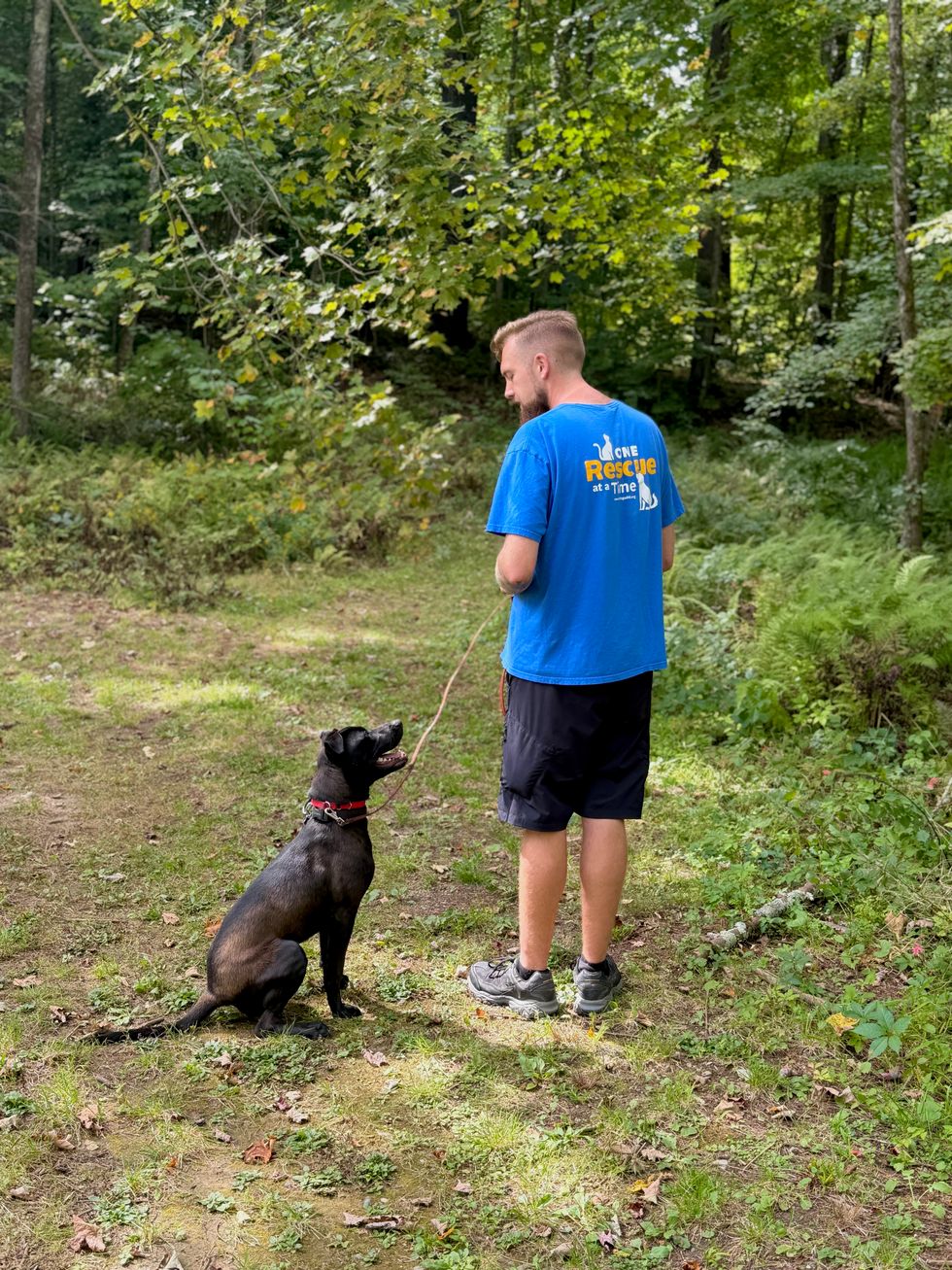 Michael DeBarba, certified dog trainer working with Marsala.Jennifer Almquist
 Marsala wins a heart.Jennifer Almquist
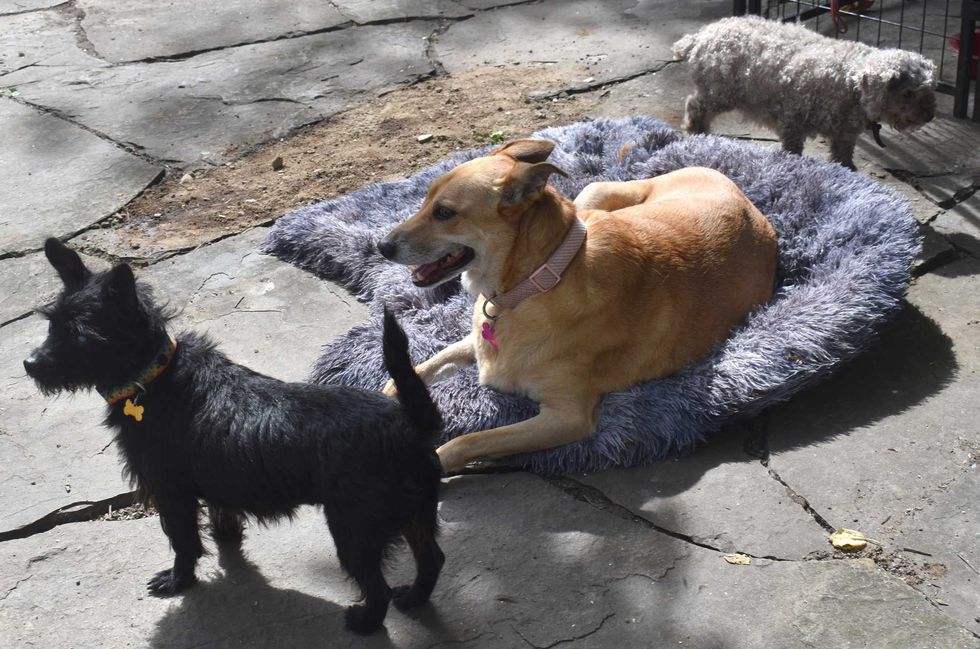 Sadie, center, a Carolina dog, plays with her friend Negra, a terrier mix. Bella Linda, the small poodle, has since been adopted.L. Tomaino
 Wesley, a young, exuberant mix, is looking for an active home.L. Tomaino
 Bonnie and Clyde, an affectionate terrier pair.L. Tomaino
 Provided