AMESVILLE — The man who engineered the most recent fix of the one-lane bridge that connects Salisbury to Falls Village came by for another look last week, some 25 years after his last visit.
On Friday morning, Dec. 17, Tim Downs (head of the town crew) and Lou Timolat (Board of Finance member and former first selectman) of Falls Village were underneath the bridge on the Falls Village side, with Jai B. Kim, emeritus professor of civil and environmental engineering at Bucknell University.
Bob Green of Lime Rock, who along with Timolat has been interested in getting Kim’s input, was able to track the professor down and arrange the visit. Green is a former race car driver and now runs the Survive the Drive safe driving courses for teens.
“Dr. Kim’s got some ideas on that bridge,� said Timolat. “I hope we can bring him back.�
Kim refused payment for his visit, Timolat added. “He was very firm about that.�
Kim did, however, get a free lunch out of the deal at the Falls Village Inn after the visit to the bridge. (The town of Salisbury picked up the tab.)
Timolat said the Connecticut Department of Transportation managed to lose their records of Kim’s 1984 work on the bridge, but the professor had copies of some of the materials, including a maintenance regimen that Timolat said “wasn’t really followed.�
In October the boards of selectmen of Salisbury and Falls Village met to discuss the fate of the bridge. Salisbury First Selectman Curtis Rand noted that the bridge is under continued and not particularly friendly scrutiny from the state Department of Transportation (which ordered it closed in June 2008).
Salisbury is taking the lead on repairing the bridge, and engineer Steve McDonald said that one option is to seek federal funds to fix it.
However, a federal local bridge program could provide a grant covering 80 percent of the cost of replacing the structure — but it would probably involve widening the bridge to two lanes. Presumably, the small single-lane roads leading to the bridge would also have to be widened.
Timolat said the state had floated that idea in 1984. “The Department of Transportation engineer said he admired our “bucolic aspirations,’� he said.
“But they offered us a two-lane cement slab.�
There might be other options. McDonald said at the October meeting that other towns such as Canton and Farmington have come to successful arrangements with bridges of historic importance.
And there is the possibility of enlisting Kim, which would probably cost significantly less money; Timolat regards the engineer with something approaching reverence.
“When we think about engineering we think about nuts and bolts,� he said. “He thinks of it as artifacts of our history.�





 Tiffany Lemelin, shelter manager, brushing Marsala upon arrival.Provided
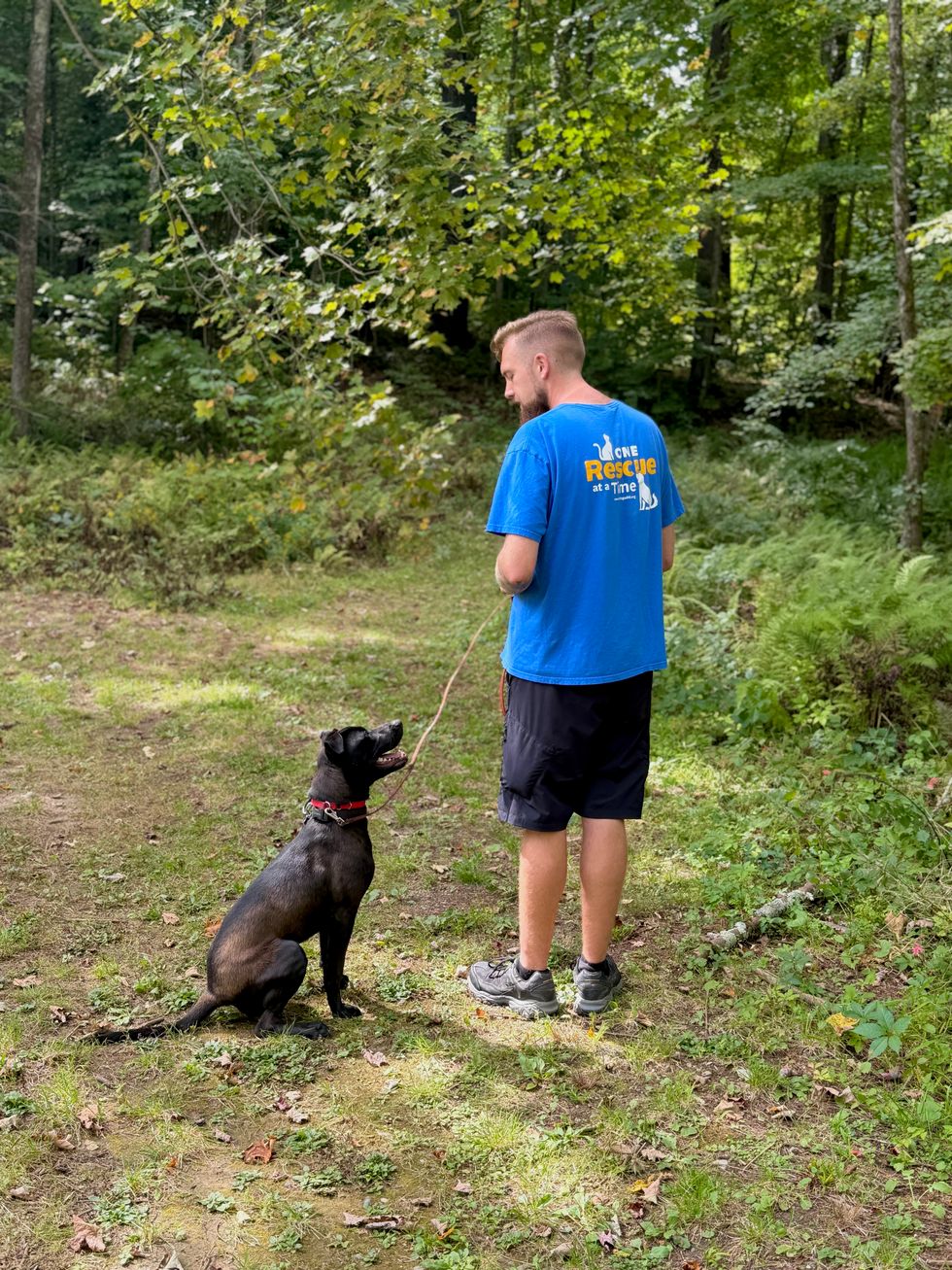 Michael DeBarba, certified dog trainer working with Marsala.Jennifer Almquist
 Marsala wins a heart.Jennifer Almquist