Sharon Hospital: Officials are upbeat despite drop in income

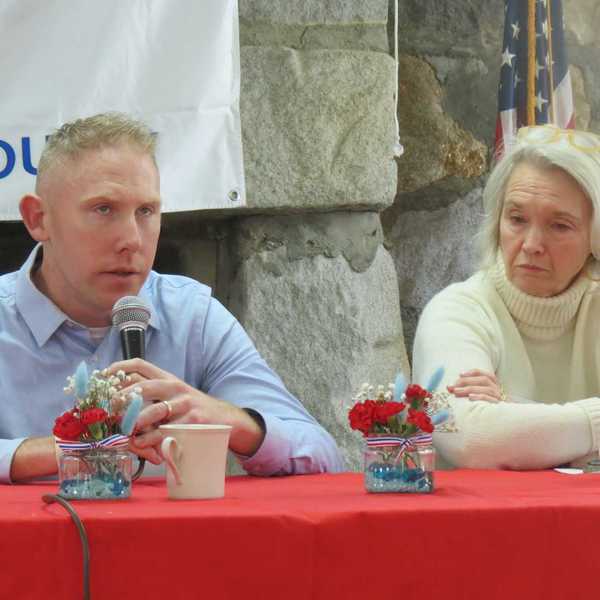
SHARON, Conn. — Sharon Hospital has released its annual report, which shows a significant decrease in income for the past fiscal year (which ended Dec. 31, 2013).The hospital suffered in particular from the federal sequestration and from cuts in funding and reimbursements from the state of Connecticut. During 2013, the hospital lobbied hard for a change to a tax levied on hospitals; previously, hospitals had been reimbursed by the state for a large portion of what was known as the provider tax. Under a new plan implemented by the state, those reimbursements were substantially reduced and will continue to be reduced over the next few years. The cuts were particularly hard for Sharon, which is at present the only for-profit hospital in Connecticut. It is owned by RegionalCare, based in Brentwood, Tenn., and is backed by the private equity firm Warburg Pincus.In a meeting with The Lakeville Journal at the hospital on Wednesday, June 11, Chief Financial Officer Mark Reyngoudt said that the new tax system is a burden for Sharon because it — unlike the approximately 30 not-for-profit hospitals in the state — already pays substantial real estate and sales tax. In addition to being the top employer in the town, Sharon Hospital is also Sharon’s top taxpayer. The company contributed $293,000 in property taxes in 2013. The additional tax payments to the state increased the financial pressure on the hospital, which made little or no progress on key operating metrics and only reported a small profit for the year.Some relief in storeThe hospital declined at the June 11 meeting to present a forecast for 2014, but it got some good news last week in the form of sales tax relief for the hospital. Thanks in large part to efforts by Connecticut state Rep. Roberta Willis (D-64) and state Sen. Clark Chapin (R-30), a bill was passed at the end of this year’s legislative session that says Sharon Hospital will no longer have to pay sales tax on goods or services that it purchases. “We are very thankful to Roberta Willis and Clark Chapin for their help,” said Kimberly Lumia, Sharon Hospital’s president and chief executive officer.The exemption is good for the next three years and, Reyngoudt said, will give the hospital approximately $50,000 each month in sales tax relief. Meanwhile, the hospital is looking for other ways to cut expenses and generate revenue. For instance, the hospital owns several pieces of real estate in the town, such as the Good Neighbors building on Low Road, in addition to buildings on Hospital Hill Road.Three properties are for sale now. Earlier this spring, two other properties that were not being used by the hospital were sold: One is on Amenia Road and was sold for $345,000 and another, on Hospital Hill Road, sold for $125,000.Fewer ER visitsAt the June 11 meeting, the hospital officials made clear that they believe Sharon Hospital is succeeding at providing care but has been less successful at turning a profit. According to the annual report, the hospital posted a net income of $82,795 in 2013. That compares to net income of $1,449,965 reported in 2012.On the patient side, there has been an increase in the number of Medicaid patients — but no increase in reimbursements to the hospital for those patients.The hospital continues to accept all patients regardless of their ability to pay. Lumia said it’s the hospital’s “mission and vision to take care of people.”She also observed that, despite the new health-care exchanges, “There are still a lot of self-pay and no-pay patients out there.” Patients now seem to be waiting longer to seek medical attention, the hospital administrators said. There has been a decrease in visits to the emergency room but an increase in the acuity of patient needs when they do arrive. In 2013, according to the annual report, the number of inpatient admissions, total patient days, surgical procedures and emergency visits was essentially flat. “People are becoming much more careful about how they spend their health-care dollars,” said Lumia. “They’re no longer coming into the ER for minor concerns, the way they did in the past.”She added that, “Some 70 percent of inpatients come to the hospital through the ER.” This puts pressure on the hospital’s budget as well, which Reyngoudt said is based on an estimated 2 to 3 percent growth annually. Making the numbers workThe hospital has already done significant cost-cutting, including staff layoffs in 2012. The administrators said no additional layoffs are planned for now. Reyngoudt said the hospital is negotiating with vendors to reduce their prices by on average as much as 20 to 40 percent, and looking for ways to increase traffic for its various services. “We’ve always been very efficient in managing the costs of care,” said Jill Musselman, Business Development and Communications Officer for the hospital. “But the landscape of health care has changed with the affordable care act. We have to continue to evolve how we do business and improve patient care.”The hospital is also making efforts to reduce electricity costs, in part with help from Sharon First Selectman Brent Colley, who is helping to get a C-PACE grant for energy efficiency efforts.Positive growthRecent capital investments that have paid off for the hospital include the expansion of the maternity wing and the emergency room. The hospital is also planning to substantially grow its senior behavioral health unit, which at present has 12 beds — and a waiting list. Patients in this wing come in with problems associated with Parkinson’s and Alzheimer’s disease, depression, dementia and other medical and pyschological conditions. The average stay in the unit is 10 to 11 days, Reyngoudt said. The hospital is also looking for growth in its wound care and radiology departments.Hospital executives would not provide a glimpse of what they expect in 2014, other than to say that shortfall from the sequester and growth of the provider tax could shave an additional $361,000 from last year’s essentially break-even results. The layoffs of 2012 took place at time when Essent Healthcare gave ownership of Sharon Hospital to RegionalCare Hospital Partners, a group of eight non-urban for-profit hospitals that had been founded in 2009 with a $300 million investment from the private equity firm Warburg Pincus. For-profits could increaseAlthough Sharon is the only for-profit hospital in the state at present, that is likely to change. Legislation that passed at the end of this session in Hartford will make it easier for hospitals to convert to for-profit. That means that hospitals in Bristol, Manchester, Vernon and Waterbury can be acquired by Tenet Healthcare, a national for-profit company that has expressed interest in them.“Several hospitals in the state are struggling and need financial help, and this is a way to get that,” Lumia observed. “For the survival of those hospitals, for them to get the money they need is a great thing.”She noted that 40 percent of hospitals in America are for-profit institutions.“It’s only in Connecticut that we’re the only one.”Overall, despite the poor numbers, the hospital officials were upbeat and seem to feel the worst is over. “The impacts we expected did occur,” Reyngoudt said, but the hospital is moving forward. “We would like to see better reimbursement, but we will continue to take care of our patients and grow. “We have to be fiscally sound. We’re doing the best we can under the circumstances. But you can’t cut your way to prosperity.”

Latest News

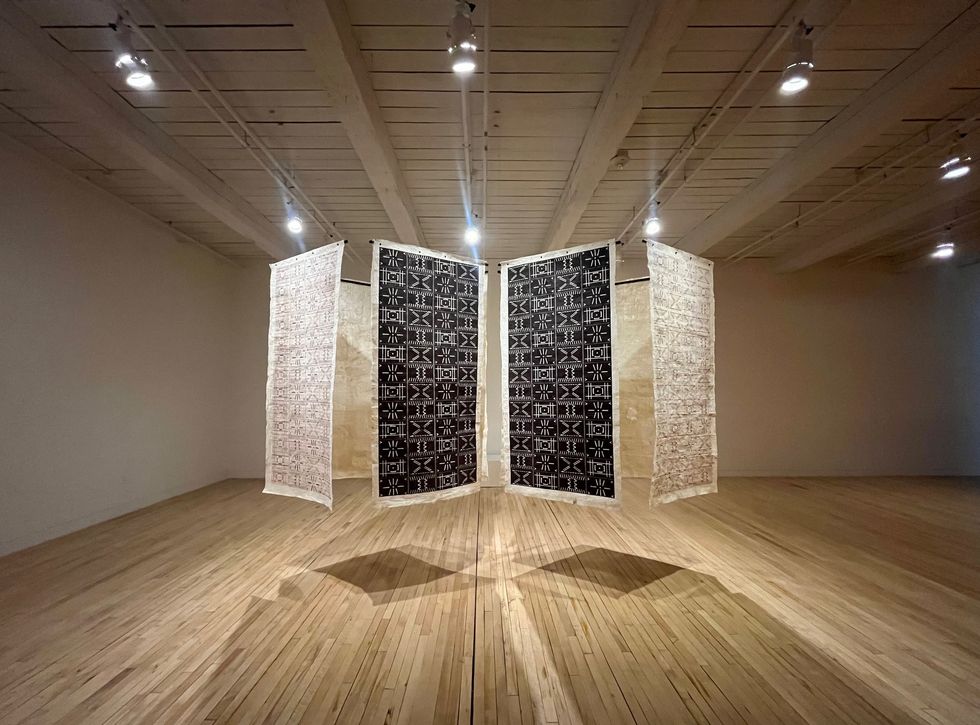
Living art takes center stage in the Berkshires

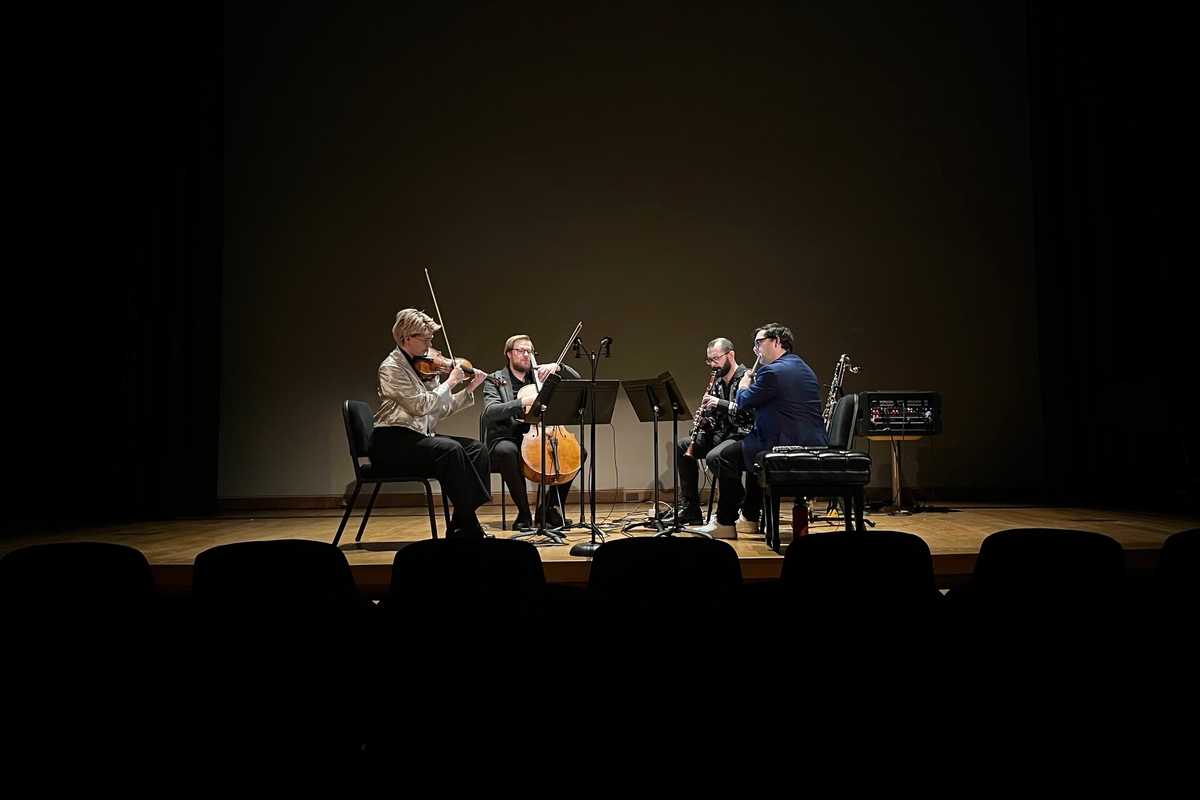
Contemporary chamber musicians, HUB, performing at The Clark.

D.H. Callahan

Northwestern Massachusetts may sometimes feel remote, but last weekend it felt like the center of the contemporary art world.

Within 15 miles of each other, MASS MoCA in North Adams and the Clark Art Institute in Williamstown showcased not only their renowned historic collections, but an impressive range of living artists pushing boundaries in technology, identity and sound.

Keep ReadingShow less
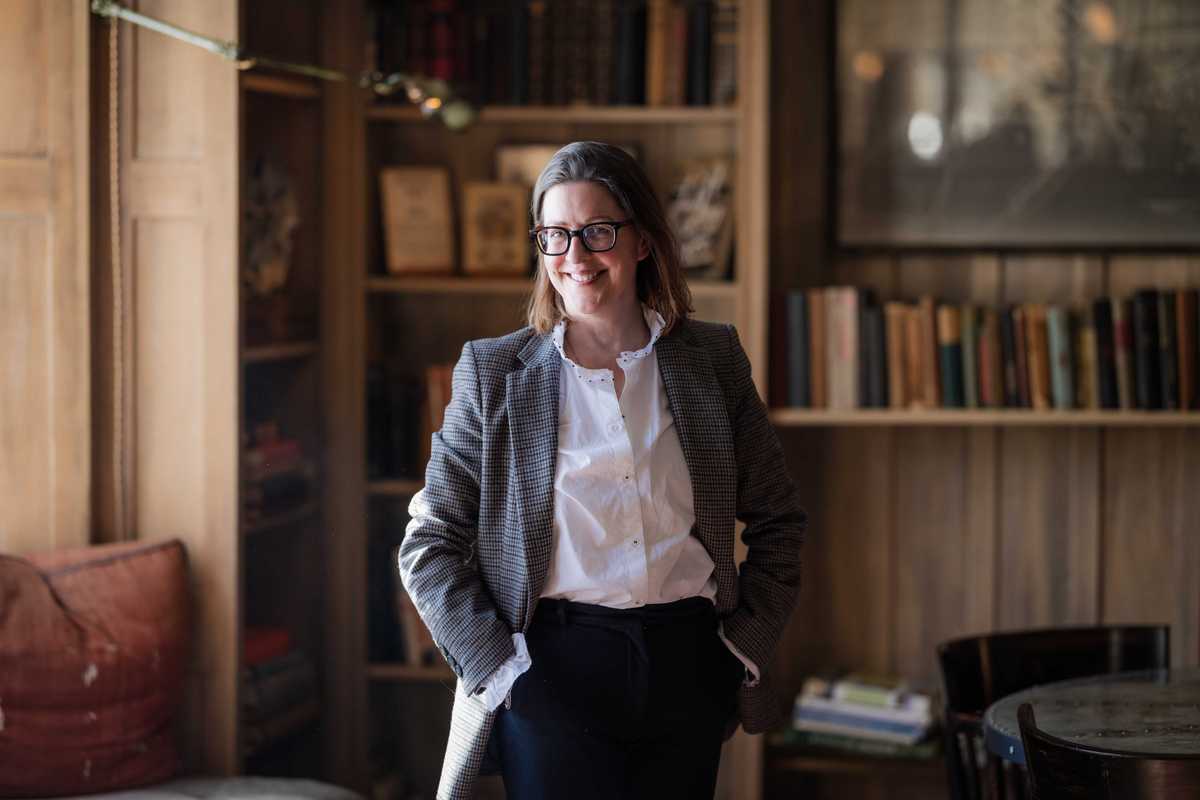
Persistently amplifying women’s voices

Francesca Donner, founder and editor of The Persistent. Subscribe at thepersistent.com.

Aly Morrissey

Francesca Donner pours a cup of tea in the cozy library of Troutbeck’s Manor House in Amenia, likely a habit she picked up during her formative years in the United Kingdom. Flanked by old books and a roaring fire, Donner feels at home in the quiet room, where she spends much of her time working as founder, editor and CEO of The Persistent, a journalism platform created to amplify women’s voices.

Although her parents are American and she spent her earliest years in New York City and Litchfield County — even attending Washington Montessori School as a preschooler — Donner moved to England at around five years old and completed most of her education there. Her accent still bears the imprint of what she describes as a traditional English schooling.

Keep ReadingShow less
Jarrett Porter on the enduring power of Schubert’s ‘Winterreise’
Baritone Jarrett Porter to perform Schubert’s “Winterreise”
Tim Gersten

On March 7, Berkshire Opera Festival will bring “Winterreise” to Studio E at Tanglewood’s Linde Center for Music and Learning, with baritone Jarrett Porter and BOF Artistic Director and pianist Brian Garman performing Franz Schubert’s haunting 24-song setting of poems by Wilhelm Müller.

A rejected lover. A frozen landscape. A mind unraveling in real time. Nearly 200 years after its premiere, “Winterreise” remains unnervingly current in its psychological portrait of isolation, heartbreak and existential drift.

Keep ReadingShow less
google preferred source

Want more of our stories on Google? Click here to make us a Preferred Source.
A grand finale for Crescendo’s 22nd season

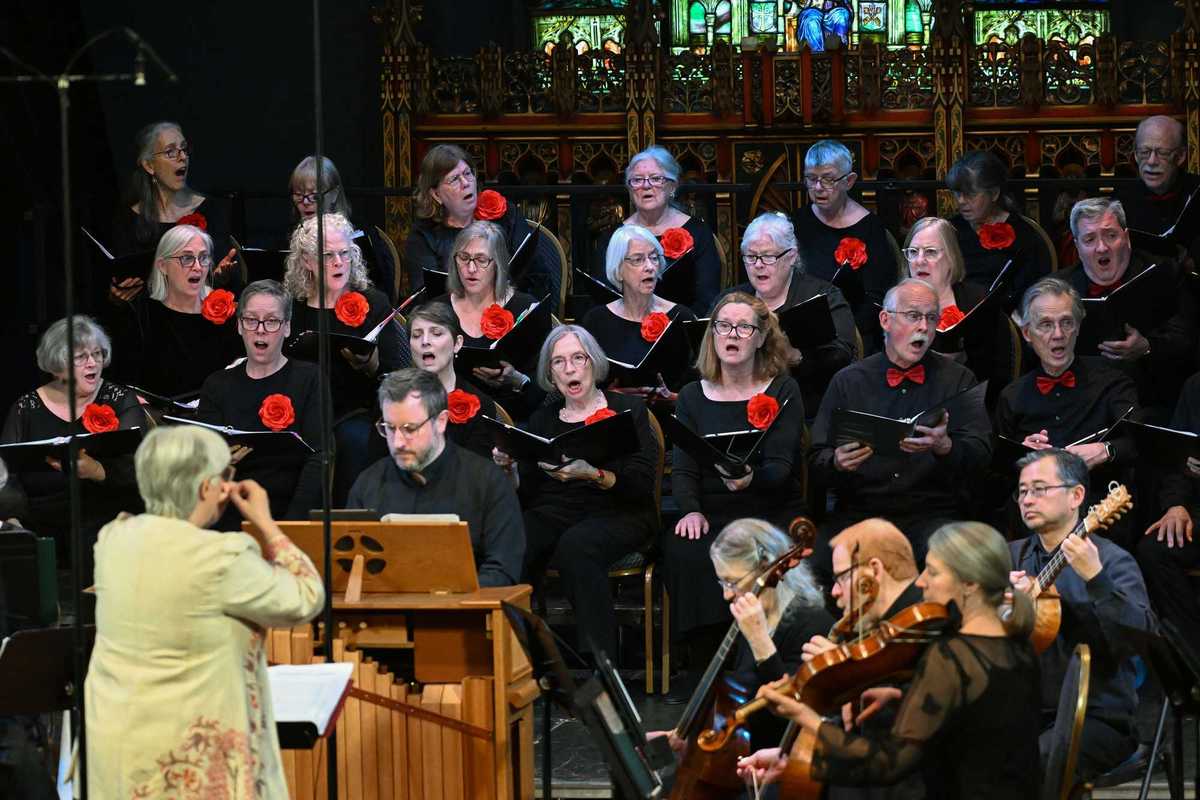
Christine Gevert, artistic director, brings together international and local musicians for a season of rare works.

Stephen Potter

Crescendo, the Lakeville-based nonprofit specializing in early and rarely performed classical music, will close its 22nd season with a slate of spring concerts featuring international performers, local musicians and works by pioneering composers from the Baroque era to the 20th century.

Christine Gevert, the organization’s artistic director, has gathered international vocal and instrumental talent, blending it with local voices to provide Berkshire audiences with rare musical treats.

Keep ReadingShow less

Leopold Week honors land and legacy

Leopold Week honors land and legacy

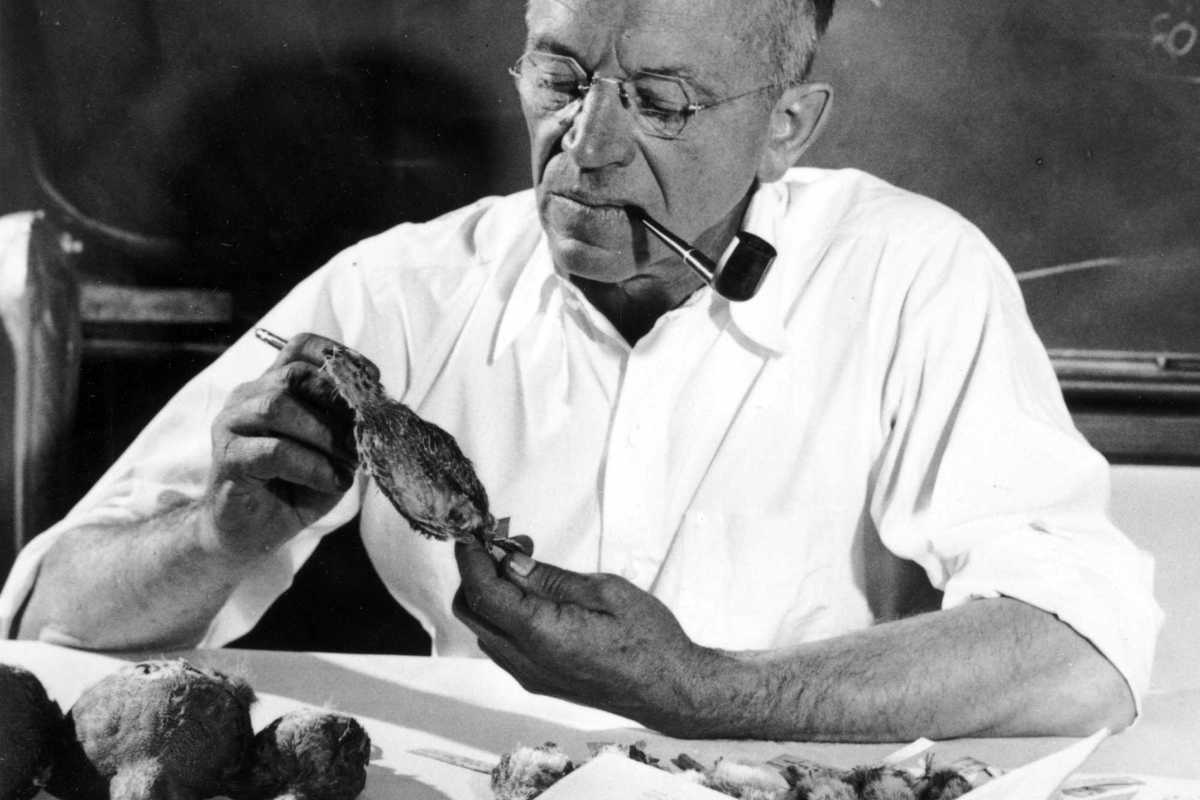
Aldo Leopold in 1942, seated at his desk examining a gray partridge specimen.

Robert C. Oetking

In his 1949 seminal work, “A Sand County Almanac,” Aldo Leopold, regarded by many conservationists as the father of wildlife ecology and modern conservation, wrote, “There are some who can live without wild things and some who cannot.” Leopold was a forester, philosopher, conservationist, educator, writer and outdoor enthusiast.

Originally published by Oxford University Press, “A Sand County Almanac” has sold 2 million copies and been translated into 15 languages. On Sunday, March 8, from 3 to 5 p.m. in the Great Hall of the Norfolk Library, the public is invited to a community reading of selections from the book followed by a moderated discussion with Steve Dunsky, director of “Green Fire,” an Emmy Award-winning documentary film exploring the origins of Leopold’s “land ethic.” Similar reading events take place each year across the country during “Leopold Week” in early March. Planning for this Litchfield County reading began when the Norfolk Library received a grant from the Aldo Leopold Foundation, which provided copies of “A Sand County Almanac” to distribute during the event.

Keep ReadingShow less

Erica Child Prud’homme

Erica Child Prud’homme

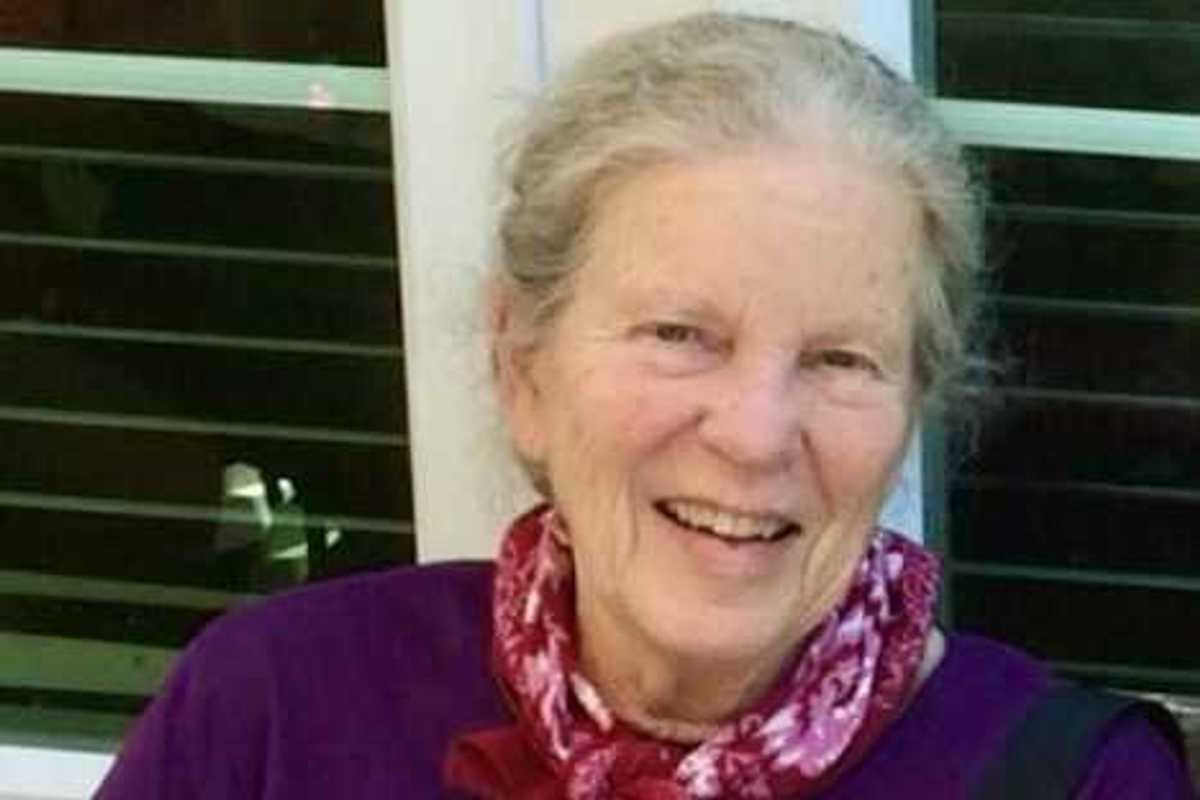
WEST CORNWALL — Erica Child Prud’homme died peacefully in her sleep on Jan. 9, 2026, at home in West Cornwall, Connecticut, at 93.

Erica was born on April 27, 1932, in Doylestown, Pennsylvania, the eldest of three children of Charles and Fredericka Child. With her siblings Rachel and Jonathan, Erica was raised in Lumberville, a town in the creative enclave of Bucks County where she began to sketch and paint as a child.

Keep ReadingShow less
google preferred source

Want more of our stories on Google? Click here to make us a Preferred Source.
google preferred source

Want more of our stories on Google? Click here to make us a Preferred Source.