Skin Cancer: Take Care in the Sun


WINSTED — With nearly 60,000 new cases of melanoma diagnosed each year, the suntan has become an unhealthy fashion statement. The American Cancer Society and the American Academy of Dermatology say one in five Americans, including one in three Caucasians, will develop skin cancer in the course of their lifetime.

Even people who work at hospitals are not immune, says Charlotte Hungerford Hospital Radiological Technologist Michelle Vanotti, who was diagnosed with her first growth of basal cell carcinoma (BCC) on her face almost two years ago. BCC is the most common type skin cancer, affecting the cells that line the deepest layer of the epidermis.

"I have six that are basal cell, and I had squamous cell carcinoma [the second most common form] on my chest," said Vanotti, who has been undergoing difficult treatments for basal cell cancers on other areas that have appeared in the past two years.

"I use Fluorouacil on some areas," said Vanotti. "It’s a cream you put on for six weeks. It’s like a chemo-cream, the skin dies and new skin grows." Doctors told Vanotti the skin cancer could grow into her tissue, and even into her bones, if left untreated. "They’re like tree roots. If you stay out of the sun, the roots are going to die," she said.

Vanotti has had several biopsies and is currently waiting to undergo plastic surgery to remove skin cancer from her face. She said the growths on her face appeared as pearl-colored, acne-like abrasions that cannot be treated with the skin cream.

"This Halloween will be two years. The first one was on my chest," said Vanotti. "Now every three months the doctor wants to see me. He gave me SPF 50 sun spray. I have one in the car. I spray all the time. I also wear a hat to my son’s games."

Vanotti said the surgery is anything but fun, including waiting 45 minutes for results, having to possibly endure several layers of skin being removed to ensure all cancer is eliminated, and as many as 15 numbing shots to the face. Different sized margins are cut to check the areas of the skin that are affected, and certain sections may continue to be recut if microscopic imaging isn’t clear.

Squamous cell carcinoma (SCC) is the least deadly — but often overlooked — form of skin cancer. If left untreated, it can cause disfigurement. Squamous cells grow in the the upper layers of the skin.

Melanoma, on the other hand, is the most deadly form of skin cancer, accounting for the majority of skin cancer-related deaths. According to the American Cancer Society, one blistering sunburn in childhood more than doubles a person’s chance of developing melanoma later in life. A majority of melanomas are distorted black or brown spots on the skin.

There are several precancerous symptoms that should be recognized and treated before skin cancer develops. Self examinations should be conducted monthly to become familiar with all bumps and discolorations in the skin. Despite the allure of hot summer sun, tanners should avoid too much exposure during the peak hours of 10 a.m to 4 p.m. Doctors also say to avoid artificial tanning beds.

"I grew up by a pool and I used to do sunless tanning," said Vanotti. "I’m very cautious and I’ve learned a valuable lesson. It’s not worth it anymore."

For more information on skin cancer and preventative measures, visit skincancer.org or contact a local dermatologist.

Latest News

Living art takes center stage in the Berkshires

Contemporary chamber musicians, HUB, performing at The Clark.

D.H. Callahan

Northwestern Massachusetts may sometimes feel remote, but last weekend it felt like the center of the contemporary art world.

Within 15 miles of each other, MASS MoCA in North Adams and the Clark Art Institute in Williamstown showcased not only their renowned historic collections, but an impressive range of living artists pushing boundaries in technology, identity and sound.

Keep ReadingShow less
Persistently amplifying women’s voices

Francesca Donner, founder and editor of The Persistent. Subscribe at thepersistent.com.

Aly Morrissey

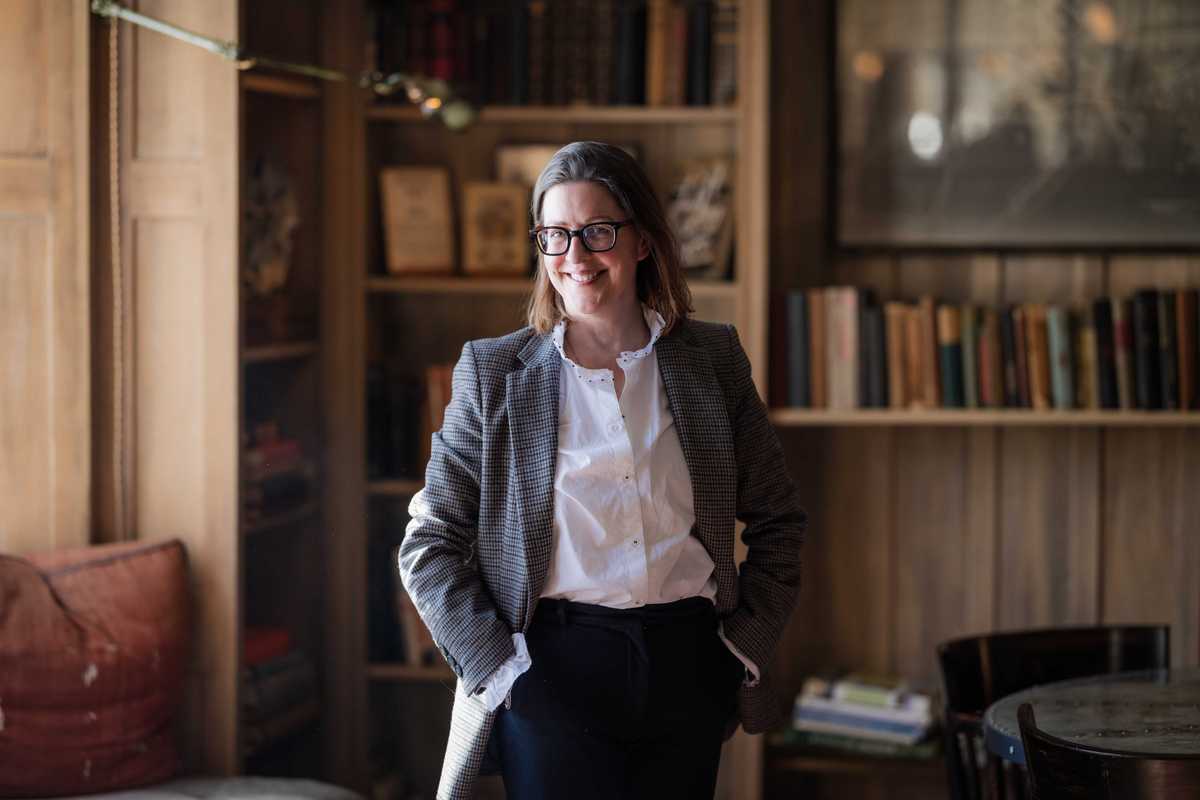
Francesca Donner pours a cup of tea in the cozy library of Troutbeck’s Manor House in Amenia, likely a habit she picked up during her formative years in the United Kingdom. Flanked by old books and a roaring fire, Donner feels at home in the quiet room, where she spends much of her time working as founder, editor and CEO of The Persistent, a journalism platform created to amplify women’s voices.

Although her parents are American and she spent her earliest years in New York City and Litchfield County — even attending Washington Montessori School as a preschooler — Donner moved to England at around five years old and completed most of her education there. Her accent still bears the imprint of what she describes as a traditional English schooling.

Keep ReadingShow less
Jarrett Porter on the enduring power of Schubert’s ‘Winterreise’
Baritone Jarrett Porter to perform Schubert’s “Winterreise”
Tim Gersten

On March 7, Berkshire Opera Festival will bring “Winterreise” to Studio E at Tanglewood’s Linde Center for Music and Learning, with baritone Jarrett Porter and BOF Artistic Director and pianist Brian Garman performing Franz Schubert’s haunting 24-song setting of poems by Wilhelm Müller.

A rejected lover. A frozen landscape. A mind unraveling in real time. Nearly 200 years after its premiere, “Winterreise” remains unnervingly current in its psychological portrait of isolation, heartbreak and existential drift.

Keep ReadingShow less
google preferred source

Want more of our stories on Google? Click here to make us a Preferred Source.

A grand finale for Crescendo’s 22nd season

Christine Gevert, artistic director, brings together international and local musicians for a season of rare works.

Stephen Potter

Crescendo, the Lakeville-based nonprofit specializing in early and rarely performed classical music, will close its 22nd season with a slate of spring concerts featuring international performers, local musicians and works by pioneering composers from the Baroque era to the 20th century.

Christine Gevert, the organization’s artistic director, has gathered international vocal and instrumental talent, blending it with local voices to provide Berkshire audiences with rare musical treats.

Keep ReadingShow less

Leopold Week honors land and legacy

Leopold Week honors land and legacy

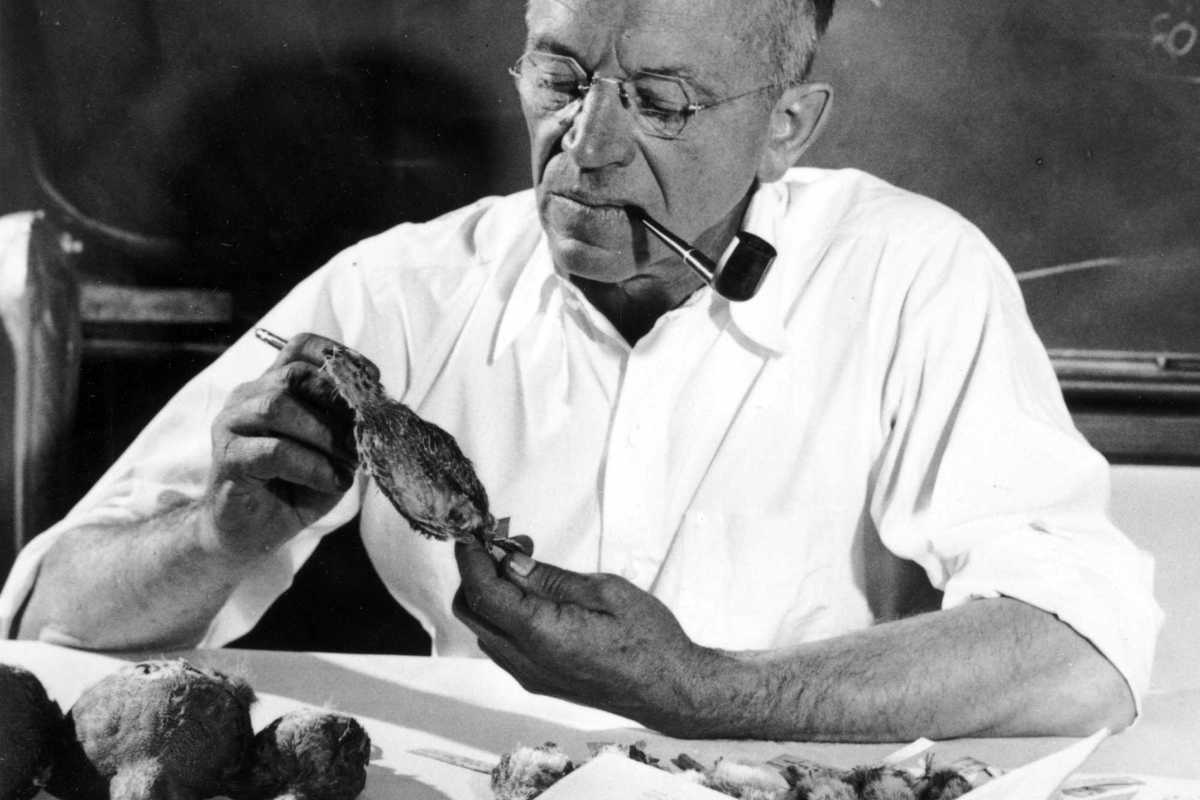
Aldo Leopold in 1942, seated at his desk examining a gray partridge specimen.

Robert C. Oetking

In his 1949 seminal work, “A Sand County Almanac,” Aldo Leopold, regarded by many conservationists as the father of wildlife ecology and modern conservation, wrote, “There are some who can live without wild things and some who cannot.” Leopold was a forester, philosopher, conservationist, educator, writer and outdoor enthusiast.

Originally published by Oxford University Press, “A Sand County Almanac” has sold 2 million copies and been translated into 15 languages. On Sunday, March 8, from 3 to 5 p.m. in the Great Hall of the Norfolk Library, the public is invited to a community reading of selections from the book followed by a moderated discussion with Steve Dunsky, director of “Green Fire,” an Emmy Award-winning documentary film exploring the origins of Leopold’s “land ethic.” Similar reading events take place each year across the country during “Leopold Week” in early March. Planning for this Litchfield County reading began when the Norfolk Library received a grant from the Aldo Leopold Foundation, which provided copies of “A Sand County Almanac” to distribute during the event.

Keep ReadingShow less

Erica Child Prud’homme

Erica Child Prud’homme

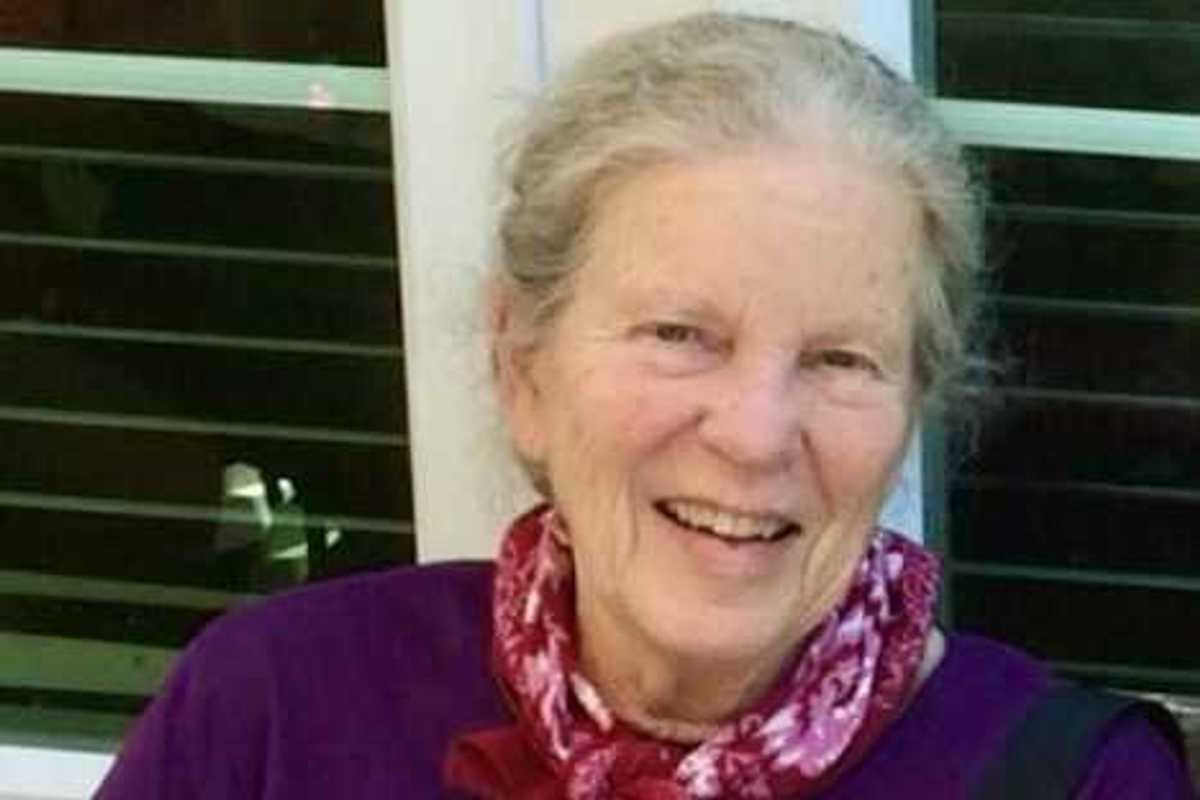
WEST CORNWALL — Erica Child Prud’homme died peacefully in her sleep on Jan. 9, 2026, at home in West Cornwall, Connecticut, at 93.

Erica was born on April 27, 1932, in Doylestown, Pennsylvania, the eldest of three children of Charles and Fredericka Child. With her siblings Rachel and Jonathan, Erica was raised in Lumberville, a town in the creative enclave of Bucks County where she began to sketch and paint as a child.

Keep ReadingShow less
google preferred source

Want more of our stories on Google? Click here to make us a Preferred Source.
google preferred source

Want more of our stories on Google? Click here to make us a Preferred Source.