Smarter foreign policies or bigger blowbacks?

Are Washington’s relentless bombings and military immersions in sectarian battles within Arab and neighboring regions accelerating the spread of terrorist attacks? Yes. The recent rash of terror attacks in Kuwait, Tunisia, Somalia, France and other countries are tragic examples of the strategic failures of our government and its very heavy reliance on military interventions, including the omnipresent drones that terrorize civilians.

From the first bombings of al-Qaeda’s small band of fighters in the mountains of Afghanistan to the toppling of the Taliban government there by President George Bush in 2001, all Washington’s weaponry, soldiers, and trillions of dollars have accomplished is to spread al-Qaeda’s numerous offshoots into over a dozen countries.

The CIA calls this “blowback.” For 14 years this blowback has destabilized countries, initiated civil wars costing millions of mostly civilian lives and leaving others sickened and injured, and caused many families to be driven out of their homes as masses of weeping refugees.

In the meantime, hatred of the United States in those regions grows. The attackers we have helped to provoke are becoming better trained on how to use their weaponry to create more devastation over larger ranges of territories.

Could there have been an overreaction by the U.S. militarists, including Republicans such as Sen. Lindsay Graham (R- S.C.) and Democrats such as then-Sen. John Kerry (D-Mass.)? Kerry, especially, had a record in the Senate so extreme as to criticize the belligerent Bush/Cheney administration for not deploying more weaponry and soldiers and invading more countries.

The effects of this widespread violence that overrides sovereign rights of other countries and violates international law and our Constitution also have ongoing domestic consequences. All empires eventually devour themselves; the United States is proving to be no exception. Unlawful mass surveillance and violations of due process and civil liberties by the misnamed Patriot Act have created a climate of suspicion that criminalizes speech and expands malicious prosecutions.

Moreover, trillions of U.S. taxpayer dollars have been wasted destroying other countries and bloating our military budget. Our soldiers and veterans pay the price with painful (physical, mental and emotional) experiences. The massive sums of taxpayer dollars could have been used to create well-paying jobs repairing and rebuilding America’s crumbling public facilities — its schools, water/sewage systems, public transit, roads, bridges, airports, ports, clinics, libraries, and parks. Knee-jerk militarism and corporatism do nothing to improve the quality of life in our country or to promote global security.

Our government spends tens of billions of dollars on intelligence gathering and strategic planning. Yet, our government officials seem to have underestimated the impact that these policies have on our adversaries abroad. Our vulnerabilities have revealed themselves through profitable fear-mongering. One significant terror attack can, once again, turn our country upside down and continue to divert our resources and attention away from very serious health and safety priorities that can save countless American lives here at home.

Osama bin Laden wanted economic damage and suffering in the U.S. after 9/11 far more than he wanted to cause a mass loss of life. He is getting his wish for U.S. immolation, year after year.

When is our government going to admit that fighting terror with more mechanized state terror is not working? We have much more to lose than those adversaries in these impoverished countries. They are there every day and night, knowing their terrain, their tribes and how to appeal to cultural stamina for repelling foreign invaders.

Some have asserted that all this American “blood and treasure” was worth it because there has not been another 9/11. However, this has been rebuked by subsequent evidence that has shown that al-Qaeda had no second strike capability in the U.S. The hijackings on 9/11 revealed the many weaknesses in aviation security, from a lack of proper screenings to unhardened cockpit doors to government agencies not sharing counterterrorism intelligence.

Unfortunately, there is no indication that the Obama administration has any diplomatic plan to extricate our country from these uncontrollable vortexes, including Hillary Clinton’s undeclared, unfunded war on Libya and the chaotic, violent aftermath that has spread into central Africa.

•  •  •

There needs to be a stronger focus on humanitarian programs to help those suffering from the death and destruction in their communities and countries. That is the real way to win “hearts and minds” and for those with a focus on the bottom-line, it is far cheaper in the long run to fund development in these regions than it is to fund our ever-growing militarism. 

As Ashraf Ghani explained well before being elected President of Afghanistan, justice is the best answer to terrorism. The alternative is perpetual, expanding wars with no exit strategy.

Maybe our peace-waging groups such as Veterans for Peace, composed of men and women who have served in hot wars, can gain access to some presidential candidates, such as Senator Bernie Sanders (I-Vt.), former Governor Martin O’Malley (D-Md.), and James Webb, former senator (D-Va.) and secretary of the Navy, who could launch a serious national focus on replacing the failed militarization of foreign policy that is eating away at our country’s future.


Consumer advocate and former presidential candidate Ralph Nader grew up in Winsted and is a graduate of The Gilbert School.

Latest News

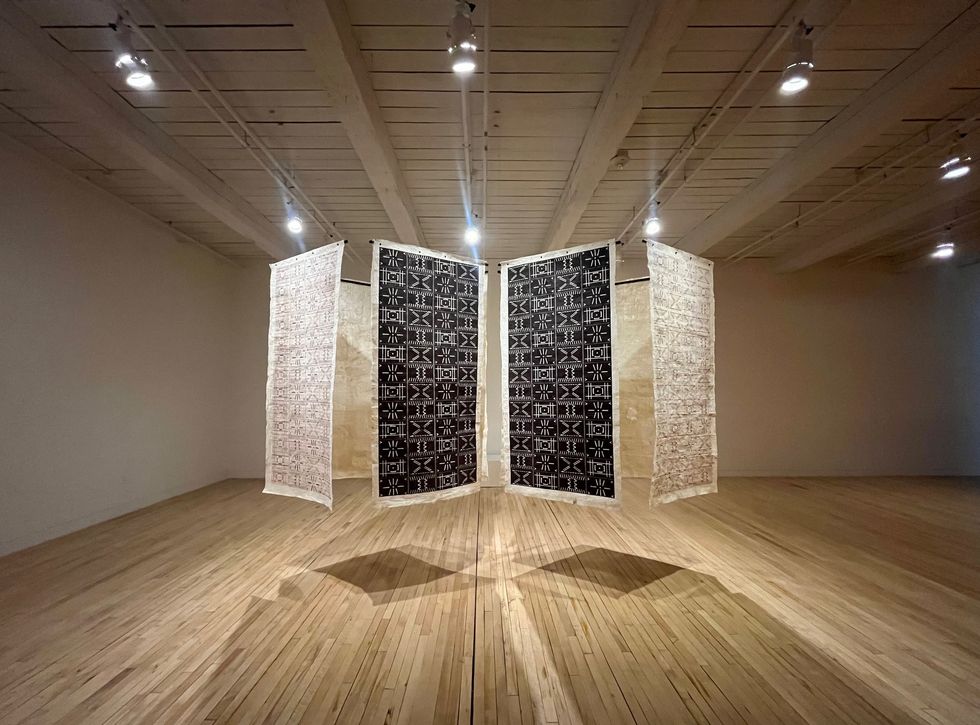
Living art takes center stage in the Berkshires

Contemporary chamber musicians, HUB, performing at The Clark.

D.H. Callahan

Northwestern Massachusetts may sometimes feel remote, but last weekend it felt like the center of the contemporary art world.

Within 15 miles of each other, MASS MoCA in North Adams and the Clark Art Institute in Williamstown showcased not only their renowned historic collections, but an impressive range of living artists pushing boundaries in technology, identity and sound.

Keep ReadingShow less
Persistently amplifying women’s voices

Francesca Donner, founder and editor of The Persistent. Subscribe at thepersistent.com.

Aly Morrissey

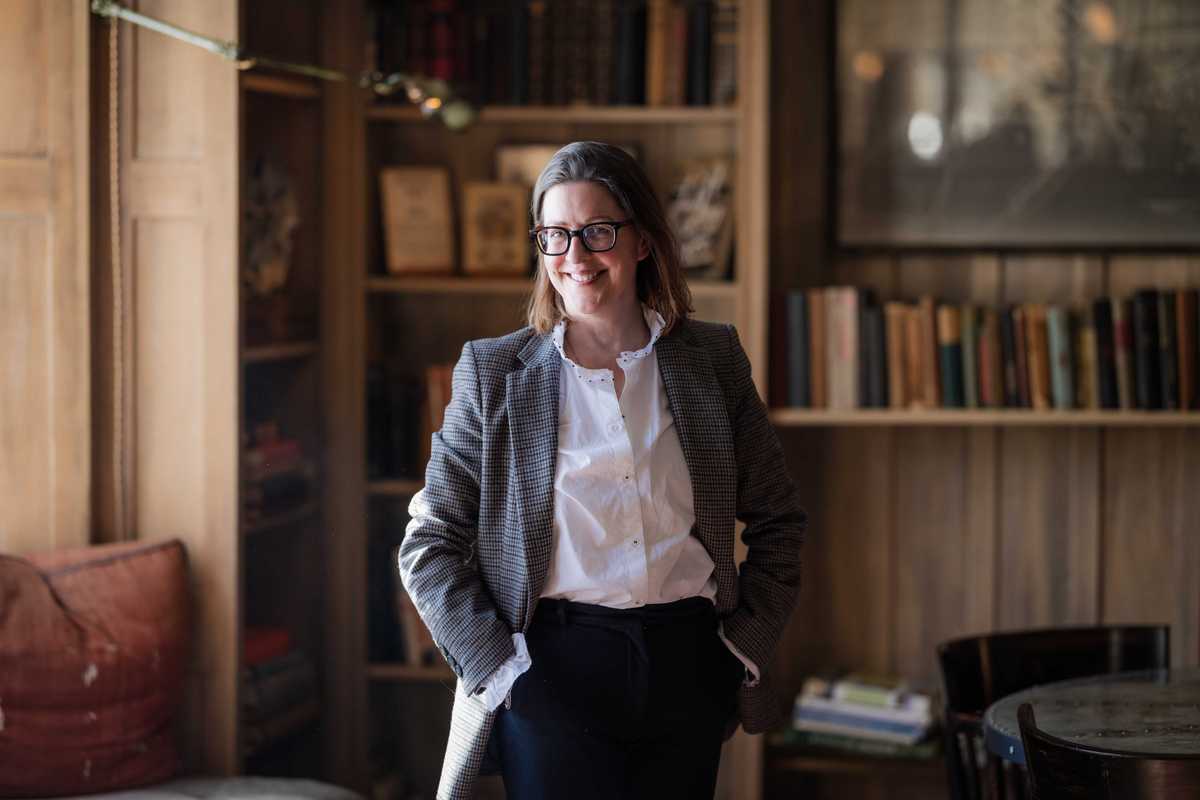
Francesca Donner pours a cup of tea in the cozy library of Troutbeck’s Manor House in Amenia, likely a habit she picked up during her formative years in the United Kingdom. Flanked by old books and a roaring fire, Donner feels at home in the quiet room, where she spends much of her time working as founder, editor and CEO of The Persistent, a journalism platform created to amplify women’s voices.

Although her parents are American and she spent her earliest years in New York City and Litchfield County — even attending Washington Montessori School as a preschooler — Donner moved to England at around five years old and completed most of her education there. Her accent still bears the imprint of what she describes as a traditional English schooling.

Keep ReadingShow less
Jarrett Porter on the enduring power of Schubert’s ‘Winterreise’
Baritone Jarrett Porter to perform Schubert’s “Winterreise”
Tim Gersten

On March 7, Berkshire Opera Festival will bring “Winterreise” to Studio E at Tanglewood’s Linde Center for Music and Learning, with baritone Jarrett Porter and BOF Artistic Director and pianist Brian Garman performing Franz Schubert’s haunting 24-song setting of poems by Wilhelm Müller.

A rejected lover. A frozen landscape. A mind unraveling in real time. Nearly 200 years after its premiere, “Winterreise” remains unnervingly current in its psychological portrait of isolation, heartbreak and existential drift.

Keep ReadingShow less
google preferred source

Want more of our stories on Google? Click here to make us a Preferred Source.

A grand finale for Crescendo’s 22nd season

Christine Gevert, artistic director, brings together international and local musicians for a season of rare works.

Stephen Potter

Crescendo, the Lakeville-based nonprofit specializing in early and rarely performed classical music, will close its 22nd season with a slate of spring concerts featuring international performers, local musicians and works by pioneering composers from the Baroque era to the 20th century.

Christine Gevert, the organization’s artistic director, has gathered international vocal and instrumental talent, blending it with local voices to provide Berkshire audiences with rare musical treats.

Keep ReadingShow less

Leopold Week honors land and legacy

Leopold Week honors land and legacy

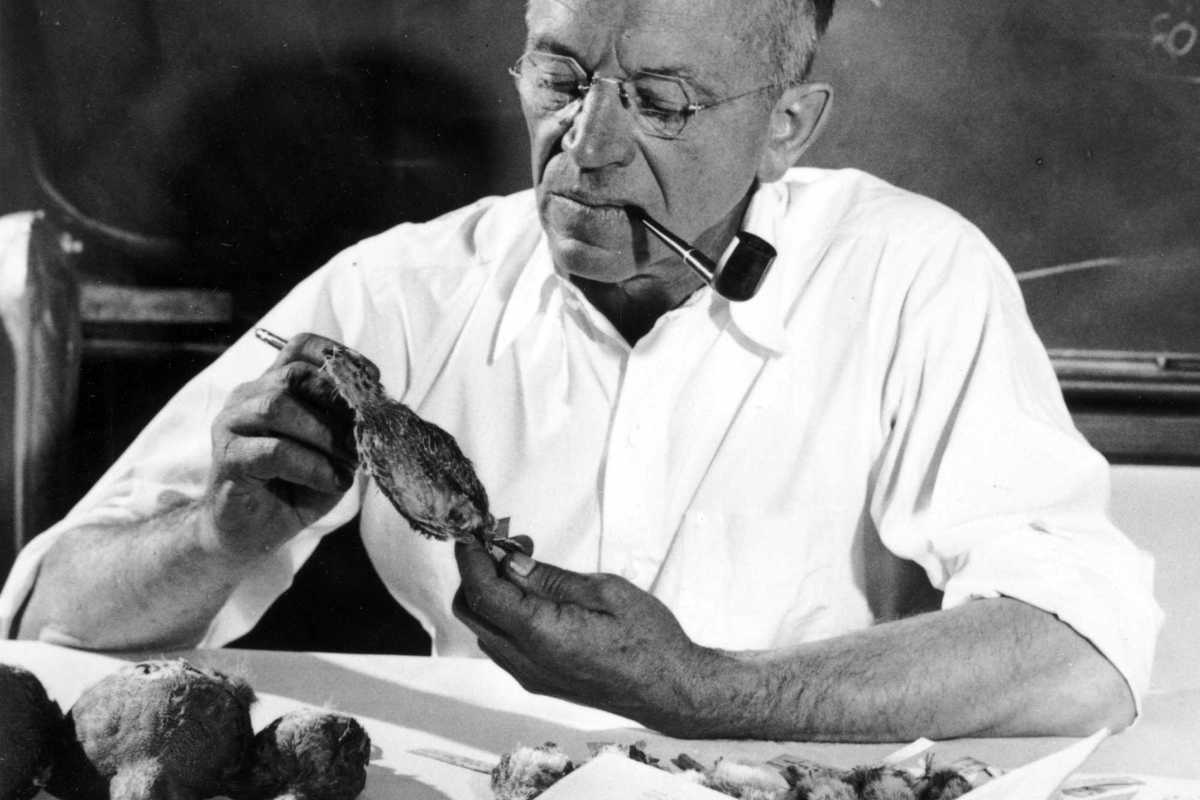
Aldo Leopold in 1942, seated at his desk examining a gray partridge specimen.

Robert C. Oetking

In his 1949 seminal work, “A Sand County Almanac,” Aldo Leopold, regarded by many conservationists as the father of wildlife ecology and modern conservation, wrote, “There are some who can live without wild things and some who cannot.” Leopold was a forester, philosopher, conservationist, educator, writer and outdoor enthusiast.

Originally published by Oxford University Press, “A Sand County Almanac” has sold 2 million copies and been translated into 15 languages. On Sunday, March 8, from 3 to 5 p.m. in the Great Hall of the Norfolk Library, the public is invited to a community reading of selections from the book followed by a moderated discussion with Steve Dunsky, director of “Green Fire,” an Emmy Award-winning documentary film exploring the origins of Leopold’s “land ethic.” Similar reading events take place each year across the country during “Leopold Week” in early March. Planning for this Litchfield County reading began when the Norfolk Library received a grant from the Aldo Leopold Foundation, which provided copies of “A Sand County Almanac” to distribute during the event.

Keep ReadingShow less

Erica Child Prud’homme

Erica Child Prud’homme

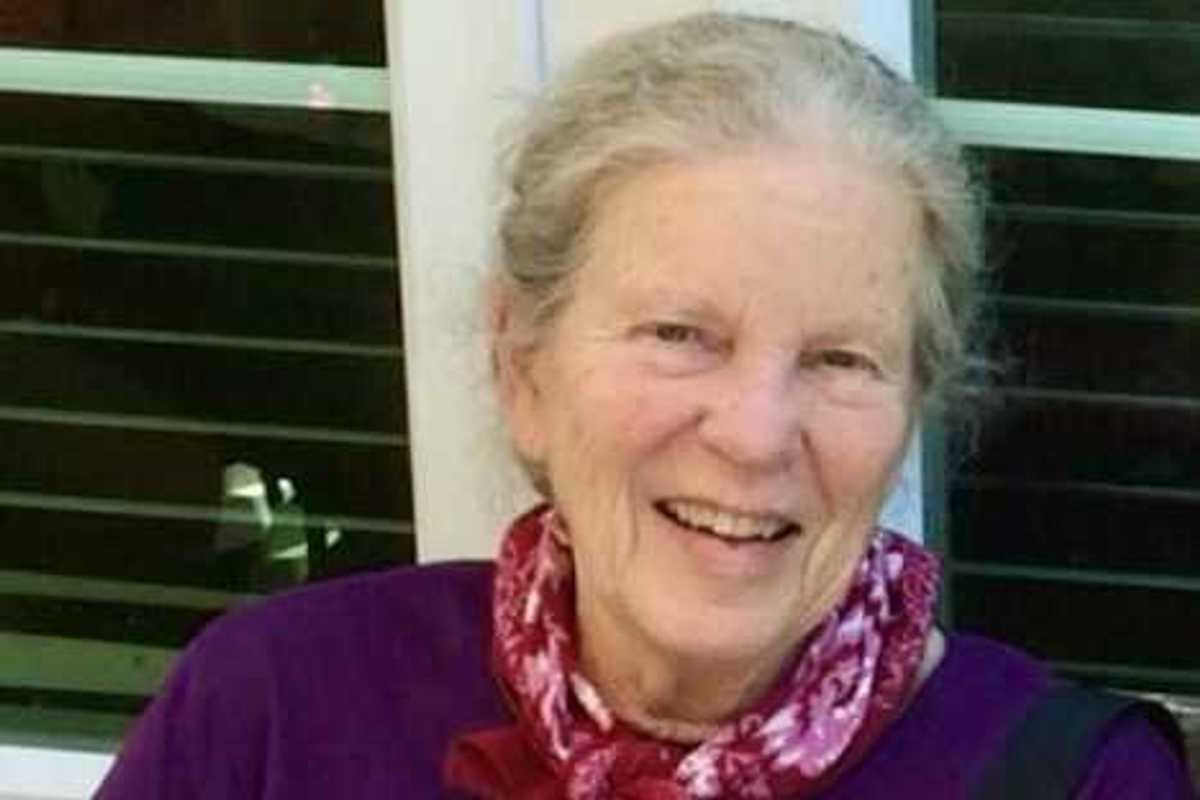
WEST CORNWALL — Erica Child Prud’homme died peacefully in her sleep on Jan. 9, 2026, at home in West Cornwall, Connecticut, at 93.

Erica was born on April 27, 1932, in Doylestown, Pennsylvania, the eldest of three children of Charles and Fredericka Child. With her siblings Rachel and Jonathan, Erica was raised in Lumberville, a town in the creative enclave of Bucks County where she began to sketch and paint as a child.

Keep ReadingShow less
google preferred source

Want more of our stories on Google? Click here to make us a Preferred Source.
google preferred source

Want more of our stories on Google? Click here to make us a Preferred Source.