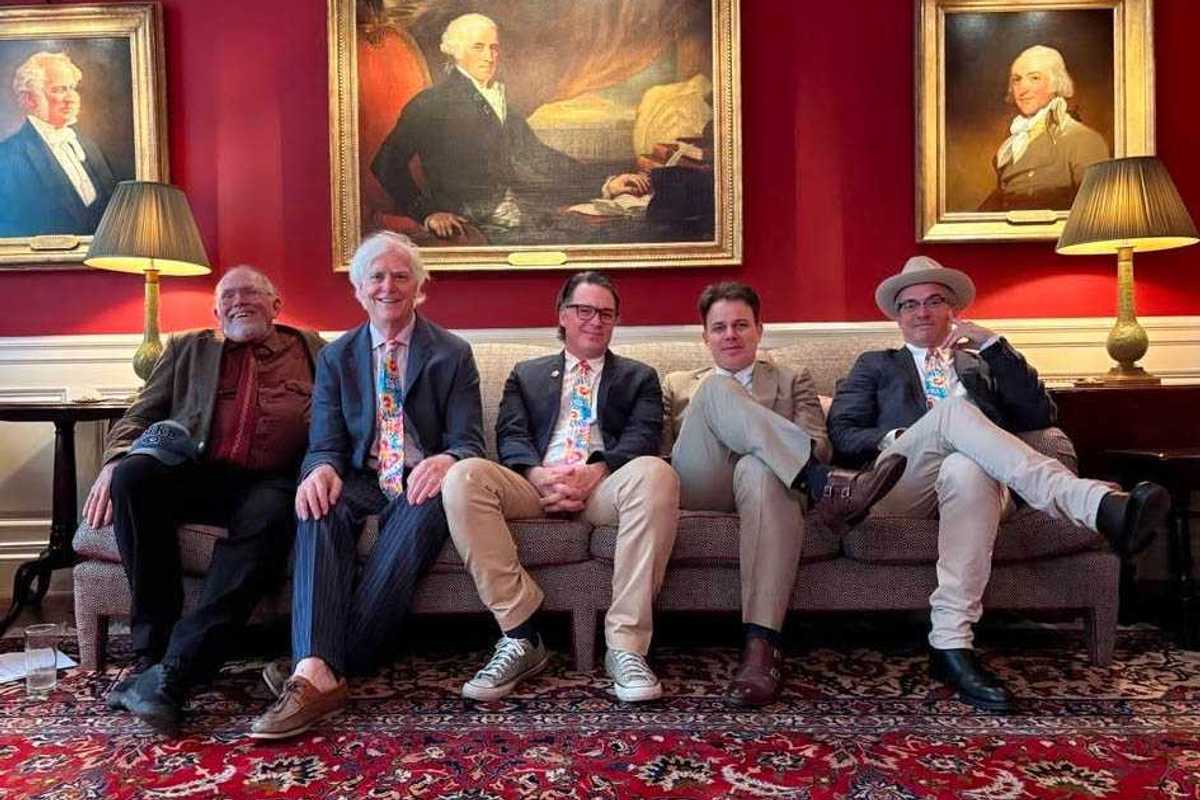
That insolent smirk. I know it well. It’s the smirk of a hung-over but unruffled preppie slouching into the headmaster’s office to explain his drunken weekend — a boy who knows no real fear because his family name is on the school gym. A smirk that says: I get what I want. I dare you to hold me to account.
The Kavanaugh smirk, in the Senate hearing room.
I went through prep school and college in New England alongside dozens of Kavanaughs. Entitled. Often cruel or abusive. Insulated from consequences. Confident of bright futures that would depend on no natural talents or accomplishments.
They weaved through their formative years streaked with vomit, treating women like playthings, then went on, many of them, to run the country.
Men? Barely. Repulsive? Yeah.
I grew up among bully-boy elites who assumed power was their birthright. Brett Kavanaugh’s one of them. His naked contempt for the Judiciary Committee yawed wildly from smirking to rage, pouts and glowers, with flickers of gobsmacked incomprehension. It was a portrait of an upper-echelon white American male from the right schools, coping — poorly — with a new and traumatic sensation: an inkling that the passport of privilege might not, this time, get him what he wants.
So watching Kavanaugh’s performance shook loose bad memories for me. He established himself not only as a slave to his own anger — an antithesis to model judicial temperament — but a biased right-wing ideologue, a conspiracy theorist, and an audacious liar.
(Even about little things. “Boof” does not mean to pass gas. “The devil’s triangle” was no drinking game. How arrogant must you be to invent fake definitions under oath when we can cross-check the Urban Dictionary?)
A push to uncloak the truth of his life and beliefs and hold him accountable, anchored by Dr. Christine Blasey Ford’s heroic testimony, seemed to have crashed Kavanaugh’s operating system. If a man appeared in your office lobby talking and acting that way, you’d lock the place down and call security. Not elevate him to the Supreme Court.
I think the assertions of Dr. Ford and the other accusers are absolutely true; they risk everything by stepping up. (The crazed attacks they draw, particularly from other women bizarrely devoted to fending off challenges to male elites, are maybe the darkest aspect of this mess.) I expect these witnesses will not be impugned by the new FBI investigation Kavanaugh and the Senate leadership energetically sought to thwart.
But the Senate Judiciary Committee is no court of law. With what we know and may learn, we might delete Kavanaugh from a neighborhood barbecue, or switch seats on a plane if we found him adjacent. But being an abhorrent, abusive preppie, then Yalie, may not be considered enough to annihilate the adult Kavanaugh permanently. His hearing room histrionics — ranting and shouting like a dry drunk; barking back at senior women senators as if they were housekeepers who’d made the Kavanaugh bed wrong — may somehow yet be judged consistent with the mien of a senior jurist.
And privileged white males from the circles I know still tend, in the end, to get what they want.
Already we steel ourselves against a maniacal, childish president and a corrupt and gutless Congress. Do we really want to look, now, to the United State Supreme Court and see not uniformly impartial authority, but a condescending, disregarding smirk?
I saw enough of those faces in my school days. Yet the Senate is likely to vote in a way Kavanaugh can call vindication.
It will be up to normal, compassionate, rational human beings in his wake to see that Dr. Ford’s valiant acts mean more, not less, if we enter a Kavanaugh era. We must reconcile our absolute obligation to honor and support sexual assault accusers with our essential credo that all accused are innocent until proven guilty. We have no legal or political means to affirm both at once, which is where the Senate foundered on Kavanaugh.
We have to fix this. The entitled Kavanaughs of the world will be no help. Equal justice was never their thing. It must be ours.
Midterms are five weeks away. Vote.
Tom Farmer, a former New England resident and broadcast journalist, is a writer and communications consultant based in Chicago. This piece was adapted at the Editor’s request from a prior Facebook posting.
Farmer went to school with Lakeville’s Terry Cowgill.

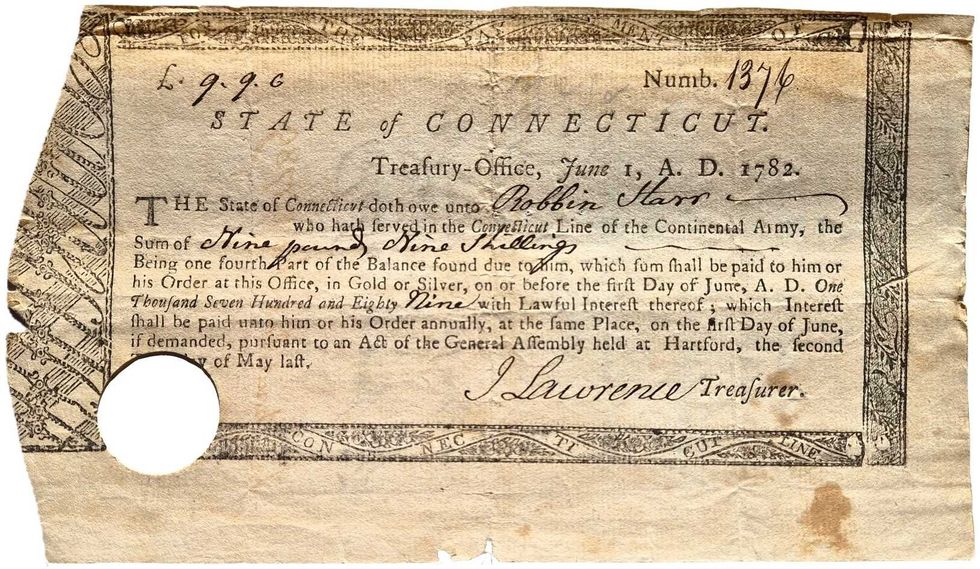 Pay Bill for Robin Starr’s service in the Continental Army.Courtesy the Alex Breanne Corporation
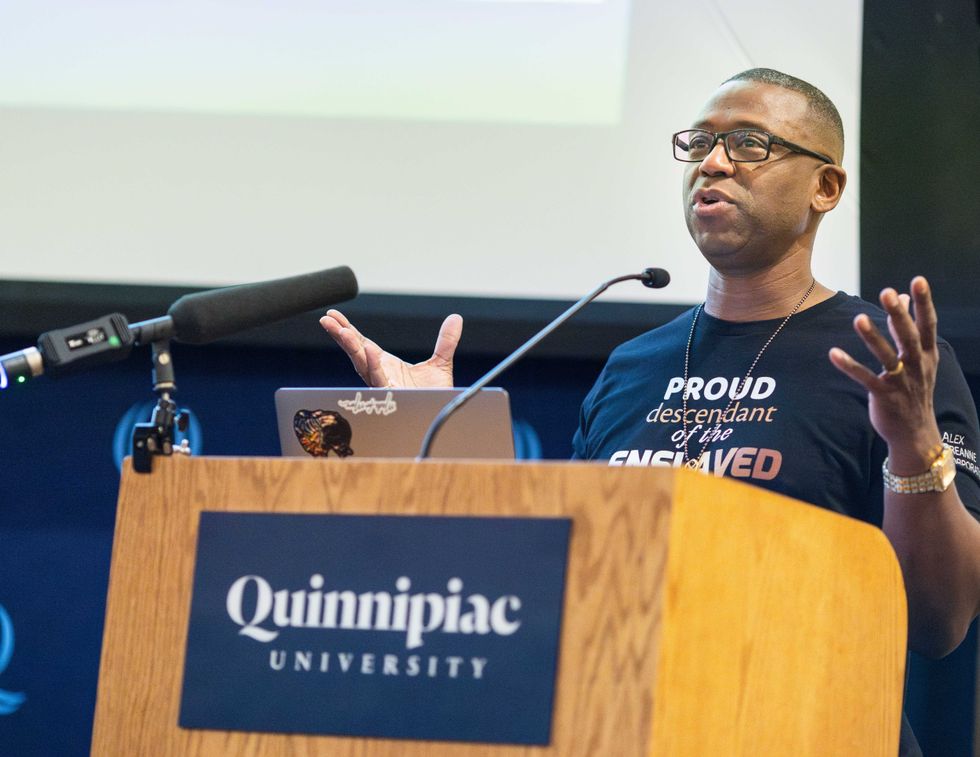 John Mills speaking at Quinnipiac University.Courtesy the Alex Breanne Corporation
 Stephanie Saetta,with her rescue dog George and Blue (left), a shepherd mix awaiting his forever home.Madi Long
 Blue, a 7 year-old Shepard mix, is waiting for his forever home. Madi Long