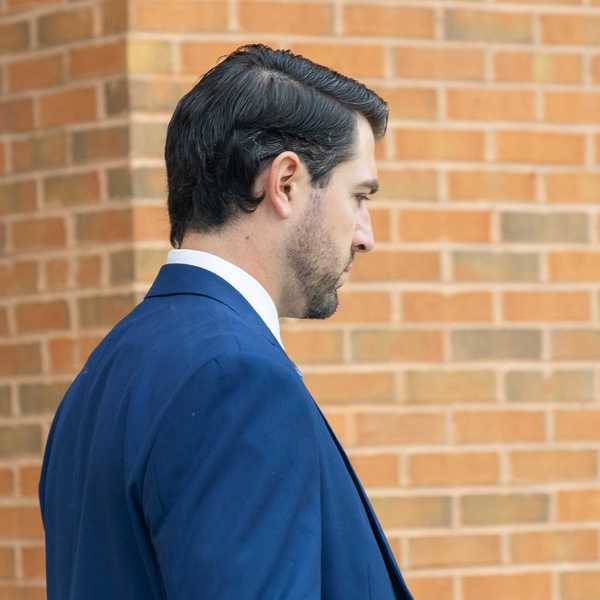
When the 1931 horror classic “Frankenstein” plays with live musical accompaniment at the Stissing Center on Saturday, Aug. 29, it will open with a warning. A handsomely dressed man will step into the spotlight to warn the audience about the thrilling and horrifying tale to come. Then, it’s off to the graveyard.
“Frankenstein; or, The Modern Prometheus” was written in 1818 by English author Mary Shelley. A summary is comically unnecessary, as the story itself has become one of the most important pieces, not just of horror writing, but of the history of literature. A scientist playing with the finite constraints of life and death, alongside the themes of prejudice, acceptance, and the dangers of mob rule continue to capture generation after generation in ways that seem consistently fresh and relevant.
In 1931, audiences were treated to an early era cinematic masterpiece by director James Whale. The theatrical release was an instant hit, winning praise from the public and critics alike.It would soon spawn sequels, spinoffs, and spoofs including “Abbott and Costello Meet Frankenstein,” “The Bride,” which was released earlier this year, and even Andy Warhol’s attempt, known as “Flesh for Frankenstein.” Notably, Mel Brooks’ comedic reinterpretation,“Young Frankenstein,” has, itself, become a timeless classic of Hollywood history.
Whale was not the first director tapped by Universal Studios to bring Frankenstein to the silver screen. Originally Robert Florey, who was best known for “The Cocoanuts” starring the Marx Brothers, was chosen to direct. His slapstick approach saw Frankenstein as more of a killing machine than the misunderstood portrait of humanity depicted in Shelley’s novel. This may have scared off the original monster, Bella Lugosi, who’d recently killed at the box office for Universal as Dracula. Though the exact reason is still a source of debate, the studio gave the project to Whale, who cast a relatively unknown Boris Karloff to play the monster.
Karloff had played a range of roles in over 80 films before Frankenstein, which would throw him into the public’s collective knowledge and nightmares. His image became an icon itself, still just as relevant today as it was when the film was released. Last October, a painting by Rob Zombie showed at his art show at the Morrison Gallery in Kent, Connecticut focused on Karloff’s face.
The film was released without a soundtrack. For Grammy-nominated composer Michael Shapiro, this provided an exciting challenge. In 2001, thanks to a commission from The Chappaqua Orchestra, Shapiro created a lush, emotional score intended to be played under the original dialogue.
Audiences loved the way the music brought the film to life. While there are multiplearrangements made for a variety of instrumental configurations, the performance at the Stissing Center will be a world premiere for string quartet and piano. The vibrant Argus Quartet, once tapped as the Graduate Resident String Quartet at the Juilliard School, will play the new arrangement with pianist and Steinway Artist Steven Beck. The composer Michael Shapiro himself will be there to conduct the group.
But the musicians won’t be the only ones on stage. In a special appearance for this world premiere, Sara Karloff, Boris’ daughter will be in attendance to participate in an interview before the screening. The Stissing Center asks that audience members leave their pitchforks at home.
For more information and tickets to the performance, visit thestissingcenter.org.

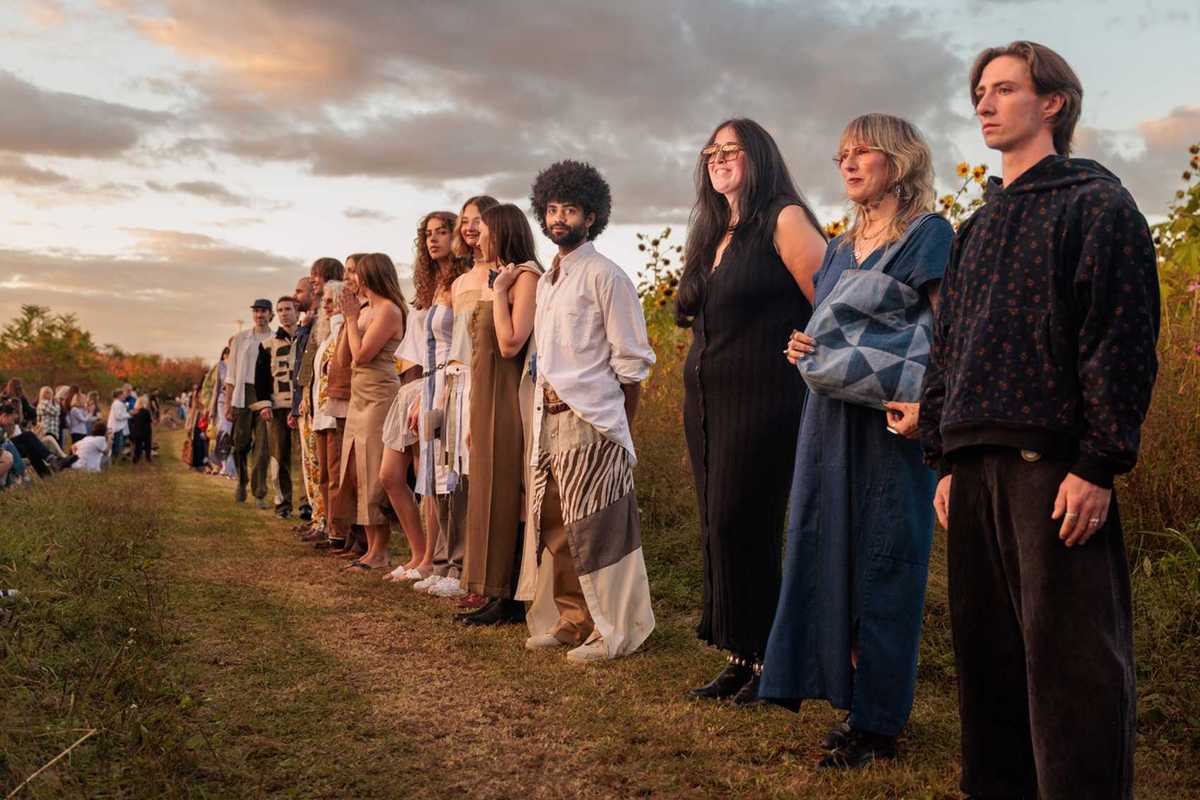
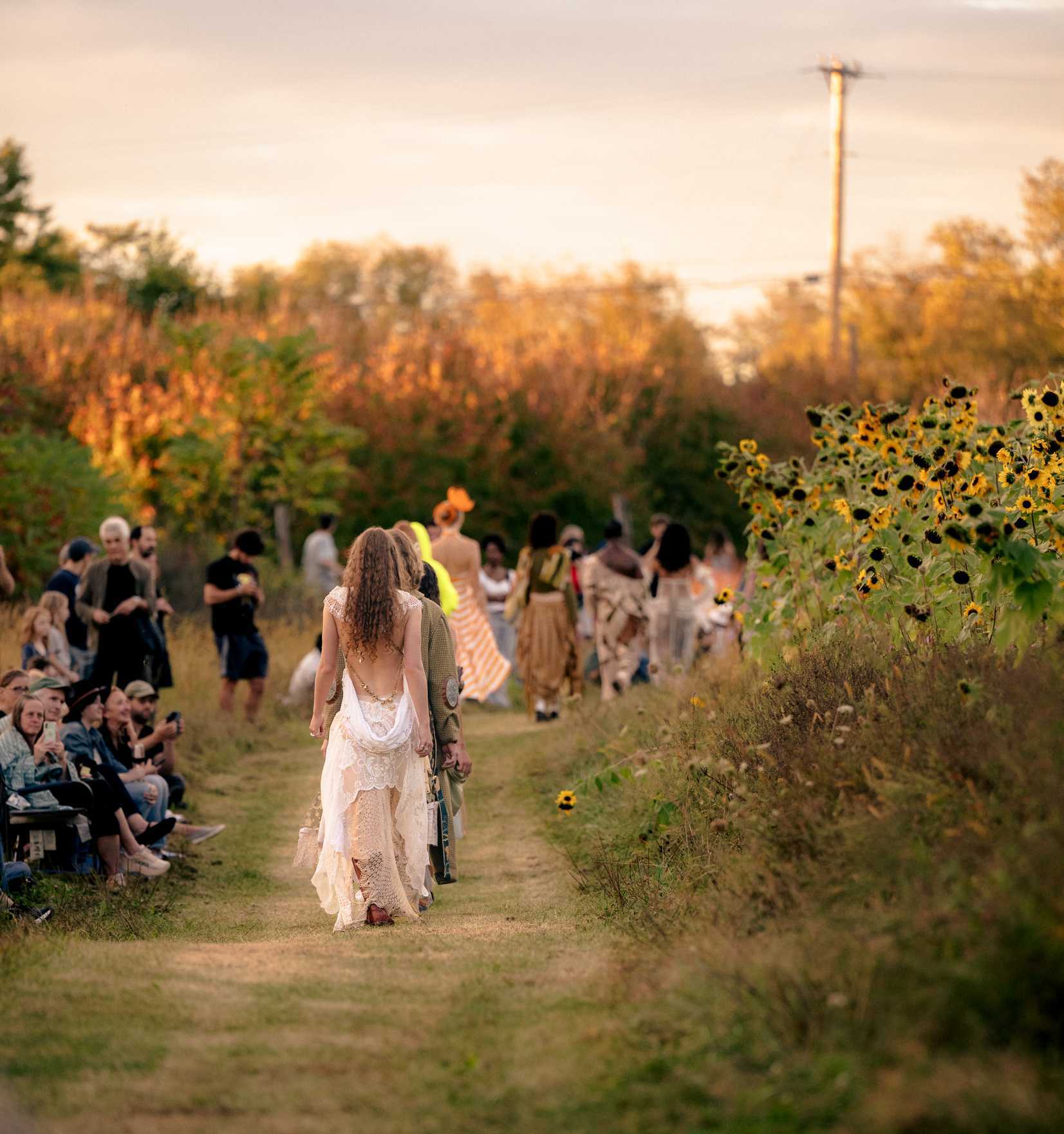 Models walk the organic runway at HVSFW. Ilan Harel
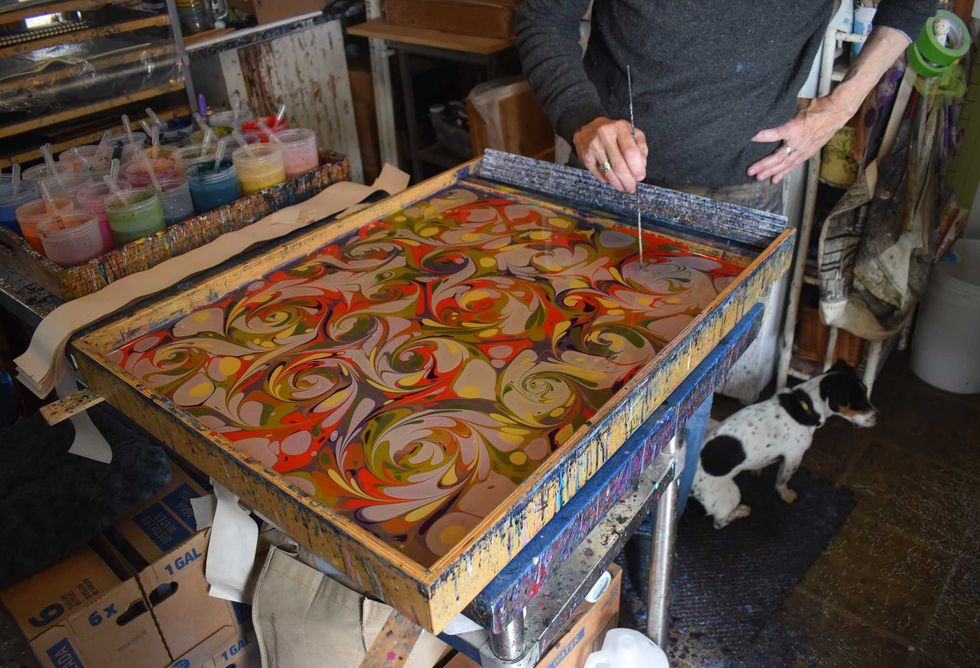 Susan Schneider, owner of Shandell’s, creates a variety of products with marbleized surfaces in her Ashley Falls studio.L. Tomaino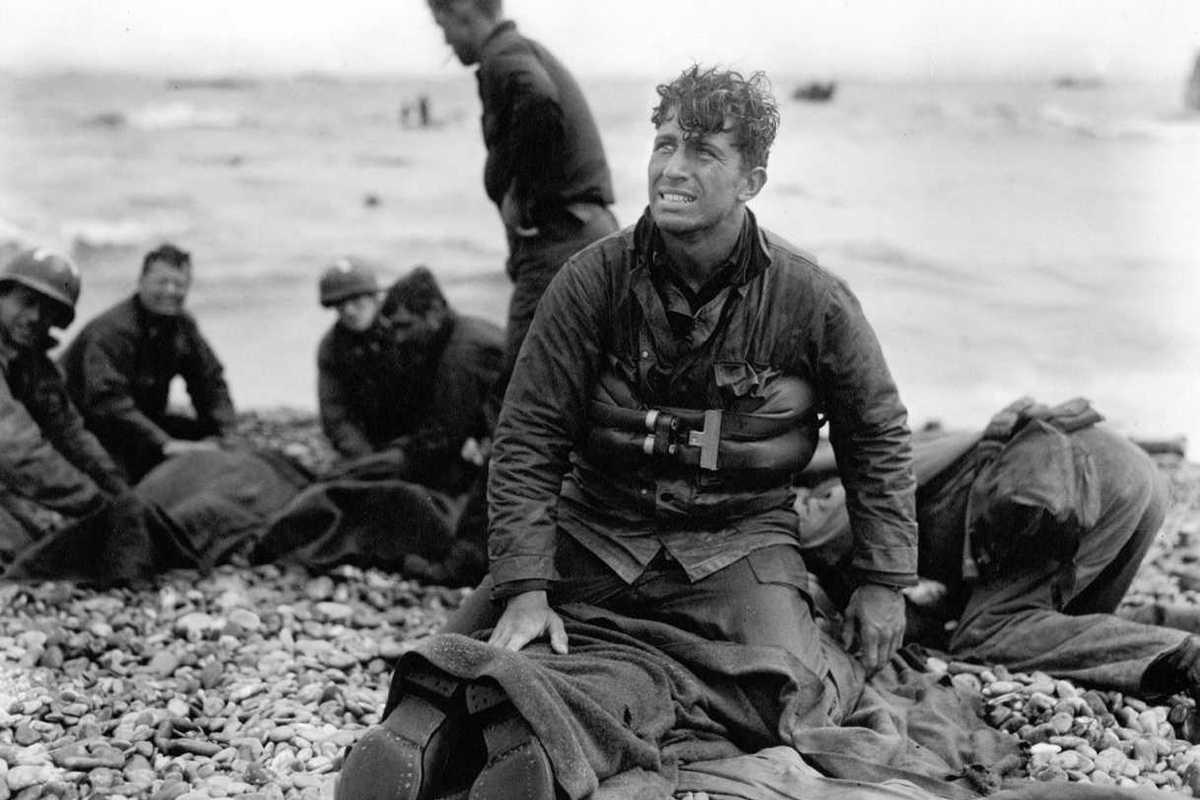

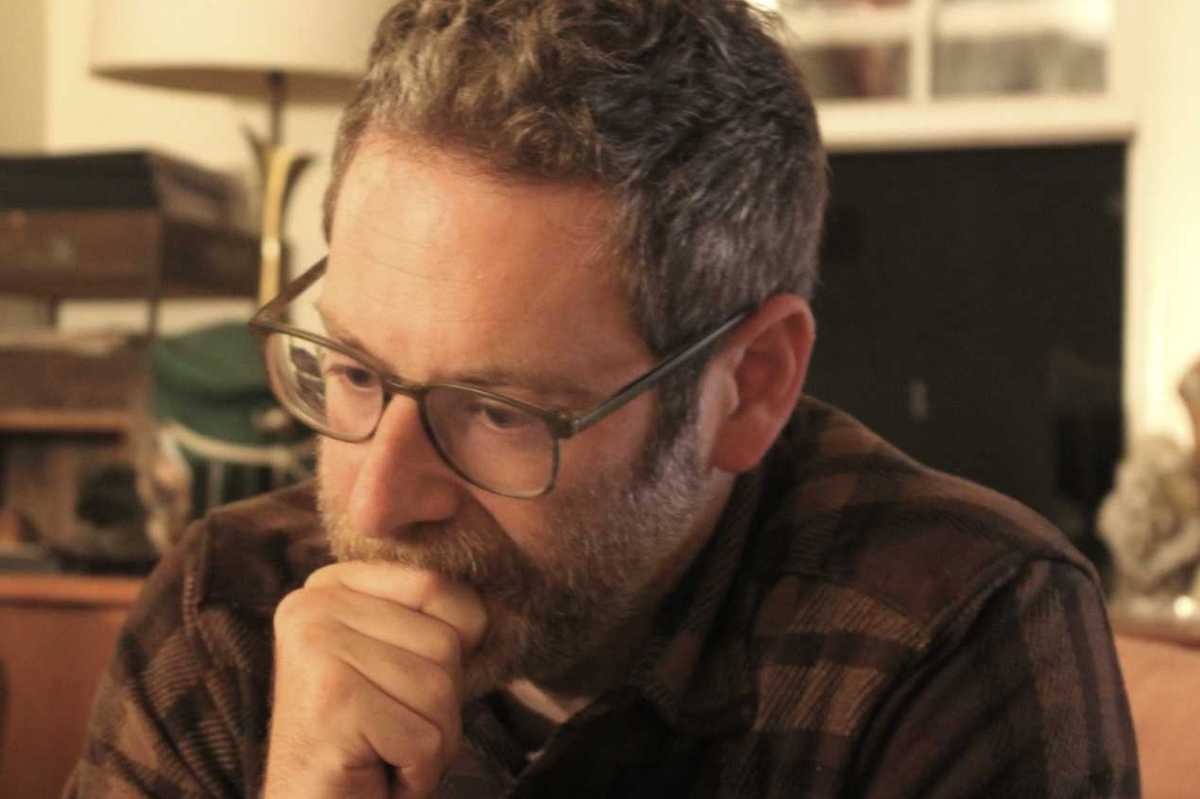

 Roger McKee naming the winners with the first place entry over his left shoulder. Patrick L. Sullivan
 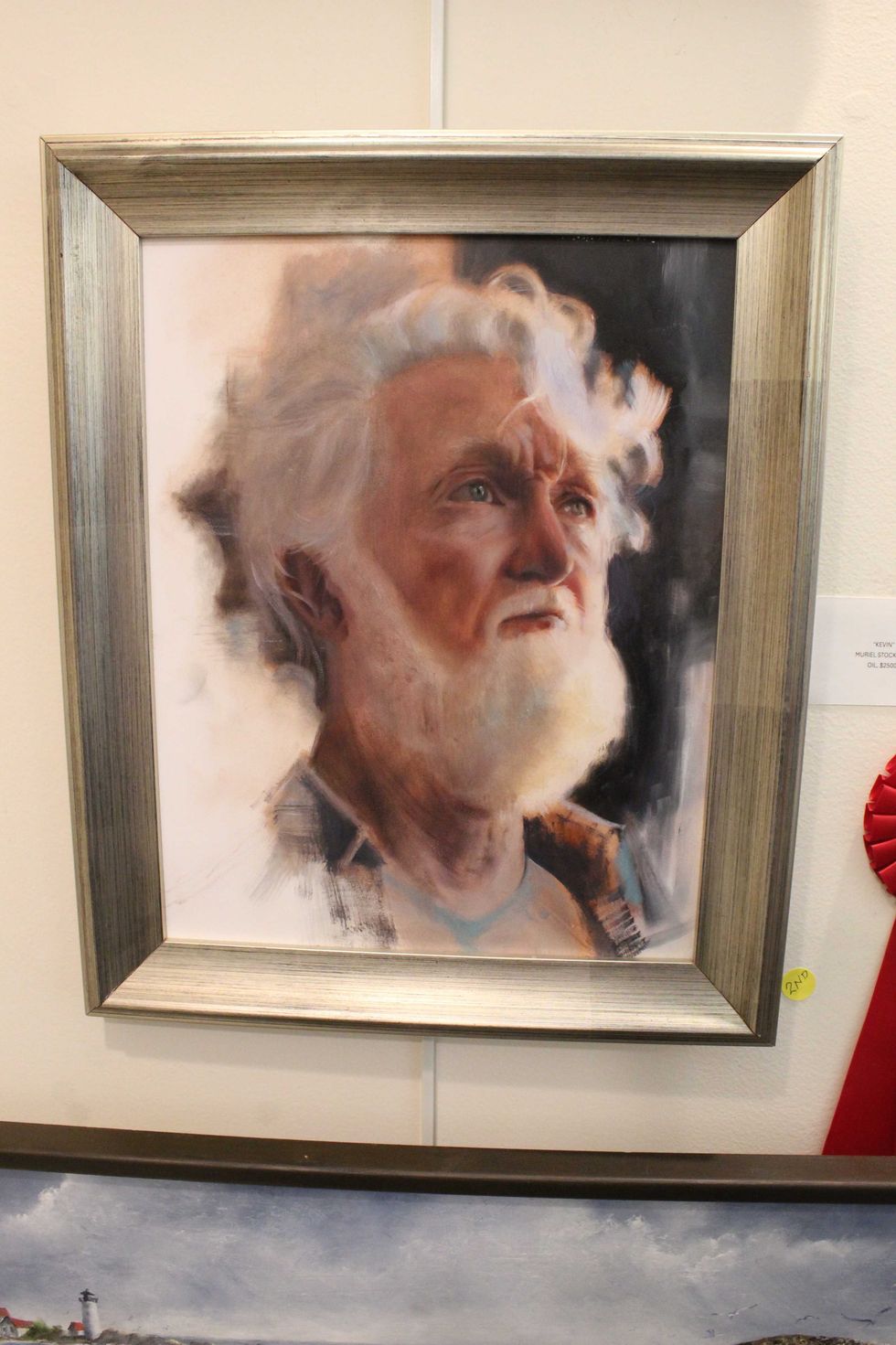 Muriel Stockdale’s “Kevin” took second place in the juried art show at Trinity Episcopal Church.Patrick L. Sullivan