“This program offers youth an opportunity to experience firsthand the power of advocating for change by interacting with local government.”
— Berkshire Taconic Community Foundation
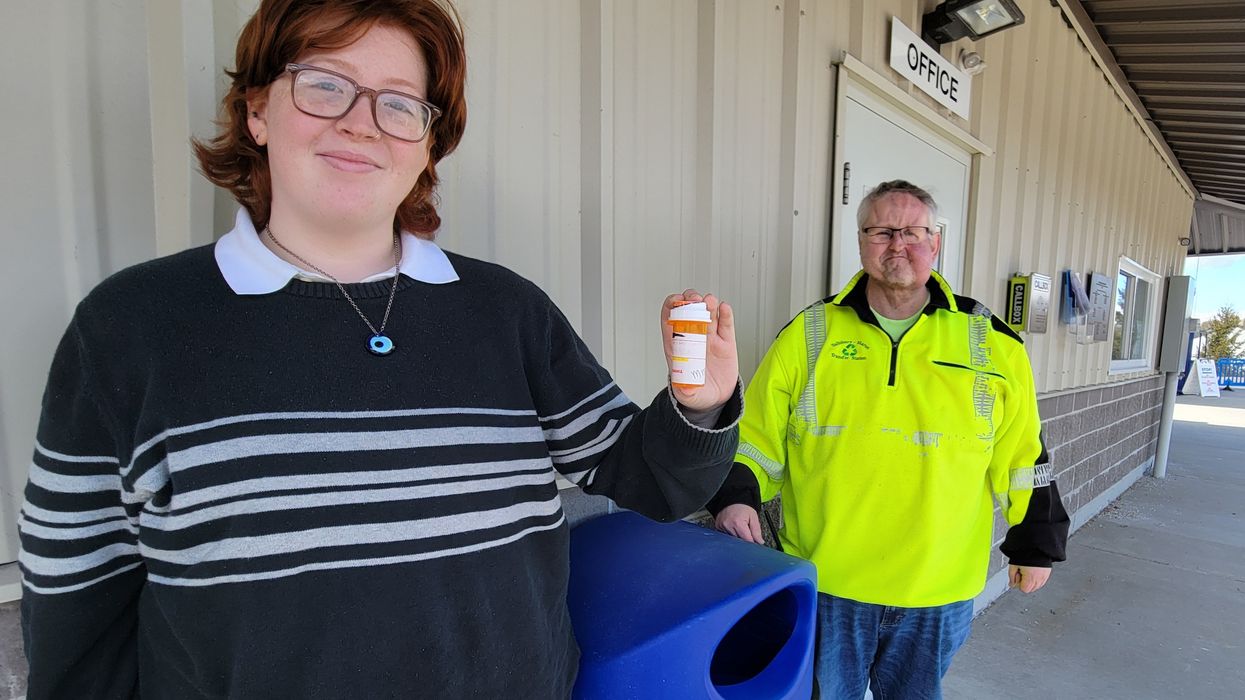
SALISBURY — This spring, the Salisbury-Sharon Transfer Station will host a bright, blue collection bin where residents can dispose of their empty, non-recyclable prescription pill bottles destined for developing nations where methods for distributing medications to those in need are primitive.
Meanwhile, in North Canaan, members of that town’s volunteer fire department have been trained on how to utilize a newly donated high-tech drone that will aid firefighters not only during search and rescue missions but also when responding to structure fires.
The community projects were conceptualized and initiated by two Housatonic Valley Regional High School students and made possible through a region-wide initiative known as the Youth in Democracy Fellowship program, administered through the Berkshire Taconic Community Foundation to promote youth involvement in local government.
Participants are selected based on their passion and commitment to active participation in community building to support their project.
Last fall the foundation partnered with the 21st Century Fund at Housatonic Valley Regional High School and Bard College in Great Barrington, Massachusetts. As a result, two HVRHS students, sophomore Daniel Moran and junior Alex Wilbur, have been working with a mentor from Bard and town officials on their respective year-long projects.
Moran developed and initiated the drone assistance program and training sessions for the North Canaan Fire Company and Wilbur is spearheading the pill bottle collection project at the Salisbury-Sharon Transfer Station.
Firefighters’ new drone
Moran, who has been intrigued by drones from a very young age, initially contacted Brian Ohler, North Canaan’s first selectman, and pitched the idea to supply the North Canaan Fire Company with a new drone and training to go along with it.
Moran and Ohler, who is also a long-time drone enthusiast, then presented the idea to Patrick McGuire, the fire department’s assistant chief, and the rest, as they say, is history.
“It’s rare for a young man to do what he did,” said McGuire of the student’s success in obtaining a $2,500 grant for the drone and then training members of his department on the technology.
“We haven’t used it yet,” due to fire department training, noted the assistant fire chief, “but we are hoping to get out there in the spring” and give it some airtime, said the assistant fire chief.
McGuire said the remote-controlled drone will help firefighters identify potential nearby water sources when battling structure fires in remote areas and also assist with search and rescue operations for people and animals.
“It could also fly above buildings and provide an aerial view of a burning structure,” enhancing safety for the volunteer firefighters arriving on scene, he said, noting that his department is extremely thankful for the gift.
Moran, 15, recalled that his infatuation with drones started at an early age and continued into high school, where he started a small drone program through the school’s agricultural education program and has assisted with training his peers.
“I’ve always been into drones,” the teen said during a recent Sunday morning meeting at the firehouse with Ohler, McGuire and his dad, David Moran, chair of the Agricultural Education Department at HVRHS.
Ohler praised Moran for identifying the community need and navigating the complex process.
“Daniel is very methodical. There were multiple steps, going back to the foundation, presenting all the data. I was very impressed. It’s really making, in a way, such a technological advancement to the capabilities of the fire department.”
Another bonus to the volunteer fire department’s new drone equipment, said Ohler, is that it may help lure young recruits.
“It shows them that there is more to firefighting than just putting out fires.”
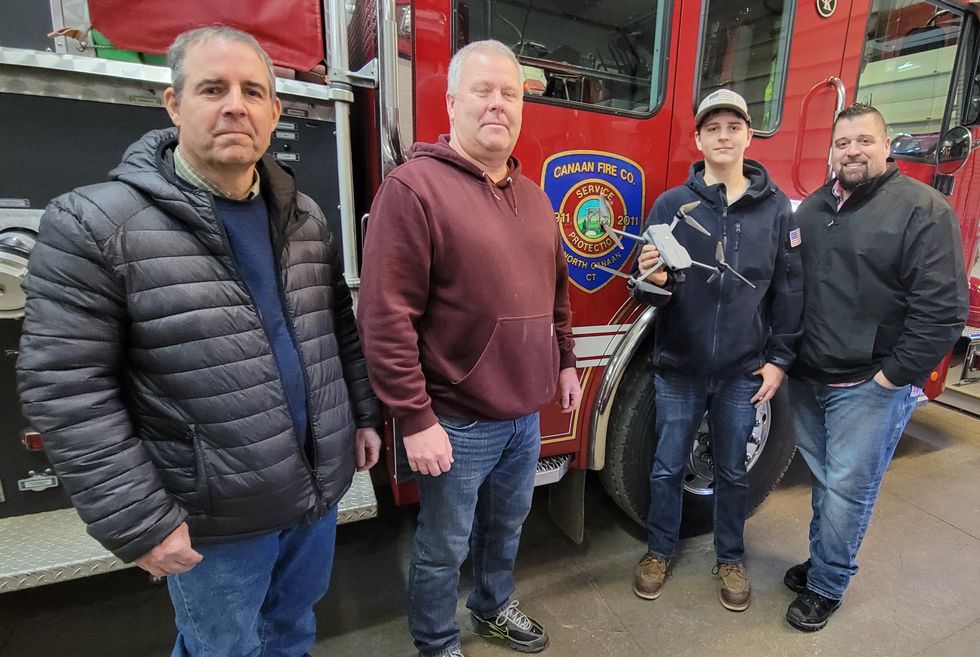 Daniel Moran, second from right, with the drone the HVRHS sophomore donated to the North Canaan Fire Company as part of his Youth in Democracy project.Moran is shown here with the town’s first selectman, Brian Ohler, right, Assistant Fire Chief Patrick McGuire, center, and David Moran, Agricultural Education Department Chair at the high school, left. Debra A. Aleksinas
Pilot program targets discarded pill bottles
Sixteen-year-old Alex Wilbur is passionate about her Youth in Democracy project, and over the past several months has been laying the groundwork for a pilot program to collect prescription pill bottles at the transfer station and have them distributed to developing nations.
The teenager met up with Brian Bartram, manager of the Salisbury-Sharon Transfer Station, last Saturday morning to discuss progress, which includes creating labels for the blue bin and distributing newsletters throughout the community.
“I am happy to be the facilitator, but the program is being administered by Alex,” noted Bartram, who plans to place a bright, blue plastic collection bin outside the transfer station’s office door. It will occupy space next to the Boy Scouts’ red, white and blue wooden collection box filled to the brim with torn and tattered American flags.
“They will be the leaders in a few years,” Bartram said, praising the youth initiatives.
Currently, most people dispose of prescription pill bottles with recyclables, but the problem with that, said the transfer station manager, is that due to their small size, pill bottles often end up mixing with recycled glass.
Removing them from the process, he said, helps the environment and the recycling process.
Wilbur is currently awaiting receipt of a $1,500 stipend for needed supplies, and once the collection bin is in place, the next step is to educate the public.
Most people take for granted that their medications come in resealable, clean containers, Wilbur said.However, in some parts of the world, medications are distributed in whatever health care providers or clinics have available, which could be something as basic as a folded scrap of paper.
“I am compiling a final budget and will start printing out labels and newsletters which I plan to hang up around the community,” explained the HVRHS senior, who also plans to be at the transfer station during the project launch to spread word to residents about the new initiative.
Once the bin is full, the pill bottles will be collected by Wilbur and her mom, Mary, and delivered to Ed O’Toole, leader of Berkshire Amistad in Pittsfield, Massachusetts, whose organization supplies Honduras with medical equipment and supplies.
“He goes to South America once every few months and has agreed to work with me and bring the pill bottles from here with him,” Wilbur explained.
A significant senior population
Jean Saliter, gate-keeper at the transfer station on Fridays and Saturdays, praised the teenager’s initiative, which is something she had tried to pitch years ago after hearing about a similar program started by a parish in the Chicago area where people were collecting, cleaning and shipping pill bottles “so that they could do good work in third world countries.”
The idea, however, was short lived, Saliter recalled, because the labels needed to be removed entirely from the plastic bottles, a task that turned out to be extremely labor intensive.
Under Wilbur’s proposal, only names need to be blacked out on the label.
“I’m thrilled,” about Wilbur’s project, Saliter said, noting that both Salisbury and Sharon have a significant senior population that generates countless empty pill containers.
A resident of the Noble Horizons, Saliter suggested it would make sense to start a collection among residents there and throughout the towns’ senior living communities, which can be delivered in bulk by volunteers to the transfer station.




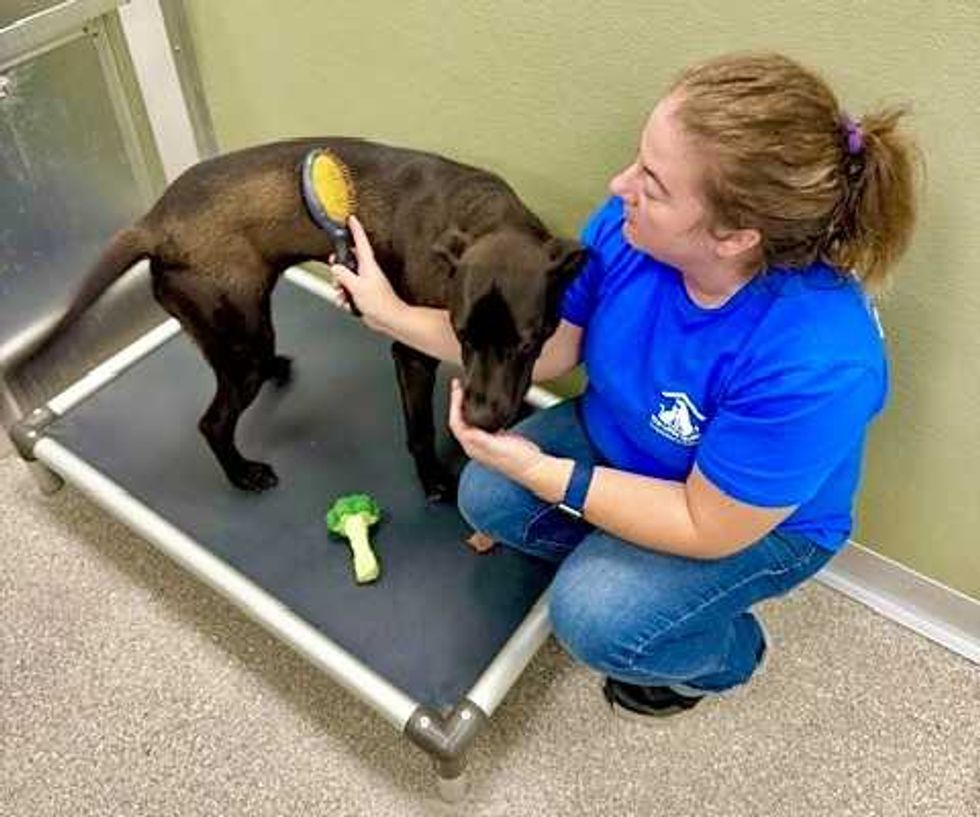 Tiffany Lemelin, shelter manager, brushing Marsala upon arrival.Provided
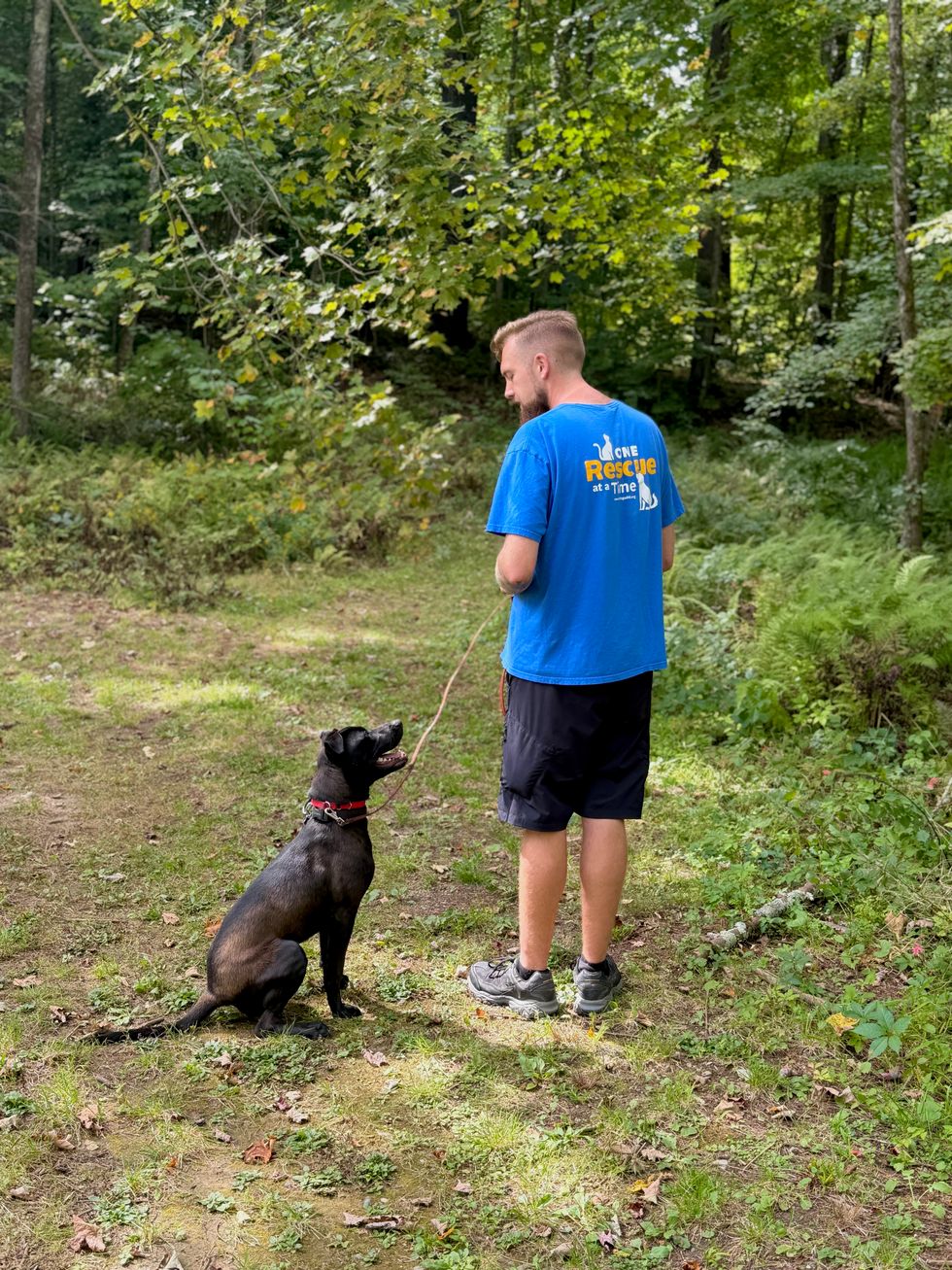 Michael DeBarba, certified dog trainer working with Marsala.Jennifer Almquist
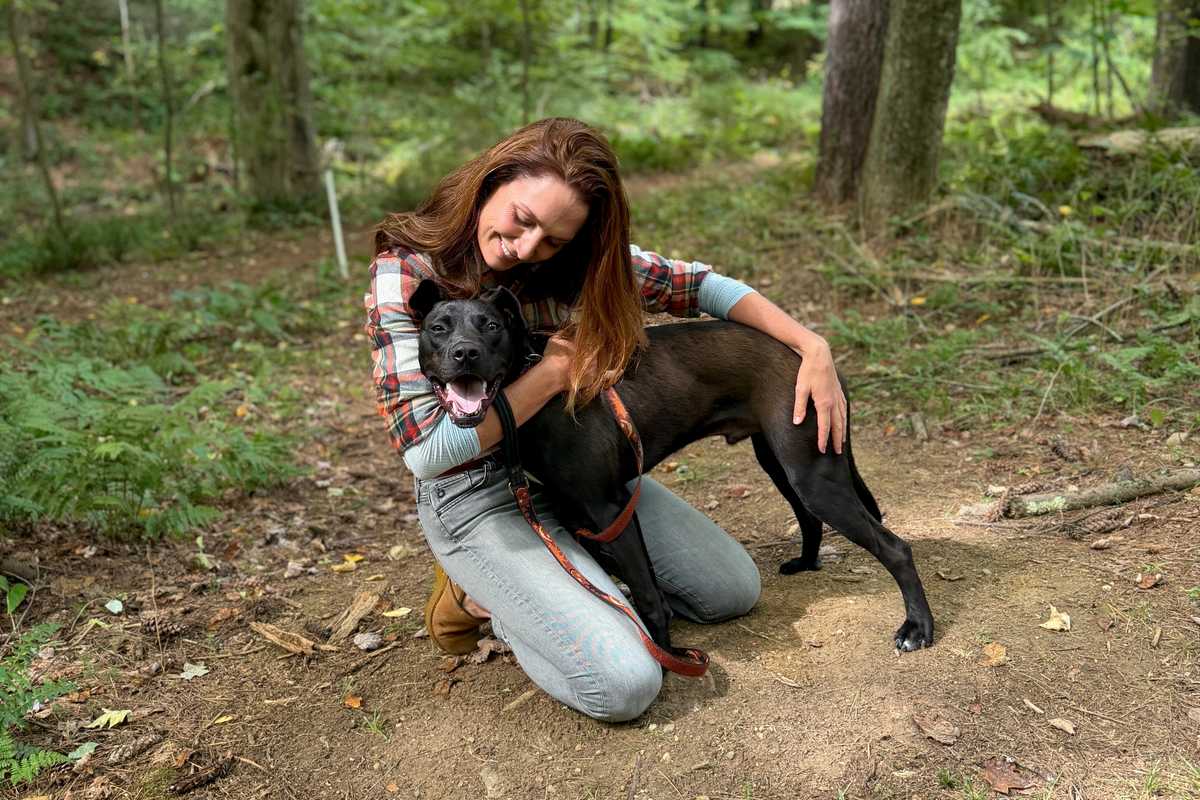 Marsala wins a heart.Jennifer Almquist