It is now a small percentage of American families that have members who serve in the military. With the volunteer armed services, those who enlist often have family members who have served, so are familiar with the military, or just simply believe it is the right thing to do. They are patriots who give up their lives and their freedoms while they are serving to protect their fellow citizens. It can be hard, though, for the general public to understand the difficulties veterans face when they return to civilian life and find they feel alienated, different from how they were when they left and different from their peers who did not serve.
What we see reported in the news surely only scratches the surface of what U.S. veterans face on their return home. However, it should be remembered that the national stories about a lack of services, difficulty finding medical care through the Department of Veterans Affairs and the hardships of coping with PTSD (Post Traumatic Stress Disorder) apply to local veterans as well as to those across the nation. These veterans are our neighbors and loved ones and need to feel the support of their community in order to deal with the problems that arise from leaving the military behind and returning to American society.
Can those of us who haven’t been through it, or watched as a loved one has gone through it, understand the sense of frustration any veteran, but especially one with PTSD, must feel when he or she is faced with multiple forms to fill out and phone calls to make just to try to access benefits that should be a given for them? After putting their lives at risk, and coming home injured, they should not have to ask for what is rightfully theirs. And they certainly should not have to ask again and again just to have access to medical care and their service benefits. Yet this is what veterans across the country are dealing with every day.
The knowledge that an average of 22 veterans a day are committing suicide should be enough to make us take notice that something has gone wrong in the way we welcome our veterans home. When budget cuts have to happen, veterans’ benefits should be the last to be affected. And those of us who have veterans in our lives need to remember that they may not reach out for help when they need it. So we must be vigilant, and ready to listen when they are ready to talk about their experiences and their challenges in adjusting to civilian life and being home. (See story, Page A8.)
June is PTSD Awareness Month, and while many who are not military veterans suffer from the condition, it can be a time to focus on the needs of veterans and the ways to meet them. For those who have PTSD as a result of some other trauma, the same tenets would apply, and the awareness of their struggles should help those in their lives give them support when they need it.
For information on PTSD awareness, go to www.ptsd.va.gov/about/ptsd-awareness, or contact your local veterans’ organization to see how you can help your fellow citizens who have served and come back home in need of support to make it in life.


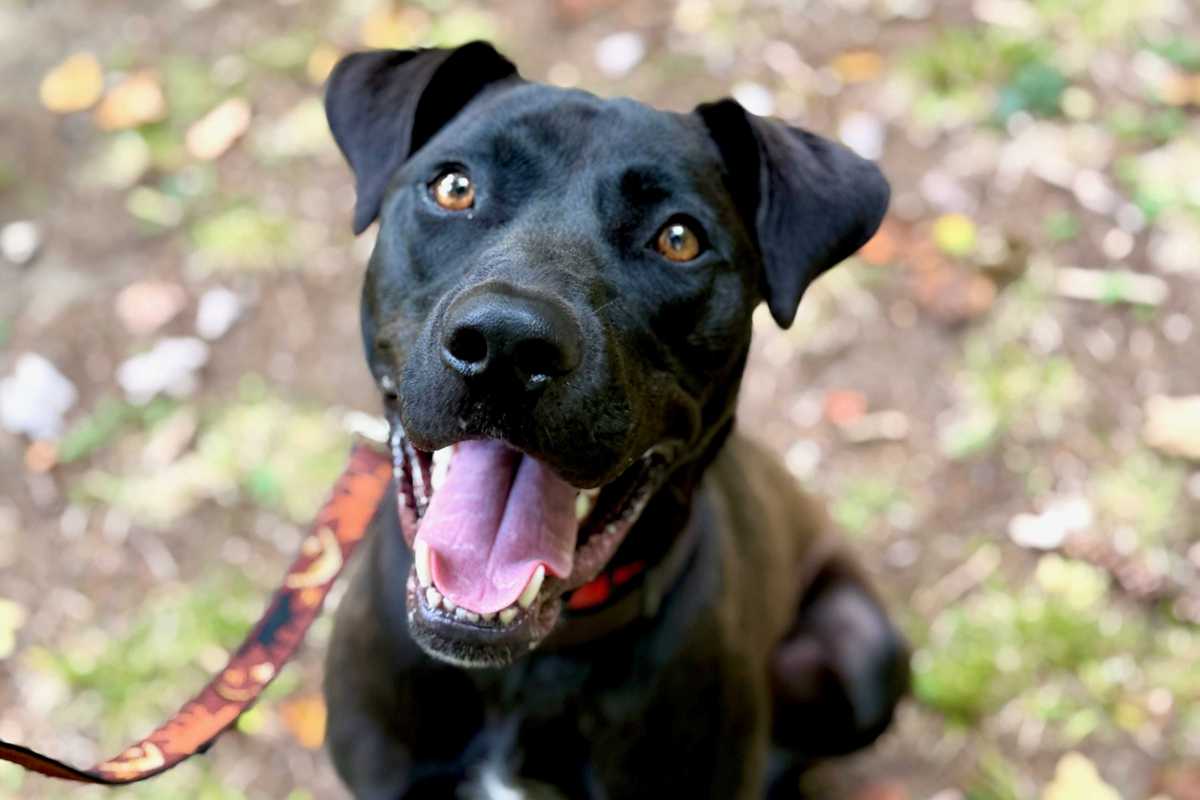
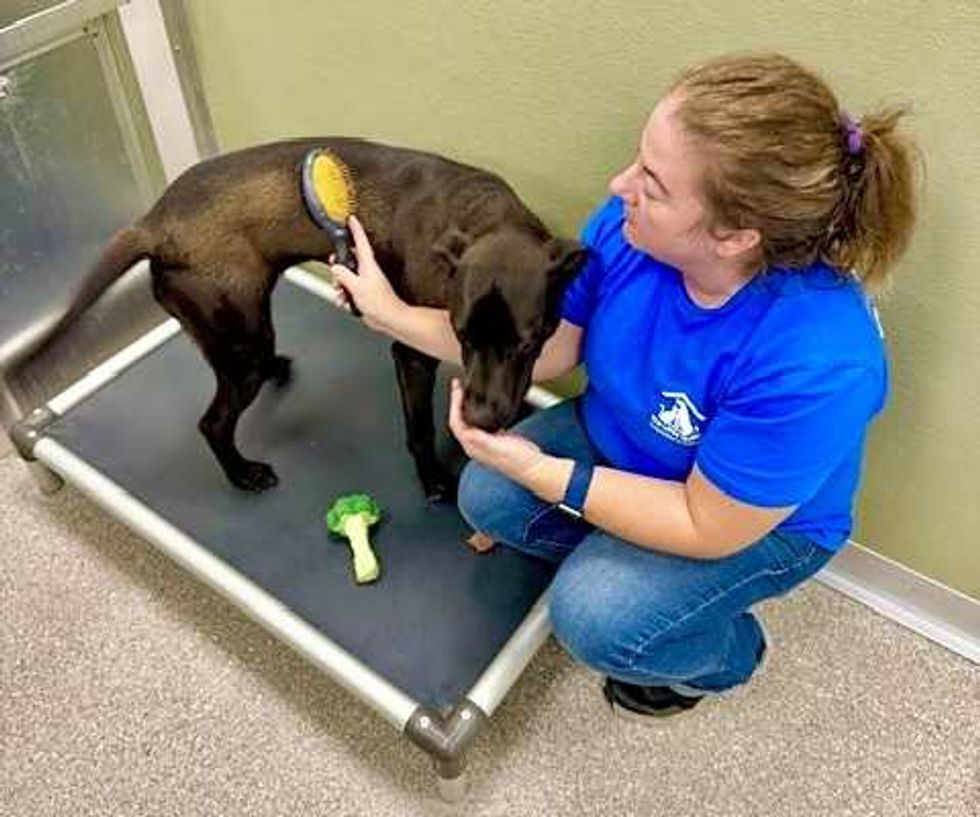 Tiffany Lemelin, shelter manager, brushing Marsala upon arrival.Provided
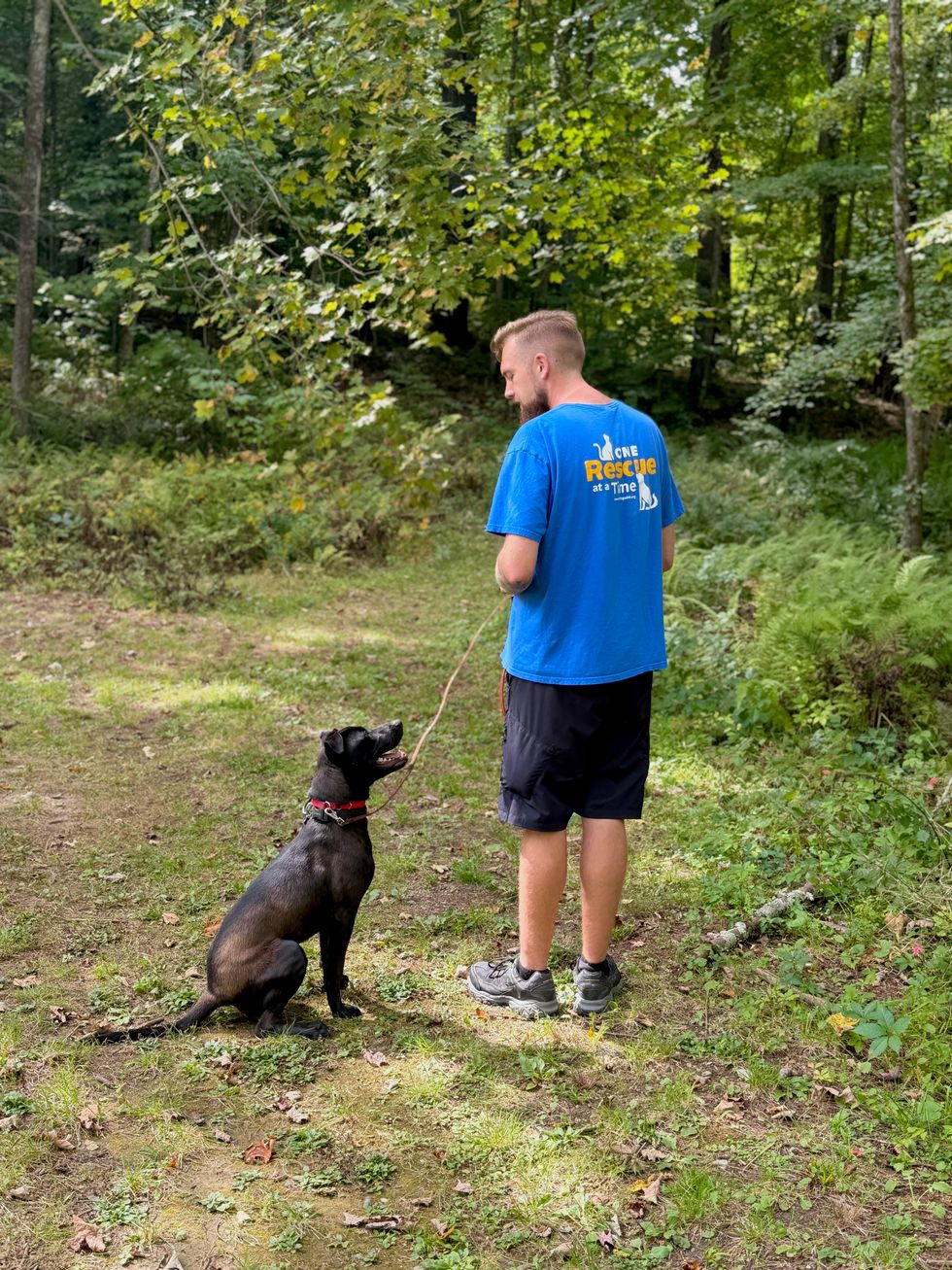 Michael DeBarba, certified dog trainer working with Marsala.Jennifer Almquist
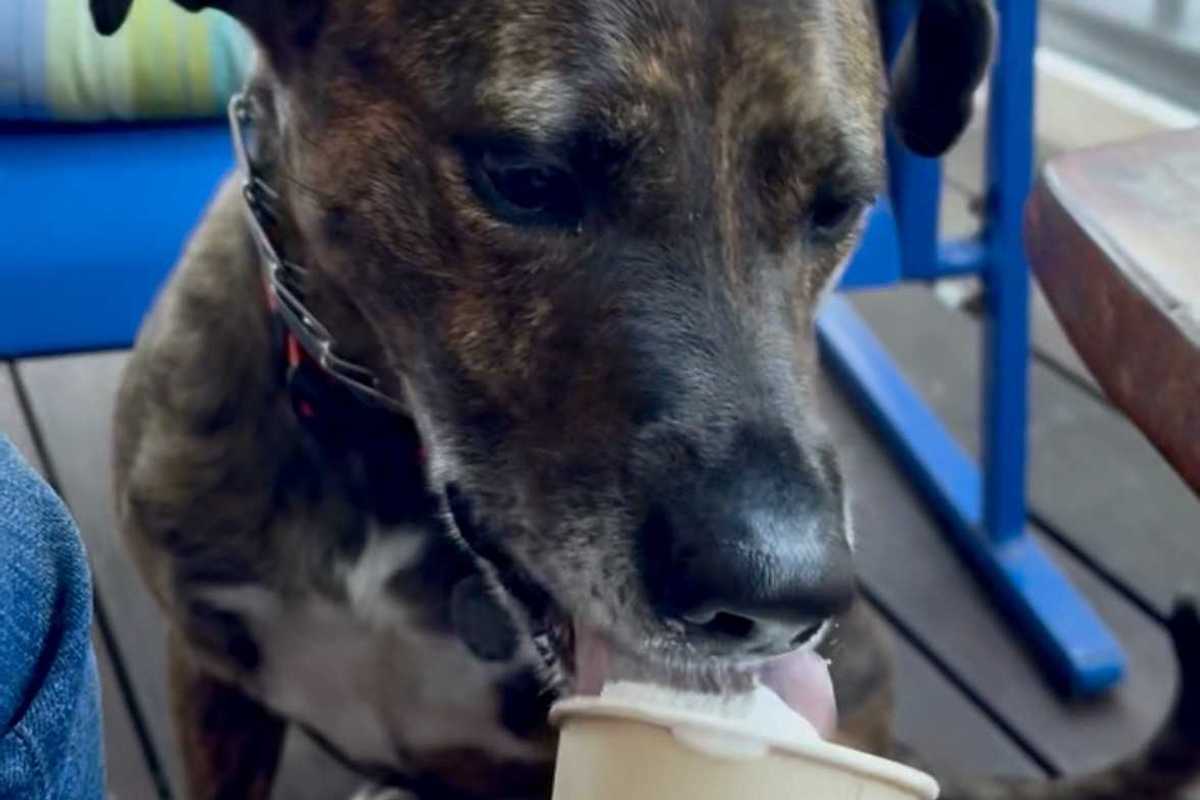
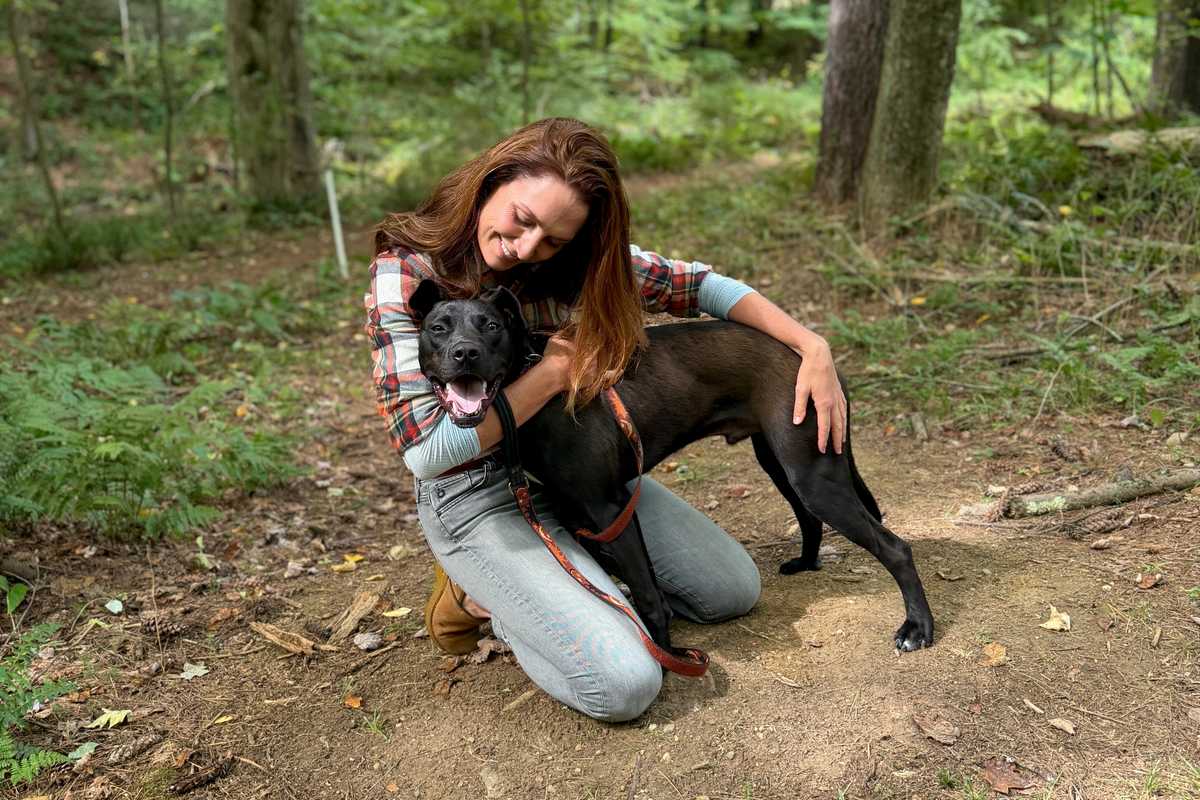 Marsala wins a heart.Jennifer Almquist