We never wanted Taiga to feel like a traditional restaurant. We wanted it to feel emotional, immersive and deeply personal — almost like stepping into another world for a few hours.
— Vlad Larvin
Walking into Taiga in Hudson for the first time did not feel like walking into a restaurant — it felt like stepping into a memory. As a Russian immigrant who grew up between cultures, I did not expect to find a place that evokes such a specific emotional response, both familiar and cinematic. Candlelight flickered against dark wood and vintage wallpaper while old Soviet-era music played softly in the background. The scent of herbs, smoke, tea and fresh blini filled the air — at once unfamiliar and deeply nostalgic. It became clear almost immediately why people speak about Taiga as more than simply a place to eat.
What makes Taiga unusual is that the food is only part of the experience. The restaurant was created by Vlad Larvin and his partner, Waldemar Sirko. Larvin, originally from Biysk, a small town in Siberia’s Altai region, worked in photography and fashion design before opening Taiga — fields that continue to shape every part of the restaurant today. Every detail — the lighting, photography, textures, music, pacing of the evening and even the scent in the air — feels intentionally designed to create emotion and atmosphere, not just visual style.
“We never wanted Taiga to feel like a traditional restaurant,” Larvin said. “We wanted it to feel emotional, immersive and deeply personal — almost like stepping into another world for a few hours.” That philosophy becomes immediately apparent the moment dinner begins.
Nearly everything at Taiga is made from scratch by Larvin, from delicate handmade dumplings to traditional blini and seasonal dishes inspired by Russian, Slavic and Central Asian influences. The menu changes frequently and reflects Larvin’s Siberian upbringing near Kazakhstan and Mongolia, where food culture naturally blended European and Asian traditions. Many ingredients are sourced locally from Hudson Valley farms, while certain teas, herbs, honey and spices come directly from the Altai region of Siberia — creating a menu that feels simultaneously rooted in two different worlds.
As someone who grew up around Russian food, I expected familiarity. What surprised me was the emotional accuracy of the experience. The dishes had the warmth and intimacy of home cooking while still feeling refined and modern. Larvin credits his grandmother, who taught him to cook from a young age, with instilling an emotional foundation around food. “In our culture, food was never just food,” he said. “It was love, care, generosity, conversation and connection.” That idea seems to define the entire atmosphere of Taiga.
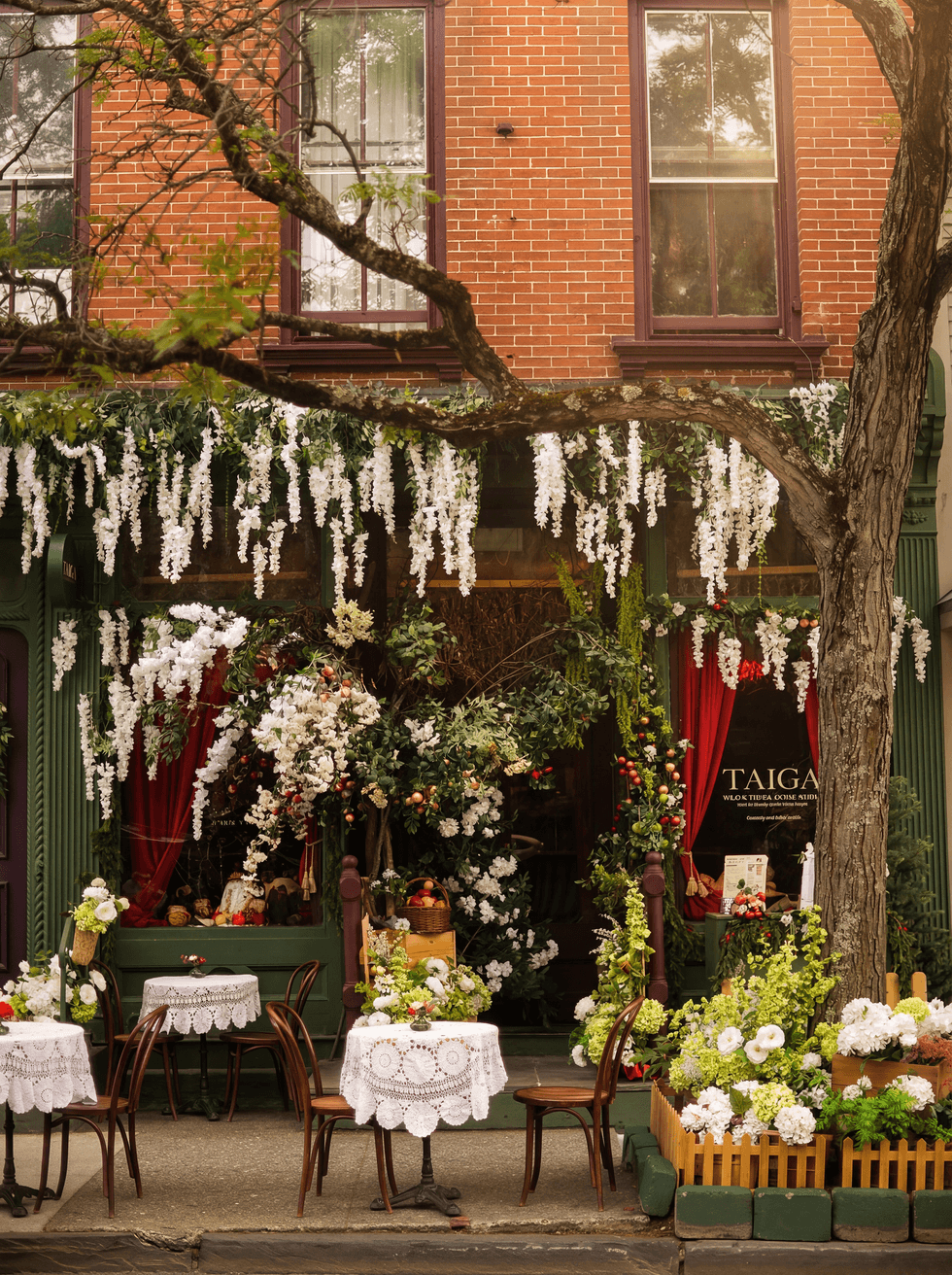 Taiga is located at 119 Warren St. in Hudson.Provided
Unlike many restaurants designed for quick turnover, Taiga encourages people to slow down. Tables glow under candlelight while guests linger for hours over wine, conversation and shared dishes. The restaurant’s Thursday movie nights further deepen that atmosphere, transforming the dining room into what Larvin describes as a “candlelit cinema,” where carefully selected American, European and Russian films play softly in the background. The effect is surprisingly transporting.
At one point during my visit, I looked around the room and realized almost nobody was looking at their phones. People were talking slowly, laughing, sharing plates and leaning into conversations. That sense of emotional presence is precisely what Larvin hoped to create.
“We want people to slow down, disconnect from the outside world and feel warmth, comfort, curiosity and connection,” he said. “Ideally, dinner at Taiga feels less like going to a restaurant and more like being invited into someone’s home late at night.”
Much of the restaurant itself was restored and designed personally by Larvin and Sirko. Vintage furniture, antique objects and much of the photography throughout the space were collected over years of travel or created by Larvin himself.
For many Americans unfamiliar with Russian or Eastern European culture, Taiga offers an introduction that feels intimate rather than stereotypical. But for Russian-speaking visitors, the experience can feel unexpectedly emotional.
There is something moving about hearing familiar music while eating handmade dumplings in a candlelit room in the Hudson Valley. Something about it collapses distance. For a few hours, Hudson felt connected to another world entirely — one built around hospitality, memory and gathering around a table. And perhaps that is what makes Taiga so compelling. It is not simply serving food. It is creating atmosphere, emotion and human connection in a time when many people seem desperately hungry for exactly that.
Taiga is located at 119 Warren St., Hudson. For menus and reservations, visit
taigarestaurant.com



 Tiffany Lemelin, shelter manager, brushing Marsala upon arrival.Provided
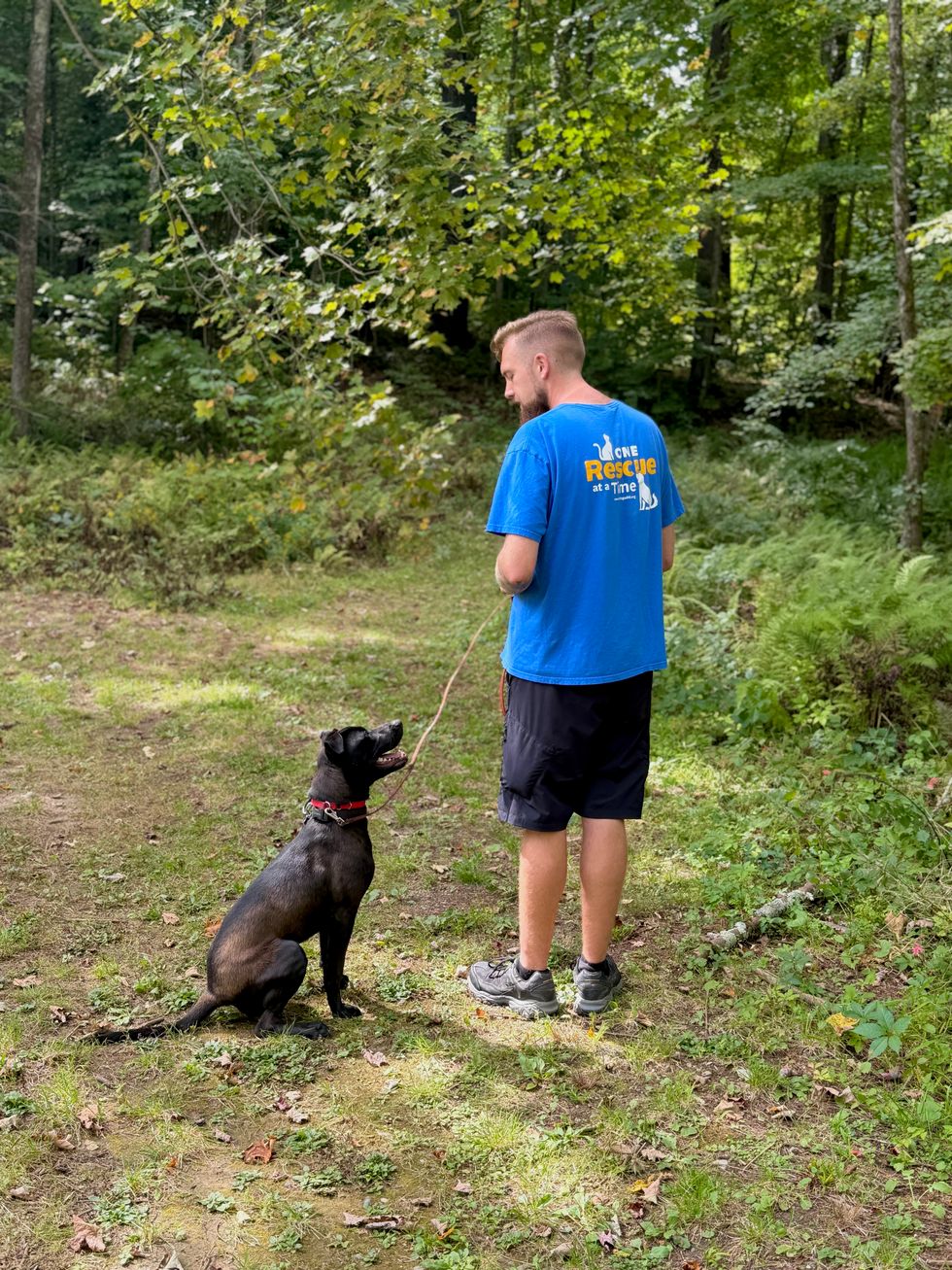 Michael DeBarba, certified dog trainer working with Marsala.Jennifer Almquist
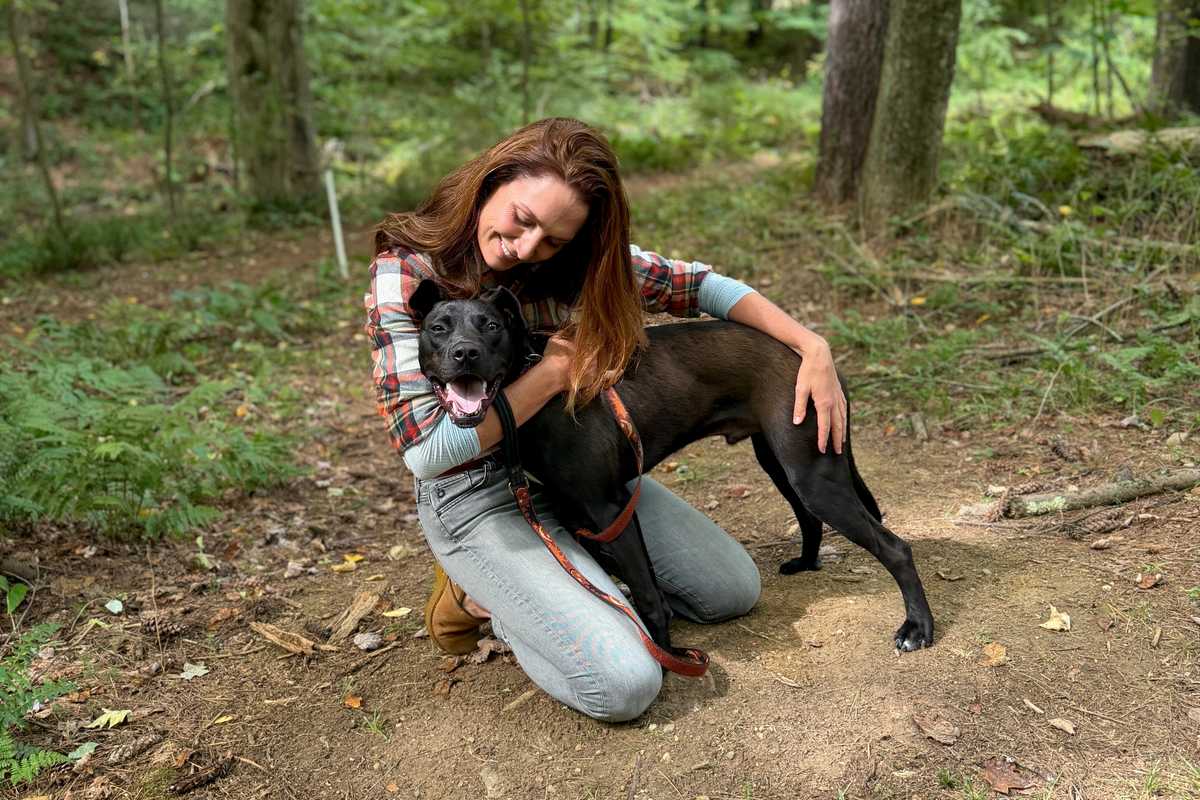 Marsala wins a heart.Jennifer Almquist

 Sadie, center, a Carolina dog, plays with her friend Negra, a terrier mix. Bella Linda, the small poodle, has since been adopted.L. Tomaino
 Wesley, a young, exuberant mix, is looking for an active home.L. Tomaino
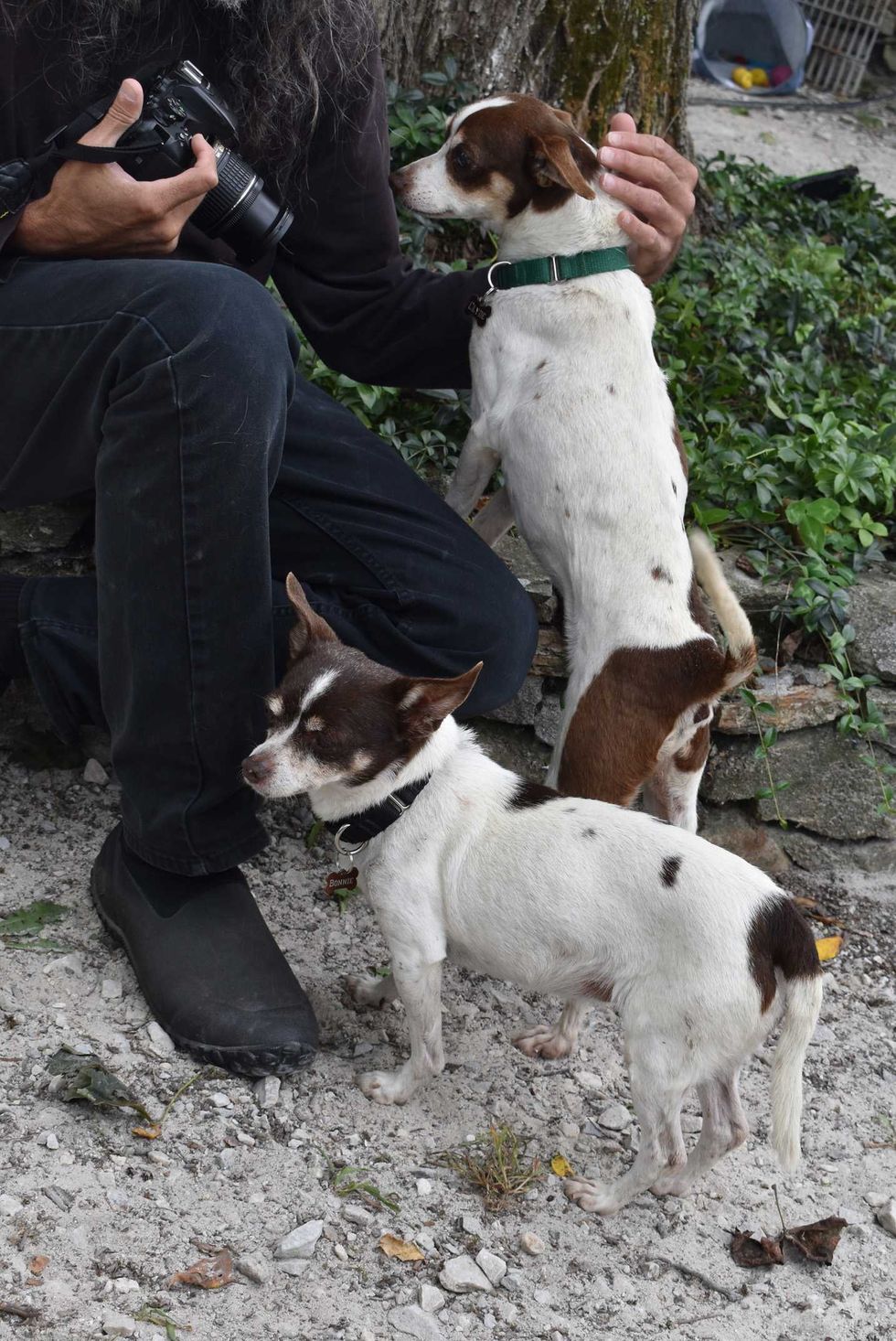 Bonnie and Clyde, an affectionate terrier pair.L. Tomaino

 Provided