With the recent death of George Phillips at 100, locals are remembering the Edgewood Restaurant, the Amenia supper club he and his wife, Anne Phillips, owned and operated together for more than two decades.
At the Edgewood, there were Delmonico steaks George carved in the basement, lobster tails from an infrared cooker, local trout from the stream outside the door, and a folded paper cup of butter, with heaping bowls of family-style potatoes and vegetables, plus a shot glass of crème de menthe to calm the stomach when the modest check arrived after dessert.
It began as a former gas station and tavern called The Narrows, on the road to Sharon, around a switchback east of Troutbeck. It became a roadhouse restaurant for weddings, bar mitzvahs, proms, graduations, birthdays and holidays with relatives. At Easter, New Year’s and Christmas, George and Anne served the food free — customers only paid for drinks as a thank-you for another good year.
It was a different time. Amenia was an isolated dairy farming community, and two large state psychiatric hospitals employed 4,000 potential diners. People needed a friendly neighborhood restaurant run by a local couple who knew everybody. They offered special-occasion favorites: fried chicken, meatloaf, sliced turkey with gravy, pork chops from nearby farms, and fresh white bread baked at 4 a.m. by George.
There was no maître d’. Waitresses, many still teenagers, greeted guests and helped them find a table. Cloth napkins and sturdy white plates sat in a knotty pine dining room that felt more like a family home than a formal restaurant. Large tables down the center accommodated families. George and Anne fed the staff before opening, and everyone ate the same meals served to customers. Everything was homemade classics of the 1950s and ’60s: cold shrimp and cocktail sauce, stuffed mushrooms, veal parmesan, King crab, clams and oysters on the half shell, chopped hamburger steak, French onion soup, fried chicken and pumpkin pie.
George was a tough but fair boss with a quirky sense of humor. Former employee Kevin Rooney, who worked there as a teenager, recalled being served a hot fudge sundae on a sweltering day — only to discover the “ice cream” was Crisco. Revenge came later in the form of a Coke spiked with Tabasco sauce.
George also kept a series of German shepherds — Rinny, Schultz and Dooley — named after a Jonathan Winters routine featuring talking beer steins. The dogs were locked inside at night for security. Tony Robert, another former employee, remembered coming in one day to find Schultz with the seat of someone’s pants in her jaws. When kids tried to sneak into a dance through the bathroom window after the fire marshal had closed the overcrowded place, George put Rinny in the restroom. Problem solved.
Anne also ran a no-nonsense operation. She marked liquor bottles at night so no one would sneak a drink, though the cleanup crew found ways around it, sipping the blackberry liquer instead. Along with cooking and baking everything from scratch, she raised their children in a life closely tied to the restaurant. The bus dropped their daughters off there after school, and one recalled doing homework while the family spent more time in the restaurant than in their nearby home.
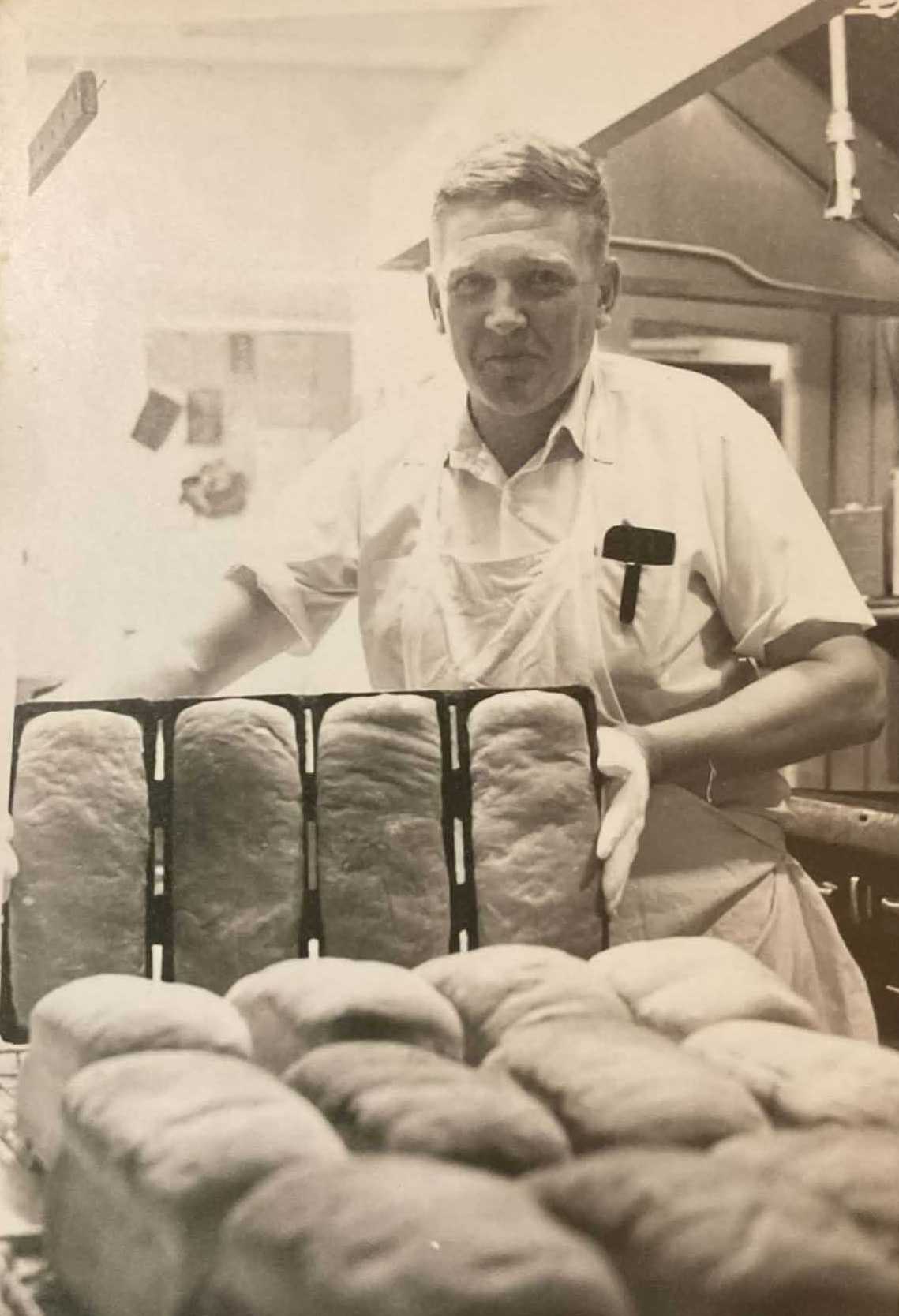 George Phillips bakes fresh bread in the early morning hours at the Edgewood Restaurant.Provided
After 23 years of long hours — often more than 100 a week — George began stepping back, at times closing the restaurant to recover. He later moved into real estate and Anne opened a successful craft store.
George sold the place in 1972. At one point, it became a lively beer joint and concert venue, featuring local bands, such as Random Concept, Little Village and Good Friend Coyote. When New York lowered its drinking age to 18 — while it remained 21 just across the state line — it drew crowds from Connecticut. Locals called them “Connecticut Rags,” kids with fancy cars who came to dance, drink and sometimes fight, rocking the floors so hard they bounced like a trampoline and shook dust from the rafters.
At closing time, they had to dodge police waiting across the state line. Sometimes Jack Rooney, Kevin’s father and the bartender, drove them home. One morning, Betty Rooney got a call from a worried mother asking if her son was there. “If he’s wearing red tennis shoes,” she said, “he’s asleep on my front lawn.”
The Edgewood also drew actors from the Sharon Playhouse and notable visitors, including Paul Newman, Cole Porter and even Supreme Court justices. George showed silent movies on a sheet in the dining room, and guests could dance to the Les Schulman Orchestra or to George and his brothers, who had their own band.
It served as a gathering place for groups such as the Eastern Artificial Insemination Cooperative and for events like the Knights of Columbus Communion breakfast. Families marked milestones there — including one that celebrated five birthdays at a Palm Sunday brunch in 1970.
Christmas dinner cost $3 and included stuffed olives, roast pig, prime rib, Virginia ham, deep-sea scallops, Long Island duck, creamed onions and, of course, crème de menthe parfait. On New Year’s Eve 1959, dinner was $15 a couple — $7.50 each for all the champagne you could drink.
The venue came to an end when the building burned to the ground in 1985.
The building is gone, but not the memories — the laughter, the music, the meals, and George carving steaks by hand. He lived a century, but the Edgewood, for those who knew it, was timeless.
Next time you’re driving to Sharon and pass the empty, weedy lot with a rusty electric meter, imagine calling George’s old number to make a reservation for a place that lives on in memory.
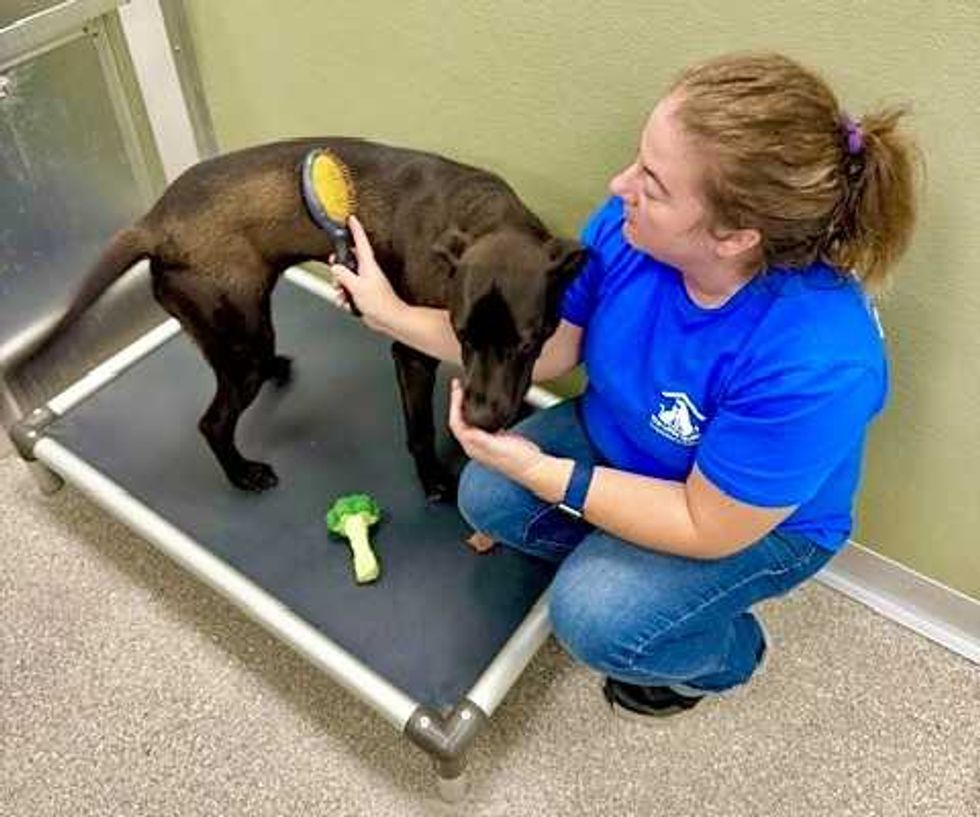 Tiffany Lemelin, shelter manager, brushing Marsala upon arrival.Provided
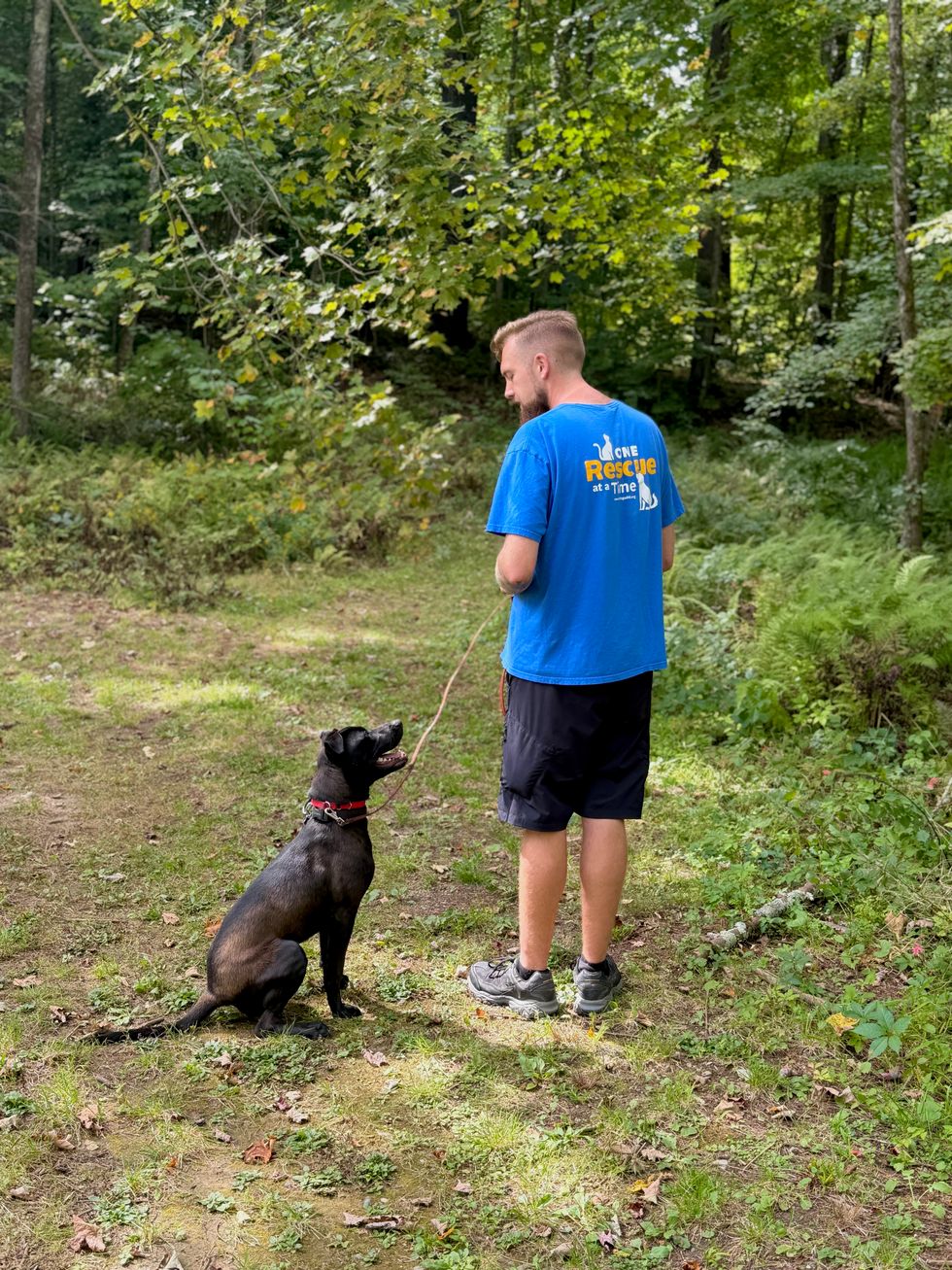 Michael DeBarba, certified dog trainer working with Marsala.Jennifer Almquist
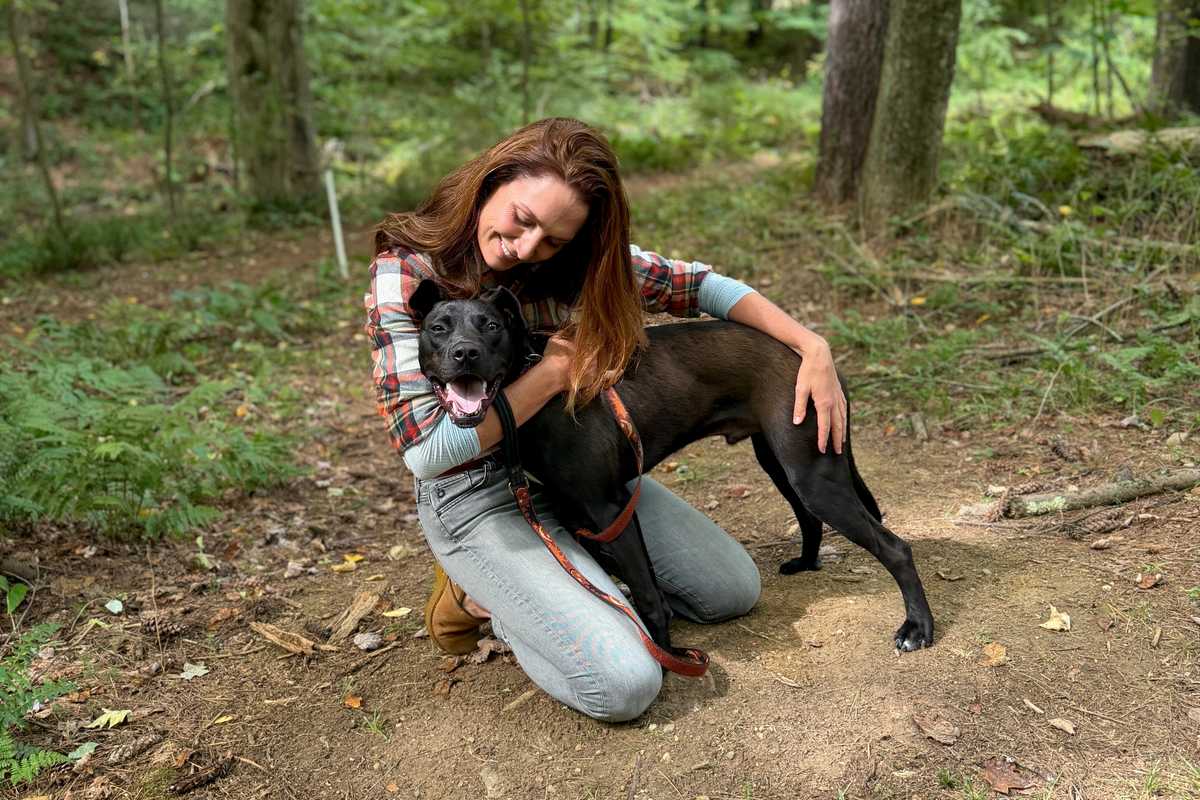 Marsala wins a heart.Jennifer Almquist
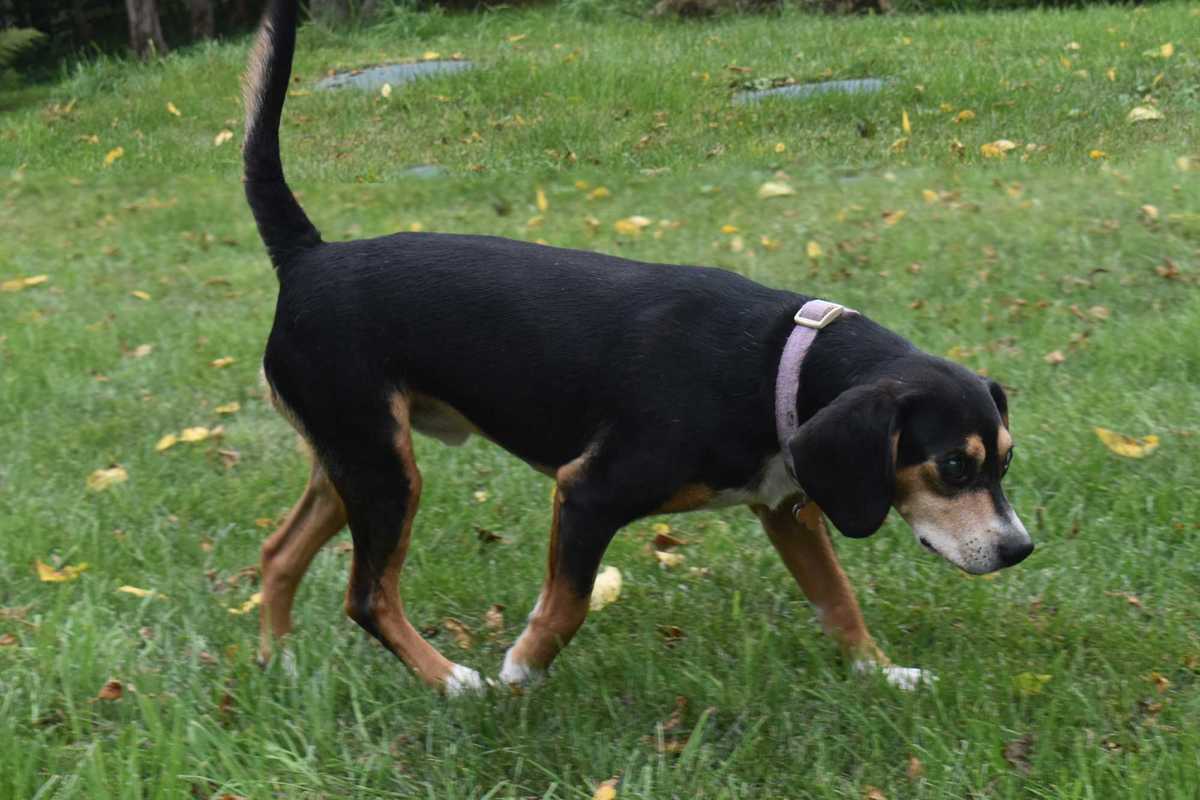
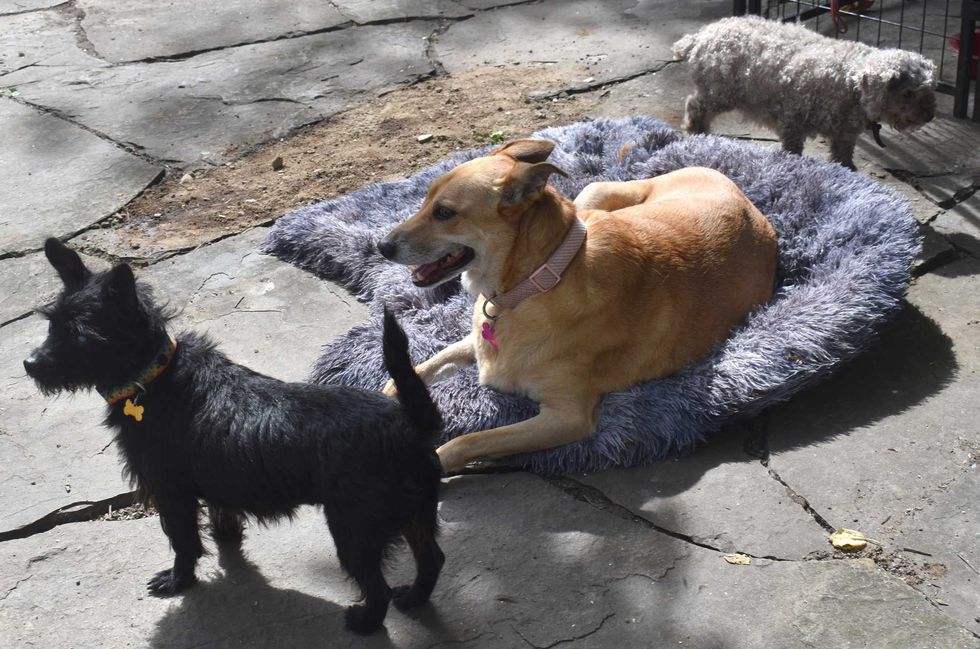 Sadie, center, a Carolina dog, plays with her friend Negra, a terrier mix. Bella Linda, the small poodle, has since been adopted.L. Tomaino
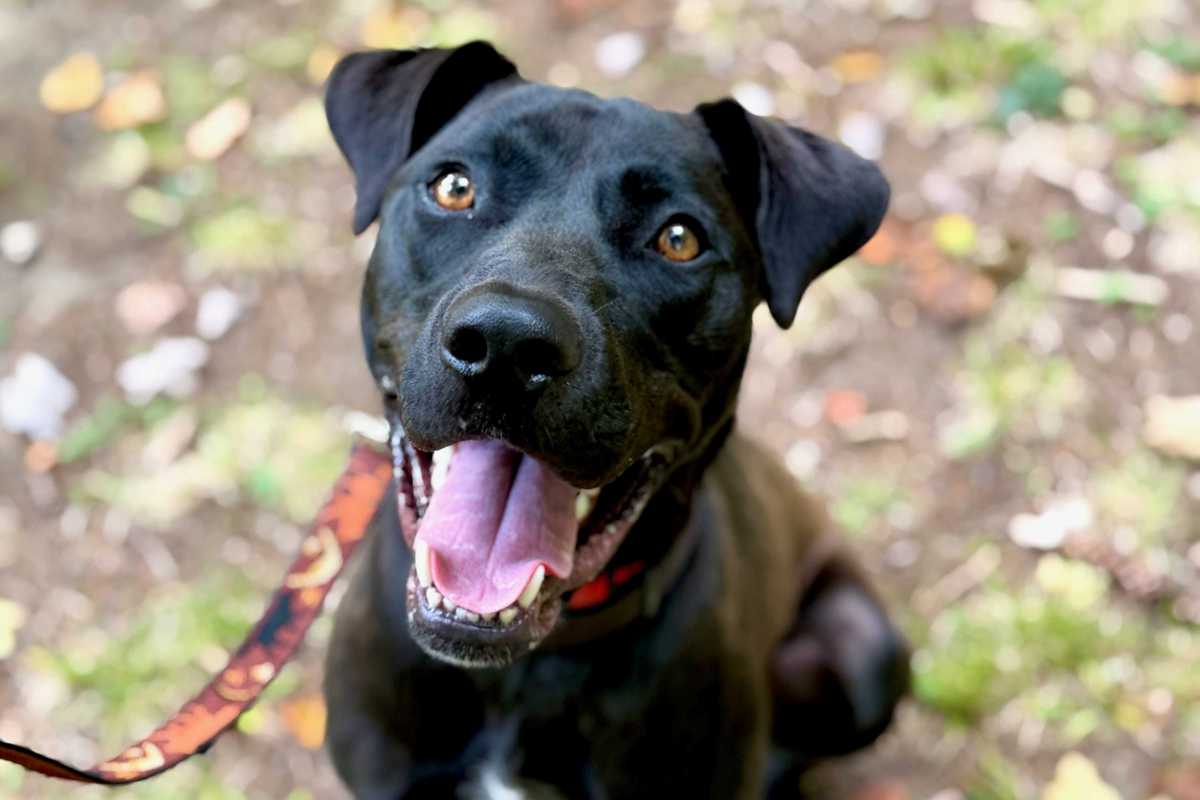
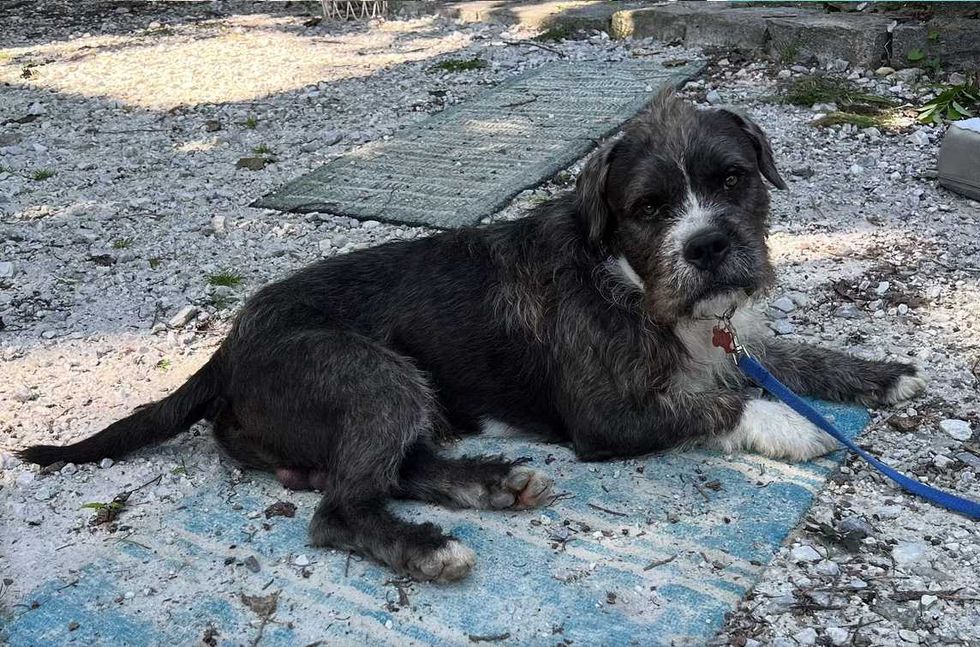 Wesley, a young, exuberant mix, is looking for an active home.L. Tomaino
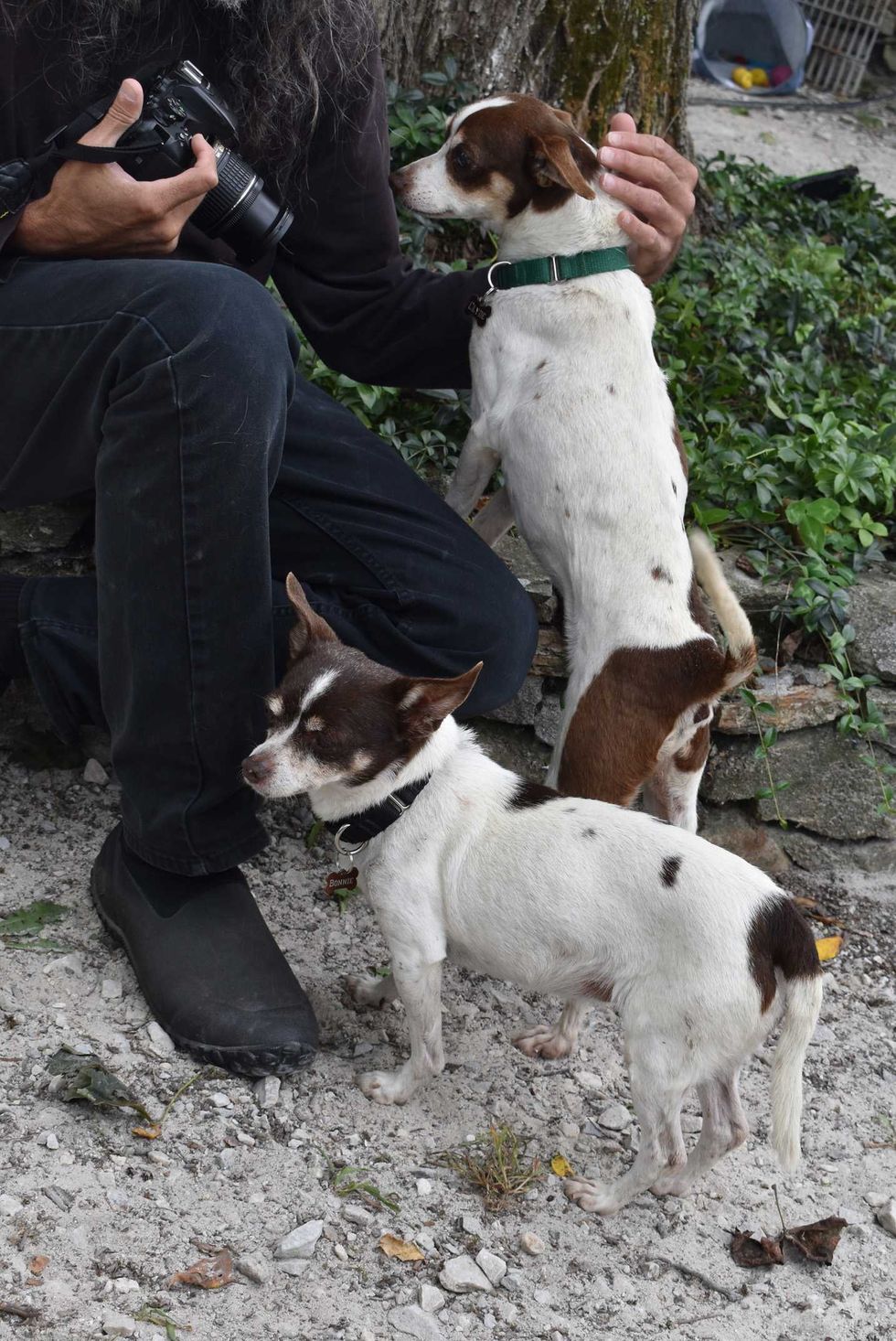 Bonnie and Clyde, an affectionate terrier pair.L. Tomaino
 Provided