A tale of two platforms

Now that the exuberant Republican and Democratic national conventions in Cleveland and Philadelphia are over, with their flag-waving appeals to patriotic fervor and their affirmations of the virtues of favored candidates for high office, the time has come for more sober reflection on the policies the two parties represent, which the candidates up and down the ballot, once elected, will be called upon to realize.

This, of course, presumes that we know what the overall policy issues and specific positions actually are. A good way to get an overview of this is to compare line-by-line pronouncements of the two party platforms actually adopted during their respective conventions. What does the Democratic Party platform say, and what does the Republican Party platform say, about major policy issues of concern to you?  For most of us in the Northwest Corner of Connecticut, a major issue is the environment. Both parties promise Environmental Progress, writ large, but let’s review their respective proposals in a bit more detail.

The Democratic platform leads off with dire warnings and statistics, drawn from scientific sources, concerning man-made environmental pollution, global warming and the need “to combat climate change.” In contrast, the GOP platform denies this and passes climate change off as “politicized science.”

The Democratic platform then calls for building a clean energy economy, reducing fossil fuel pollution by maximizing solar energy and other sources of renewable energy. The ultimate aim is to “power every home in America.”  This requires responsible regulations and standards for controlling greenhouse emissions, such as carbon dioxide, as well as tax incentives for homes and industry to promote energy efficiency. In particular, say the Democrats, this means federal regulation curtailing the dangerous practice of  fracking.

The GOP platform dismisses all this as the Democratic Party’s “radical agenda against the fossil fuel industry,” and in particular, President Obama’s “War on Coal.” According to the platform, “Coal is an abundant, clean and affordable domestic resource.” The GOP platform would cancel the Clean Air Act and the proposed Clean Power Plan, and would oppose any carbon tax to conserve energy.  The Republican platform would repeal any act  regulating emissions, and  even proposes to abolish the federal Environmental Protection Agency (EPA).  Instead, responsibility for the environment would be shifted to the individual States. Any federal fracking regulation should be killed because nothing should limit the freedom and profitability of fossil fuel resource development.

Both party platforms mention the Keystone XL Pipeline intended to transport Canadian tar-sands oil across the United States and onward for export abroad. But their views are diametrically opposed. The Democratic platform endorses a “Keystone test” to reject infrastructure projects that will exacerbate pollution and climate change. In contrast, the Republican platform pledges to complete the Keystone XL pipeline, and build others like it, “for national security reasons.”

The Democratic platform supports, and intends to comply with, international agreements that limit environmental pollution and reduce human contribution to global climate change. In contrast, the Republican platform explicitly states: “We reject the agenda of both the Kyoto Protocol and the Paris Agreement.” The Republican platform rigorously opposes any national or international attempts to limit the freedom of action or the future profits of global capitalism.

The Democratic platform affirms policies for protection of our public lands and waters, most especially the preservation of natural space and “America’s best idea,” the creation of national, state and local parks, as well as designated “scenic” rivers and trails, and national monuments. 

In contrast, the Republican platform declares  that: “Congress should give authority to State regulators to manage energy resources on federally controlled public lands within their respective borders.” Each state will thus be empowered to determine the balance between protecting the natural environment and protecting developers’ rights to exploit formerly protected federal lands within the state. The Republican platform explicitly revokes the president’s power to designate national monuments.

 The fundamental differences between the Democratic and Republican platforms on environmental progress should be abundantly clear. It is now for each of us, the citizen voter, to vote our conscience for the policies and candidates that best reflect our views and beliefs. 

The future of our country is in our hands. Finally, if we don’t vote, we don’t count, and in that case the environment pays the price and we have no one else to blame but ourselves.


Sharon resident Anthony Piel is a former director and general legal counsel of the World Health Organization. 

Latest News

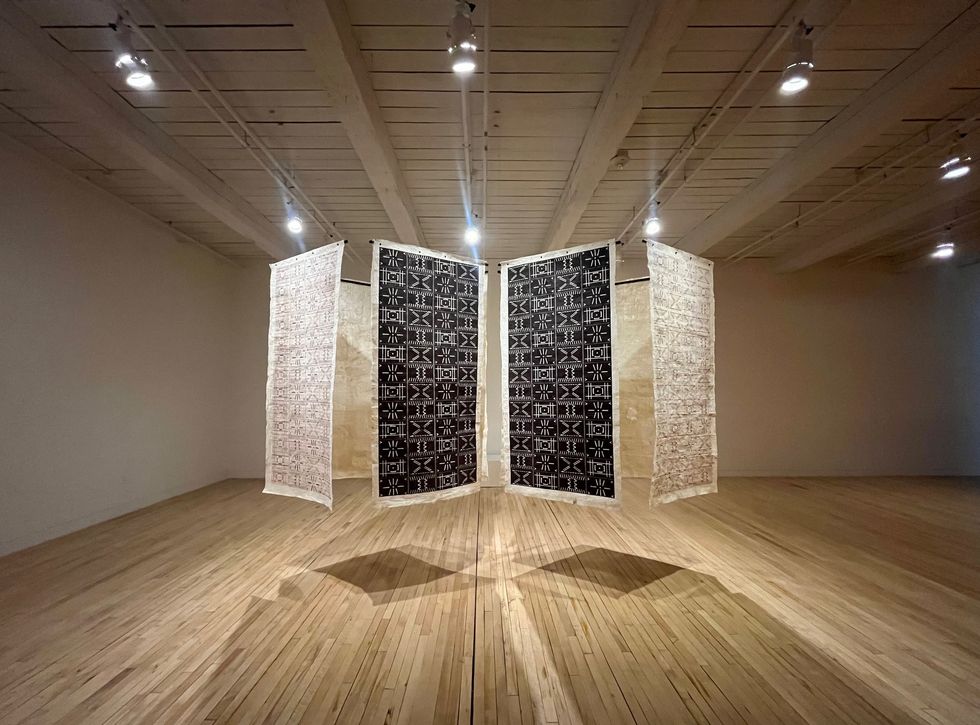
Living art takes center stage in the Berkshires

Contemporary chamber musicians, HUB, performing at The Clark.

D.H. Callahan

Northwestern Massachusetts may sometimes feel remote, but last weekend it felt like the center of the contemporary art world.

Within 15 miles of each other, MASS MoCA in North Adams and the Clark Art Institute in Williamstown showcased not only their renowned historic collections, but an impressive range of living artists pushing boundaries in technology, identity and sound.

Keep ReadingShow less
Persistently amplifying women’s voices

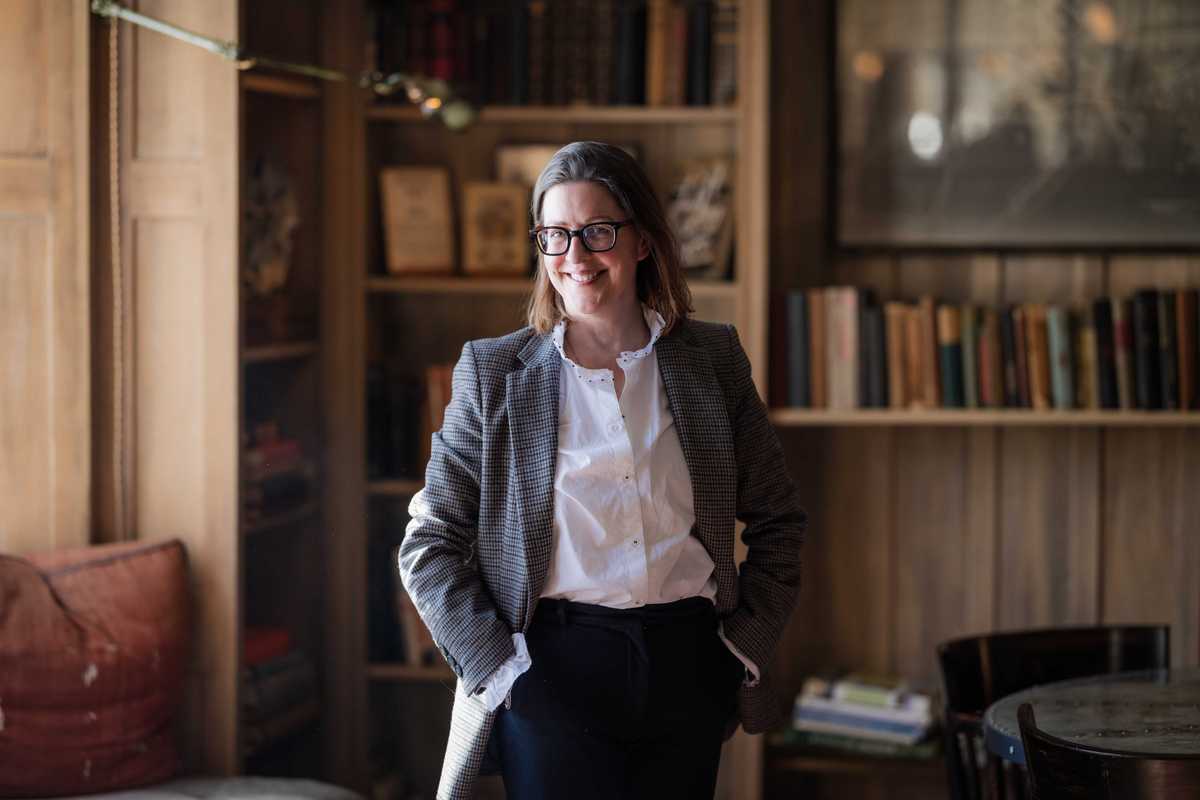
Francesca Donner, founder and editor of The Persistent. Subscribe at thepersistent.com.

Aly Morrissey

Francesca Donner pours a cup of tea in the cozy library of Troutbeck’s Manor House in Amenia, likely a habit she picked up during her formative years in the United Kingdom. Flanked by old books and a roaring fire, Donner feels at home in the quiet room, where she spends much of her time working as founder, editor and CEO of The Persistent, a journalism platform created to amplify women’s voices.

Although her parents are American and she spent her earliest years in New York City and Litchfield County — even attending Washington Montessori School as a preschooler — Donner moved to England at around five years old and completed most of her education there. Her accent still bears the imprint of what she describes as a traditional English schooling.

Keep ReadingShow less
Jarrett Porter on the enduring power of Schubert’s ‘Winterreise’
Baritone Jarrett Porter to perform Schubert’s “Winterreise”
Tim Gersten

On March 7, Berkshire Opera Festival will bring “Winterreise” to Studio E at Tanglewood’s Linde Center for Music and Learning, with baritone Jarrett Porter and BOF Artistic Director and pianist Brian Garman performing Franz Schubert’s haunting 24-song setting of poems by Wilhelm Müller.

A rejected lover. A frozen landscape. A mind unraveling in real time. Nearly 200 years after its premiere, “Winterreise” remains unnervingly current in its psychological portrait of isolation, heartbreak and existential drift.

Keep ReadingShow less
google preferred source

Want more of our stories on Google? Click here to make us a Preferred Source.
A grand finale for Crescendo’s 22nd season

Christine Gevert, artistic director, brings together international and local musicians for a season of rare works.

Stephen Potter

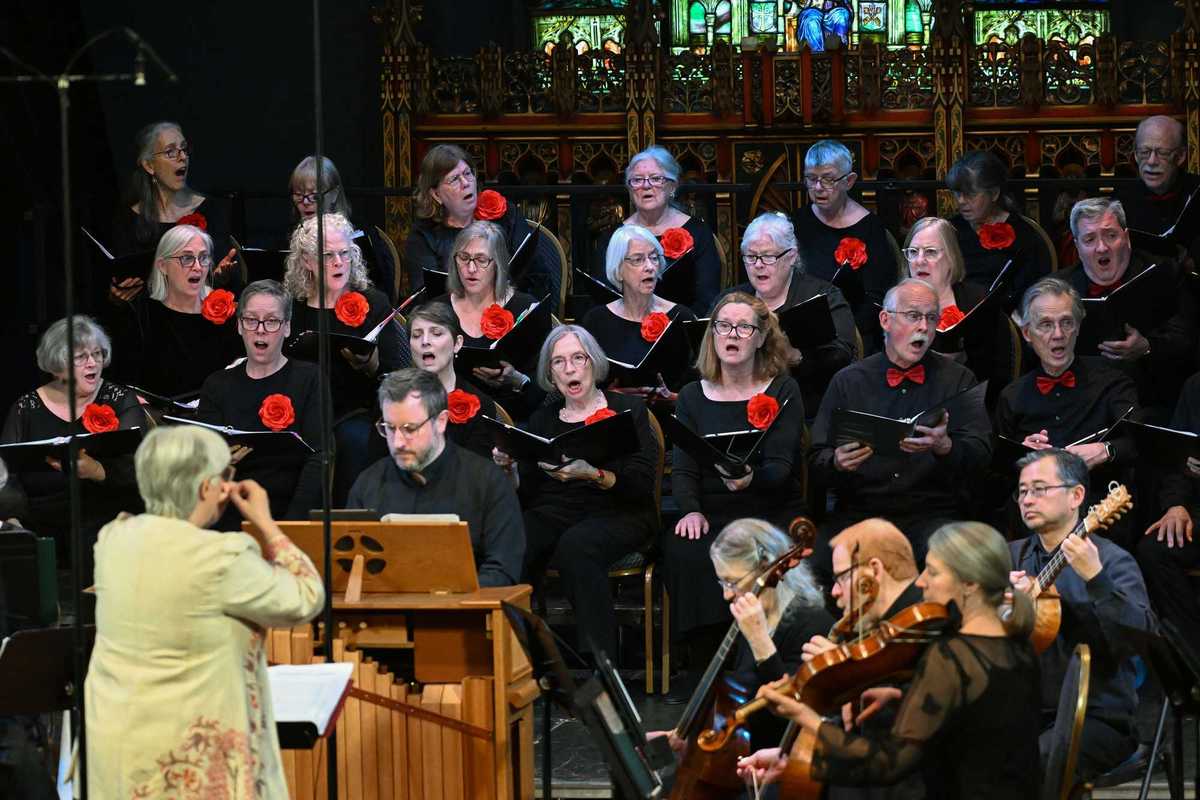
Crescendo, the Lakeville-based nonprofit specializing in early and rarely performed classical music, will close its 22nd season with a slate of spring concerts featuring international performers, local musicians and works by pioneering composers from the Baroque era to the 20th century.

Christine Gevert, the organization’s artistic director, has gathered international vocal and instrumental talent, blending it with local voices to provide Berkshire audiences with rare musical treats.

Keep ReadingShow less

Leopold Week honors land and legacy

Leopold Week honors land and legacy

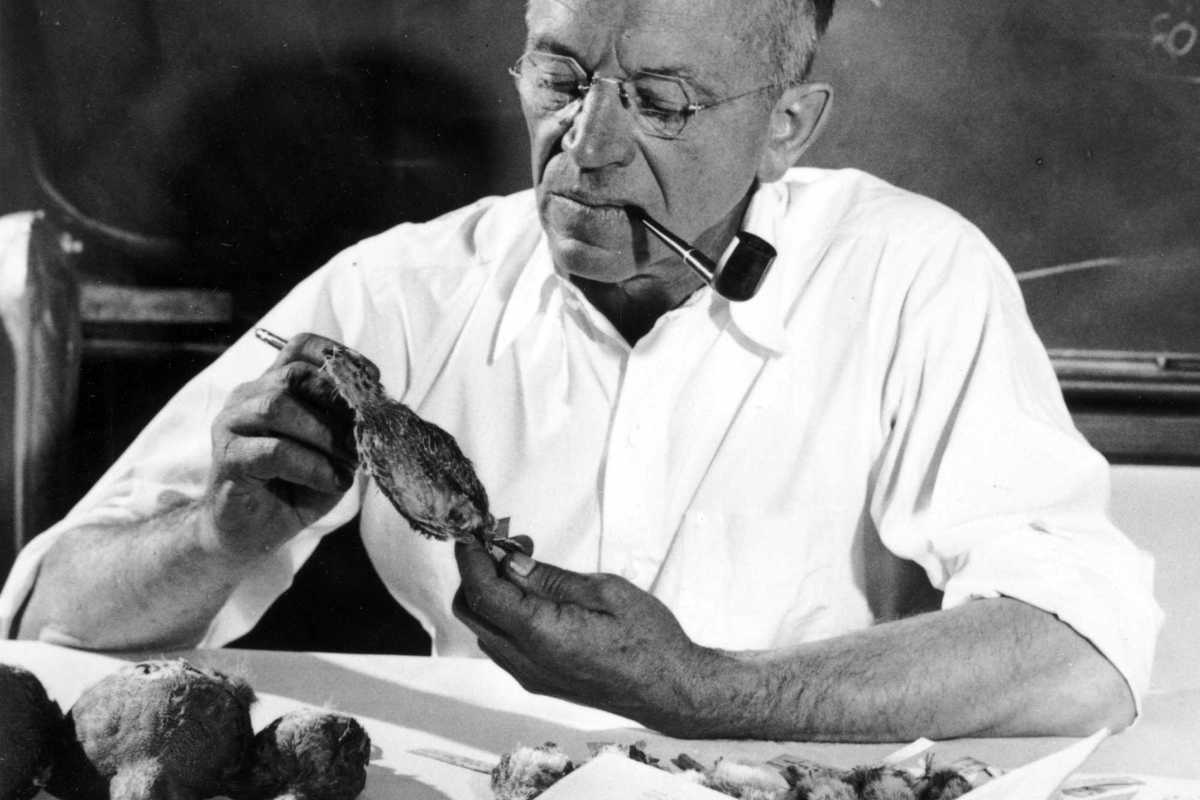
Aldo Leopold in 1942, seated at his desk examining a gray partridge specimen.

Robert C. Oetking

In his 1949 seminal work, “A Sand County Almanac,” Aldo Leopold, regarded by many conservationists as the father of wildlife ecology and modern conservation, wrote, “There are some who can live without wild things and some who cannot.” Leopold was a forester, philosopher, conservationist, educator, writer and outdoor enthusiast.

Originally published by Oxford University Press, “A Sand County Almanac” has sold 2 million copies and been translated into 15 languages. On Sunday, March 8, from 3 to 5 p.m. in the Great Hall of the Norfolk Library, the public is invited to a community reading of selections from the book followed by a moderated discussion with Steve Dunsky, director of “Green Fire,” an Emmy Award-winning documentary film exploring the origins of Leopold’s “land ethic.” Similar reading events take place each year across the country during “Leopold Week” in early March. Planning for this Litchfield County reading began when the Norfolk Library received a grant from the Aldo Leopold Foundation, which provided copies of “A Sand County Almanac” to distribute during the event.

Keep ReadingShow less

Erica Child Prud’homme

Erica Child Prud’homme

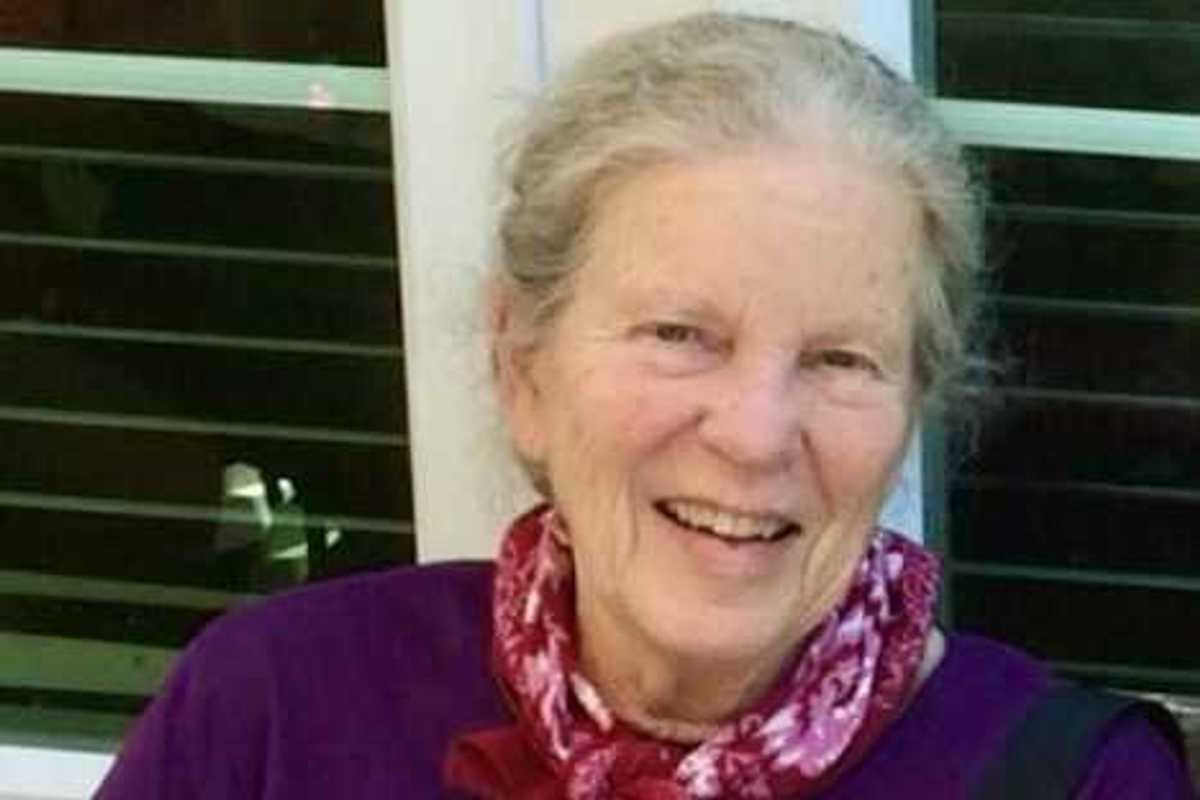
WEST CORNWALL — Erica Child Prud’homme died peacefully in her sleep on Jan. 9, 2026, at home in West Cornwall, Connecticut, at 93.

Erica was born on April 27, 1932, in Doylestown, Pennsylvania, the eldest of three children of Charles and Fredericka Child. With her siblings Rachel and Jonathan, Erica was raised in Lumberville, a town in the creative enclave of Bucks County where she began to sketch and paint as a child.

Keep ReadingShow less
google preferred source

Want more of our stories on Google? Click here to make us a Preferred Source.
google preferred source

Want more of our stories on Google? Click here to make us a Preferred Source.