Thank you!
Your support is sustaining the future of local news in our communities.

The brief, beloved bloom of the ‘King of Flowers’

The brief, beloved bloom of the ‘King of Flowers’

Herbaceous peonies in full bloom.

Debra A. Aleksinas

At Salisbury Garden Center, potted peonies are beginning their brief but anticipated spring performance — heavy blossoms unfolding in shades of soft pink, crimson, magenta and white. Soon, the flowers will fill the air with fragrance as Northwest Corner gardeners admire the blooms many wait all year to see.

“We’re all a sucker for a peony plant,” Garden Center staff member Irene Cmuchowski said with a laugh, describing the enduring appeal of the flower’s oversized blooms, lush texture and unmistakable scent.

Despite changing gardening trends, peonies remain a longtime favorite in the region,

she said, not only for their beauty but for the emotional connection they often carry.

“People have them for decades, handed down from their parents and grandparents,” Cmuchowski said. In a sense, they become living heirlooms, she noted.

Under optimal conditions, peonies bloom for only about three weeks, leaving the delicate flowers vulnerable to torrential downpours, extreme heat or drought.

The Garden Center carries both traditional herbaceous peonies and woody peonies, also known as Chinese tree peonies, in colors ranging from delicate pinks and whites to deep reds and vivid magentas.

For centuries, Chinese tree peonies have occupied a celebrated place in Chinese culture, art and garden design. Often depicted in paintings, silk embroidery and poetry, the flowers became symbols of prosperity, beauty, nobility and honor. Their lavish blossoms — sometimes reaching nearly dinner-plate size — earned them the title “King of Flowers.”

Unlike herbaceous peonies, which die back to the ground each winter, tree peonies are woody shrubs that can live for generations, producing increasingly spectacular blooms as they mature.

Dan Furman of Cricket Hill Garden in Thomaston, Connecticut, a 7-acre specialty plant nursery known for its rare and unusual peonies, said tree peonies have long stood at the center of classical Chinese spring gardens.

“There are five flowering plants of the classical Chinese garden,” Furman explained. “Plum blossom in winter, tree peonies in spring, lotus in summer and chrysanthemum in the autumn. Of these, tree peonies certainly have the most impressive flowers.”

For Furman, the fascination with Chinese tree peonies runs much deeper than horticulture alone.

His parents, Kasha and David, established Cricket Hill Garden in 1989 and earned a reputation as being the most respected growers of Chinese tree peonies in the country.

“What first drew my family to Chinese tree peonies was their centuries-long cultivation

history,” Furman said. “There is a lot of culture there beyond just the horticultural.”

“Tree peony is a misnomer,” he added. “A better name would be woody peonies.”

The plants are deciduous shrubs that typically grow about 3 feet tall and wide, returning each year from permanent woody stems rather than dying back to the ground.

At Cricket Hill, enthusiasts travel from across the country seeking unusual and historic varieties prized for enormous blooms, nuanced fragrance and painterly colors.

Yet despite their reputation for elegance and rarity, peonies remain deeply personal flowers for many Northwest Corner gardeners — reminders of old homesteads, family gardens and spring traditions passed down through generations.

Their bloom may be fleeting, Cmuchowski noted, but their emotional hold endures.

“People wait all year for them.”
Latest News

Doug Tallamy’s work in progress: saving the planet one backyard at a time

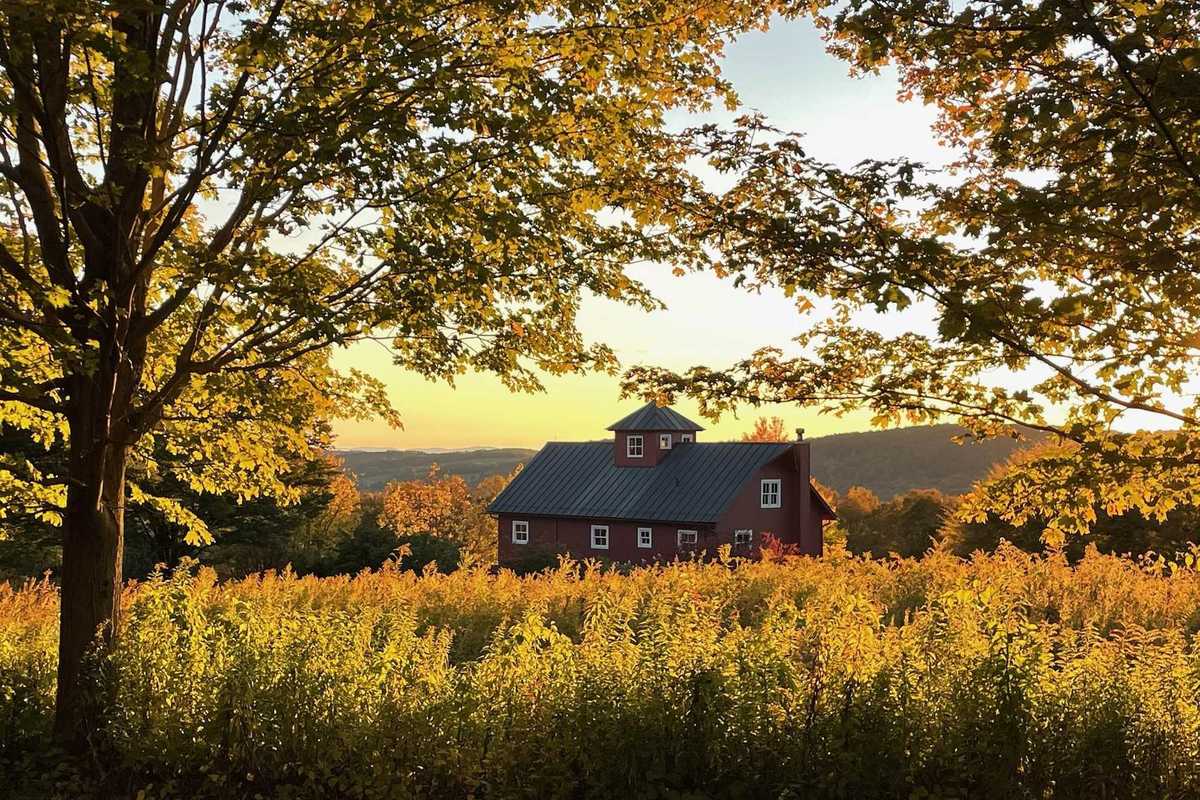
Windacre, a 25-acre property in Millerton will be the site of “Work in Progress,” an afternoon with acclaimed entomologist, New York Times bestselling author and Homegrown National Park co-founder Doug Tallamy.

Provided

For nearly three decades, Doug Tallamy, a professor at the University of Delaware and co-founder of Homegrown National Park, has studied the intricate relationships between native plants, insects, birds and the ecosystems that sustain them. His books, including “Bringing Nature Home” and “Nature’s Best Hope,” have helped shift the conversation about conservation from something that happens primarily in parks and preserves to something ordinary people can practice on the land around them.

On Sunday, Oct. 4, Tallamy will bring that conversation to Windacre in Millerton for “Work in Progress: Toward Native Fields,” an outdoor gathering exploring both the possibilities and the complications of restoring private land for biodiversity.

Keep ReadingShow less
Celebrating Dick Hermans’ life built around community

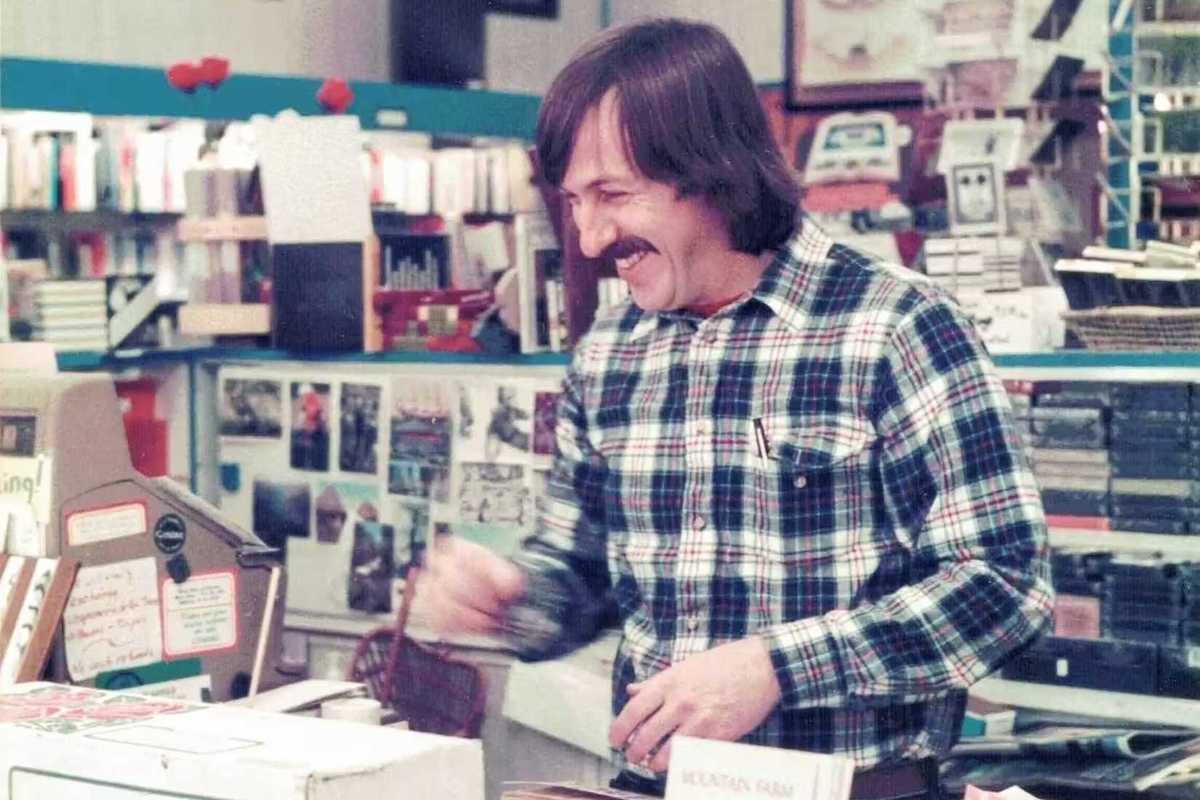
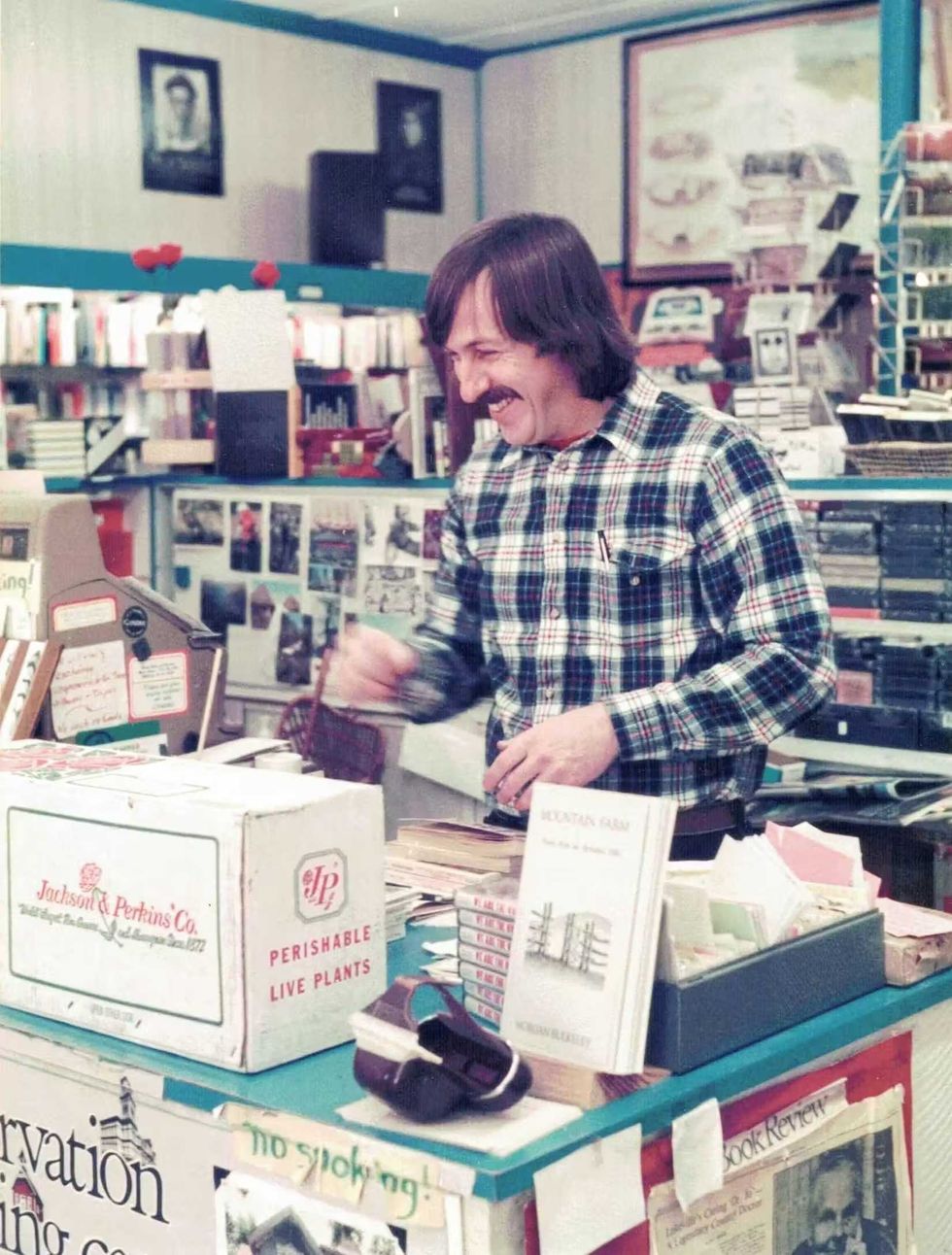
Dick Hermans in the Oblong Bookstore on Millerton\u2019s Main Street in 1985.

Provided
No matter what I’ve done, I’m trying to be useful to the communities I’m associated with.
— Dick Hermans

When Dick Hermans receives the Estabrook Community Leadership Award on Oct. 11, he will accept it for a lifetime of work that has taken many forms: bookseller, radio host, school board member, advocate for the Harlem Valley Rail Trail, business owner, volunteer and, perhaps most importantly, a person who has consistently looked for ways to be useful to the communities around him.

The Lakeville Journal and The Millerton News will present Hermans with the 2026 award at the annual Jubilee celebration at the Sharon Playhouse. The award honors outstanding leadership in community service and was inspired by Mary Lou and Robert Estabrook, former owners of the newspapers who believed that strengthening a community extended well beyond the work of publishing a newspaper.

Keep ReadingShow less
Tending the Fire: Homelands PowWow brings Mohican culture home to the Berkshires

Members of the Stockbridge-Munsee tribe at Homelands PowWow in 2025.

Joeseph Plante New Media Storytellers
Our goal is to continue building an annual gathering that honors the history, culture and traditions of the Stockbridge-Munsee Band of Mohicans in their original Homelands.


For the Stockbridge-Munsee Mohican people, the Berkshires are not simply a place to visit. They are ancestral homelands.

Keep ReadingShow less
google preferred source

Want more of our stories on Google? Click here to make us a Preferred Source.

Ancram Center’s “A Number” doubles questions of identity
Ledbetter (left) and Wojda (right) on the set of “A Number” at Ancram Center for the Arts.
Jeff Mousseau

How would you feel if you found out you weren’t the only you — if there was an exact replica of you? What if you found out that you’d been cloned? Would you believe that you’re the real you? Would you suspect you might be a copy of the original? How could you be sure anything about your life was real? These are some of the questions posed in Caryl Churchill’s play “A Number,” opening at the Ancram Center for the Artson Oct. 1.

Churchill was born in London in 1938 and has been hailed by the theaterl world as one of the strongest voices of her time to take on sexual politics and feminist themes. Her works garner pointedly considered analysis from the highest levels of theatrical intellectualism. Basically, it’s about as far from “The Lion King” as you can get. While she’s experimented with dance theater in the past, “A Number” is much more stripped down, highlighting Churchill’s chosen themes and the skills of both actors on stage.

Keep ReadingShow less

Dispatches from the Farm

Dispatches from the Farm

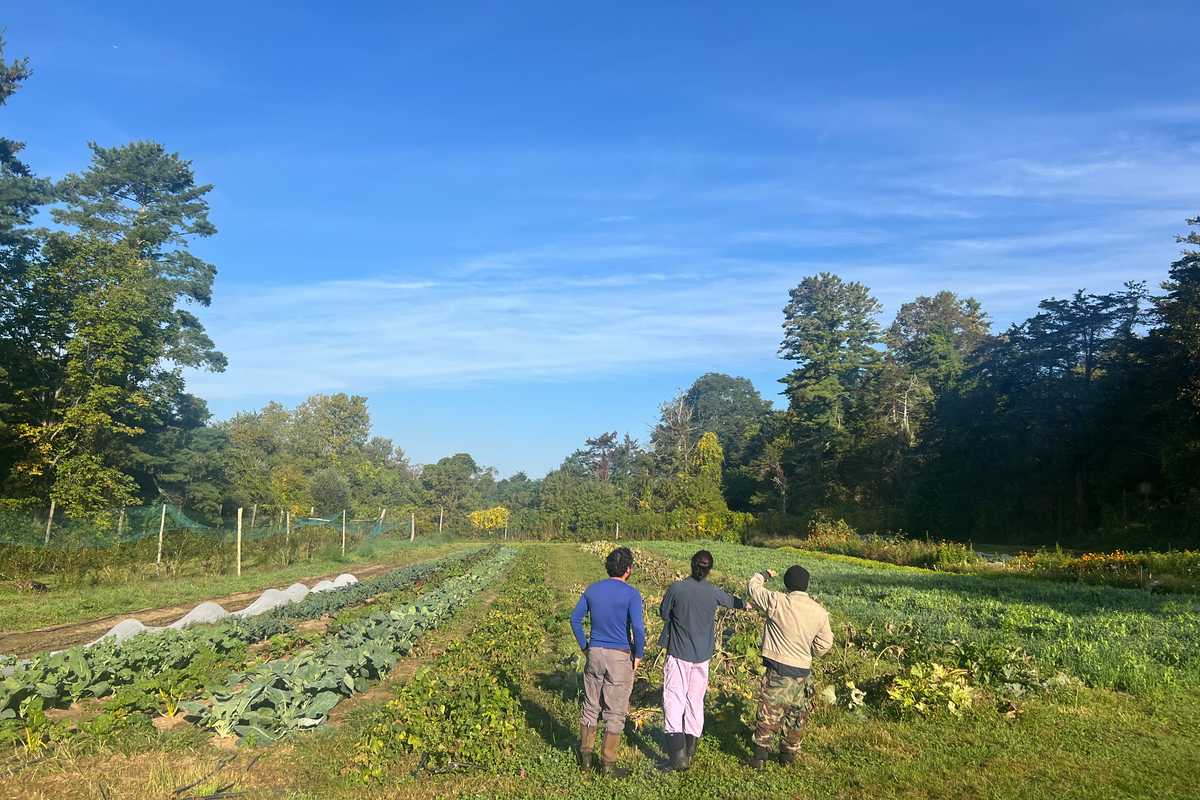
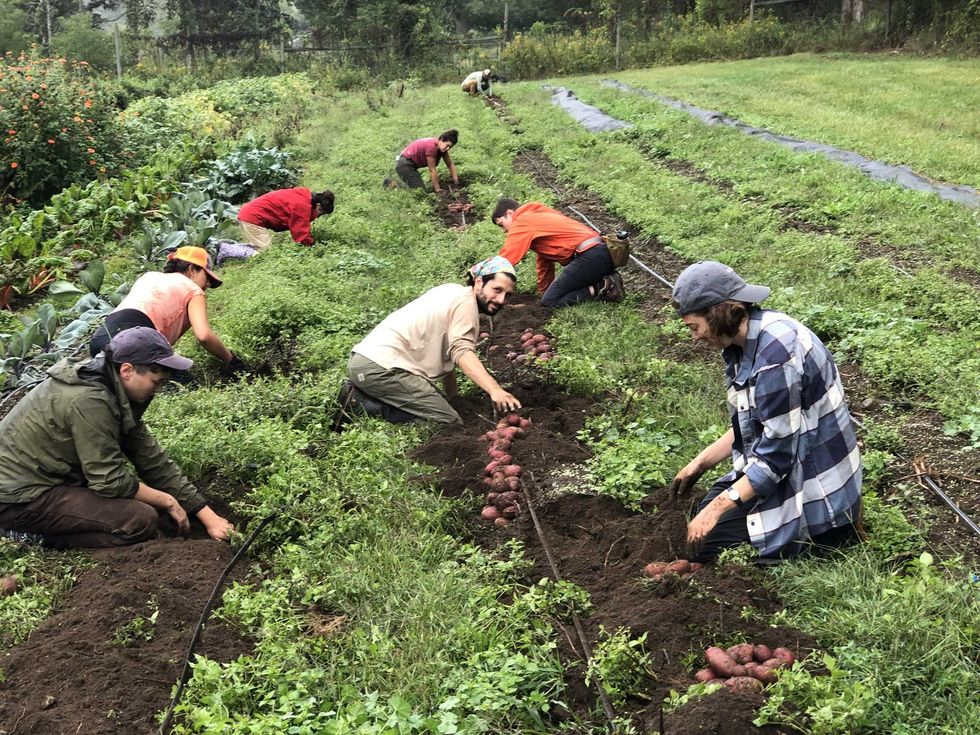
Adamah Farm crew members planning out the day’s tasks on a late September day.

Janna Siller

“Dispatches from the farm” is a new, periodic column offering a firsthand look at the rhythms, challenges and rewards of farming through the eyes of a local farmer.

The thing about plants is that they can’t get up and move. When a storm like last weekend’s nor’easter threatens to roll through, you can’t just round everybody up and settle them safely on the sofa for movie night.

Keep ReadingShow less
Pinchas Zukerman brings an all-Beethoven program to Hotchkiss

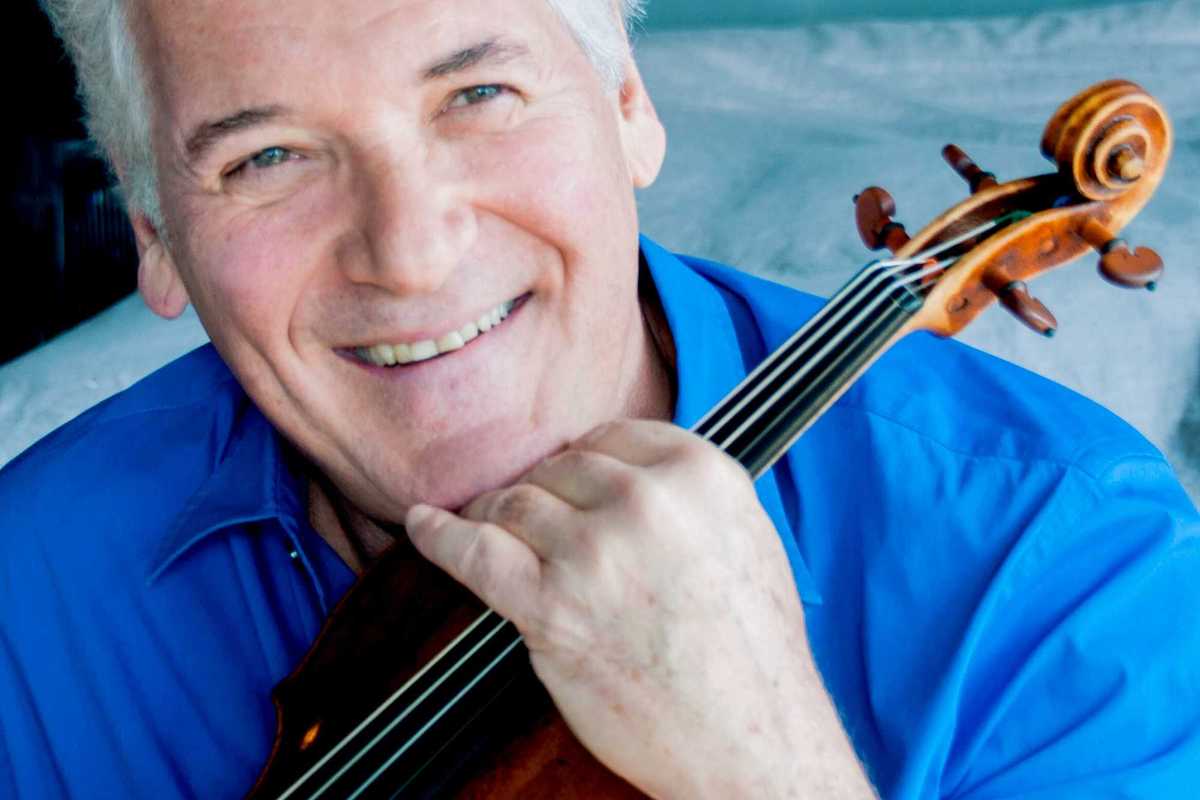
Pinchas Zukerman to perform at Hotchkiss Oct. 4

Cheryl Mazak

The passion, drama and energy of Beethoven will fill Katherine M. Elfers Hall at The Hotchkiss School on Oct. 4, when world-renowned violinist Pinchas Zukerman is joined by pianist Shai Wosner for a special recital.

The 4:30 p.m. program at the Esther Eastman Music Center will feature three of Beethoven’s celebrated violin sonatas: Violin Sonata No. 4 in A minor, Op. 23; Violin Sonata No. 5 in F major, Op. 24, “Spring”; and Violin Sonata No. 7 in C minor, Op. 30.

Keep ReadingShow less
google preferred source

Want more of our stories on Google? Click here to make us a Preferred Source.

google preferred source

Want more of our stories on Google? Click here to make us a Preferred Source.