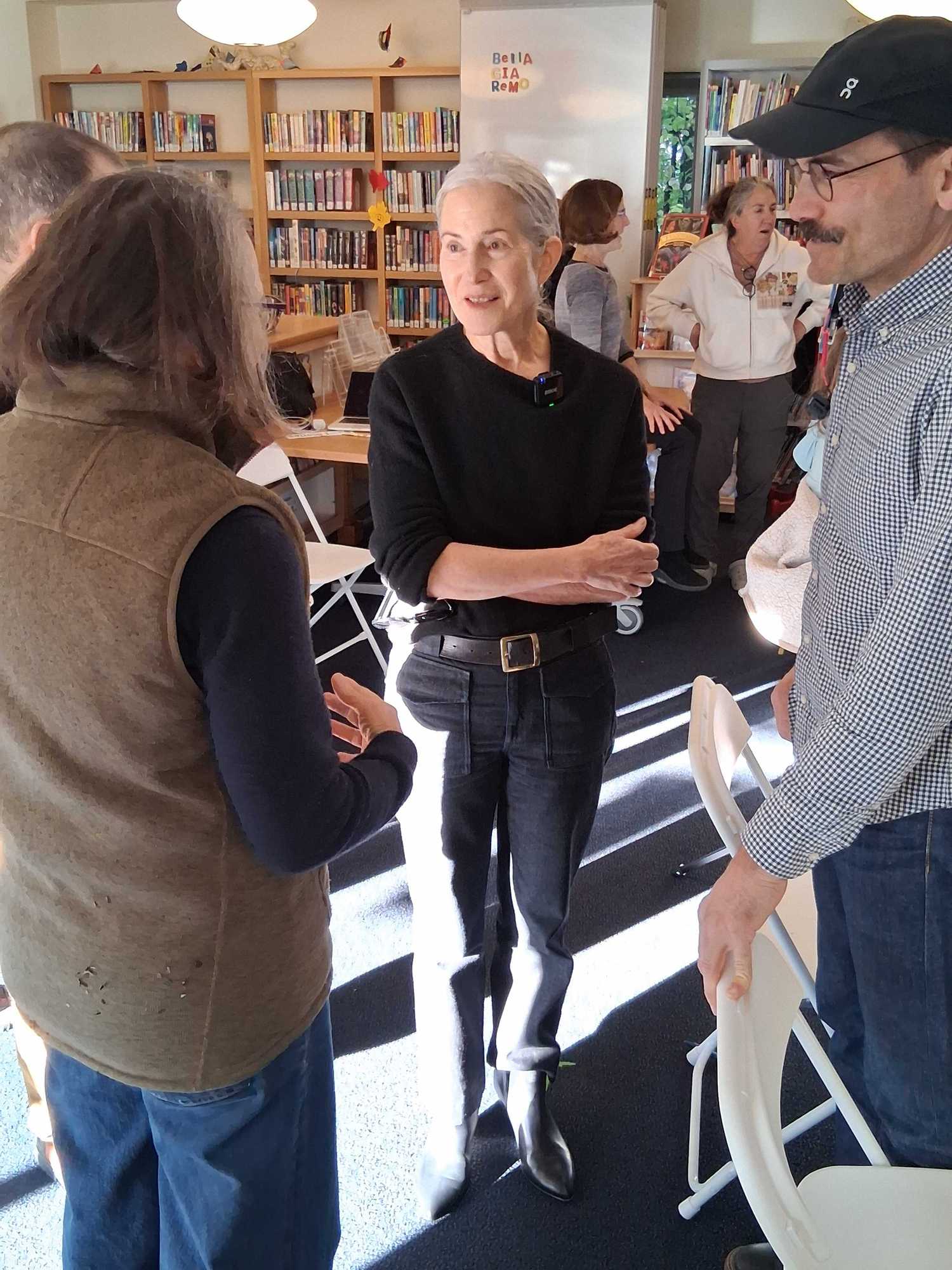
Dee Salomon, the “Ungardener,” whose advice appears regularly in Compass, told a packed house at the Scoville Memorial Library on Sunday, Oct. 25, what to do in the garden before the ground freezes and what can wait until next year.
Salomon emphasized the importance of creating and maintaining diverse ecosystems. She said that, from a human perspective, paying attention to biodiversity has practical benefits.
For example, getting rid of barberry can reduce tick populations because white-footed mice, which thrive in barberry thickets, are important hosts for ticks.
Reduce or eliminate the barberry, and landowners may see a dramatic reduction in ticks.
A well-managed property that emphasizes native plants and removes or controls invasive species is more valuable, aesthetically pleasing and connected to nature.
For fall and winter, Salomon advises leaving leaves where they fall rather than raking and burning them. She also recommends leaving plant stems, flower heads and dead trees undisturbed.
If someone rakes up all this material, “you lose 45% of the potential insect population. It’s their home for the winter.”
Seed heads feed birds that don’t migrate south for the winter, and decaying wood adds nutrients to the soil.
Before the ground freezes is the time to tackle herbaceous invasive plants. Cut them down to the stems so their seeds don’t spread.
Just before winter is also the time to address woody invasive plants, such as multiflora rose, and remove aggressive ornamentals.
It’s also a good time to collect and plant native seeds, transplant plants and protect vulnerable trees from deer and beavers.
And before the bleak winter sets in, spend some time planning spring gardening activities.
Salomon is a fan of “keystone plants,” such as oaks, spruce, sugar maples, native blueberries and black-eyed Susans.
Careful shopping is critical. “If you go to the nursery, they have everything. Make sure it’s a sugar maple first, and a red maple second. Don’t get a Japanese maple.”
Fighting invasive species and replacing them with native plants helps restore balance to the overall ecosystem.
It’s a daunting task. Salomon was modest about her own efforts on her 12-acre property.
“I really don’t know what I’m doing. I’m very good at taking things out, not so much at putting things in.”
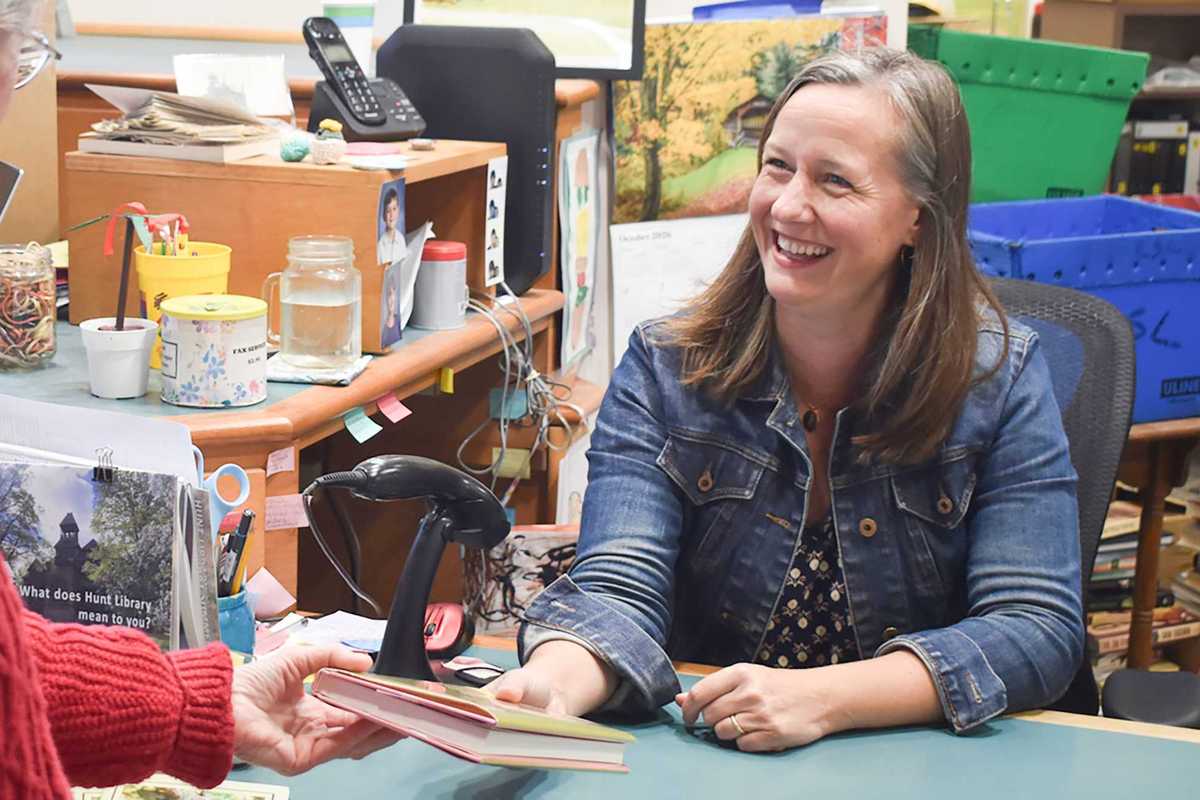
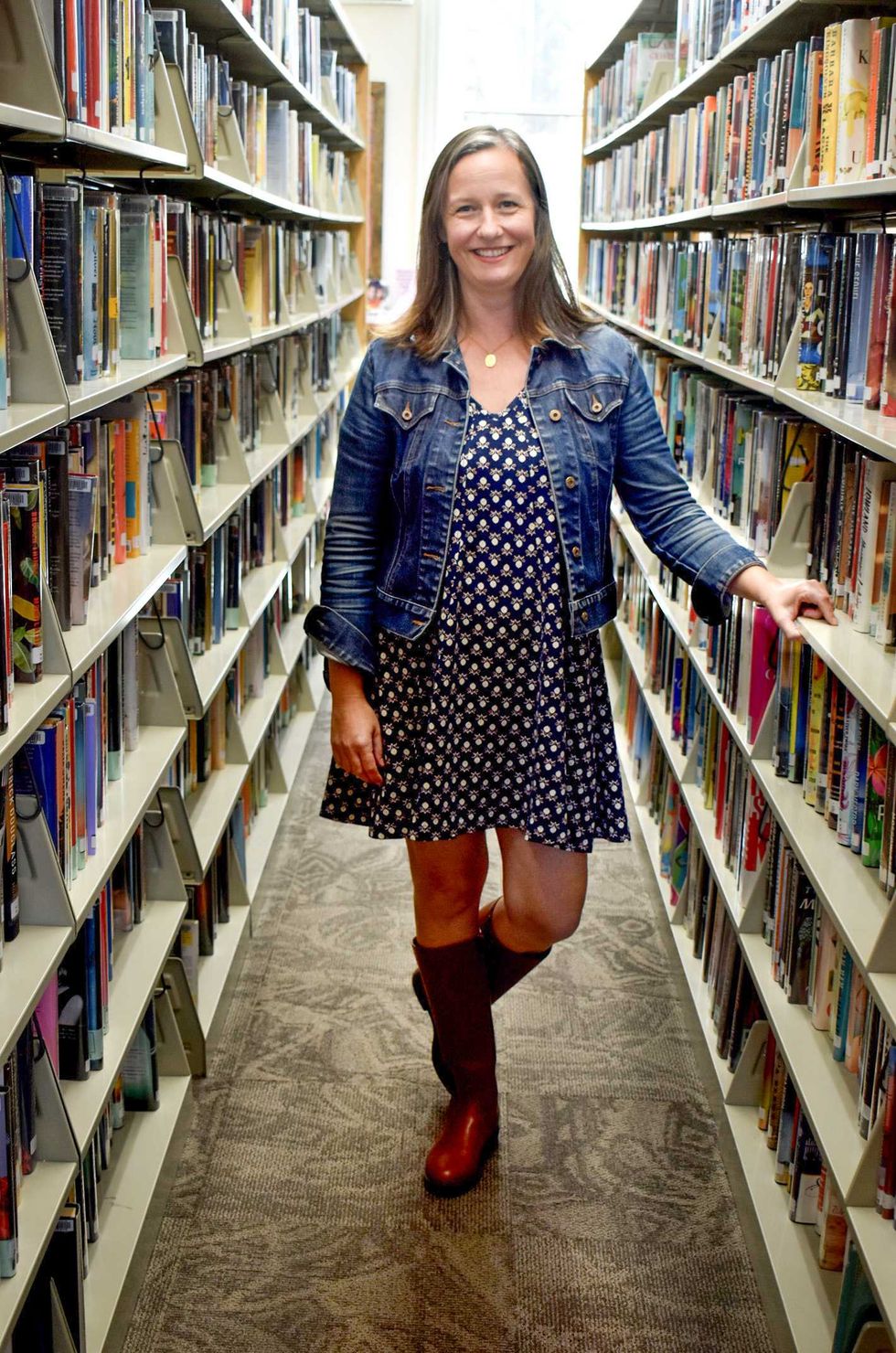 Meg Sher, executive director of the David M. Hunt Library in Falls Village.L. Tomaino




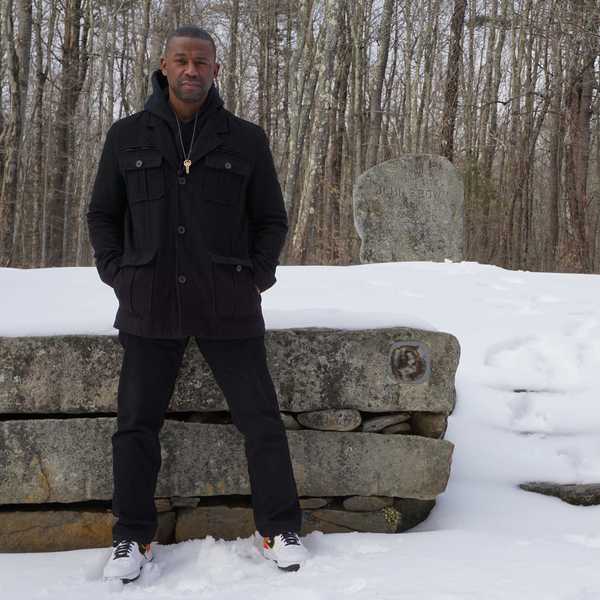
 Samir LanGusProvided