On Sunday, Oct. 19 at 5 p.m., the Norfolk Library will host a free public screening of “Dolores,” a critically acclaimed documentary about Dolores Huerta, one of the most important — and often overlooked — figures in American labor and civil rights history. Now 95, Huerta co-founded the United Farm Workers union with César Chavez and helped lead the grape boycott of the 1960s, a powerful act of economic resistance that brought national attention to the exploitation of farm workers.
Directed by Peter Bratt and executive produced by Carlos Santana, “Dolores” presents an unflinching portrait of a woman whose voice, body and will shaped the political terrain of the United States.
In 1970, Huerta was organizing in Arizona when a group told her change was impossible.
“They said, ‘Oh, Dolores, in California, you can do these things but here in Arizona, you can’t,’” Huerta recalled in a recent interview by phone. “And my response was, ‘Sí se puede in Arizona.’” When she shared that message at a rally, the crowd rose to their feet, chanting “Sí se puede,” and a call to action was born.
President Obama adopted the slogan for his 2008 campaign. “Yes We Can” posters and stickers were everywhere. Obama, having mistakenly credited Chavez with coining the phrase, later apologized as he honored Huerta with the Presidential Medal of Freedom in 2012.
Huerta wears the badge of feminist icon with pride. “I always thought I was a feminist because my mother was a businesswoman,” she said. “She divorced my dad because he was abusive and always taught me to have my own bank account, always pushed me to speak out.”
But, like many raised Catholic, Huerta once believed birth control and abortion were sins. Through her friendships with Gloria Steinem and Eleanor Smeal, that changed. Huerta is a founding member of the Feminist Majority Foundation, led by Smeal, which promotes nonviolence, equality, and women’s empowerment.
“There are two big issues in the Feminist Majority Foundation,” Huerta explained. “One is a woman’s right to abortion — women must control their own bodies. The second is back in 1987, we launched the Feminization of Power campaign to get more women elected. With one campaign, we succeeded in getting the largest number of women of color into California’s state legislature.”
How does she feel about the word feminist now?
“Well, now we have to use the word. There’s a difference between women’s policies and feminist policies. Look at the Trump cabinet — there are many women, but the policies don’t protect women. Our goal is to get more feminists elected. We will never have peace in the world until feminists take power.”
There are few moments more urgent than now to gather in community to reckon with these powerful words and the rest of Huerta’s radical legacy. This film offers not just biography but revolutionary remembrance — telling the story of a leader, a mother, an uncompromising feminist and a visionary who still fights for liberation.
Huerta still believes deeply in the power of economic pressure and solidarity. “We saw it with the Target boycott,” she said. “They were going to drop DEI policies, so people stopped shopping. No picketing — just word of mouth. And it worked. Shares dropped. The CEO resigned. Now we have to be bigger and more coordinated in our efforts.”
She also praised recent community resistance to ICE raids. “In L.A., people stood in front of a business to stop ICE detentions. What ICE didn’t expect was the Anglo community to show up too. That kind of solidarity is powerful. ”
Huerta’s nephew, John Fernandez, who lives in Colebrook, Connecticut, will introduce the screening and share a personal perspective on her legacy.
Asked what advice she has for young activists, Huerta pointed to today’s digital tools. “Social media, cell phones — people can organize fast. Look at George Floyd. That one video sparked a global movement.”
Huerta reminds us that organizing takes discipline, clarity, and a refusal to accept the violence of poverty, racism, misogyny, and xenophobia as inevitable. Economic resistance — boycotts, strikes, direct action — remain among the most potent tools we have.
“You can’t learn leadership by osmosis,” she said. “You’ve gotta live it.” And live it she has — and does. At 95, Huerta still dances weekly at a jazz workshop in Bakersfield and leads her foundation’s work on voter turnout and redistricting reforms in California.
As always, she reminds us: “We have to stay active. We have to participate. Change doesn’t happen by itself — we make it happen.”
For more information about the work of the Dolores Huerta Foundation, visit:
https://doloreshuerta.org. To RSVP for the Oct. 19 screening, visit: norfolklibrary.org/events/documentary-film-dolores



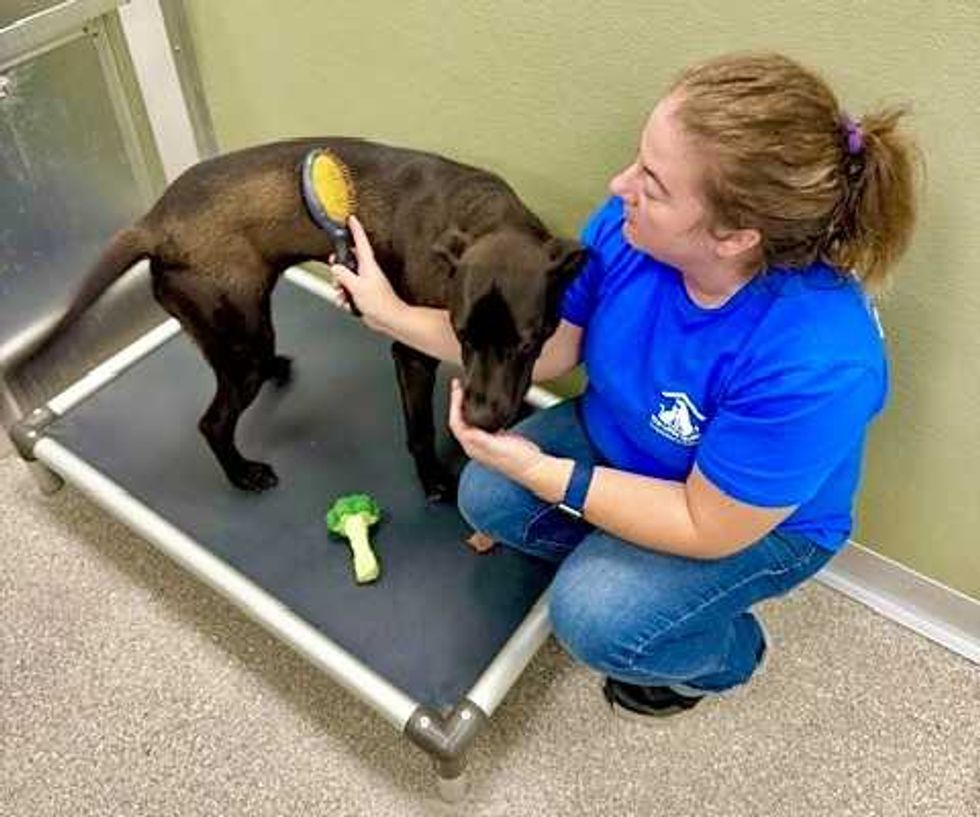 Tiffany Lemelin, shelter manager, brushing Marsala upon arrival.Provided
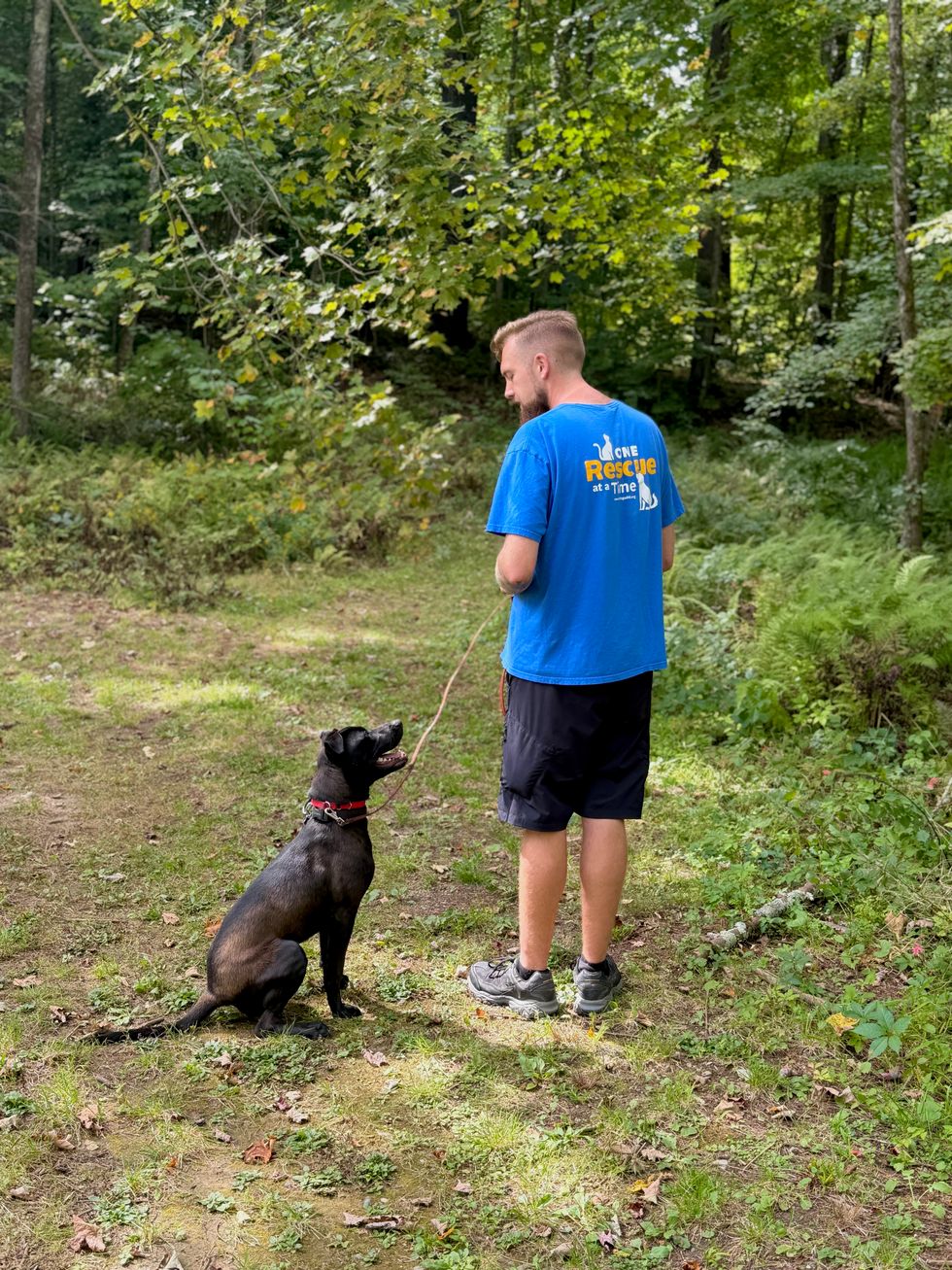 Michael DeBarba, certified dog trainer working with Marsala.Jennifer Almquist
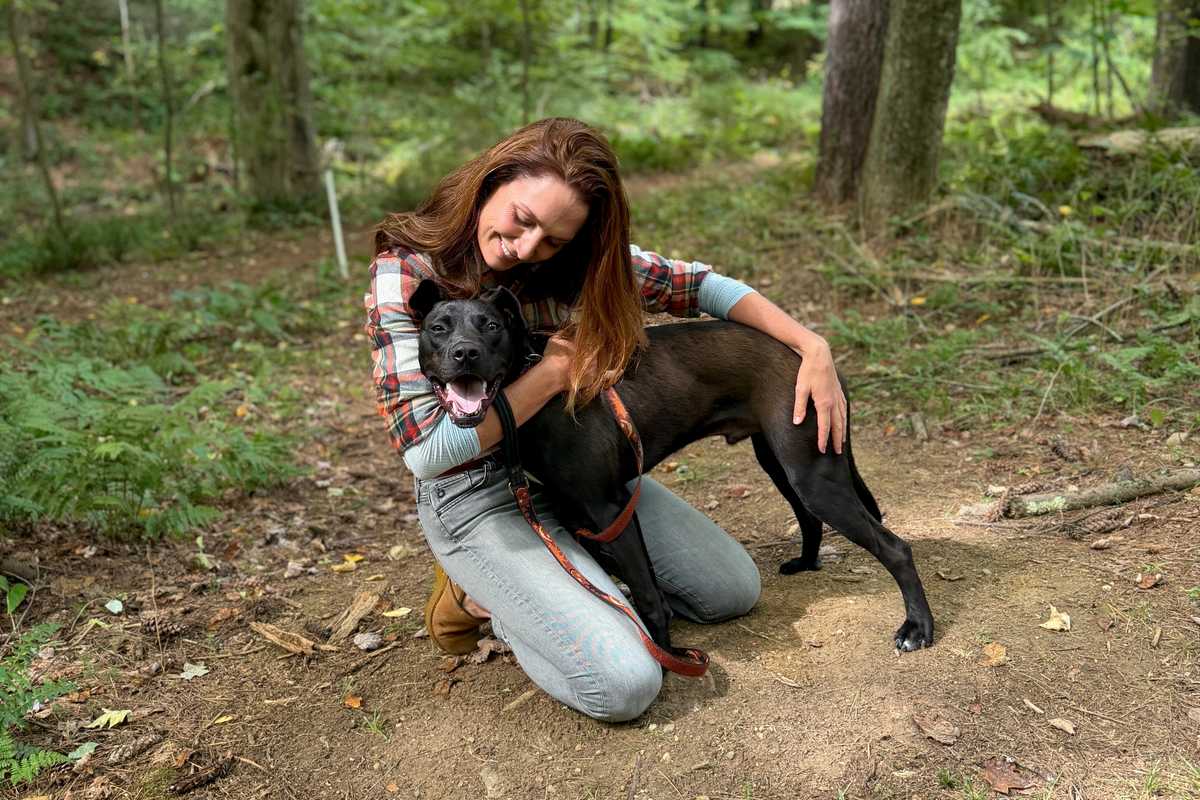 Marsala wins a heart.Jennifer Almquist
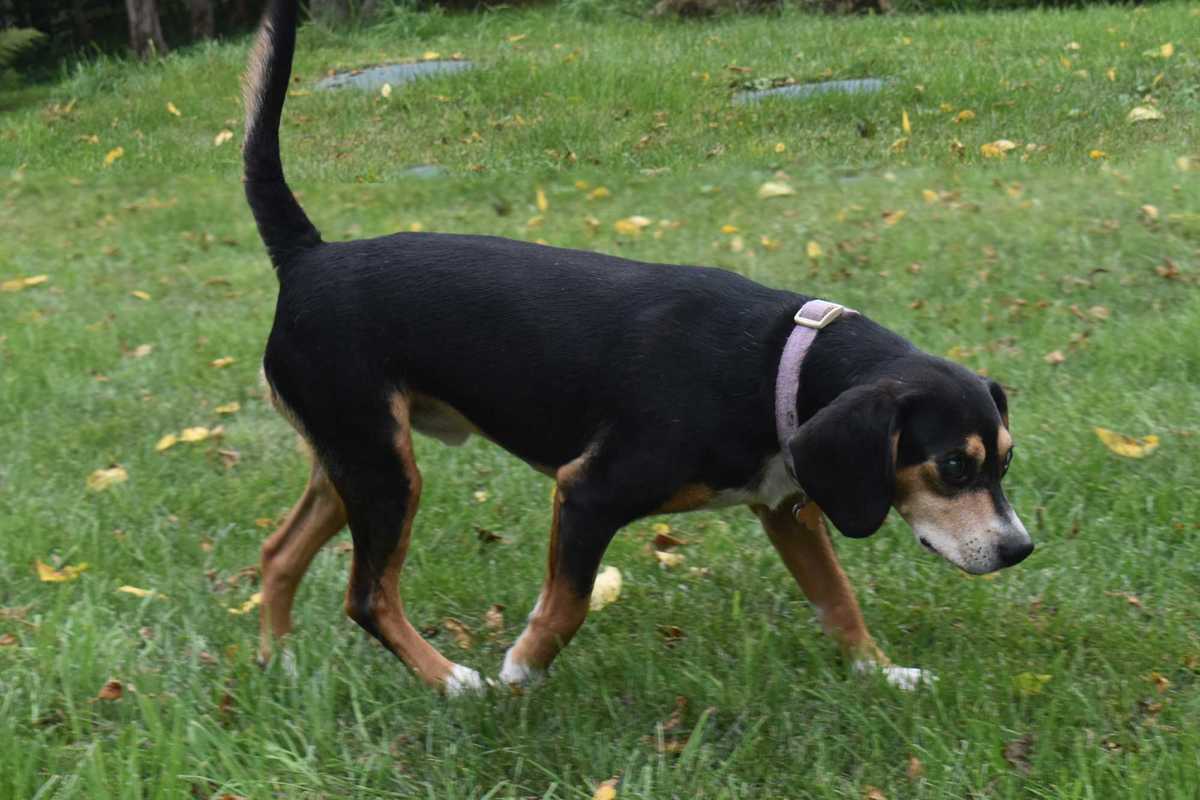
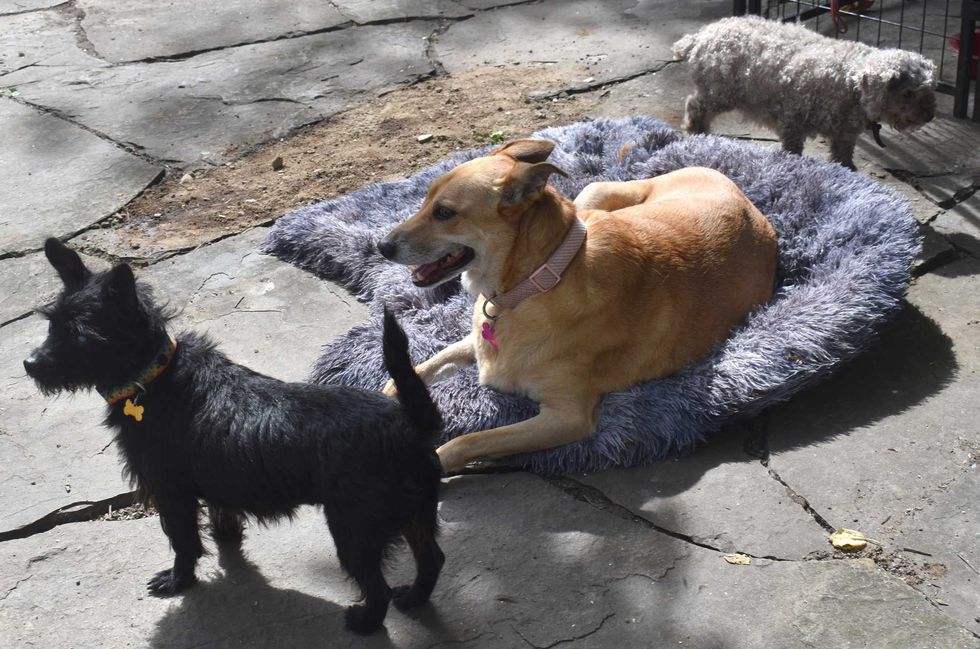 Sadie, center, a Carolina dog, plays with her friend Negra, a terrier mix. Bella Linda, the small poodle, has since been adopted.L. Tomaino
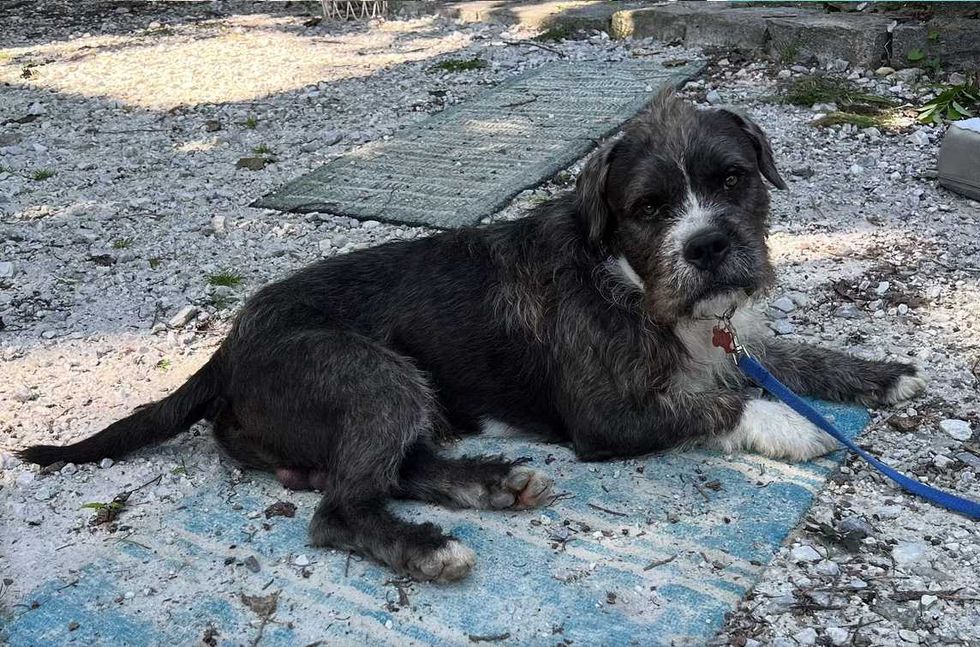 Wesley, a young, exuberant mix, is looking for an active home.L. Tomaino
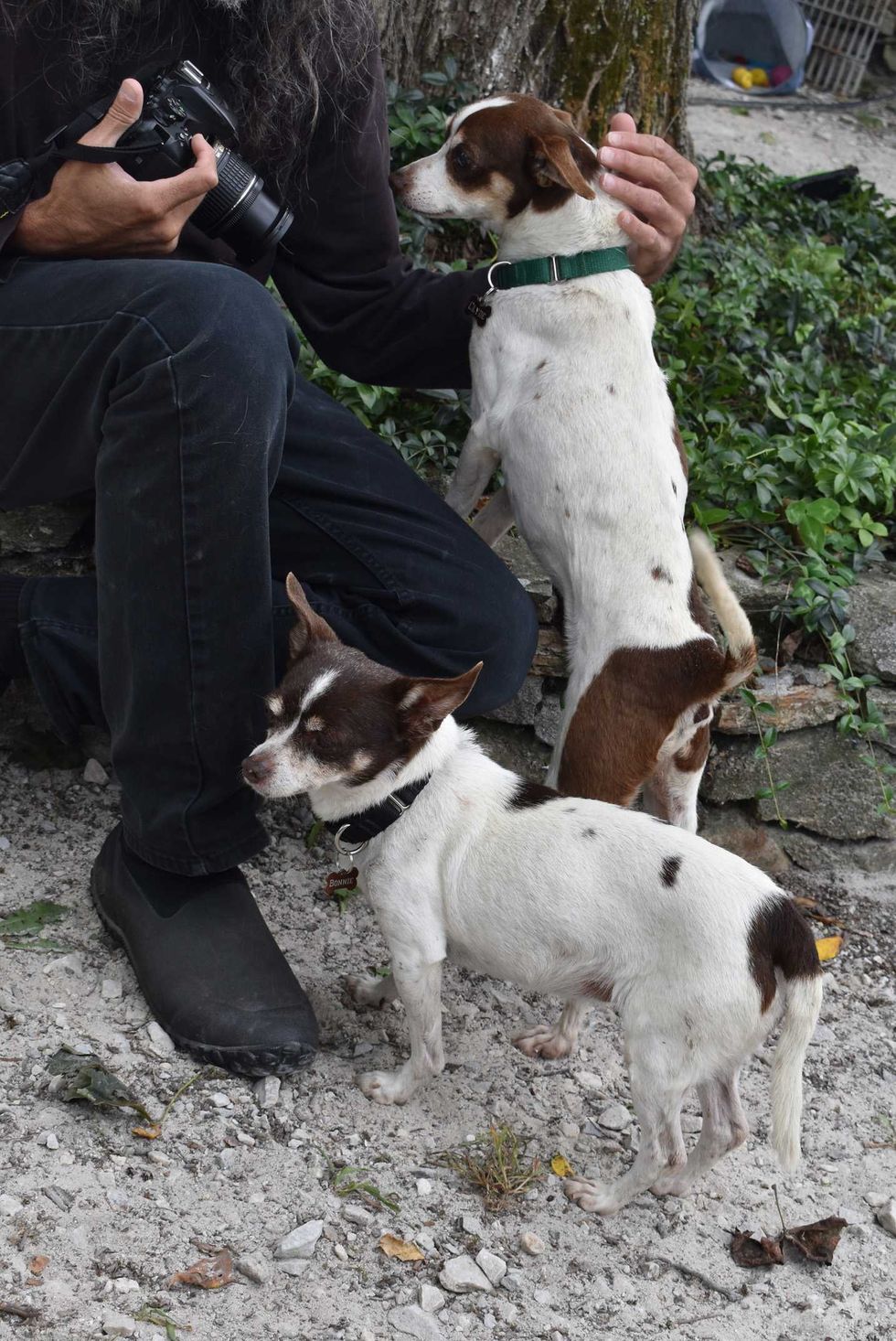 Bonnie and Clyde, an affectionate terrier pair.L. Tomaino
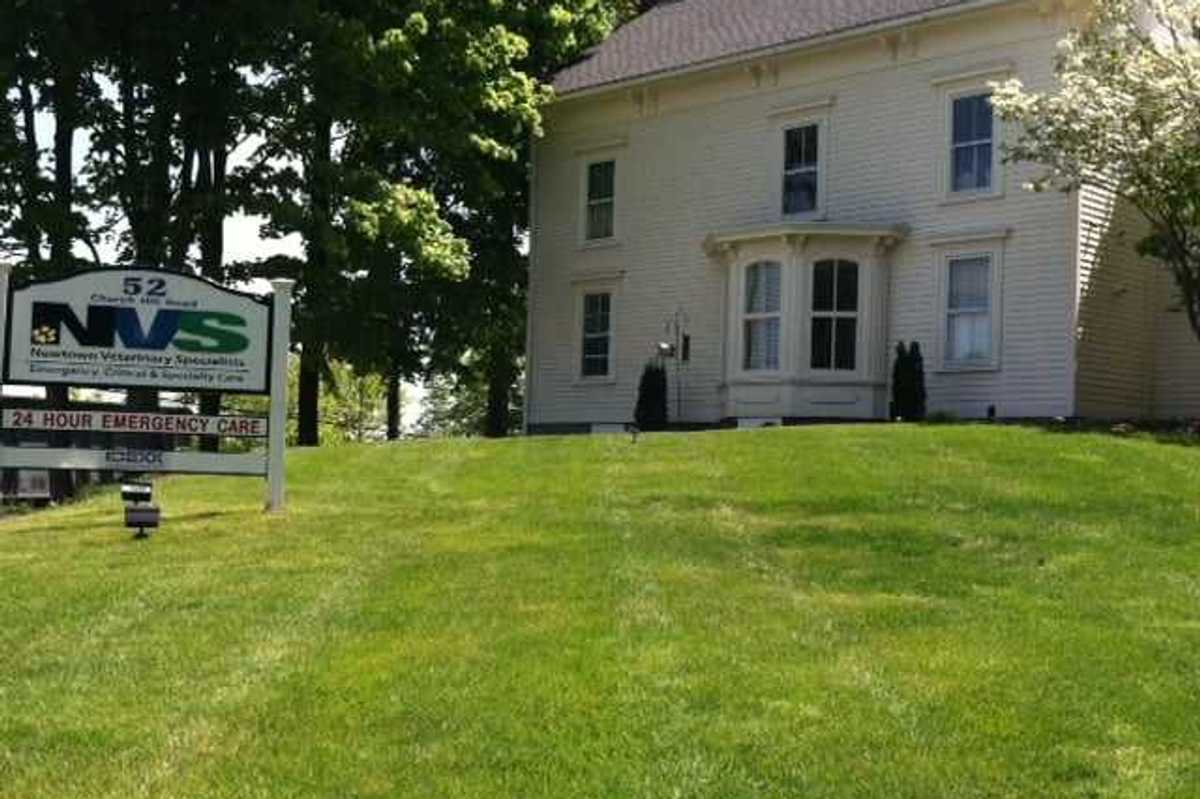
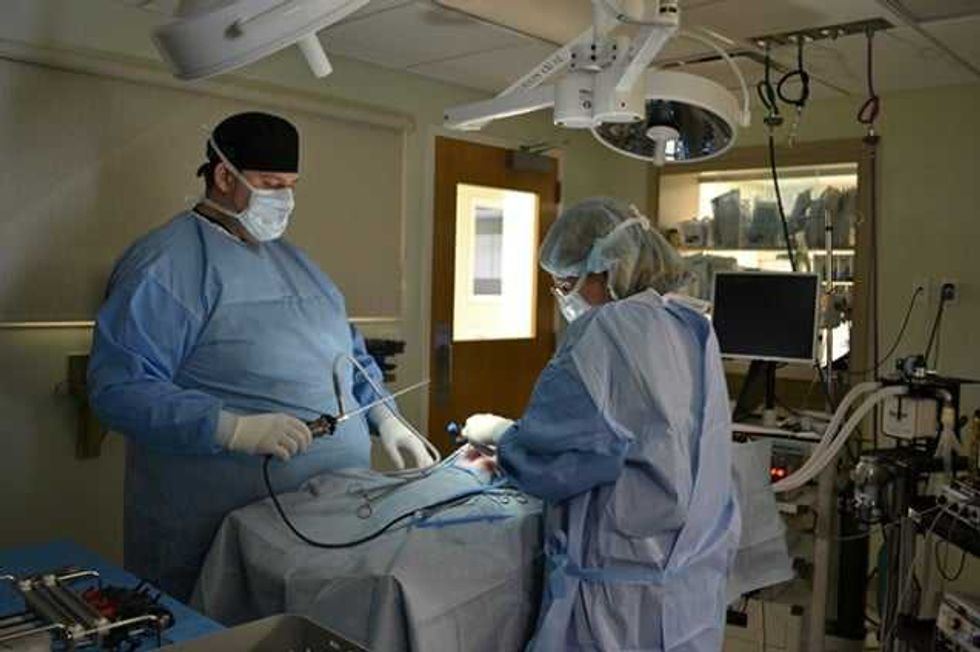 Provided