Time for us to return to due process of law

Part 1 of 2The Constitutional imperativeMark Twain said that the Classics, that is the Great Books, are those that everyone quotes or refers to, but almost no one actually reads, or really thinks about. Great Documents surely include the U.S. Constitution, the Declaration of Human Rights, the Geneva Conventions and the International Convention Against Torture. Practically no one reads these documents or thinks about what they might mean in practice, so they fit Twain’s definition rather well.As Charles Church has pointed out in his recent Guantanamo piece in The Lakeville Journal (May 8), since 9/11 the U.S. has managed, directly or indirectly, to detain, that is to say to incarcerate indefinitely and without due process of law, right of trial, or habeas corpus (right of appeal to a real court of law), several hundred suspects. At the time of Church’s visit to Guantanamo, just six prisoners in two high-profile cases had regularly scheduled proceedings before military commissions convened there. One of these is Abd al Rahim al Nashiri, accused, probably rightly, of plotting attacks on two ships, the USS Cole and the MV Limburg.As to the rest of the detainees, these are persons imagined to have engaged in acts of terrorism, or of belonging to a state-defined terrorist group. Church notes that with a handful of exceptions, practically none of these prisoners have been shown to have ever engaged in a criminal terrorist activity against the U.S. A few detainees have pled guilty to lesser charges in order to stop being beaten and tortured by their enhanced interrogators. Such confessions can hardly stand up in a legitimate court of law. So even if the U.S. Congress didn’t obstruct it, referral to the civilian courts of law becomes a problem. The use of substitute military commissions doesn’t appear to have solved the problem of illegitimacy of such trials in the first place. The previous administration’s choice of off-shore incarceration at Guantanamo or other dark sites in order to escape U.S. responsibility violates a long-standing legal principle, since the time of King James of England, that jurisdictional responsibility for human rights, due process and habeas corpus extends anywhere in the world where the state has actual control. Before President Barack Obama stopped the practice, the U.S. had clearly been guilty of promoting and engaging in the crime of systematic torture as defined by international treaty law. Furthermore, the United States has failed to investigate and prosecute torturers as required by signed treaties, such as the International Convention Against Torture. The U.S. Constitution (Article VI) declares such treaties to be “the supreme law of the land,” and “ binding all judges, laws and states” of the USA. Thus the U.S. Constitution imports the international laws of human rights into the national laws of the United States. There can be no doubt about, or exception to, the clear words and meaning of the U.S. Constitution on this legal principle.Nevertheless, there has been a concerted effort by some to obfuscate the due-process meaning of the U.S. Constitution with the help of euphemistic vocabulary, such as “detainment“ (for imprisonment) and “enhanced interrogation” (for torture). The mainstream media in the U.S. has tended to focus on just one technique, waterboarding. Nevertheless, as recently revealed by leaked documents and photographs, there are other less publicized forms of torture such as shackling to chains on prison cell walls overnight, without feet touching the floor, which has a much higher pain and fatality risk rate. Misleading official statements to the contrary, to date no U.S. official has been able to point to a single case where torture prevented an eventual act of criminal terrorism against the United States. It’s little wonder, then, that President Barack Obama has ruled out torture for all future time.Sharon resident Anthony Piel is a former director and general legal counsel of the World Health Organization.

Latest News

Living art takes center stage in the Berkshires

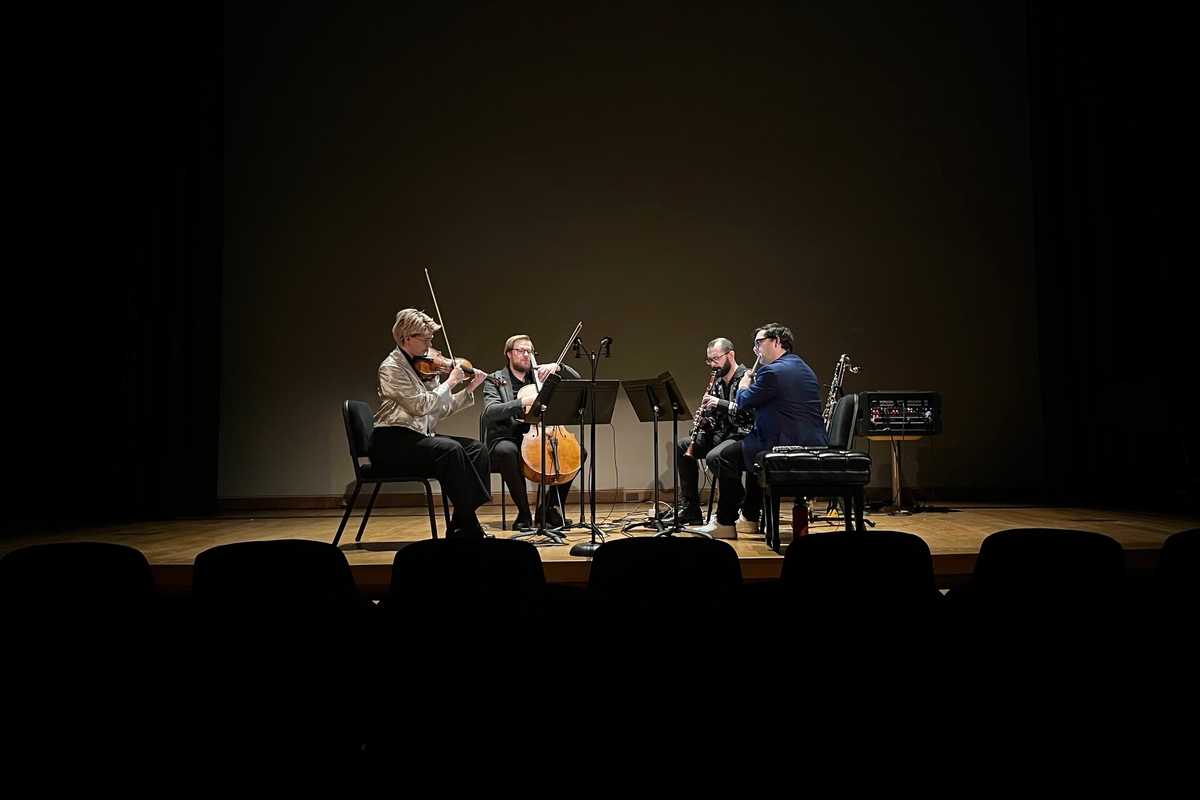
Contemporary chamber musicians, HUB, performing at The Clark.

D.H. Callahan

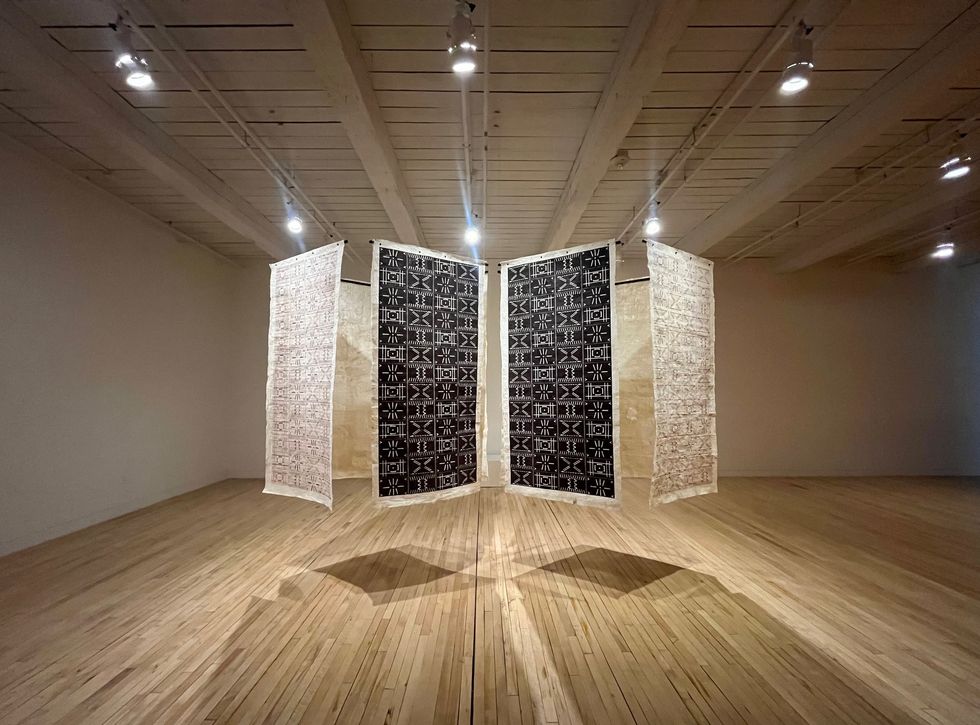
Northwestern Massachusetts may sometimes feel remote, but last weekend it felt like the center of the contemporary art world.

Within 15 miles of each other, MASS MoCA in North Adams and the Clark Art Institute in Williamstown showcased not only their renowned historic collections, but an impressive range of living artists pushing boundaries in technology, identity and sound.

Keep ReadingShow less
Persistently amplifying women’s voices

Francesca Donner, founder and editor of The Persistent. Subscribe at thepersistent.com.

Aly Morrissey

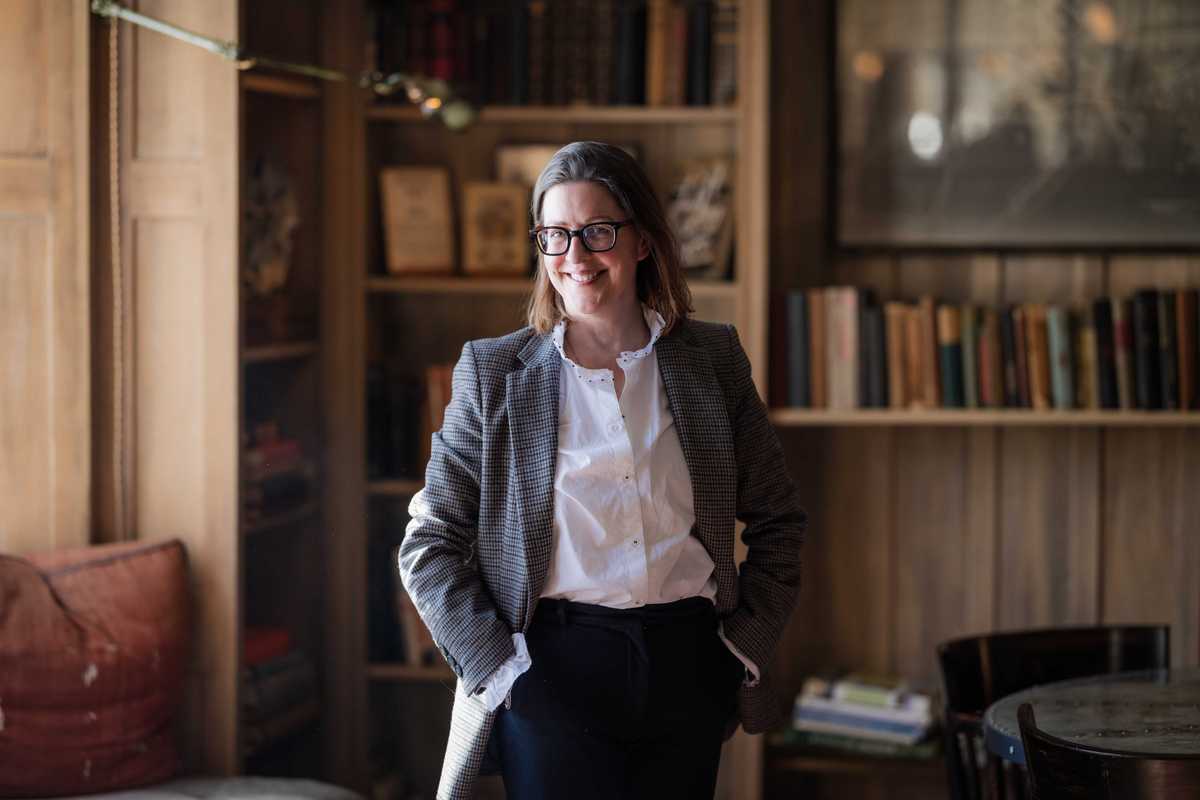
Francesca Donner pours a cup of tea in the cozy library of Troutbeck’s Manor House in Amenia, likely a habit she picked up during her formative years in the United Kingdom. Flanked by old books and a roaring fire, Donner feels at home in the quiet room, where she spends much of her time working as founder, editor and CEO of The Persistent, a journalism platform created to amplify women’s voices.

Although her parents are American and she spent her earliest years in New York City and Litchfield County — even attending Washington Montessori School as a preschooler — Donner moved to England at around five years old and completed most of her education there. Her accent still bears the imprint of what she describes as a traditional English schooling.

Keep ReadingShow less
Jarrett Porter on the enduring power of Schubert’s ‘Winterreise’
Baritone Jarrett Porter to perform Schubert’s “Winterreise”
Tim Gersten

On March 7, Berkshire Opera Festival will bring “Winterreise” to Studio E at Tanglewood’s Linde Center for Music and Learning, with baritone Jarrett Porter and BOF Artistic Director and pianist Brian Garman performing Franz Schubert’s haunting 24-song setting of poems by Wilhelm Müller.

A rejected lover. A frozen landscape. A mind unraveling in real time. Nearly 200 years after its premiere, “Winterreise” remains unnervingly current in its psychological portrait of isolation, heartbreak and existential drift.

Keep ReadingShow less
google preferred source

Want more of our stories on Google? Click here to make us a Preferred Source.
A grand finale for Crescendo’s 22nd season

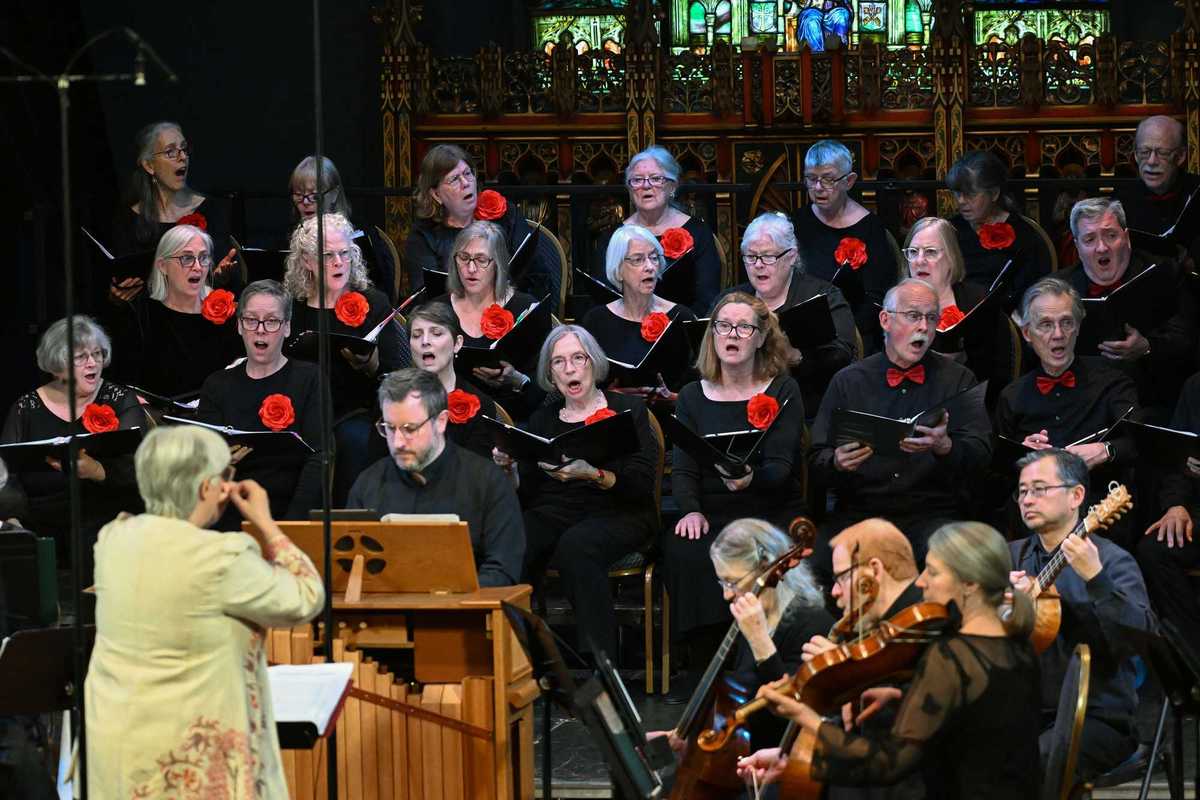
Christine Gevert, artistic director, brings together international and local musicians for a season of rare works.

Stephen Potter

Crescendo, the Lakeville-based nonprofit specializing in early and rarely performed classical music, will close its 22nd season with a slate of spring concerts featuring international performers, local musicians and works by pioneering composers from the Baroque era to the 20th century.

Christine Gevert, the organization’s artistic director, has gathered international vocal and instrumental talent, blending it with local voices to provide Berkshire audiences with rare musical treats.

Keep ReadingShow less

Leopold Week honors land and legacy

Leopold Week honors land and legacy

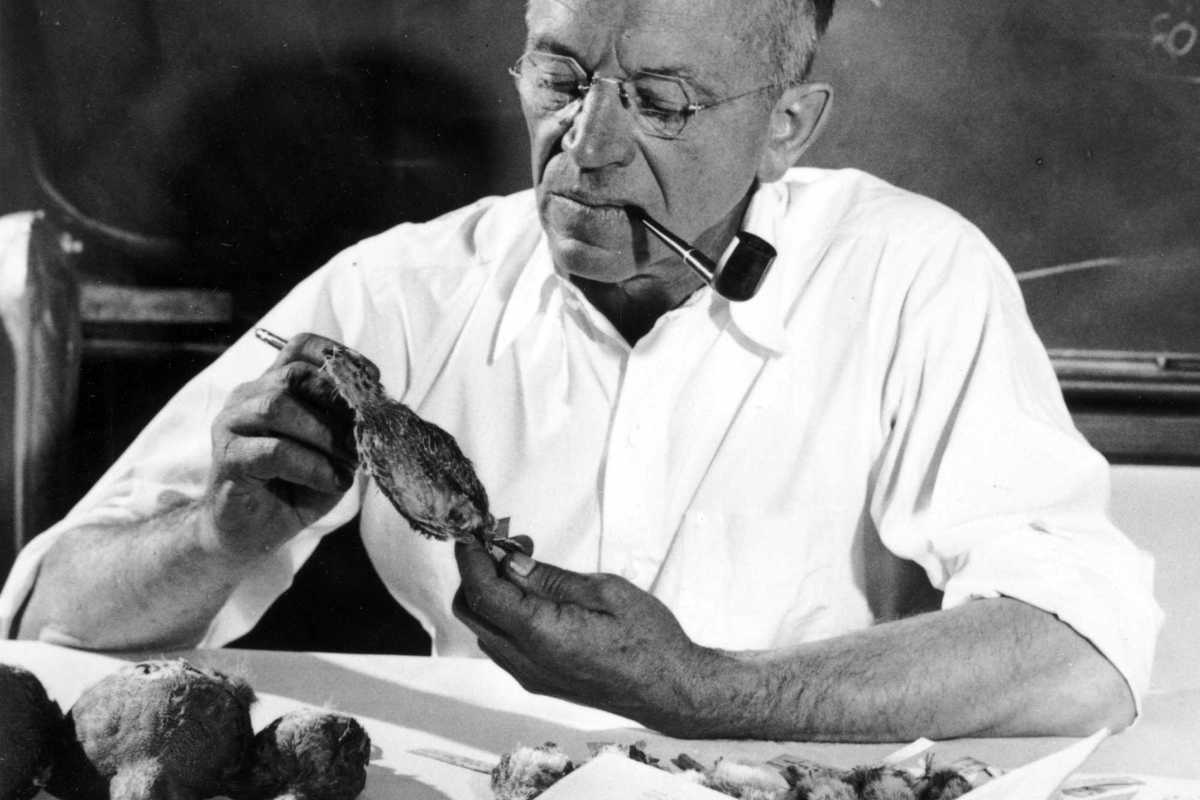
Aldo Leopold in 1942, seated at his desk examining a gray partridge specimen.

Robert C. Oetking

In his 1949 seminal work, “A Sand County Almanac,” Aldo Leopold, regarded by many conservationists as the father of wildlife ecology and modern conservation, wrote, “There are some who can live without wild things and some who cannot.” Leopold was a forester, philosopher, conservationist, educator, writer and outdoor enthusiast.

Originally published by Oxford University Press, “A Sand County Almanac” has sold 2 million copies and been translated into 15 languages. On Sunday, March 8, from 3 to 5 p.m. in the Great Hall of the Norfolk Library, the public is invited to a community reading of selections from the book followed by a moderated discussion with Steve Dunsky, director of “Green Fire,” an Emmy Award-winning documentary film exploring the origins of Leopold’s “land ethic.” Similar reading events take place each year across the country during “Leopold Week” in early March. Planning for this Litchfield County reading began when the Norfolk Library received a grant from the Aldo Leopold Foundation, which provided copies of “A Sand County Almanac” to distribute during the event.

Keep ReadingShow less

Erica Child Prud’homme

Erica Child Prud’homme

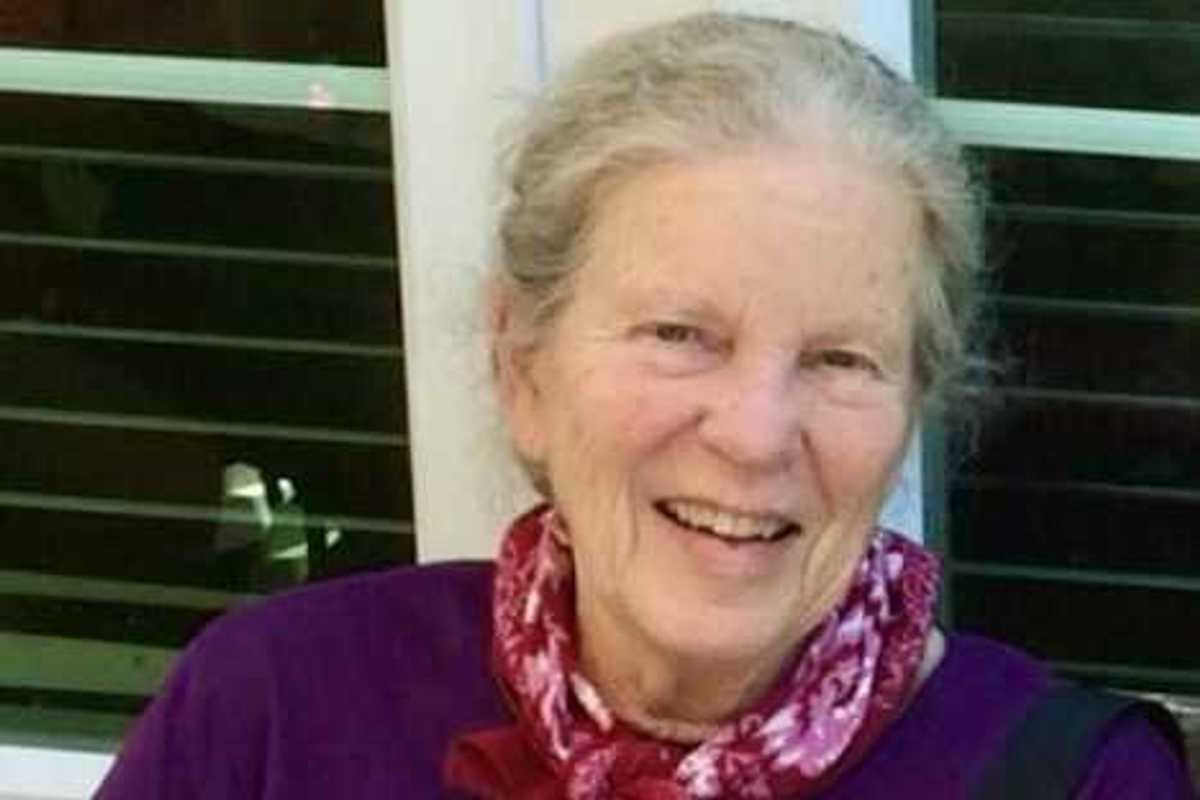
WEST CORNWALL — Erica Child Prud’homme died peacefully in her sleep on Jan. 9, 2026, at home in West Cornwall, Connecticut, at 93.

Erica was born on April 27, 1932, in Doylestown, Pennsylvania, the eldest of three children of Charles and Fredericka Child. With her siblings Rachel and Jonathan, Erica was raised in Lumberville, a town in the creative enclave of Bucks County where she began to sketch and paint as a child.

Keep ReadingShow less
google preferred source

Want more of our stories on Google? Click here to make us a Preferred Source.
google preferred source

Want more of our stories on Google? Click here to make us a Preferred Source.