CORNWALL — It began more than two years ago with extensive input from the general population. And now, on Nov. 19 and 21, town residents will have a chance to comment on a draft of a revised Cornwall Town Plan of Conservation and Development.
Connecticut towns are required to have a plan, and to update it every 10 years. The main purpose under the law is to plan future land use and economic development. Towns that do not comply risk state grant funding in related areas.
For Cornwall, the goal is to not just write a plan to satisfy the state, but to create a usable statement of standards to spell out the vision behind zoning regulations and guide future planners.
At a Planning and Zoning Commission meeting Nov. 10, the Board of Selectmen offered their insights on the 46-page draft.
They expressed their gratitude to all the volunteers, in particular, P&Z Chair Annie Kosciusko and commissioner and professional planner Rick Lynn, for all their work. Both were attending their last P&Z meeting under their current terms, having declined to run for re-election.
Home-based businesses
The selectmen mostly offered ideas to augment concepts in the plan, although there was one glaring mistake that was easily fixed and good for a laugh. In a brief historical description of West Cornwall, the report said it is on the western bank of the Housatonic River, which is, of course, the Sharon side.
First Selectman Gordon Ridgway said it struck the selectmen that the economic development portion of the plan focused on village centers.
“There is substantial growth with home-based businesses in outlying areas. The perception is that business is just in the town centers and everything else is just houses,†Ridgway said. “We should promote the whole mindset that being able to work where you live is a good thing.â€
Kosciusko said home-based business was discussed extensively. It was agreed it is very important to the economy of Cornwall, and could be stressed more in the plan.
As for natural resources, the selectmen requested that land conservation successes by the town and various entities made in the last 20 years or so should be spelled out in the plan.
“Regarding agriculture, it’s important to note that agriculture may come back, but in different forms, to reflect the changes that are going on,†Ridgway said. “We are looking for some sort of statement that P&Z should be open to new trends.â€
Affordable housing
Housing is a big issue in Cornwall, the main issue being the lack of affordability. It is addressed extensively, over 10 pages of the proposed plan revision.
The draft lists seven strategies for affordable housing. Those include allowing an exemption under zoning regulations for farmers who want to sell off home lots. Rather than have to comply with 3- or 5-acre minimums, depending on the zone, they would be able to sell off one acre, provided it meets buildable area requirements. The remaining two or four acres would be held in an easement that would allow it to be farmed, but not developed.
The selectmen asked that the plan support joint ownership of some properties, in particular large, existing homes in town centers. That would allow for the development of condominiums, creating affordable home ownership opportunities in places with dense development. It could also apply in outlying areas. Currently, zoning regulations allow for large homes to include rental apartments.
Selectman Richard Bramley noted that only Kugeman Village qualifies under state guidelines as affordable. The parcel program, for instance, does not.
“The lack of affordable housing may not be as crucial as we think,†he said. “That’s a strong point to make. But we agree there still needs to be a lot more.â€
Copies of the plan are available at Town Hall and businesses around town. The plan can also be downloaded at cornwallct.org.
Public comment will be accepted during two public hearing sessions at Town Hall on Thursday, Nov. 19, at 7:30 p.m. and Saturday, Nov. 21, at 10 a.m.

 Models walk the organic runway at HVSFW. Ilan Harel
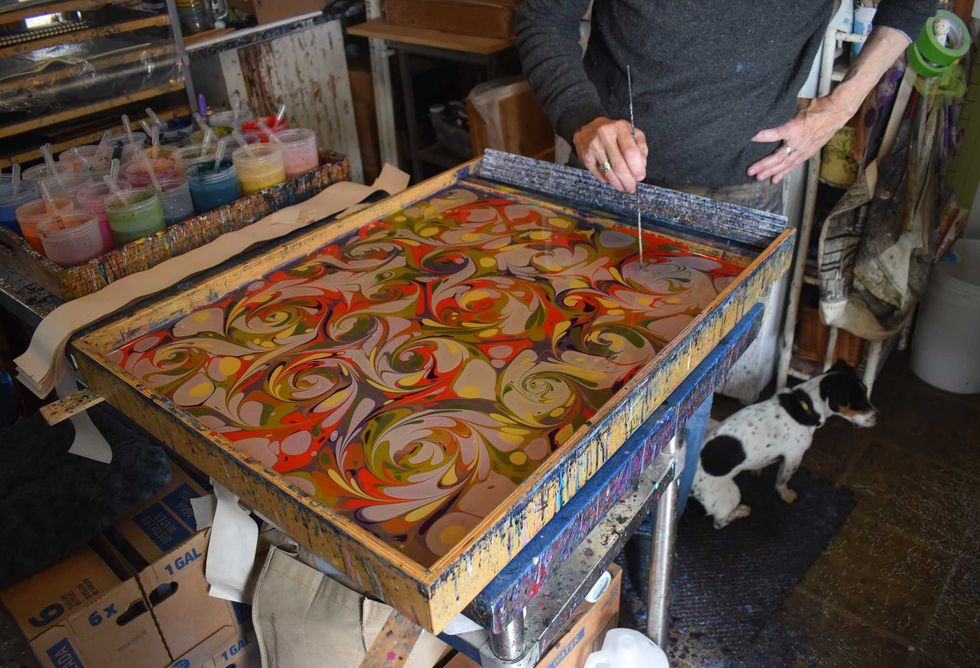 Susan Schneider, owner of Shandell’s, creates a variety of products with marbleized surfaces in her Ashley Falls studio.L. Tomaino


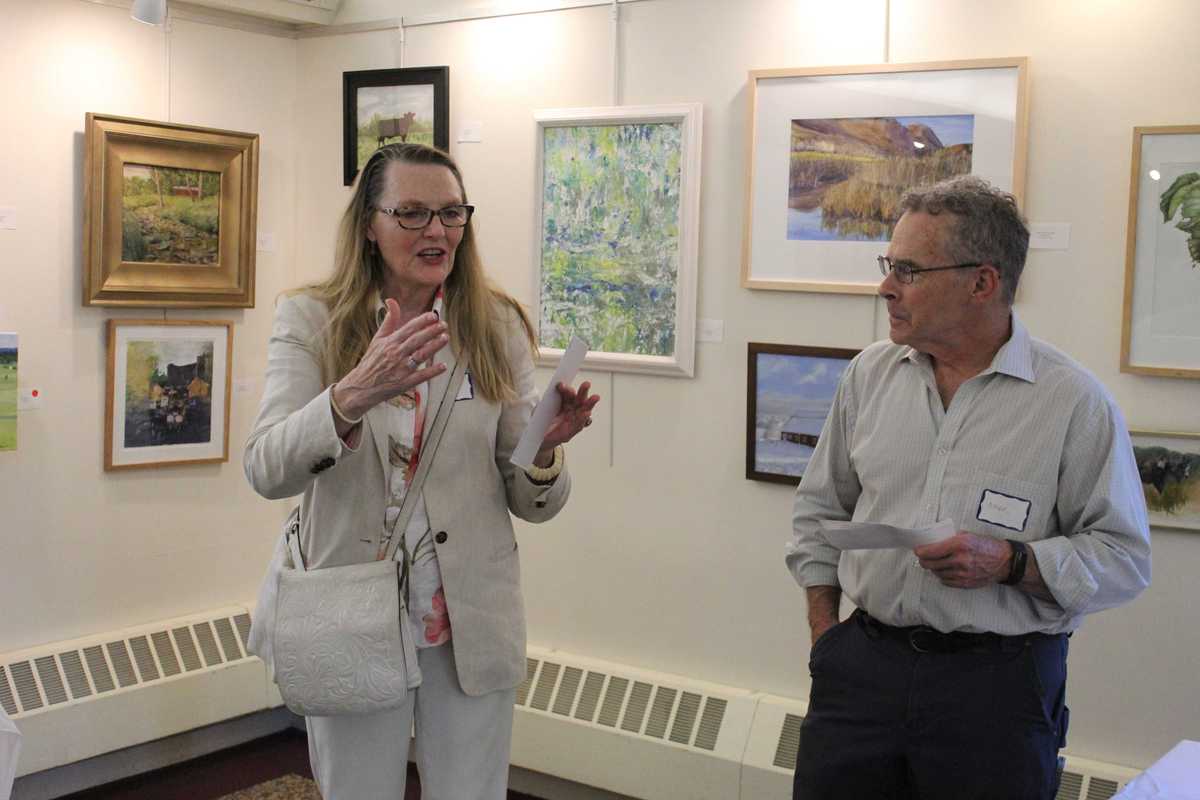
 Roger McKee naming the winners with the first place entry over his left shoulder. Patrick L. Sullivan
 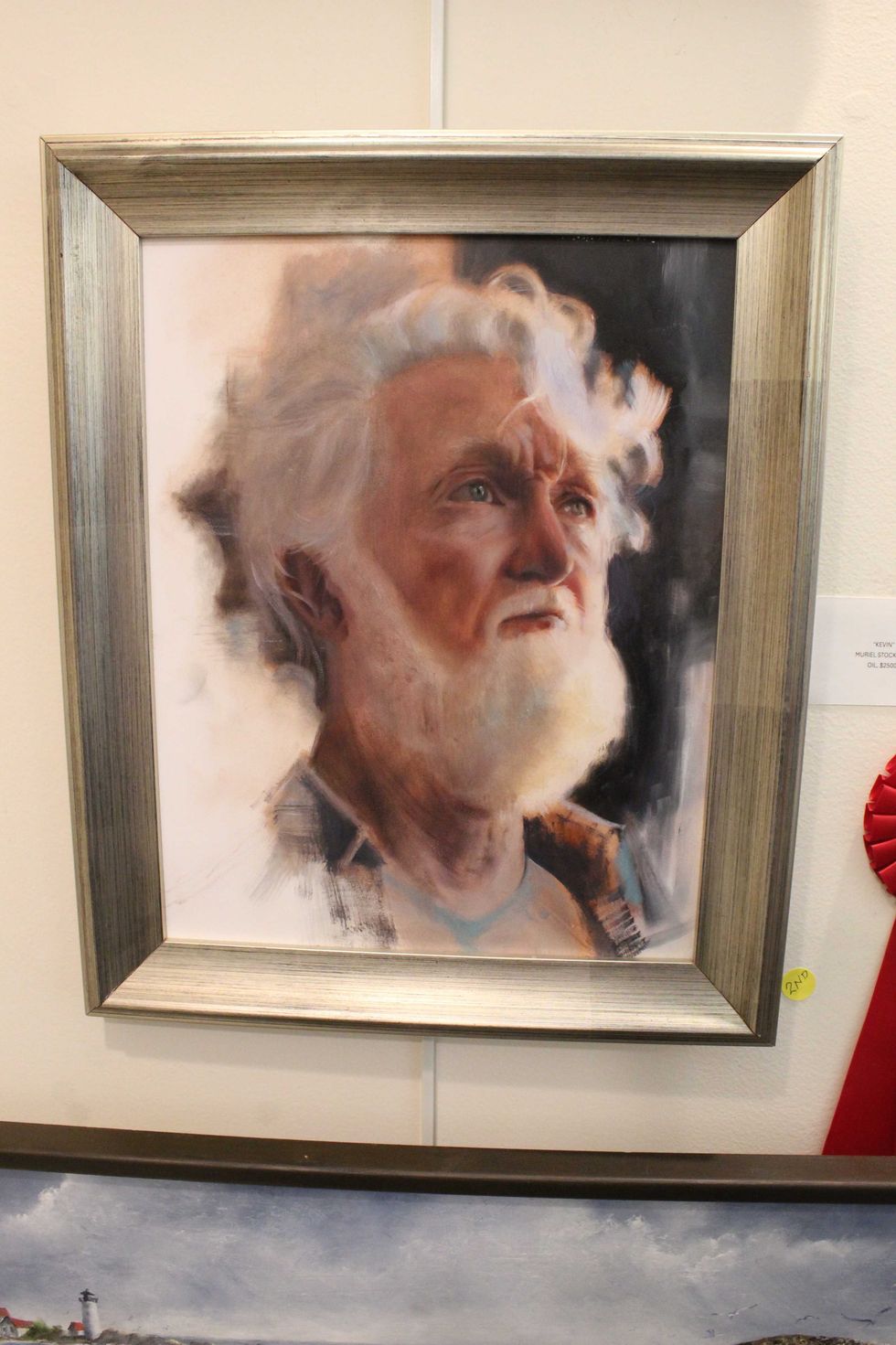 Muriel Stockdale’s “Kevin” took second place in the juried art show at Trinity Episcopal Church.Patrick L. Sullivan