Thank you!
Your support is sustaining the future of local news in our communities.

At Tuesday talk, Sheffield slave’s fight for freedom


By Roger Wistar


FALLS VILLAGE — Historical curator Will Garrison opened a window on a pivotal moment in abolitionist history in the latest installment of the "Tuesdays at Six" lecture series.

In his talk on June 23, called "Colonel Ashley, Mum Bett and Freedom," Garrison recounted the story of Elizabeth Freeman (also known "Bett" or "Mum Bett"), a slave living in the household of Sheffield, Mass., native John Ashley in the 18th century. Freeman successfully sued for and won her freedom in a landmark 1781 court case that paved the way for the abolition of slavery in Massachusetts.

The Freeman case "is such a remarkable story," Garrison said. "Not only [was she] a slave, and a woman, but she was going up against the most powerful man in southern Berkshire county."

At the time, the Ashley family was a major force in nearly every facet of life in southwestern Massachusetts. Ashley owned more than 3,000 acres of land, ran numerous local businesses, and was a representative in the colonial government.

Despite the seemingly overwhelming imbalance of power, Freeman sought out the assistance of lawyer Theodore Sedgwick to file suit on her behalf. After a two-day trial, the circuit court in Great Barrington ruled that Freeman was no longer Ashley’s legal property, granting her freedom.

The efforts of Ashley in the American Revolution provide an interesting parallel to the personal struggles of Freeman, said Garrison. In the early 1770s, many local governments wrote their own lists of grievances resembling the Declaration of Independence. Ashley served as moderator for the committee that did this in Sheffield.

Garrison also devoted a sizeable portion of his talk to describing the Ashley House, both its history and the current efforts by his organization, The Trustees of Reservations, to preserve it and promote it to visitors.

In the years since The Trustees of Reservations took custody of the house, the organization has used sophisticated techniques to study its history. These include taking core samples from boards to date the house and using forensic architecture to document the history of the house’s construction over time.

This year the house was especially popular for school groups, said Garrison. In 2006, the house was inaugurated as the first site on the African-American Heritage Trail, a collection of 29 sites in Connecticut and Massachusetts.

Next week’s lecture, on July 7, is "The Other Tea Party: Chestertown, Md." and will feature Maryland historian Linda Ruggles. The talks are held each Tuesday at 6 p.m. during the summer at the South Canaan Meeting House, located at the junction of routes 7 and 63 in Falls Village. Admission is free.
Latest News

Doug Tallamy’s work in progress: saving the planet one backyard at a time

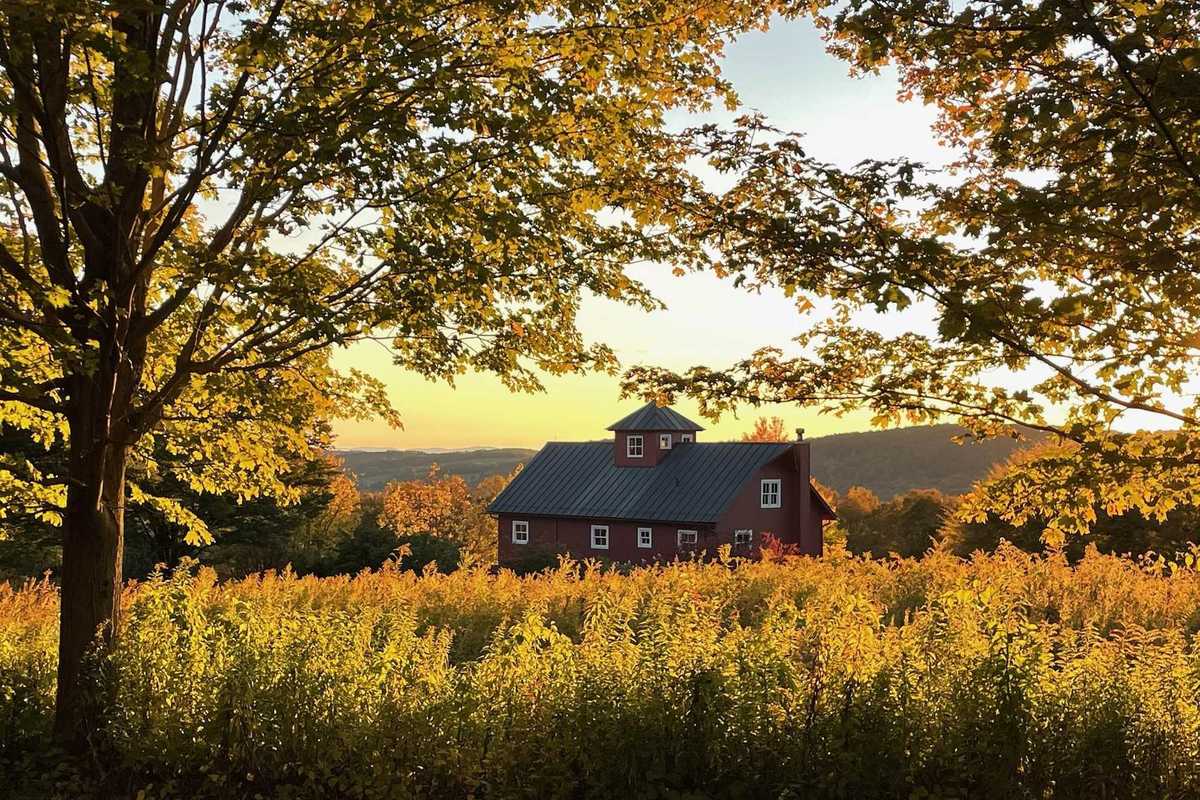
Windacre, a 25-acre property in Millerton will be the site of “Work in Progress,” an afternoon with acclaimed entomologist, New York Times bestselling author and Homegrown National Park co-founder Doug Tallamy.

Provided

For nearly three decades, Doug Tallamy, a professor at the University of Delaware and co-founder of Homegrown National Park, has studied the intricate relationships between native plants, insects, birds and the ecosystems that sustain them. His books, including “Bringing Nature Home” and “Nature’s Best Hope,” have helped shift the conversation about conservation from something that happens primarily in parks and preserves to something ordinary people can practice on the land around them.

On Sunday, Oct. 4, Tallamy will bring that conversation to Windacre in Millerton for “Work in Progress: Toward Native Fields,” an outdoor gathering exploring both the possibilities and the complications of restoring private land for biodiversity.

Keep ReadingShow less
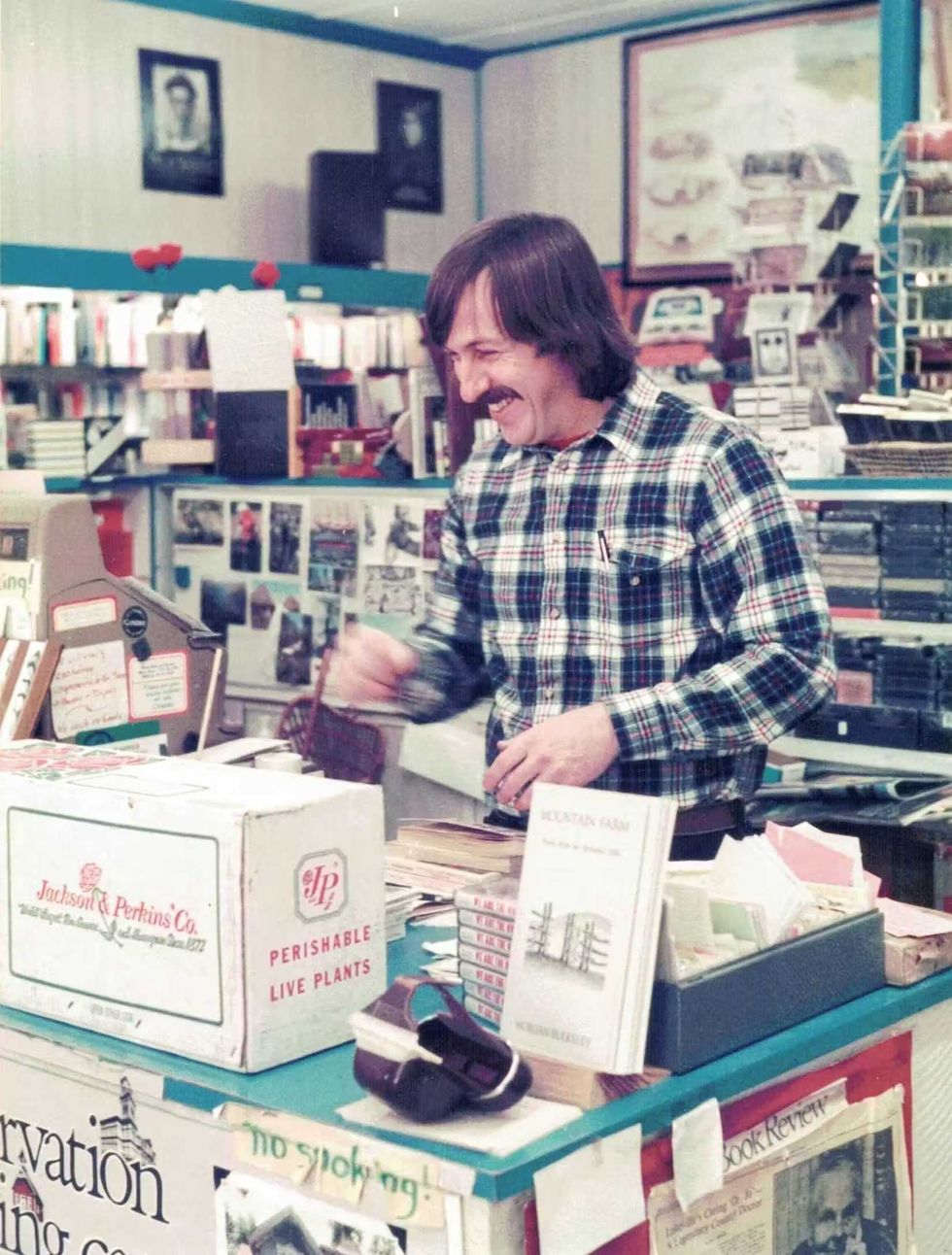
Celebrating Dick Hermans’ life built around community

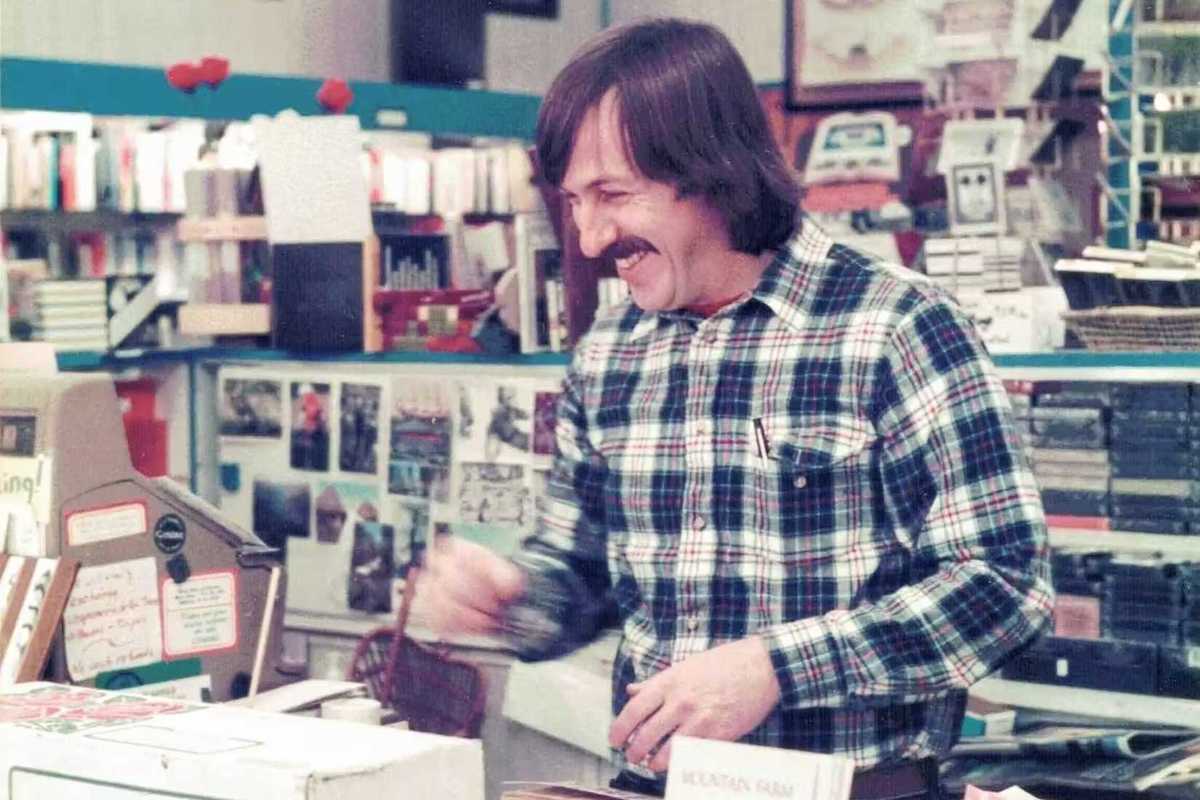
Dick Hermans in the Oblong Bookstore on Millerton\u2019s Main Street in 1985.

Provided
No matter what I’ve done, I’m trying to be useful to the communities I’m associated with.
— Dick Hermans

When Dick Hermans receives the Estabrook Community Leadership Award on Oct. 11, he will accept it for a lifetime of work that has taken many forms: bookseller, radio host, school board member, advocate for the Harlem Valley Rail Trail, business owner, volunteer and, perhaps most importantly, a person who has consistently looked for ways to be useful to the communities around him.

The Lakeville Journal and The Millerton News will present Hermans with the 2026 award at the annual Jubilee celebration at the Sharon Playhouse. The award honors outstanding leadership in community service and was inspired by Mary Lou and Robert Estabrook, former owners of the newspapers who believed that strengthening a community extended well beyond the work of publishing a newspaper.

Keep ReadingShow less
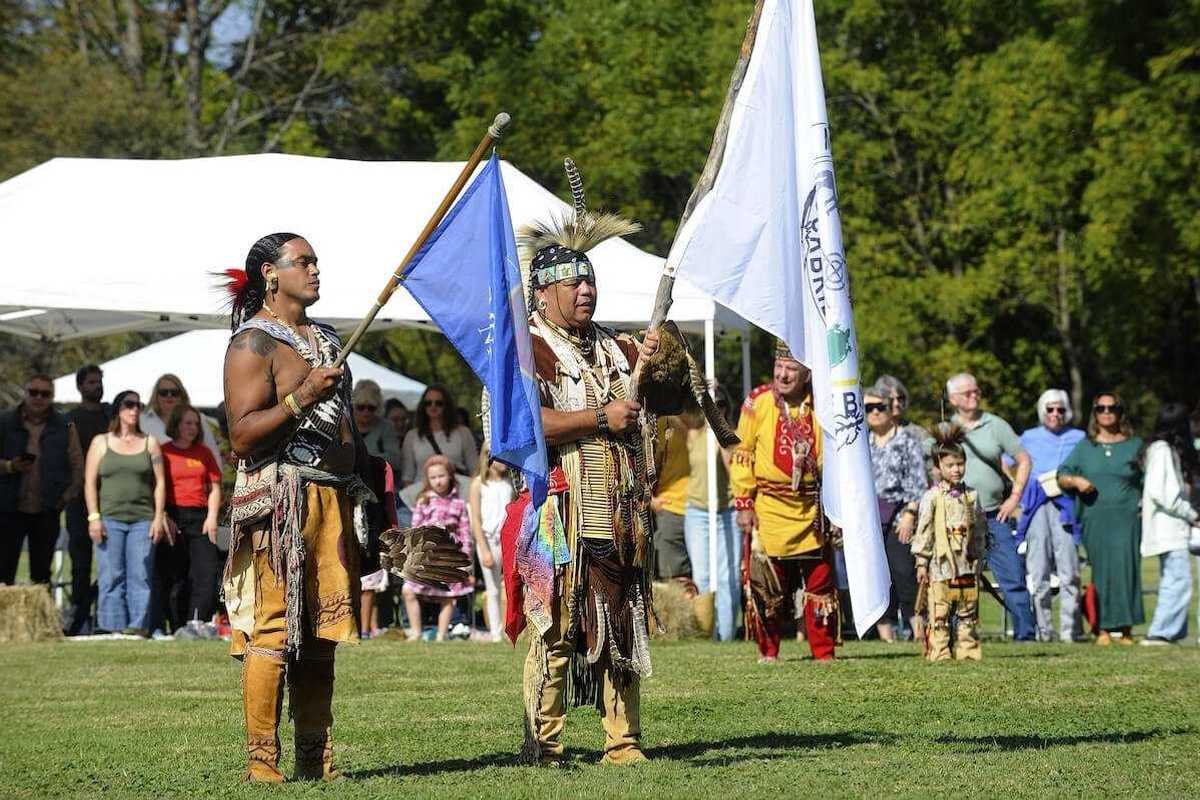
Tending the Fire: Homelands PowWow brings Mohican culture home to the Berkshires

Members of the Stockbridge-Munsee tribe at Homelands PowWow in 2025.

Joeseph Plante New Media Storytellers
Our goal is to continue building an annual gathering that honors the history, culture and traditions of the Stockbridge-Munsee Band of Mohicans in their original Homelands.


For the Stockbridge-Munsee Mohican people, the Berkshires are not simply a place to visit. They are ancestral homelands.

Keep ReadingShow less
google preferred source

Want more of our stories on Google? Click here to make us a Preferred Source.

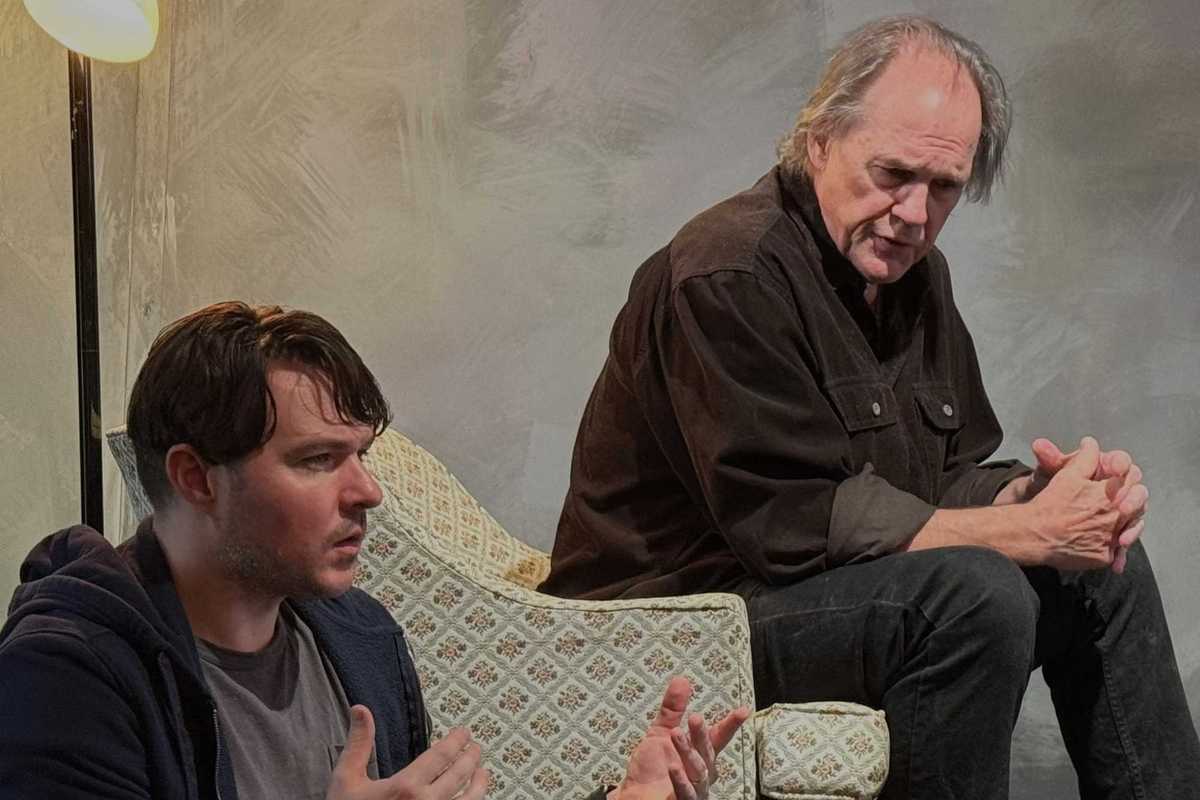
Ancram Center’s “A Number” doubles questions of identity
Ledbetter (left) and Wojda (right) on the set of “A Number” at Ancram Center for the Arts.
Jeff Mousseau

How would you feel if you found out you weren’t the only you — if there was an exact replica of you? What if you found out that you’d been cloned? Would you believe that you’re the real you? Would you suspect you might be a copy of the original? How could you be sure anything about your life was real? These are some of the questions posed in Caryl Churchill’s play “A Number,” opening at the Ancram Center for the Artson Oct. 1.

Churchill was born in London in 1938 and has been hailed by the theaterl world as one of the strongest voices of her time to take on sexual politics and feminist themes. Her works garner pointedly considered analysis from the highest levels of theatrical intellectualism. Basically, it’s about as far from “The Lion King” as you can get. While she’s experimented with dance theater in the past, “A Number” is much more stripped down, highlighting Churchill’s chosen themes and the skills of both actors on stage.

Keep ReadingShow less

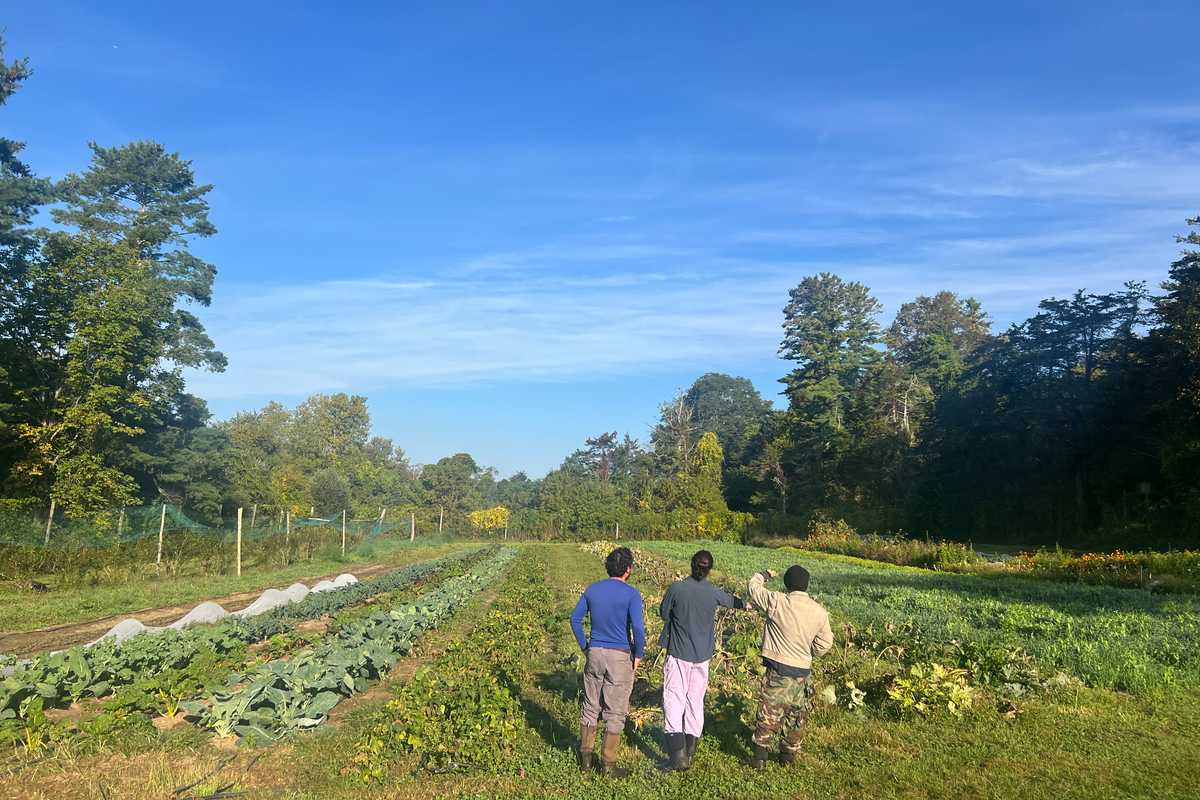
Dispatches from the Farm

Dispatches from the Farm

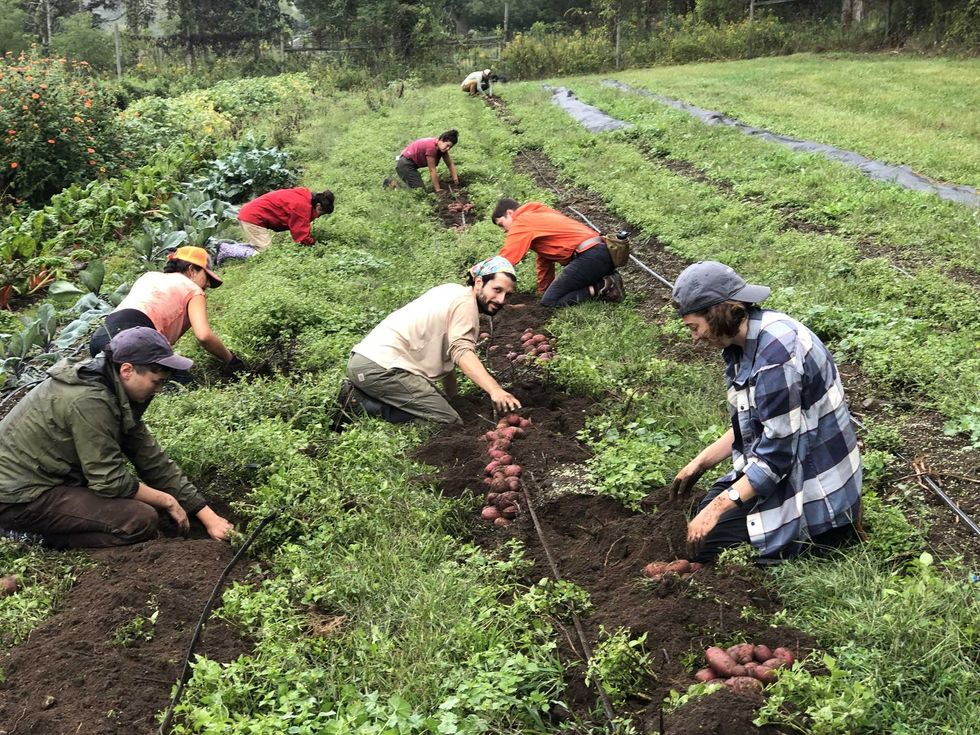
Adamah Farm crew members planning out the day’s tasks on a late September day.

Janna Siller

“Dispatches from the farm” is a new, periodic column offering a firsthand look at the rhythms, challenges and rewards of farming through the eyes of a local farmer.

The thing about plants is that they can’t get up and move. When a storm like last weekend’s nor’easter threatens to roll through, you can’t just round everybody up and settle them safely on the sofa for movie night.

Keep ReadingShow less
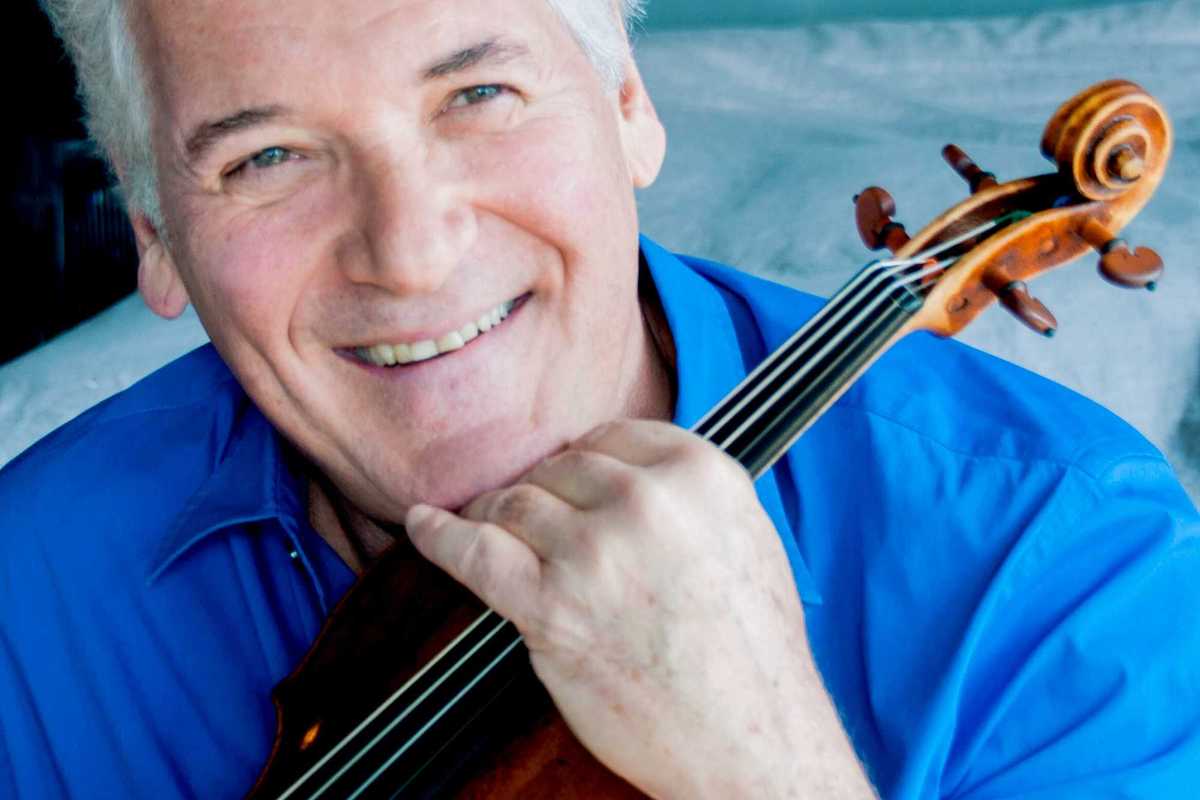
Pinchas Zukerman brings an all-Beethoven program to Hotchkiss

Pinchas Zukerman to perform at Hotchkiss Oct. 4

Cheryl Mazak

The passion, drama and energy of Beethoven will fill Katherine M. Elfers Hall at The Hotchkiss School on Oct. 4, when world-renowned violinist Pinchas Zukerman is joined by pianist Shai Wosner for a special recital.

The 4:30 p.m. program at the Esther Eastman Music Center will feature three of Beethoven’s celebrated violin sonatas: Violin Sonata No. 4 in A minor, Op. 23; Violin Sonata No. 5 in F major, Op. 24, “Spring”; and Violin Sonata No. 7 in C minor, Op. 30.

Keep ReadingShow less
google preferred source

Want more of our stories on Google? Click here to make us a Preferred Source.

google preferred source

Want more of our stories on Google? Click here to make us a Preferred Source.