

Spending a week at the Foundation for Individual Rights and Expression (FIRE) forum at American University changed how I think about free speech, especially in difficult moments like the aftermath of Charlie Kirk’s killing. In the days that followed, people were fired or punished for comments seen as insensitive or supportive of the violence. What stood out to me was not just what people said, but how quickly reactions shifted depending on who was speaking. People who often criticized cancel culture suddenly supported consequences for speech they found offensive. It made me question whether free speech is truly a principle we believe in, or something we defend only when it is convenient.
That question feels personal to me. My grandparents lived in Argentina during the military dictatorship in the early 1970s, when speaking out against the government was dangerous. People who spoke out were not just silenced socially, they were arrested, and many were tortured or killed. Some simply disappeared. My mom was born during this time, and her family fled when she was just one year old. Growing up, I have heard these stories not as distant history, but as something that shaped my family’s life. Because of that, I cannot think about free speech as an abstract idea. I see what can happen when it is taken away.
With that perspective, my time at FIRE helped me better understand why the First Amendment is written the way it is. It is not designed to protect speech that is widely accepted or easy to hear. It exists to protect speech that people may strongly dislike. One of the most impactful moments of the forum was hearing from Daryl Davis, a black musician and activist,who spent years engaging directly with members of the Ku Klux Klan. Instead of shutting down conversations with people who held deeply racist beliefs, he chose to talk with them, listen, and challenge them through dialogue. Over time, many of those individuals left the Klan, not because their opinions were silenced, but because their views were confronted and changed through conversation. These conversations eventually helped build long lasting relationships, to the point where Davis stepped in to walk a former Klansman’s fiancé down the aisle. His experience showed me that allowing speech, even when it is offensive, can create opportunities for understanding and change in ways that punishment or censorship cannot.
The First Amendment should protect people from being punished by the government for what they say, except in cases of inciting violence or real threats. If we only defend free speech when we agree with it, then it is no longer something we can all rely on. It becomes something we apply selectively, depending on who is speaking.
My family’s history makes that danger feel real. Once speech began to be controlled inArgentina, it no longer mattered what people believed or said. The system decided who wasallowed to speak and who was not. That is why I believe the legal limits on speech should benarrow. At the same time, I believe we all carry responsibility in how we use our words. Freespeech gives us the right to speak, but it also challenges us to use that right thoughtfully.
Protecting speech, even when it is uncomfortable, is not easy. But from what I havelearned, both from my family and from my experience at FIRE, it is necessary.
Nora Kallusky is a 12th grader at Ridgefield High School
Connecticut Foundation for Open Governement high school essay contest
Each year, the Connecticut Foundation for Open Government sponsors an essay contest open to all high-school students in the state. The contest focuses on First Amendment and open information issues. This year, students chose from three prompts (edited here for space constraints): 1.) the potential limitations on hate speech following the fatal shooting of conservative activist Charlie Kirk; 2.) the arrest and revocation of the student visa of a Tufts University Ph.D. student from Turkey who had written an opinion piece for the school newspaper critical of the university’s position on the war in Gaza; 3.) the banning of the Associated Press from Oval Office events and Air Force One following its refusal to refer to the Gulf of Mexico as the Gulf of America, which is President Trump’s preferred name.
The Lakeville Journal has obtained permission to publish the 2026 top three winners out of 70 entries from across Connecticut. First place went to Nora Kallusky, a senior at Ridgefield High School. There was a tie for Second Place, so Mayumi Iwai, a junior at Greenwich High School, and Prithika Venugopal, a senior at Rocky Hill High School, both received that honor.

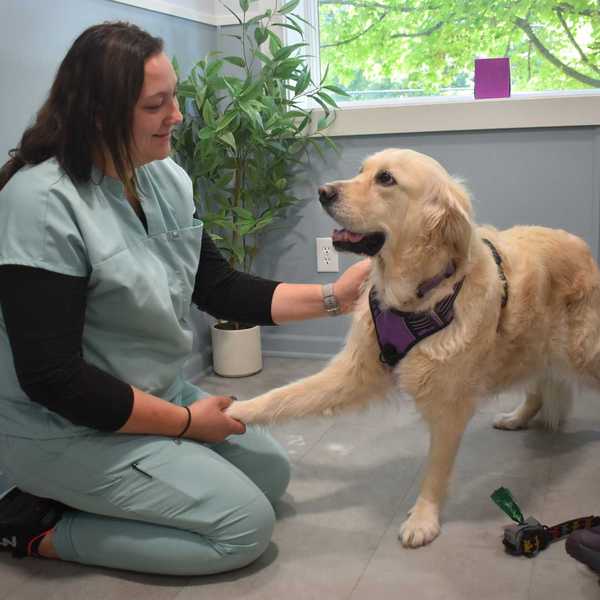
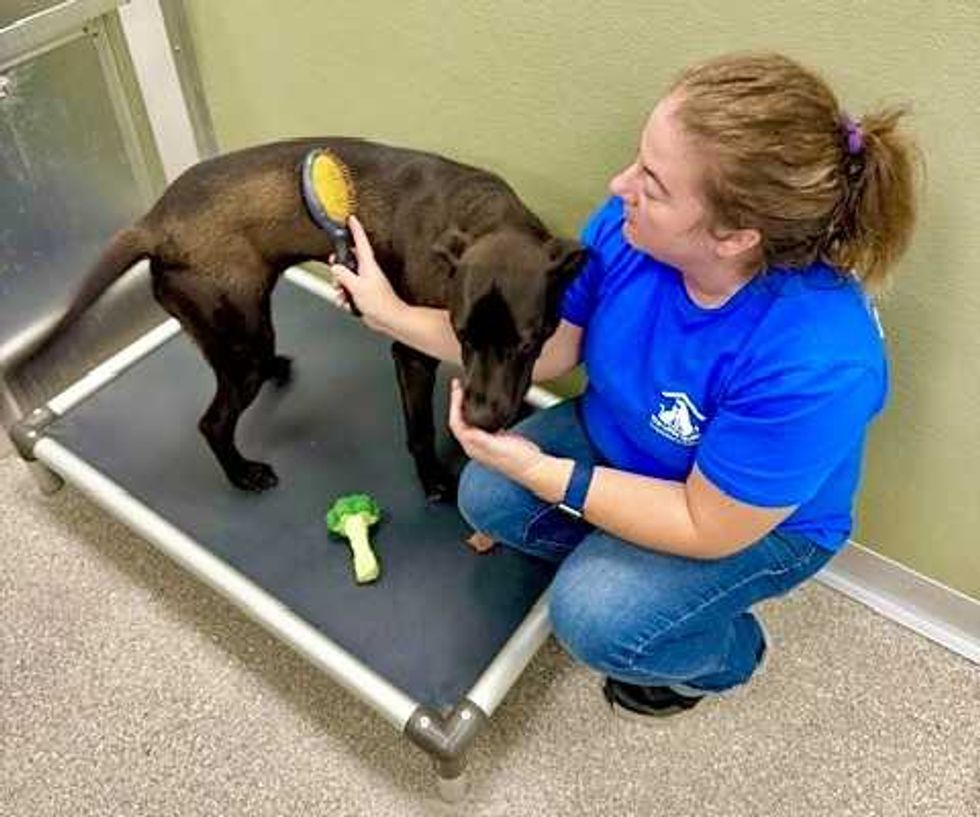 Tiffany Lemelin, shelter manager, brushing Marsala upon arrival.Provided
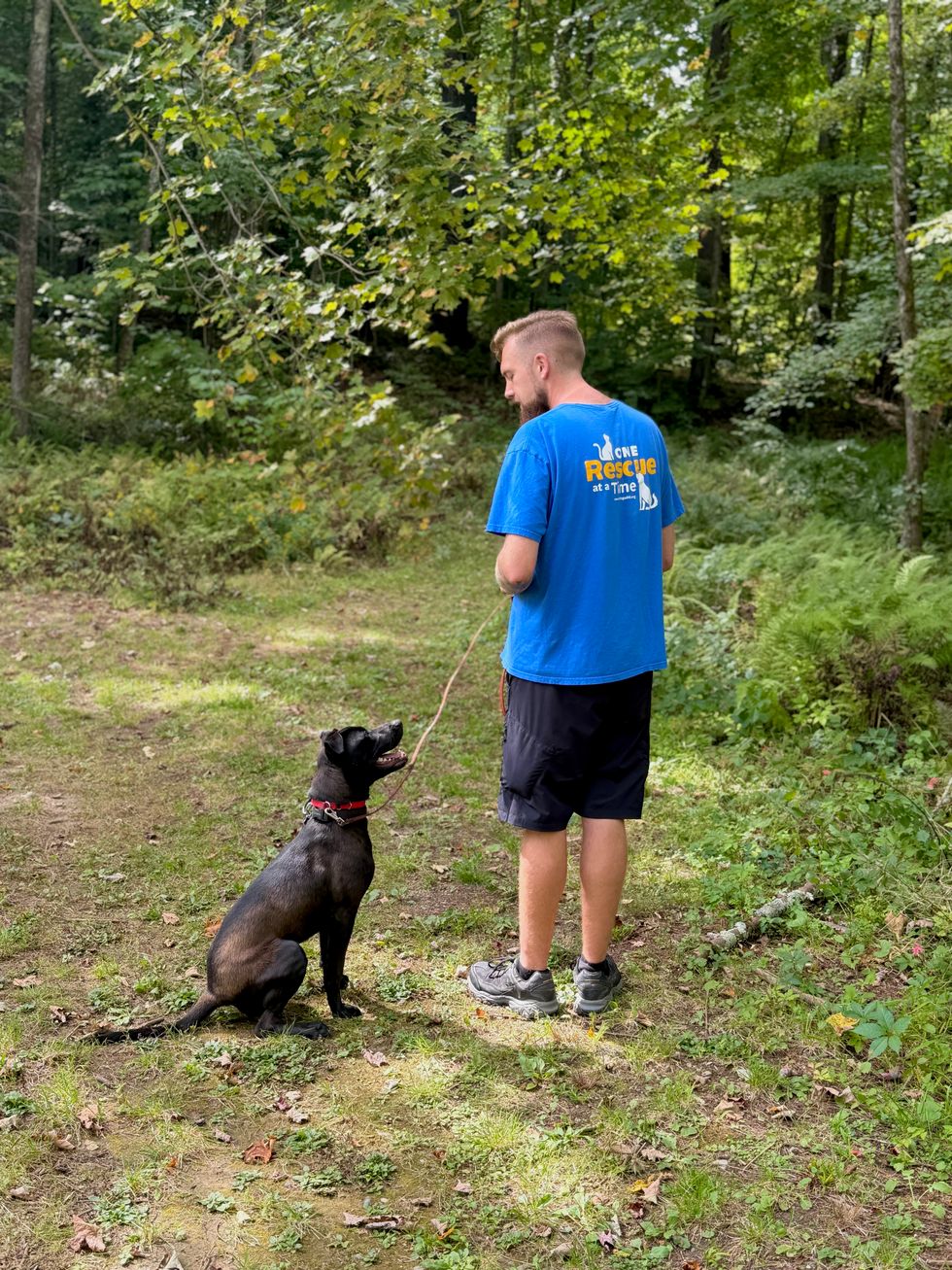 Michael DeBarba, certified dog trainer working with Marsala.Jennifer Almquist
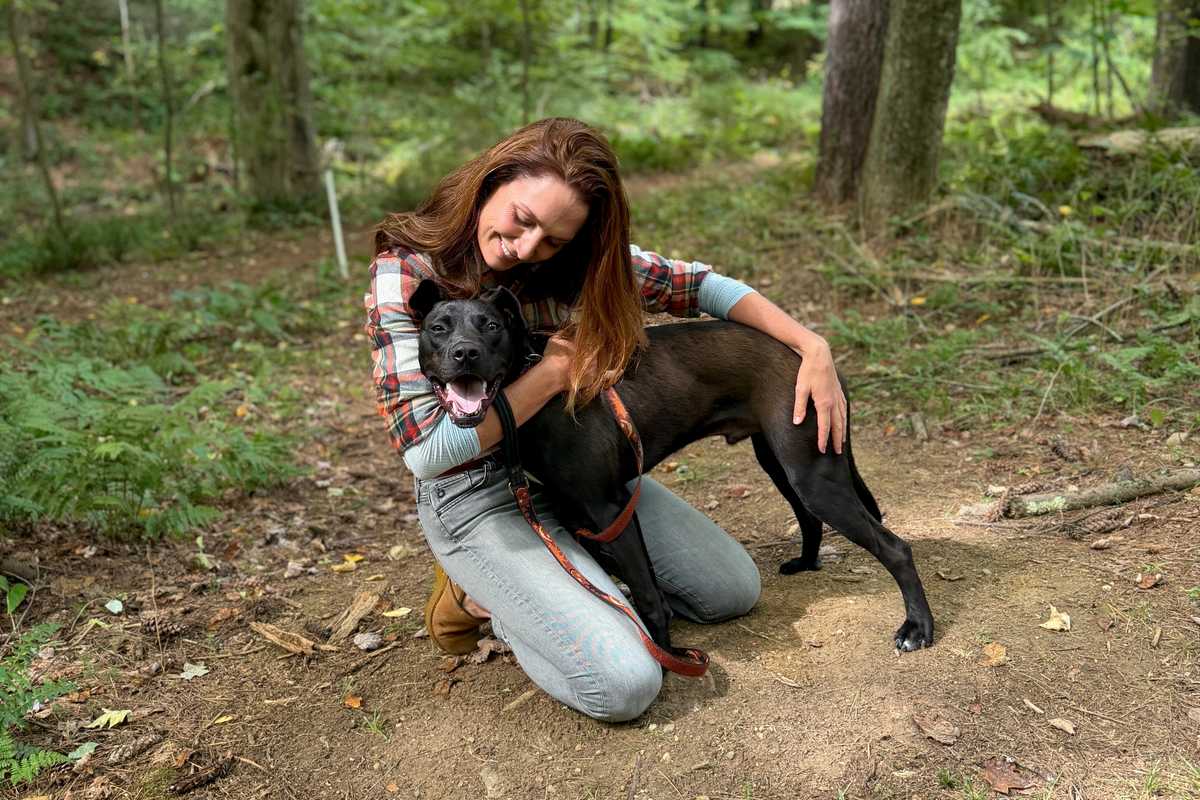 Marsala wins a heart.Jennifer Almquist
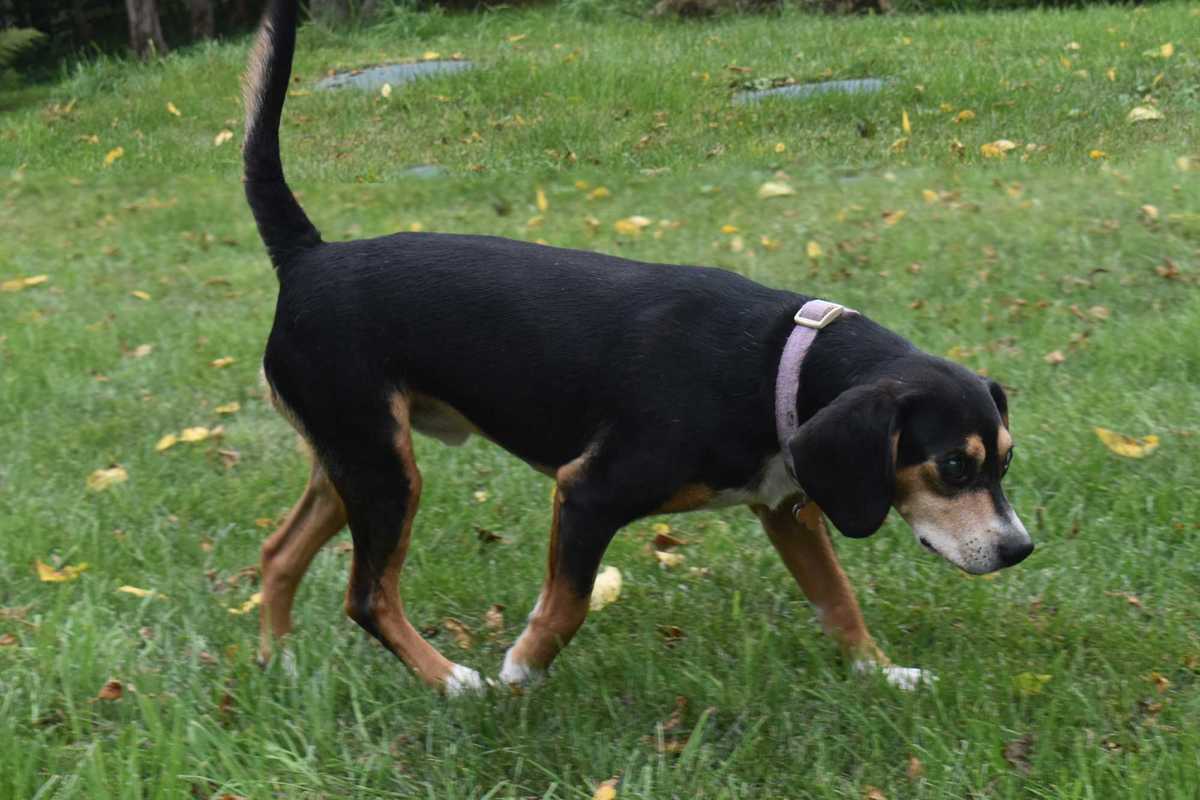
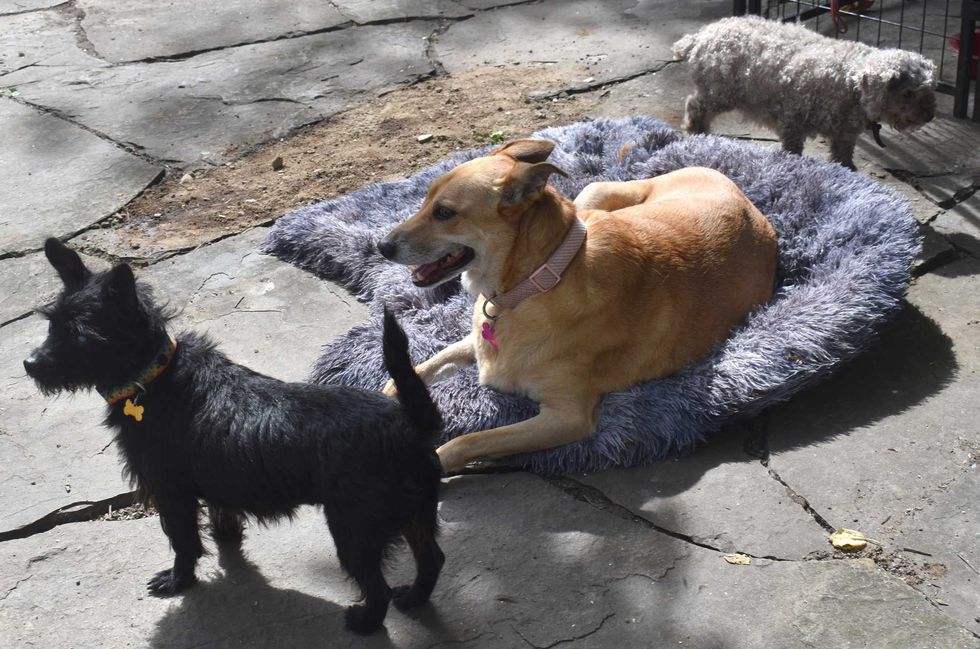 Sadie, center, a Carolina dog, plays with her friend Negra, a terrier mix. Bella Linda, the small poodle, has since been adopted.L. Tomaino
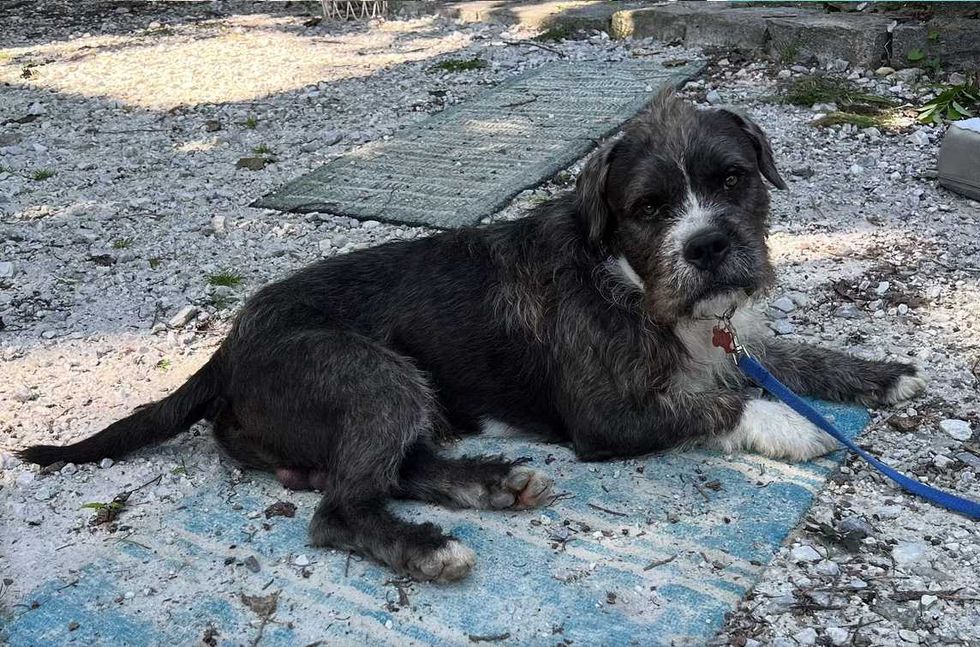 Wesley, a young, exuberant mix, is looking for an active home.L. Tomaino
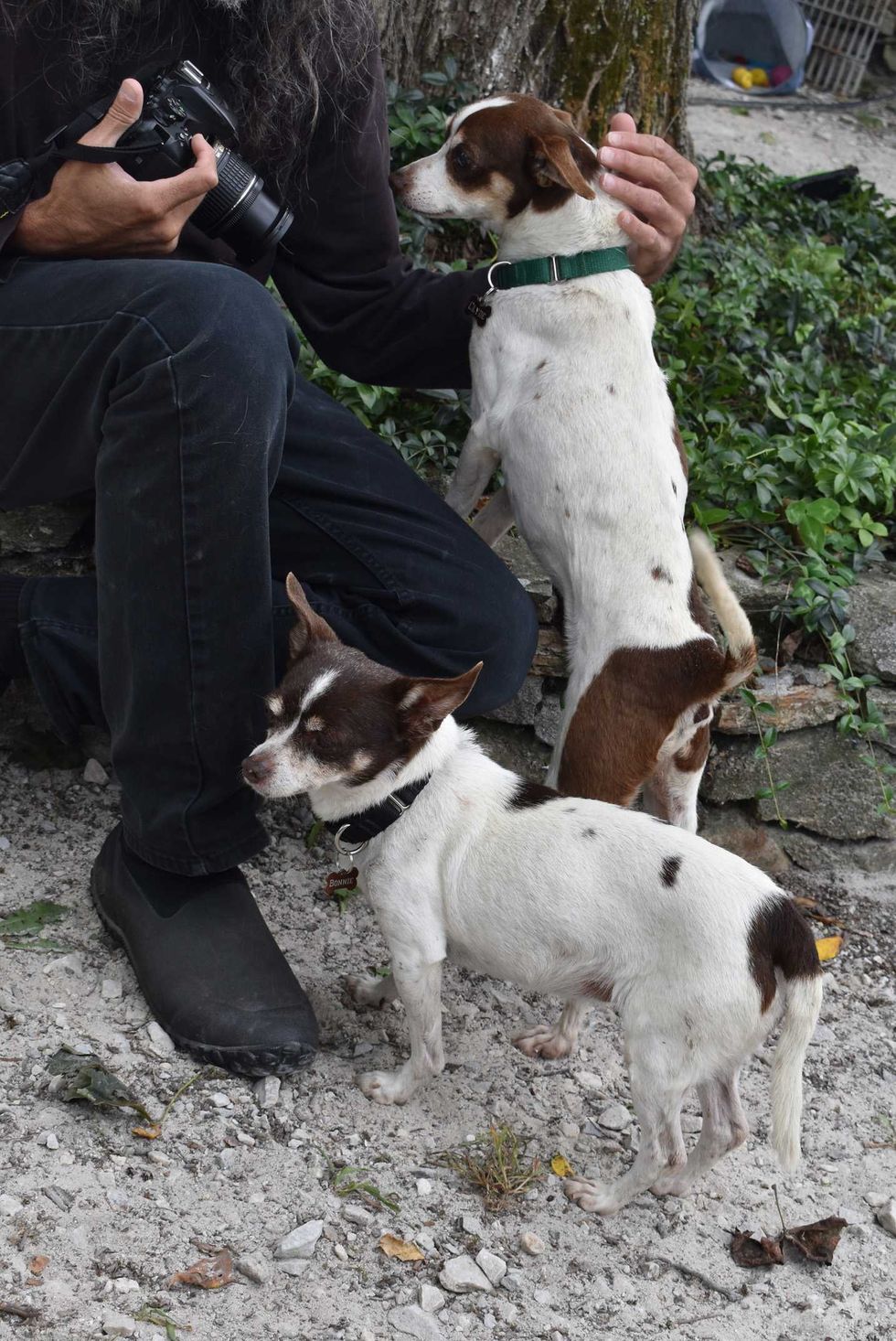 Bonnie and Clyde, an affectionate terrier pair.L. Tomaino
 Provided
Free speech or a loyalty test?