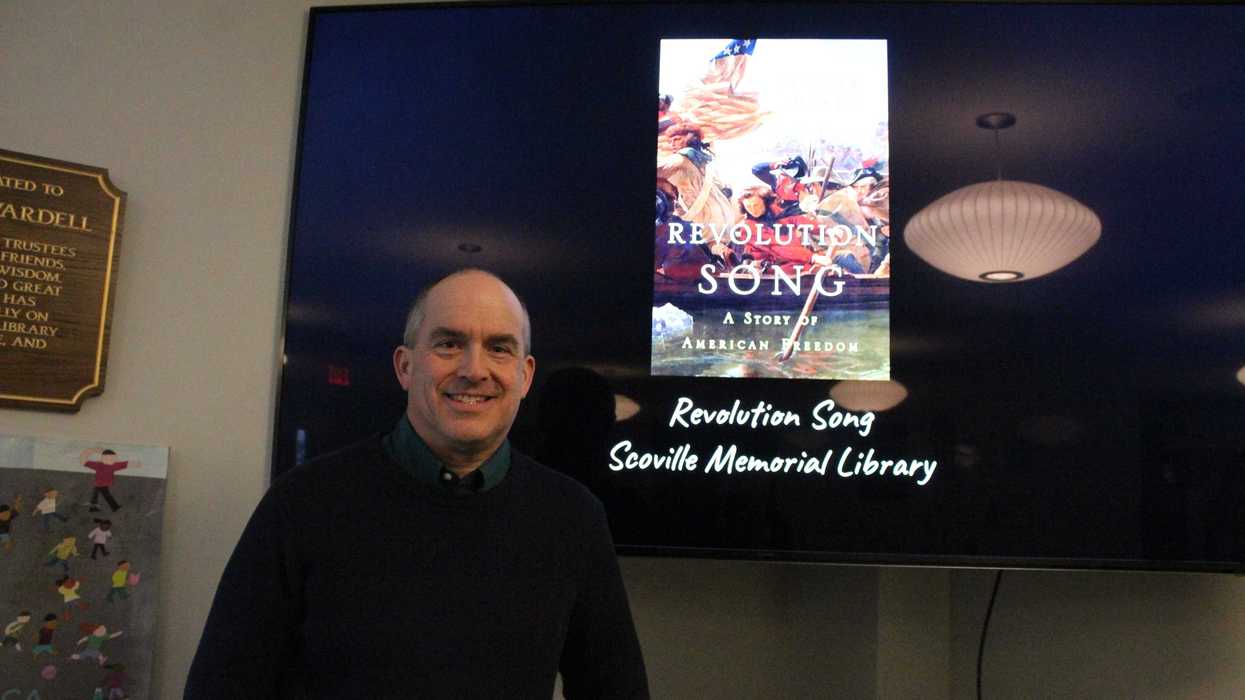
SALISBURY — Historian Peter Vermilyea took a group at the Scoville Memorial Library on a tour of the American Revolution that included a soldier who fought in the Continental Army and lived to see the end of the Civil War.
Vermilyea, who is the author of several books and the head of the Social Studies department at Housatonic Valley Regional High School, also touched on a serial killer and the role of Black soldiers in the conflict.
The Feb. 19 event was part of the library’s ongoing discussion of the American Revolution and Russell Shorto’s book “Revolution Song.”
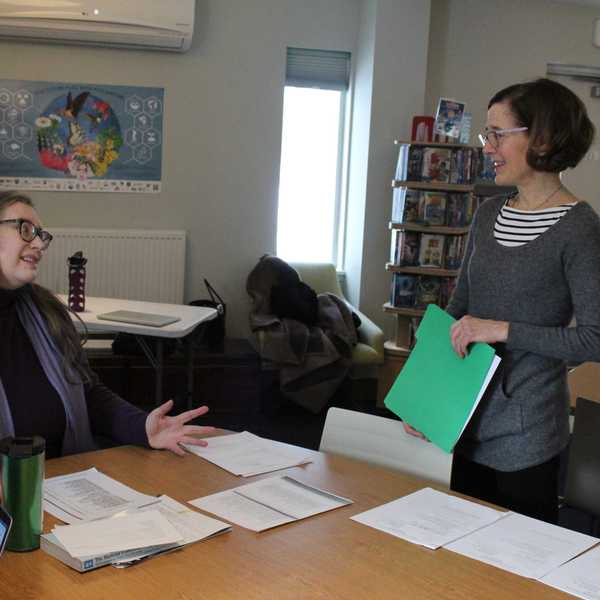
Vermilyea engaged with the audience of about 25 people throughout the presentation.
He started with the strange case of Barnett Davenport, Litchfield County’s first mass murderer.
Prior to the Revolution, Davenport lived in what is now Washington, Connecticut, and decided to kill his family, set fire to their home, and fake his own death.
He wasn’t clever enough, however, and was eventually found hiding in a cave in Cornwall.
“This complicated the Revolution,” Vermilyea said.
Because of the notoriety of the Davenport case, in Litchfield County, soldiers in the Continental Army were not allowed to pass through unless they were with their units.
“This is at odds with our perception of the patriots who won the Revolution,” he said. “In their time they were not allowed to walk through the towns alone.”
Asked about Black soldiers in the Revolution, Vermilyea said unlike the Civil War, when Blacks fought in segregated units, the Blacks who fought on the colonists’ side were mixed in with everyone else, at least at first.
He said about 30,000 New England men responded to the events in Lexington and Concord, Massachusetts in April 1775.
“Immediately this starts to slide,” said Vermilyea. The volunteers were not a professional force, and when it was time to go home and bring in the fall crops, they left.
He said about 10% of those 30,000 men were Black.
When George Washington arrived on the scene as commander of the Continental Army, he ended the mixed-race units for fear of losing support from the southern colonies.
Asked about Litchfield County men fighting in the French and Indian War, Vermilyea said the war, which lasted from 1754 to 1760, started when an obscure colonial officer of the British army named George Washington “stumbled into a French camp.”
“Remember Litchfield County towns were essentially brand new,” with many founded in the 1730s.
“This was the frontier.”
Many of the men who fought under the British flag during the French and Indian War turned out to be Loyalists once the Revolution started.
“And consider this —in 1763 Americans were the healthiest, wealthiest people in the world. They attributed that status to their place within the British Empire and specifically to their being subjects of the British king.”
“And 12 years later they were shooting at British soldiers,” he said.
During the Civil War, Rev. Elias Brewster Hillard interviewed surviving Revolutionary War veterans, including Lemuel Cook.
Born in Plymouth, Connecticut, in 1759, Cook’s father, a farmer with a 100-acre spread, died young, causing hardship for the family.
When the Revolution started, Lemuel and his two brothers signed on with the Continentals, in part to support themselves and their families.
In 1776, Cook enlisted in Captain Moses Seymour’s troop of the 2nd Continental Light Dragoons and fought in major battles, including White Plains and Brandywine.
Cook was wounded several times and was there on Oct. 19, 1781, when the British surrendered at Yorktown.
Cook remained in the army for two and a half years after that, and his honorable discharge papers were signed by George Washington.
He returned to Plymouth and the family farm and subsequently moved several times through New York state.
During the Civil War, one Rev. Elias Brewster Hillard, in search of surviving Revolutionary War veterans, tracked down Cook, who was living in Clarendon, N.Y. near Lake Ontario.
Hillard interviewed and photographed Cook.
When the minister asked the centenarian veteran about the Civil War, Cook said it was “terrible but necessary” to put down the rebellion.
Cook died in 1865, age 106, having fought in the Revolution and lived through the War of 1812, the Mexican-American War, and the Civil War.
Vermilyea marveled at the changes that occurred during Cook’s life.
When Cook was born, “transportation had not changed from Caesar to Washington.”
“Communication had seen little progress since Gutenberg,” he said. “And he was born a subject of the English king, not a citizen.”
Cook witnessed revolutions in communications (the telegraph), transportation (steam engines for ships and trains).
He saw new political parties and institutions form, large-scale migration west and the conflict over slavery.
Vermilyea said Cook’s funeral had to be held outside to accommodate the crowd.
The 44th Psalm was read, including:
“We have heard with our ears, our fathers have told us.”
“That’s a fitting quote,” Vermilyea said. “Fitting for him, and for us looking back.”


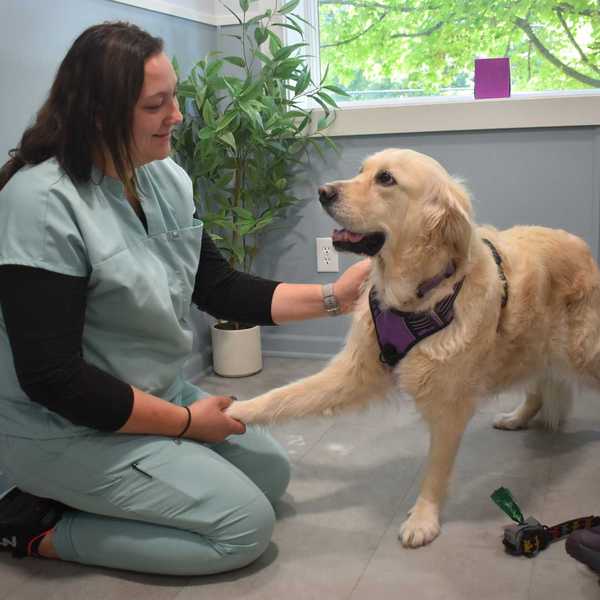
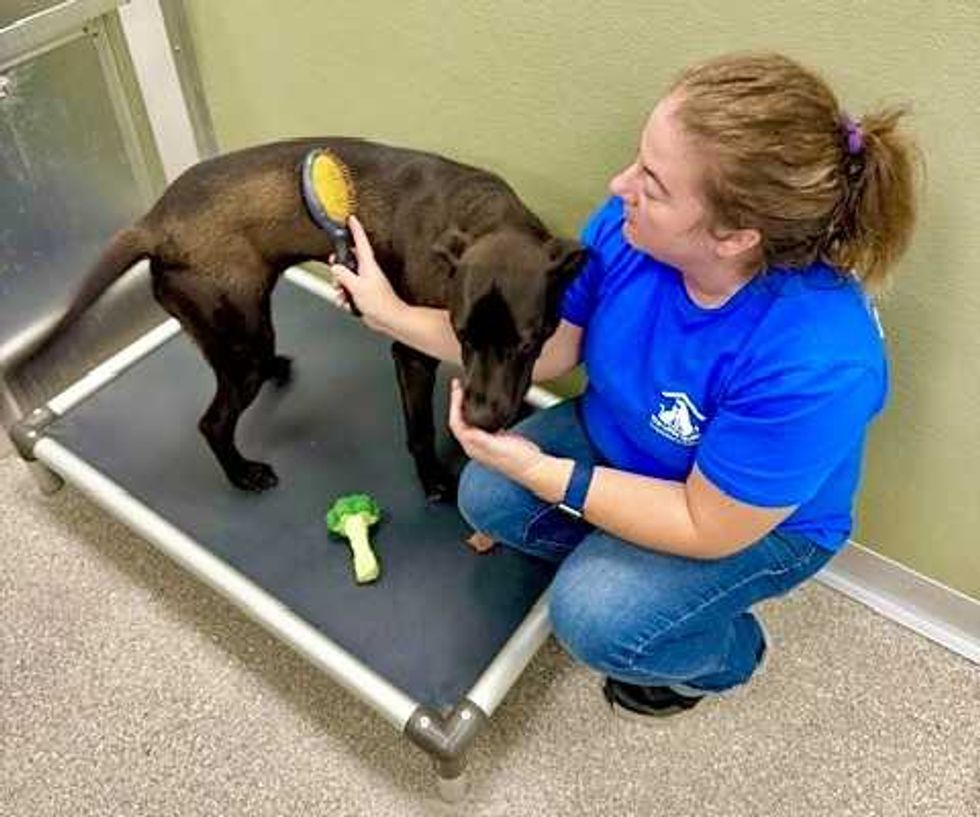 Tiffany Lemelin, shelter manager, brushing Marsala upon arrival.Provided
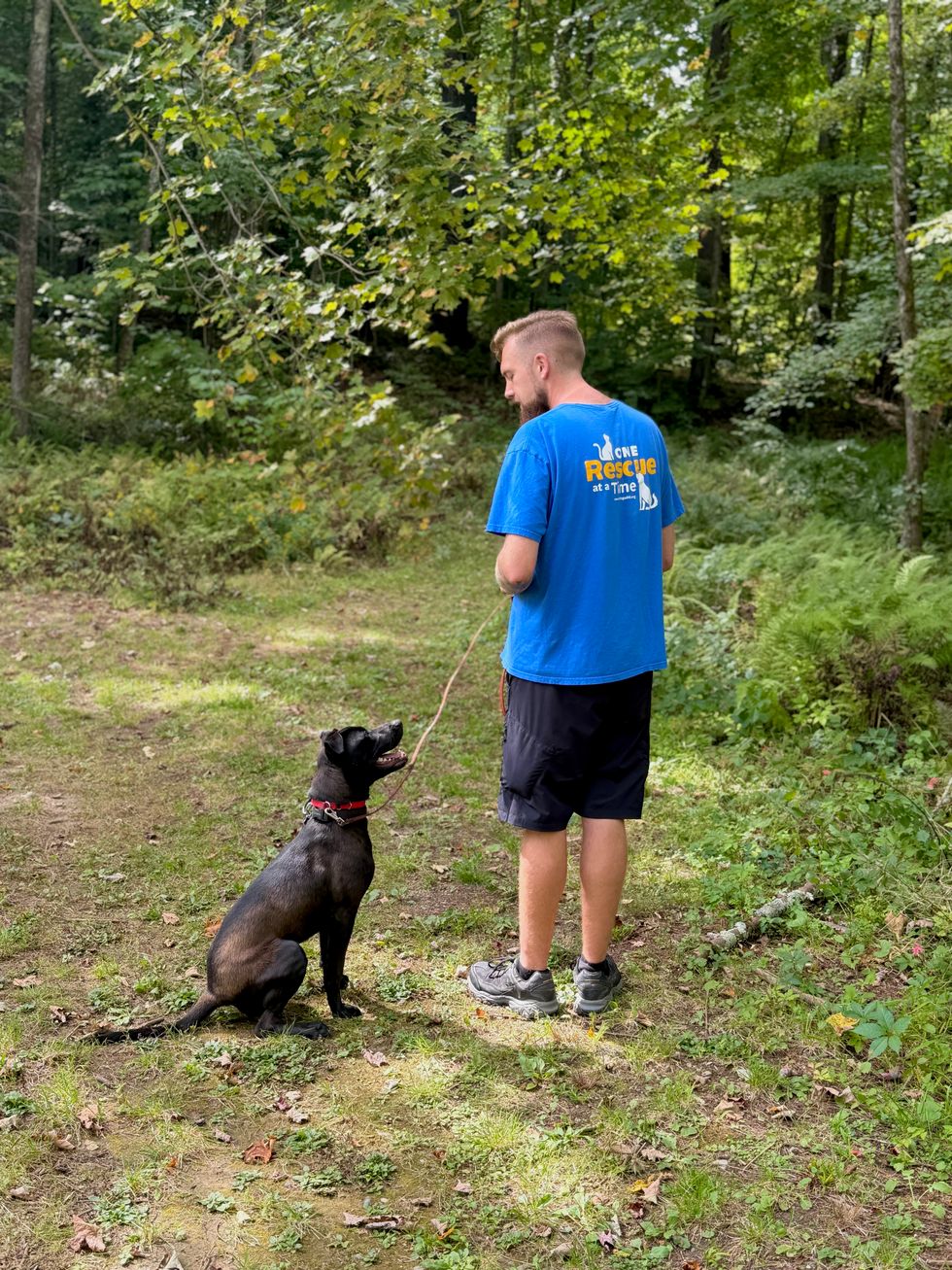 Michael DeBarba, certified dog trainer working with Marsala.Jennifer Almquist
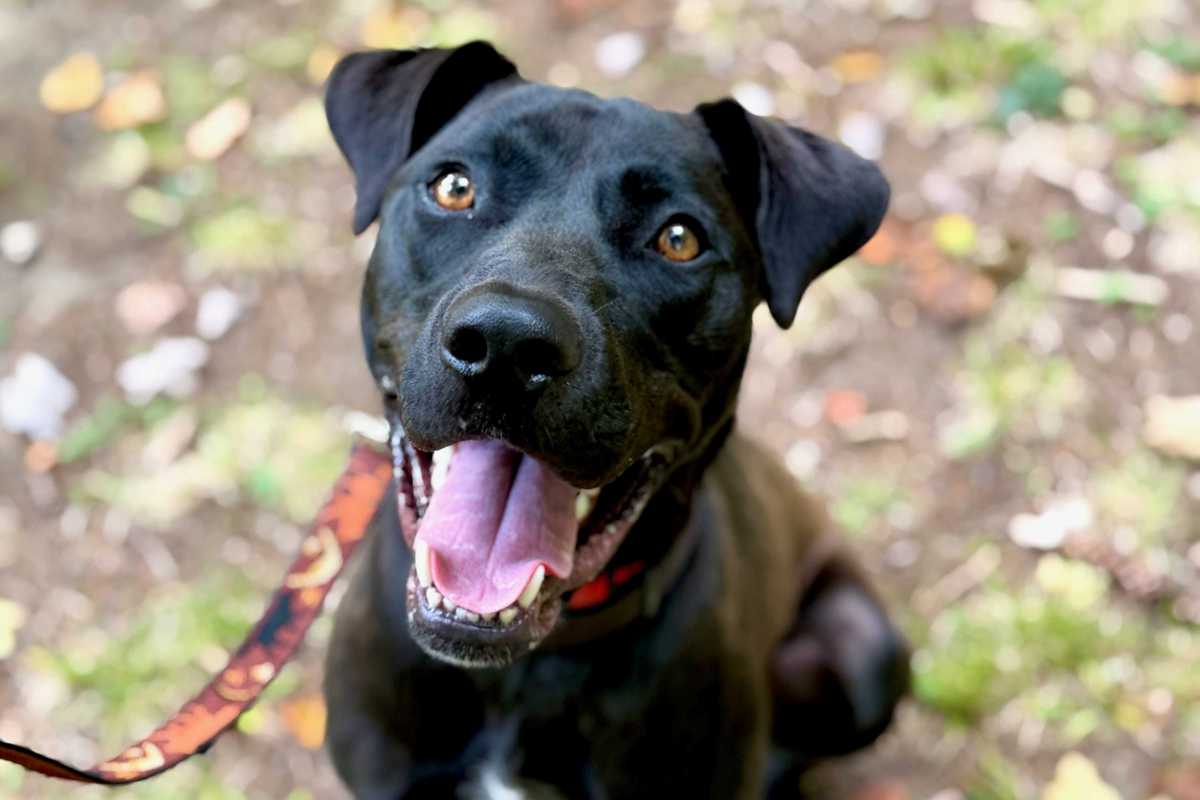
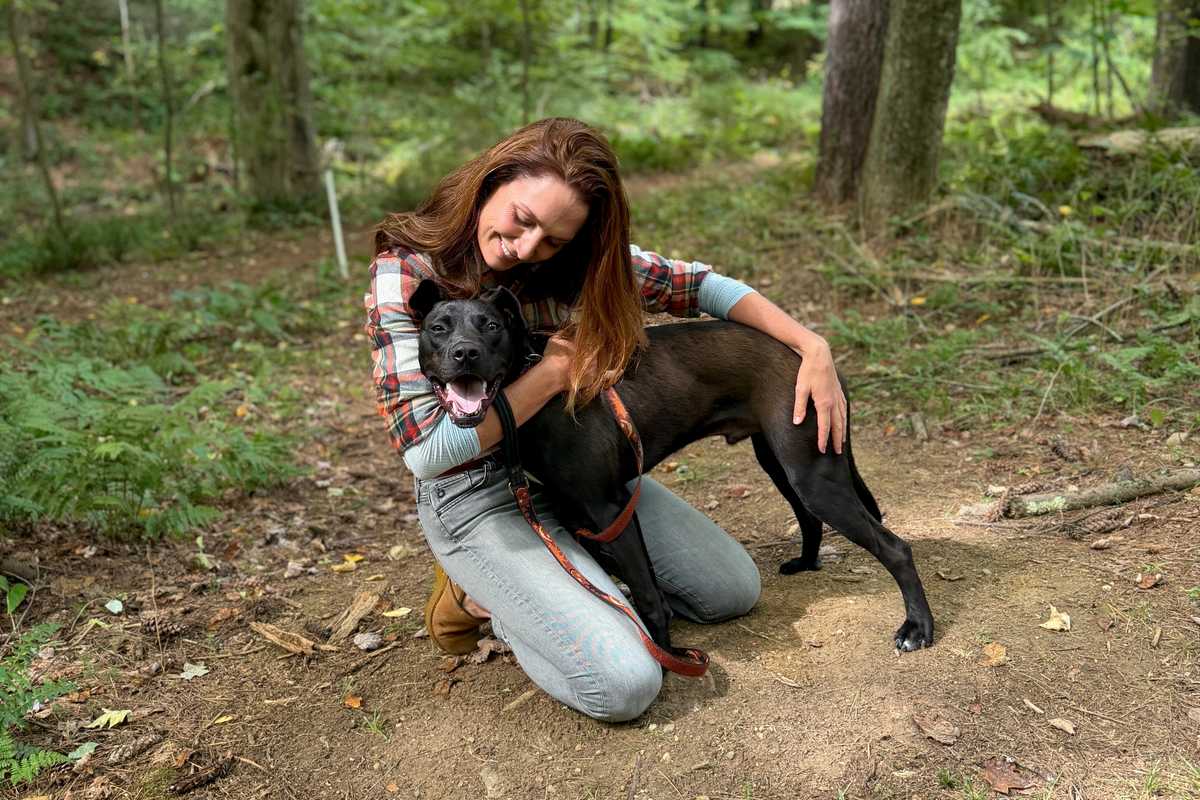 Marsala wins a heart.Jennifer Almquist
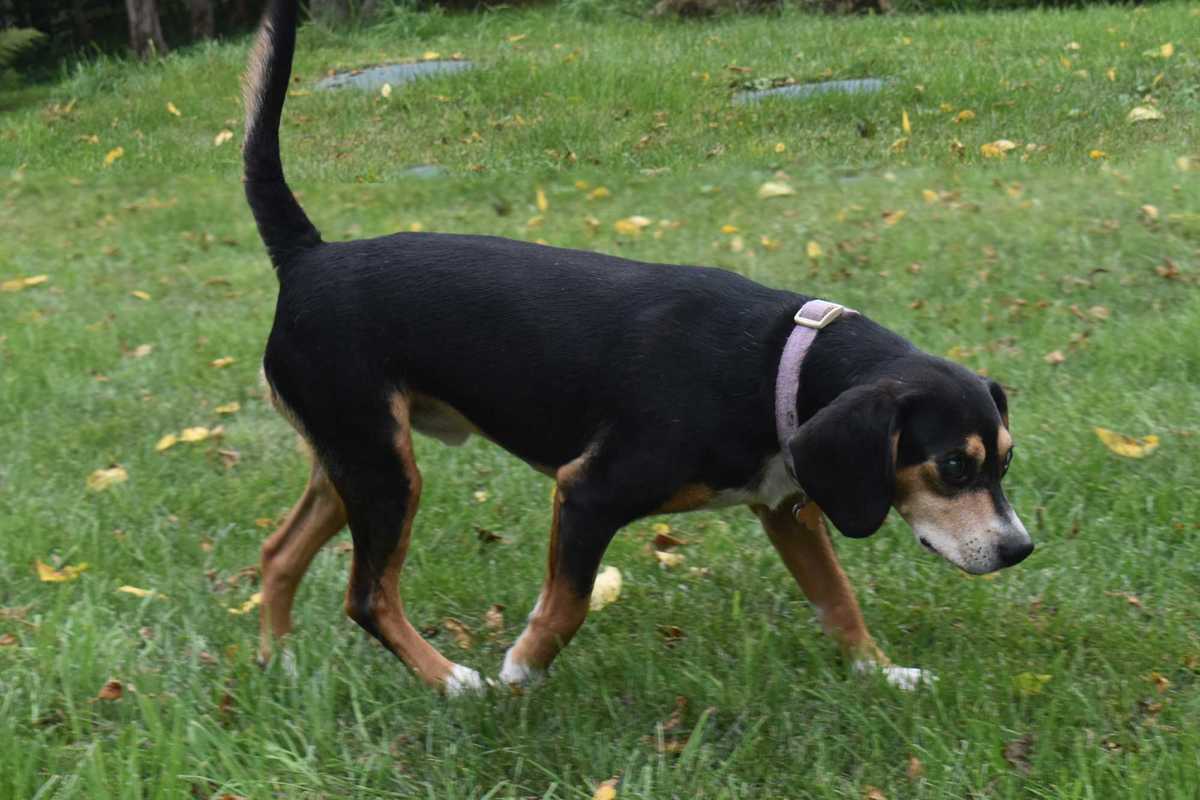
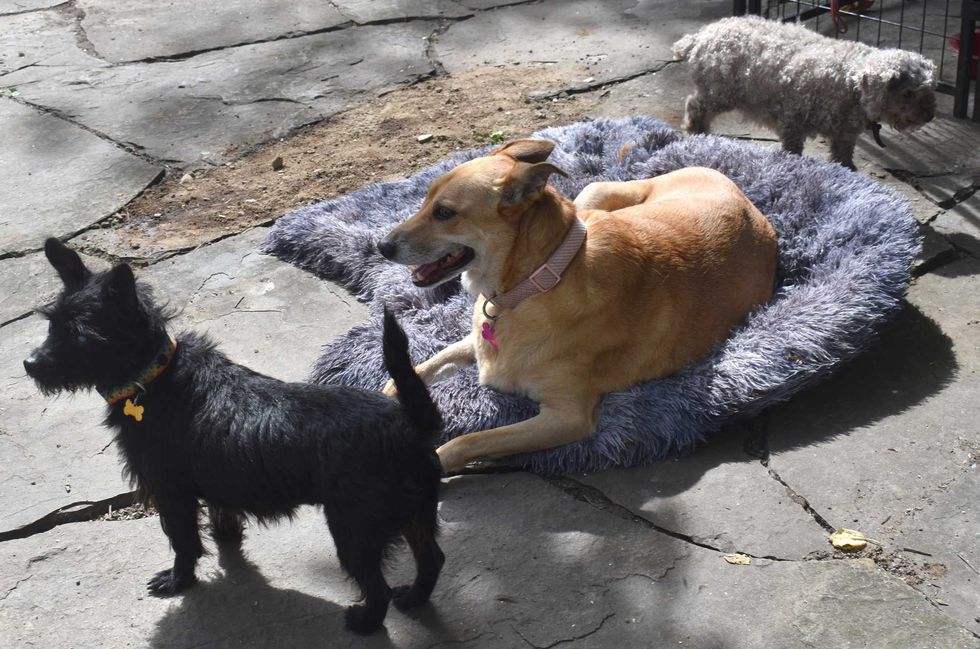 Sadie, center, a Carolina dog, plays with her friend Negra, a terrier mix. Bella Linda, the small poodle, has since been adopted.L. Tomaino
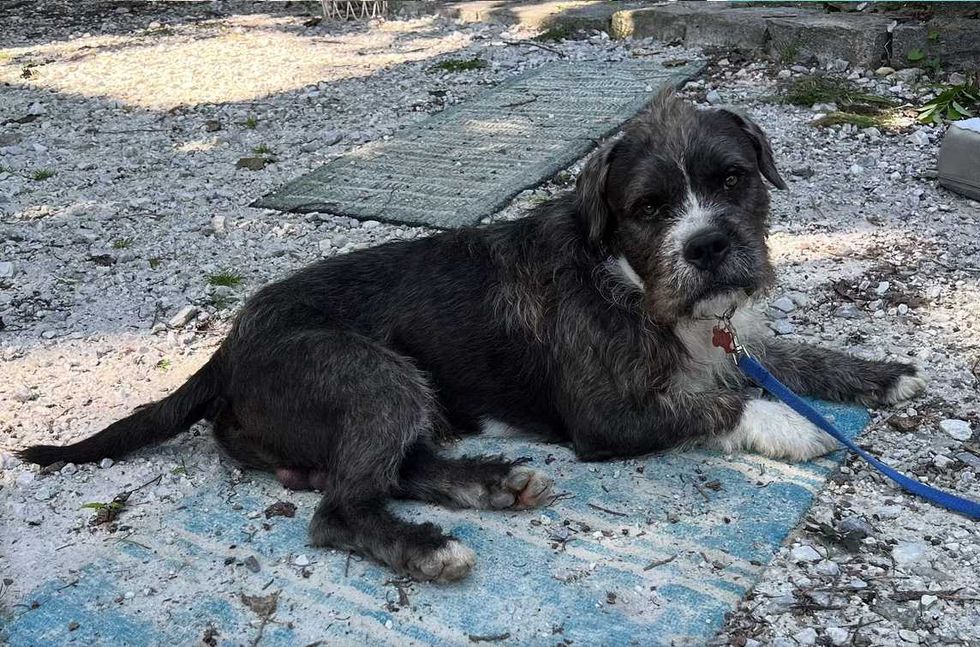 Wesley, a young, exuberant mix, is looking for an active home.L. Tomaino
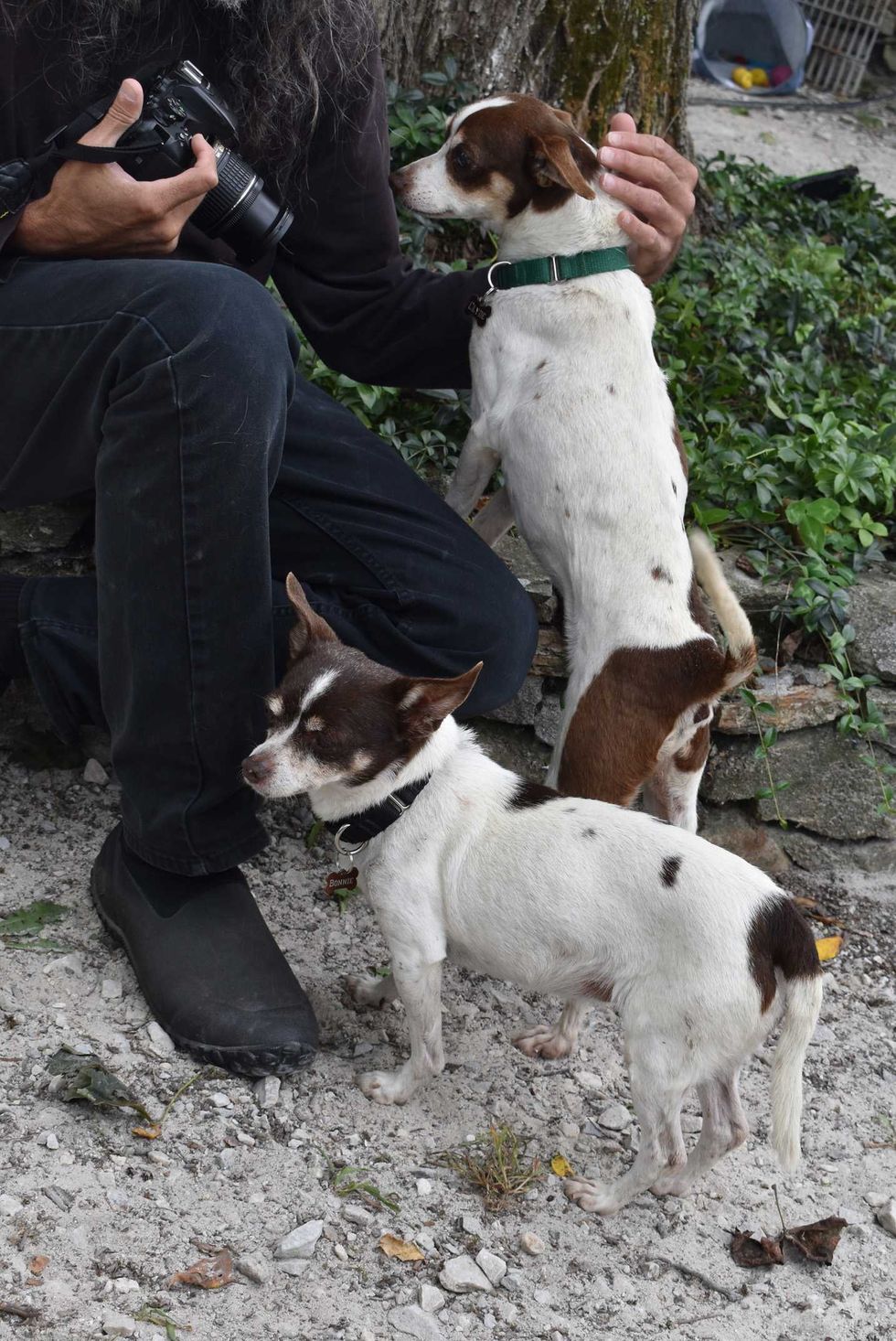 Bonnie and Clyde, an affectionate terrier pair.L. Tomaino
 Provided