Latest News
Anita L. Gochey
Lakeville Journal
Jun 10, 2026

CANAAN — Anita L. (King) Gochey, 85, of 77 South Canaan Rd. died June 5, 2026, at Geer Village. She was the wife of the late Lester Gochey. Anita was born July 16, 1940,in Winsted, daughter of the late Ivan and Irene (Dulude) King.
Anita was well known throughout the Northwest Corner. She worked for many local businesses and organizations. Anita worked at the Rexall Drug Store, C.A. Lindell and Sons, Bob’s Clothing, Brooks Pharmacy, and the Housatonic Valley Regional High School in the cafeteria.She used her skills in calligraphy to complete the record books for the North Canaan Congregational Church.Anita’s daughter remembers her as being very creative with cardboard, and a loving mom.
Anita is survived by her son Raymond Gochey and his fiancee’ Chris Filkins of Hinsdale, Massachusetts; and her daughter Michele O’Brien of Sharon. She is also survived by her sister Denise Warner of Torrington and her brother Arthur King of Danbury. Her three grandchildren, Kyle Gochey of Pittsfield, Massachusetts, Cody O’Brien of Georgia, and Sabrina O’Brien of Falls Village. Anita was predeceased by her brother, Martin King.
A Celebration of Anita’s life will be held on Saturday June 20, 2026, at 2:00 p.m. in the Newkirk-Palmer Funeral Home 118 Main St. Canaan, CT 06018.
Keep ReadingShow less
Susanne Cecilia Berberoglu
Lakeville Journal
Jun 10, 2026
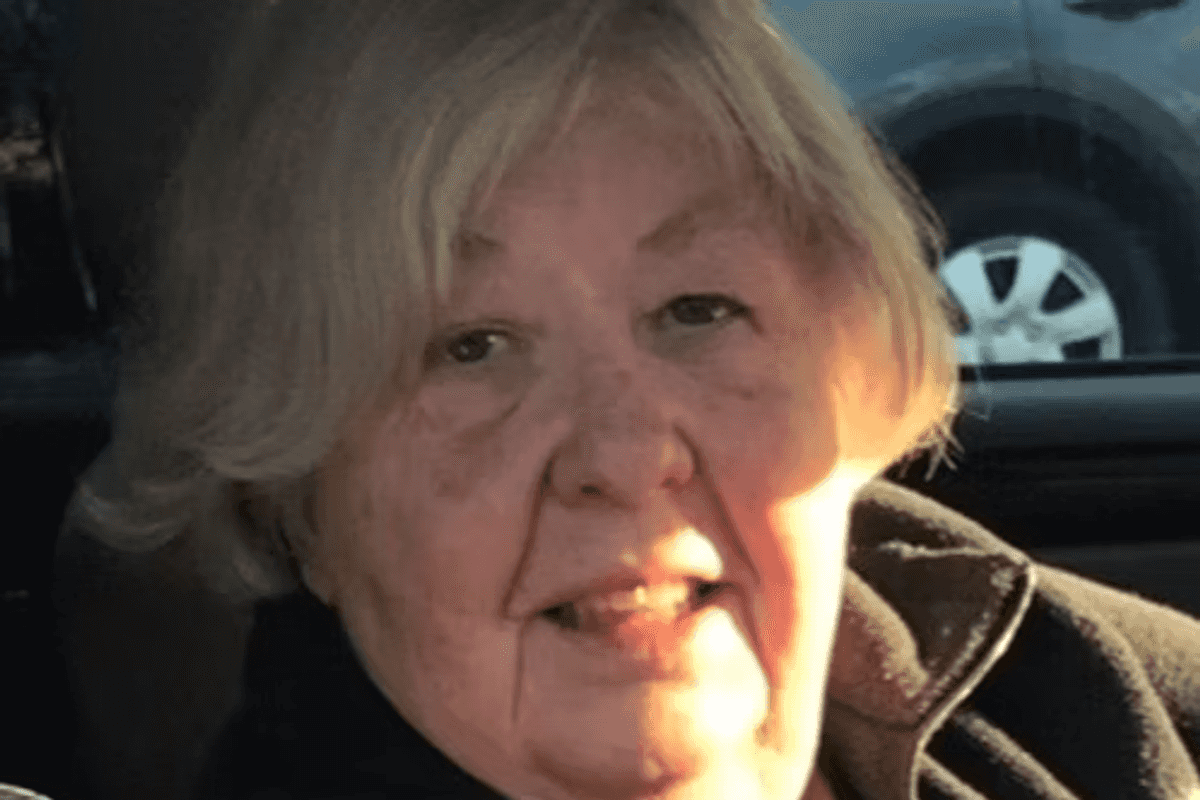
SHARON — Susanne Cecilia Berberoglu, beloved wife, mother, grandmother, and friend, passed away peacefully on May 14 surrounded by the love of her family.
Born on Fe 13, 1951, in New Milford, Susanne lived a life filled with warmth, adventure, compassion, and dedication to those she loved.
A graduate of Brookfield High School, Susanne went on to work as a travel agent, a career perfectly suited to her adventurous spirit and love of discovering the world. She especially cherished her travels to Australia, London, and Hawaii, creating memories that she carried throughout her life.
Susanne had a lifelong passion for antiques and found joy in collecting and appreciating beautiful pieces filled with history and character. She was also deeply devoted to her beloved Boston Terriers, whom she lovingly raised and cared for over many years. Her home was always filled with warmth, laughter, and the companionship of the dogs she adored.
Above all else, Susanne treasured her family. She is survived by her devoted husband of 54 years, Tayfun Berberoglu Sr.; her loving daughter, Jennifer; her son, Tayfun Berberoglu Jr.; and her cherished granddaughters, Faora and Sybella. Her love, kindness, strength, and gentle spirit will forever remain in the hearts of all who knew her.
Susanne will be remembered for her caring nature, adventurous soul, and unwavering love for her family, friends, and animals. Her memory will continue to inspire all whose lives she touched.
The Kenny Funeral Home has care of arrangements.
Keep ReadingShow less
Celebration of Life — Jim Dresser
Lakeville Journal
Jun 10, 2026

Want more of our stories on Google? Click here to make us a Preferred Source.
Memorial Service — Rafael Porro
Lakeville Journal
Jun 10, 2026
SALISBURY — Rafael Porro passed away on January 6, 2026.
Family and friends are invited to attend a memorial service in his honor on Saturday, June 13, 2026, at 11:00 a.m. at St. John’s Episcopal Church, Salisbury.
The family welcomes all who knew and loved Rafael to join them in remembering and celebrating his life.
The Kenny Funeral Home has care of arrangements.
Keep ReadingShow less
Memorial Service — Walter E. DeMelle
Lakeville Journal
Jun 10, 2026
Nicholas Gandolfo Jr.
Lakeville Journal
Jun 10, 2026
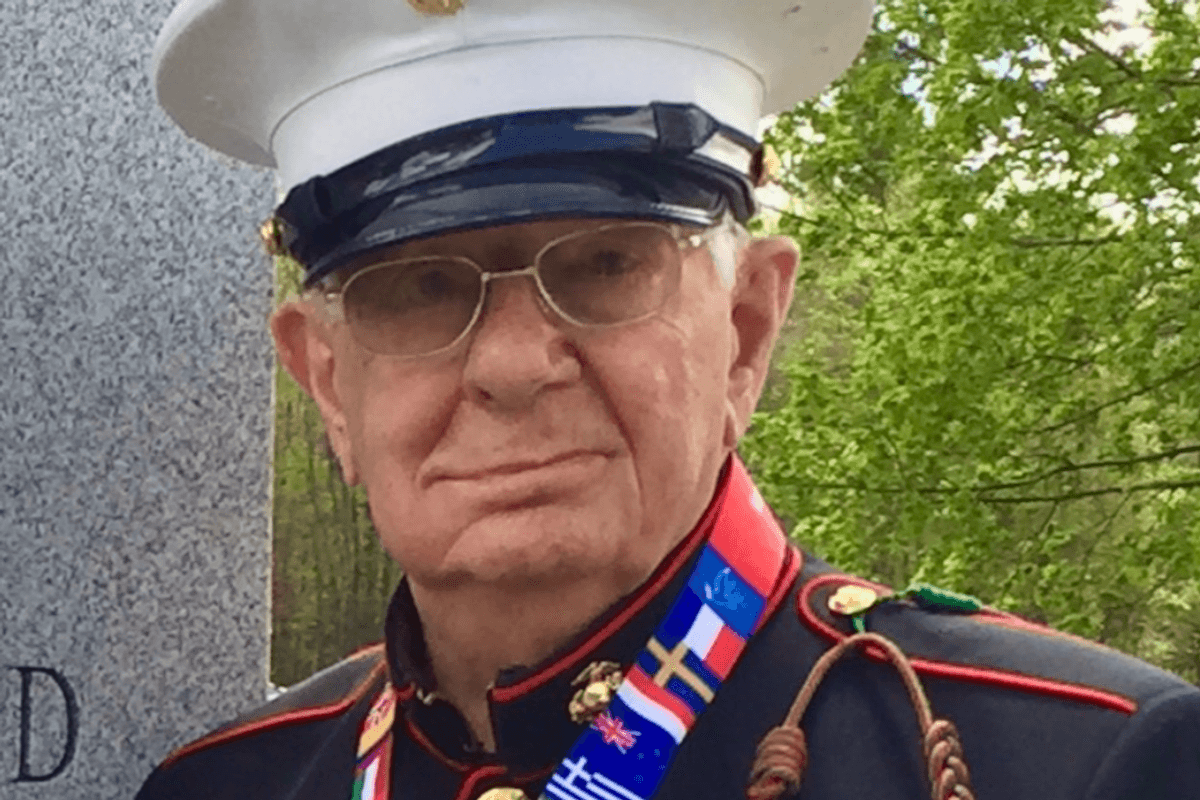
CANAAN- — Nicholas Gandolfo Jr., 94 of East Canaan passed on June 4,2026, after a courageous battle with kidney cancer and CLL Leukemia.
Nicholas was born and raised in East Canaan to Nicholas Gandolfo Sr. and Marie Zucco Gandolfo both Italian immigrants, a heritage Nicholas embraced with pride.
During his youth Nick had a passion for the outdoors especially hunting and fishing which he enjoyed throughout his lifetime.
Nick served in the Korean war as a Marine. During his heroic service he received many medals and citations,most notably for saving his platoon even while sustaining injury himself during the famed Battle Of The Hook. Nick showed selfless dedication to serving the needs of others. He was involved with the Marine Corps League with whom he established a scholarship fund, the Canaan Couch Pipa VFW, providing durable medical equipment (and Girl scout cookies)to various VA homes and hospitals including Walter Reed in Washington. Nick also aided and assisted in other charitable causes not just limited to veterans, he served his community, for example, by providing thanksgiving dinners to needy local families.
Nicholas served as a volunteer firefighter for the town of Canaan for 25 years.
He will be remembered for his quick wit, and his fiery disposition. He was a shameless flirt who competed with his pals on who would receive the most hugs at any social gathering. With his charm, he always won.
Nicholas is predeceased by five brothers and his longtime partner Marlene Strattman. He is also predeceased by his daughter, Karen Gandolfo.
Nicholas leaves behind his loving daughters and their partners, his grandchildren and their partners and his great grand children. He is also survived by his only remaining brother, Robert Gandolfo, with whom he greatly valued his love and support. Nick also leaves behind numerous nieces and nephews. In his words, he had a special relationship with nieces Melissa Gandolfo and Lynne Gandolfo.
The family wishes to thank Salisbury Visiting Nurses, the Winsted chapter of Veteran Affairs and Nicks longtime aide Robin Brazee Anstett.
Wake and burial services will be private, however our family welcomes you to a celebration of life on June 20,2026 at the Canaan Couch Pipa VFW between the hours of 12:00pm and 3:30pm
In lieu of flowers the family requests that donations be sent to East Mountain House, PO Box 1405 Lakeville, Ct 06039
Nicholas spent his final days there surrounded not just by family but by an amazing team that provided exemplary care and support for which Nicks family is extremely grateful.
Keep ReadingShow less
Want more of our stories on Google? Click here to make us a Preferred Source.
loading