Which plastic containers are safe to reuse?


Dear EarthTalk:


I’ve read that plastic bottles are not always safe to reuse over and over as harmful chemicals can leach out into the contents. I’m wondering if the same issues plague Tupperware and other similar plastic food storage containers.


Sylvie


Dawson City

Yukon, Canada


The recent hubbub over plastic containers leaching chemicals into food and drinks has cast a pall over all kinds of plastics that come into contact with what we ingest, whether deserved or not. Some conscientious consumers are forsaking all plastics entirely out of health concerns. But while it is true that exposure to certain chemicals found in some plastics has been linked to various human health problems (especially certain types of cancer and reproductive disorders), only a small percentage of plastics contain them.

According to The Green Guide, a Web site and magazine devoted to greener living and owned by the National Geographic Society, the safest plastics for repeated use in storing food are made from high-density polyethylene (HDPE, or plastic #2), low-density polyethylene (LDPE, or plastic #4) and polypropylene (PP, or plastic #5). Most Tupperware products are made of LDPE or PP, and as such are considered safe for repeated use storing food items and cycling through the dishwasher. Most food storage products from Glad, Hefty, Ziploc and Saran also pass The Green Guide’s muster for health safety.

But consumers should be aware of more than just a few "safe" brands, as most companies make several product lines featuring different types of plastics. While the vast majority of Tupperware products are considered safe, for example, some of its food storage containers use polycarbonate (plastic #7), which has been shown to leach the harmful hormone-disrupting chemical Bisphenol A (BPA) into food items after repeated uses. Consumers concerned about such risks might want to avoid the following polycarbonate-based Tupperware products: the Rock ‘N Serve microwave line, the Meals-in-Minutes Microsteamer, the "Elegant" Serving Line, the TupperCare baby bottle, the Pizza Keep’ N Heat container, and the Table Collection (the last three are no longer made but might still be kicking around your kitchen).

Beyond BPA, other chemicals can be found in various food storage containers. Containers made out of polyethylene terephthalate (PET or PETE, or plastic #1) —s uch as most soda bottles — are OK to use once, but can leach carcinogenic, hormone-disrupting phthalates when used over and over again. Also, many deli items come wrapped in plastic made from polyvinyl chloride (PVC, or plastic #3), which can leach cancer-causing dioxins. Swapping foods out of such wraps once the groceries are at home is advisable.

Containers made of polystyrene (PS, or plastic #6, also known as Styrofoam) can also be dangerous, as its base component, styrene, has been associated with skin, eye and respiratory irritation, depression, fatigue, compromised kidney function, and central nervous system damage. Take-out restaurant orders often come in polystyrene containers, which also should be emptied into safer containers once you get them home.

If your head is spinning and you can’t bear to examine the bottom of yet another plastic food storage container for its recycling number, go with glass. Pyrex, for instance, does not contain chemicals that can leach into food. Of course, such items can break into glass shards if dropped. But most consumers would gladly trade the risk of chemical contamination for the risk of breakage any day.

CONTACTS: The Green Guide, thegreenguide.com; Tupperware, tupperware.com.


GOT AN ENVIRONMENTAL QUESTION? Send it to EarthTalk, c/o E/The Environmental Magazine, PO Box 5098, Westport, CT 06881; submit it at emagazine.com/earthtalk/thisweek/; or e-mail earthtalk@emagazine.com. Read past columns at emagazine.com/earthtalk/archives.php.

Latest News

Living art takes center stage in the Berkshires

Contemporary chamber musicians, HUB, performing at The Clark.

D.H. Callahan

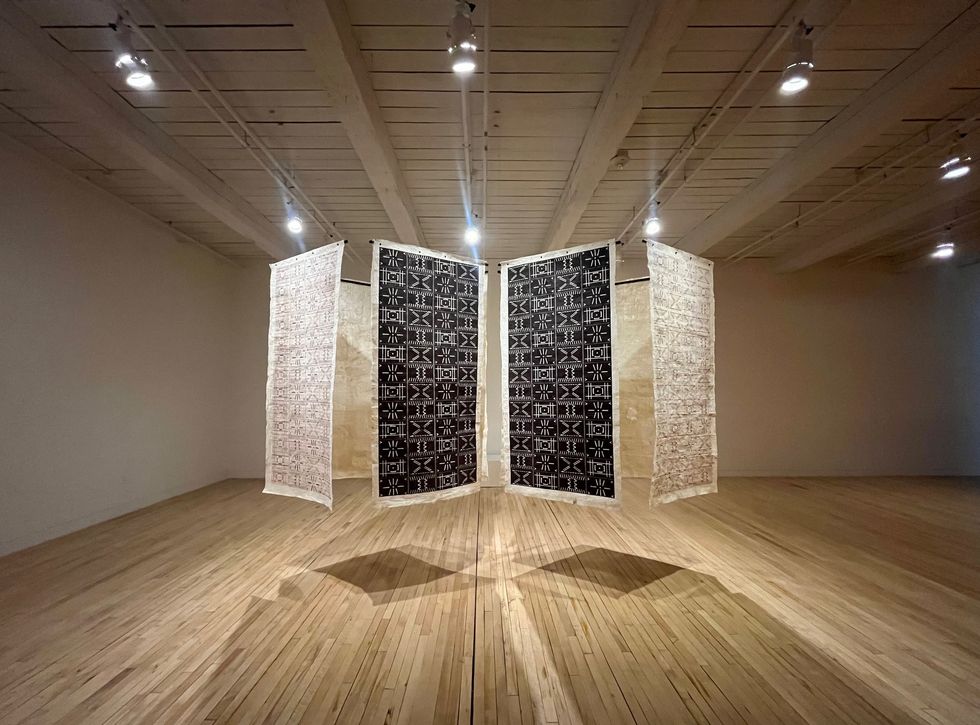
Northwestern Massachusetts may sometimes feel remote, but last weekend it felt like the center of the contemporary art world.

Within 15 miles of each other, MASS MoCA in North Adams and the Clark Art Institute in Williamstown showcased not only their renowned historic collections, but an impressive range of living artists pushing boundaries in technology, identity and sound.

Keep ReadingShow less
Persistently amplifying women’s voices

Francesca Donner, founder and editor of The Persistent. Subscribe at thepersistent.com.

Aly Morrissey

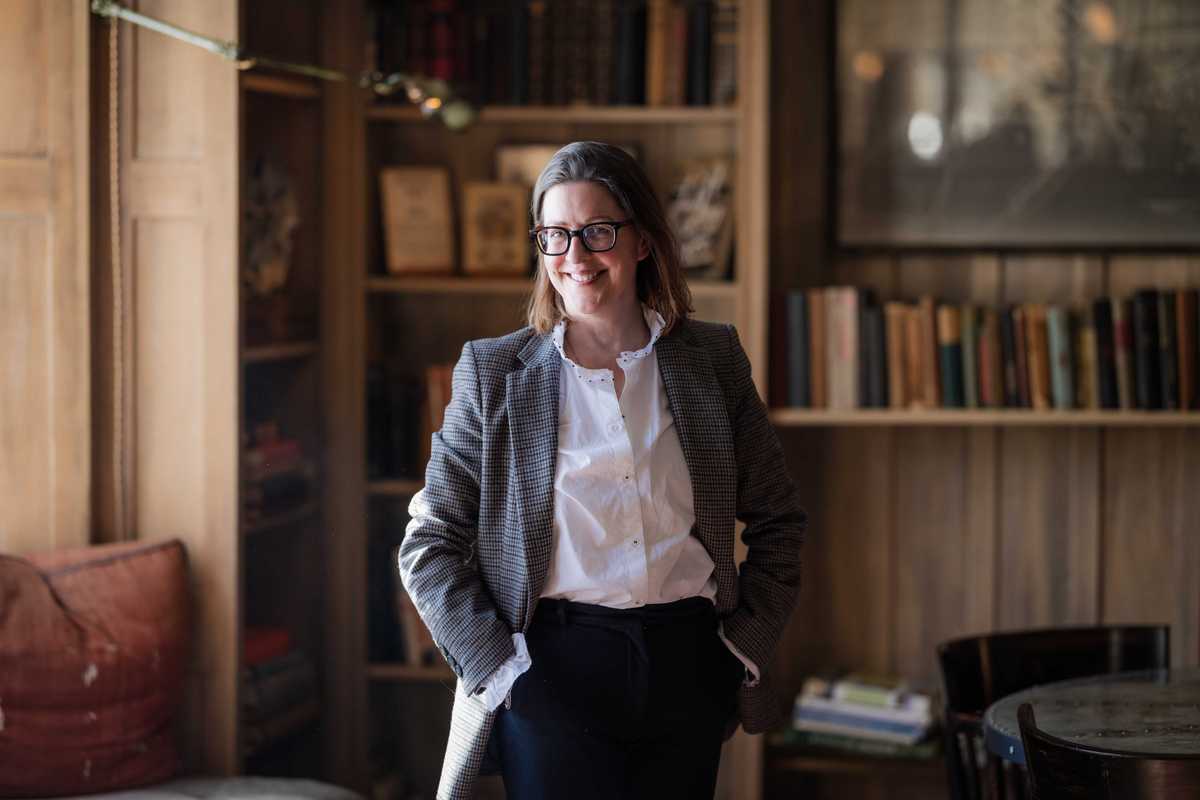
Francesca Donner pours a cup of tea in the cozy library of Troutbeck’s Manor House in Amenia, likely a habit she picked up during her formative years in the United Kingdom. Flanked by old books and a roaring fire, Donner feels at home in the quiet room, where she spends much of her time working as founder, editor and CEO of The Persistent, a journalism platform created to amplify women’s voices.

Although her parents are American and she spent her earliest years in New York City and Litchfield County — even attending Washington Montessori School as a preschooler — Donner moved to England at around five years old and completed most of her education there. Her accent still bears the imprint of what she describes as a traditional English schooling.

Keep ReadingShow less
Jarrett Porter on the enduring power of Schubert’s ‘Winterreise’
Baritone Jarrett Porter to perform Schubert’s “Winterreise”
Tim Gersten

On March 7, Berkshire Opera Festival will bring “Winterreise” to Studio E at Tanglewood’s Linde Center for Music and Learning, with baritone Jarrett Porter and BOF Artistic Director and pianist Brian Garman performing Franz Schubert’s haunting 24-song setting of poems by Wilhelm Müller.

A rejected lover. A frozen landscape. A mind unraveling in real time. Nearly 200 years after its premiere, “Winterreise” remains unnervingly current in its psychological portrait of isolation, heartbreak and existential drift.

Keep ReadingShow less
google preferred source

Want more of our stories on Google? Click here to make us a Preferred Source.

A grand finale for Crescendo’s 22nd season

Christine Gevert, artistic director, brings together international and local musicians for a season of rare works.

Stephen Potter

Crescendo, the Lakeville-based nonprofit specializing in early and rarely performed classical music, will close its 22nd season with a slate of spring concerts featuring international performers, local musicians and works by pioneering composers from the Baroque era to the 20th century.

Christine Gevert, the organization’s artistic director, has gathered international vocal and instrumental talent, blending it with local voices to provide Berkshire audiences with rare musical treats.

Keep ReadingShow less

Leopold Week honors land and legacy

Leopold Week honors land and legacy

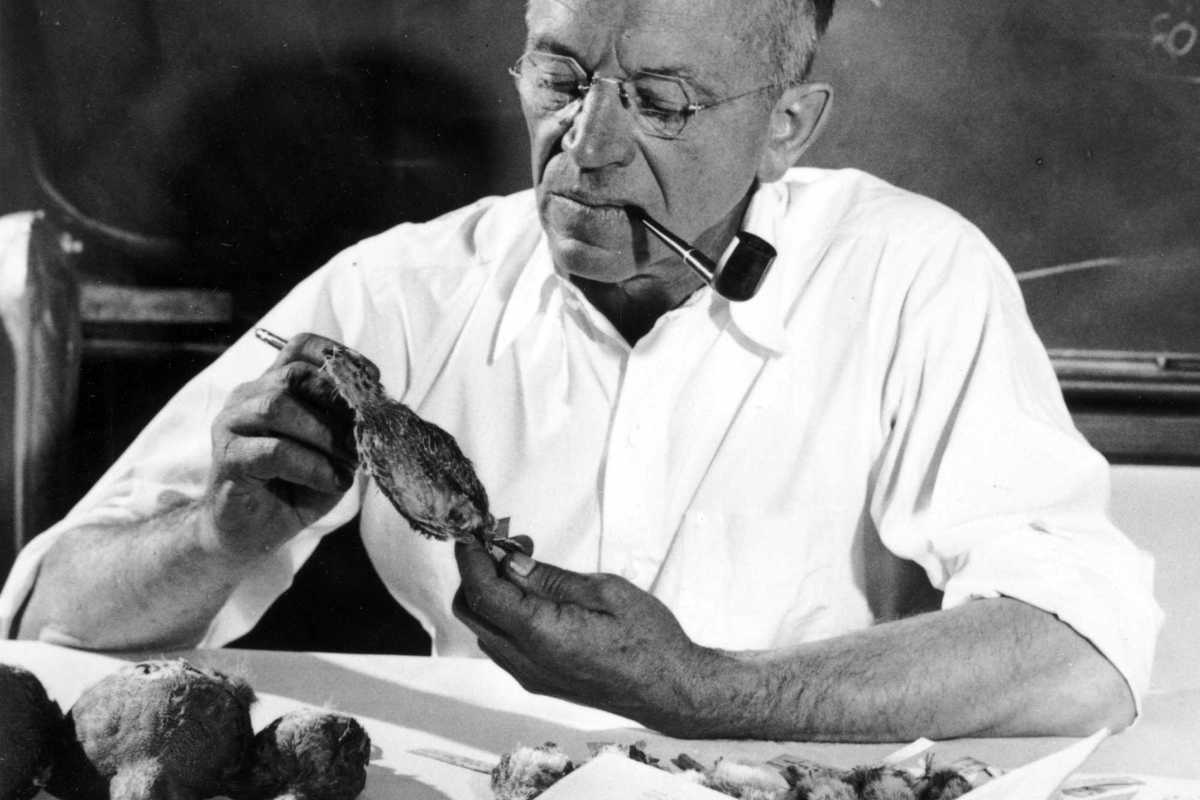
Aldo Leopold in 1942, seated at his desk examining a gray partridge specimen.

Robert C. Oetking

In his 1949 seminal work, “A Sand County Almanac,” Aldo Leopold, regarded by many conservationists as the father of wildlife ecology and modern conservation, wrote, “There are some who can live without wild things and some who cannot.” Leopold was a forester, philosopher, conservationist, educator, writer and outdoor enthusiast.

Originally published by Oxford University Press, “A Sand County Almanac” has sold 2 million copies and been translated into 15 languages. On Sunday, March 8, from 3 to 5 p.m. in the Great Hall of the Norfolk Library, the public is invited to a community reading of selections from the book followed by a moderated discussion with Steve Dunsky, director of “Green Fire,” an Emmy Award-winning documentary film exploring the origins of Leopold’s “land ethic.” Similar reading events take place each year across the country during “Leopold Week” in early March. Planning for this Litchfield County reading began when the Norfolk Library received a grant from the Aldo Leopold Foundation, which provided copies of “A Sand County Almanac” to distribute during the event.

Keep ReadingShow less

Erica Child Prud’homme

Erica Child Prud’homme

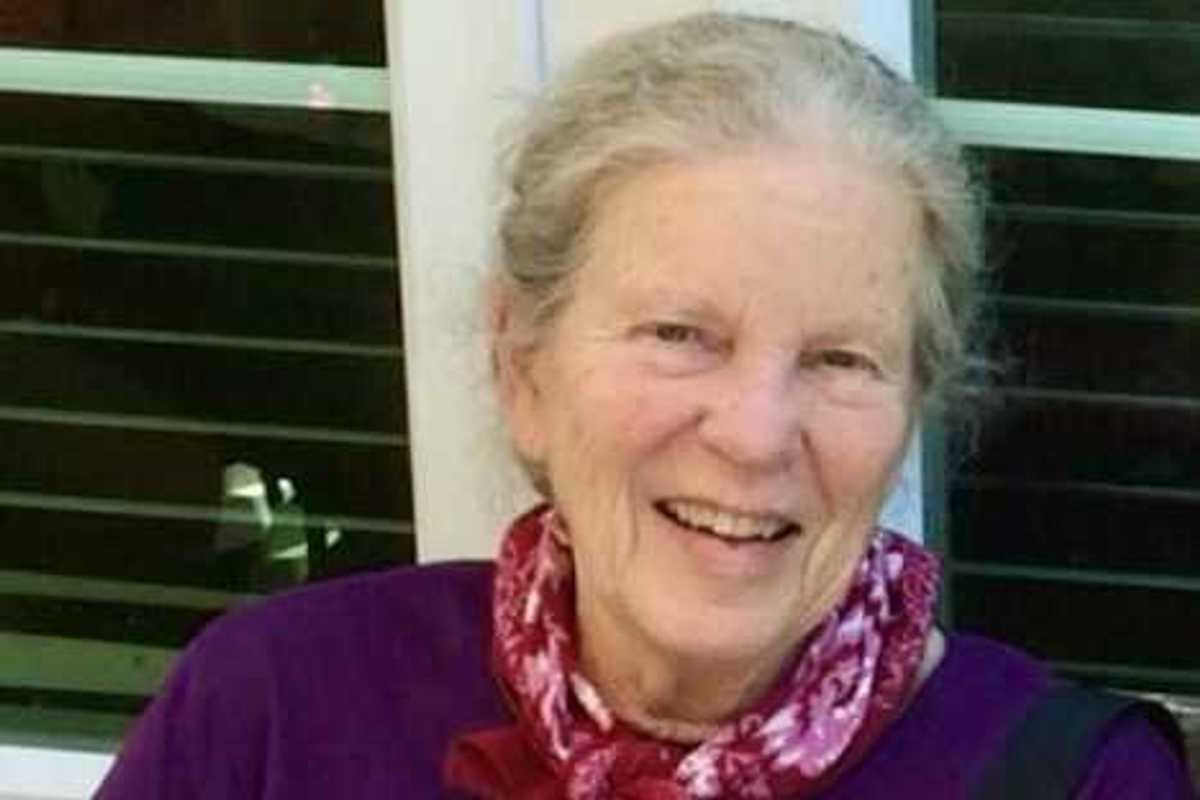
WEST CORNWALL — Erica Child Prud’homme died peacefully in her sleep on Jan. 9, 2026, at home in West Cornwall, Connecticut, at 93.

Erica was born on April 27, 1932, in Doylestown, Pennsylvania, the eldest of three children of Charles and Fredericka Child. With her siblings Rachel and Jonathan, Erica was raised in Lumberville, a town in the creative enclave of Bucks County where she began to sketch and paint as a child.

Keep ReadingShow less
google preferred source

Want more of our stories on Google? Click here to make us a Preferred Source.
google preferred source

Want more of our stories on Google? Click here to make us a Preferred Source.