Thank you!
Your support is sustaining the future of local news in our communities.

Why didn’t President John Kennedy put women in outer space decades ago?

The first all-female space walk was cancelled last week because NASA didn’t have space suits of the right size for both female astronauts. Most NASA suits are designed for men, who are larger. So the walk was changed to one woman and one man.

Predictably, this raised a cry about female victimhood in a male-dominated world. So a little background is in order.

In April, 1961, Russian cosmonaut Yuri Gagarin became the first man in space, but only after dogs, monkeys and other non-humans (including turtles, mice, fruit flies and plants) had gone up first “to test the survivability of spaceflight, before human spaceflights were attempted.”

Six weeks after Gagarin put the Soviets ahead in the space race, President John F. Kennedy told Congress that the United States “should commit itself to achieving the goal, before this decade is out, of landing a man on the moon and returning him safely to the Earth.”

JFK did not mention putting a woman on the moon too, or even into Earth’s orbit. Yet there was no outcry about discrimination. That’s because Kennedy was not discriminating against women. He was protecting them.

The early years of the space race was a time when rockets, both Soviet and American, frequently blew up on the launch pad. In 1967 three American astronauts, Gus Grissom, Edward White and Roger Chaffee, were killed in a fire when they were trapped inside their capsule during a launchpad test.

Early spaceflight included the risk of not even knowing what effect just being in space would have on humans. Astronauts returning from flights were quarantined until doctors made sure they hadn’t picked up any space viruses that might be transmitted to the rest of us. That’s why the order of risk-taking in space exploration was non-humans first, then men, then women.

Undoubtedly there were qualified women who could have gone into space in the Kennedy era. Female pilots had ferried fighter planes during World War II and performed other traditional male roles.

But sending women outside the atmosphere at that time was as unthinkable as putting children in harm’s way. When Grissom’s Mercury capsule splashed down in July, 1961, it and his suit filled with water. The capsule sank. He nearly drowned. John Glenn’s 1962 re-entry had a glitch which it was feared would incinerate him. Had JFK called for women in space he would have been pilloried for it and called a madman by everybody, including women.


When the Space Shuttle “Challenger” blew up in 1986, killing all on board, the only member of the crew the public remembered was Christa McAuliffe. That’s partly because the death of a woman was then and still is considered a greater tragedy than that of a man.

This is worth remembering in the NASA dustup. Feminist victim claims are often wrong. One example is Marisa Porges writing in The New York Times. Ms. Porges, ironically enough, is the head of an all-girl school (another vestige of female protection), although she sees no problem with that. She finds female discrimination against males useful and necessary.

Along with her rage at NASA for not having enough female accommodation, Ms. Porges notes that when she was a Navy pilot she had to sign a waiver because the ejection seat of her jet was designed for a man, not a smaller woman.

But again, there was a reason for that, and it wasn’t discrimination against women. If anything, it was discrimination against men. Only men flew in combat, only men were drafted to fight (an inequity Ms. Porges and other feminists are still in no hurry to fix), and thus it was only men for whom combat aircraft and other weapons were designed.

Same with space suits. Astronauts were chosen from the ranks of military test pilots, many of whom had seen combat in World War II, Korea or Vietnam.

Ms. Porges also raises the common complaint about women juggling parenting and workplace, while men supposedly skate. She doesn’t mention that at least women have flexibility and choice. Men usually don’t. Nor does she mention that women are compensated with a far larger share of child custody, which is a big reason they do more parenting. If men got a fair share, a lot more women would be free to devote a lot more time to the workplace.

Indeed, if we finally started to draft women for military service, fewer men would have to serve and the casualty rates might be a bit more equitable (it’s currently about 10 males for every female).

It’s time for real equality, not just the selective feminist kind. Not only in space suits but everywhere, even all-girl schools.

Mark Godburn is a bookseller in Norfolk and the author of “Nineteenth-Century Dust-Jackets” (2016).

Latest News

Doug Tallamy’s work in progress: saving the planet one backyard at a time

Windacre, a 25-acre property in Millerton will be the site of “Work in Progress,” an afternoon with acclaimed entomologist, New York Times bestselling author and Homegrown National Park co-founder Doug Tallamy.

Provided

For nearly three decades, Doug Tallamy, a professor at the University of Delaware and co-founder of Homegrown National Park, has studied the intricate relationships between native plants, insects, birds and the ecosystems that sustain them. His books, including “Bringing Nature Home” and “Nature’s Best Hope,” have helped shift the conversation about conservation from something that happens primarily in parks and preserves to something ordinary people can practice on the land around them.

On Sunday, Oct. 4, Tallamy will bring that conversation to Windacre in Millerton for “Work in Progress: Toward Native Fields,” an outdoor gathering exploring both the possibilities and the complications of restoring private land for biodiversity.

Keep ReadingShow less
Celebrating Dick Hermans’ life built around community

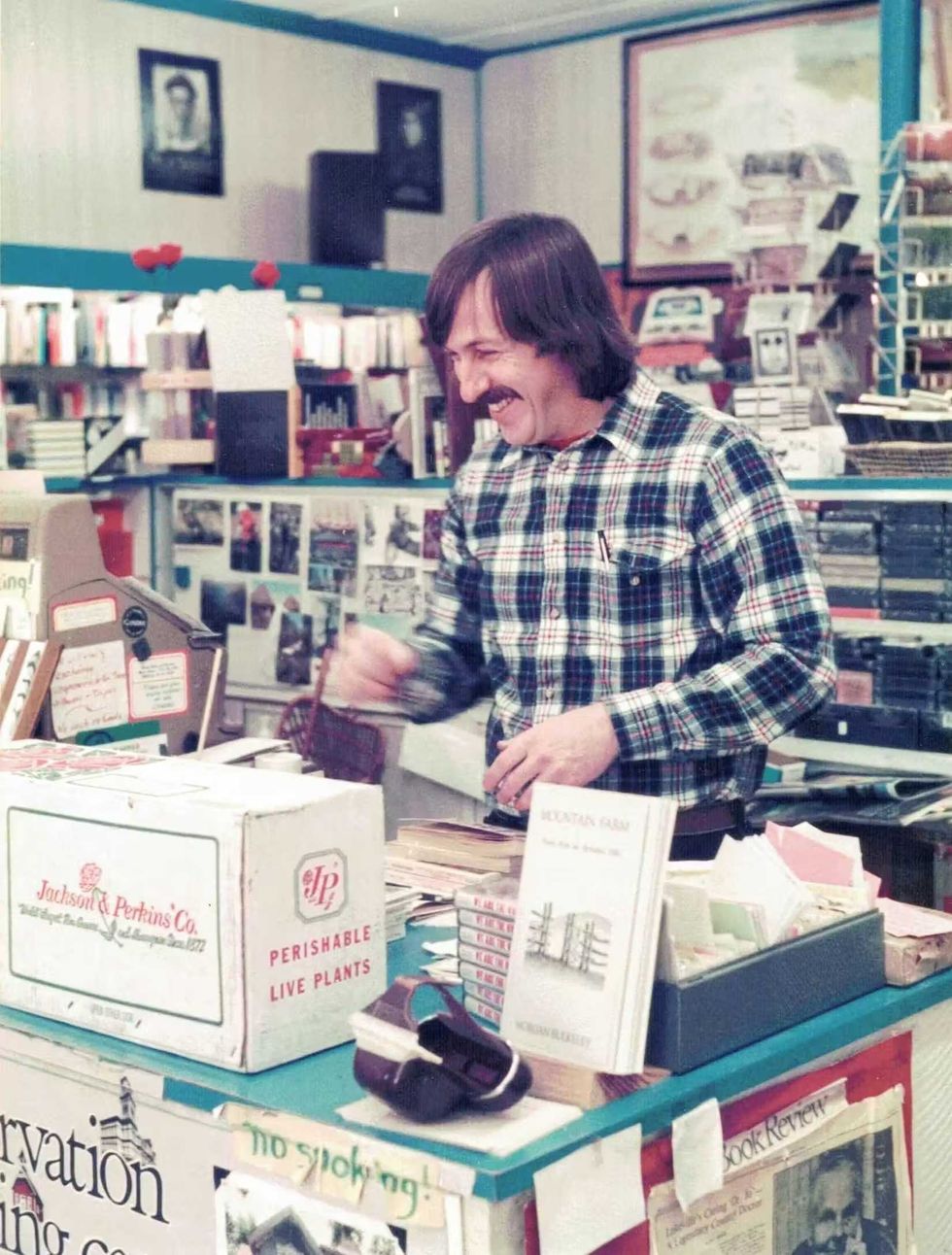
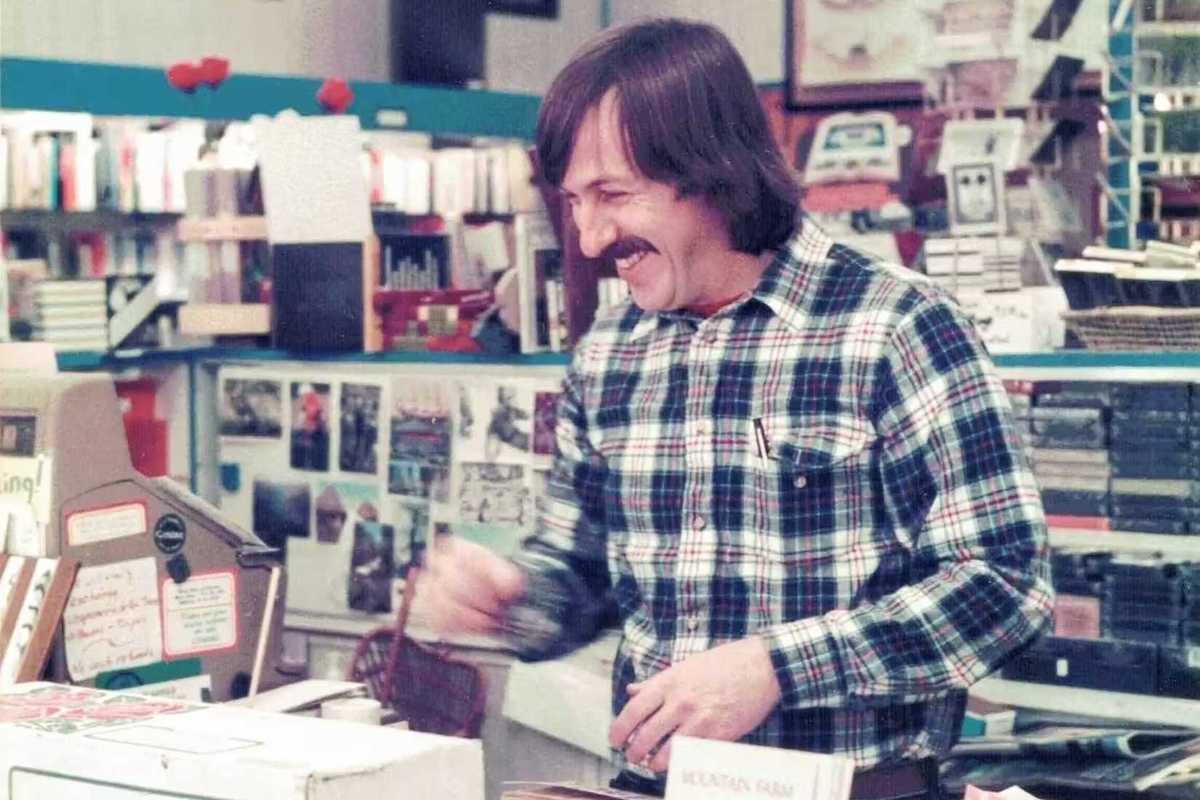
Dick Hermans in the Oblong Bookstore on Millerton\u2019s Main Street in 1985.

Provided
No matter what I’ve done, I’m trying to be useful to the communities I’m associated with.
— Dick Hermans

When Dick Hermans receives the Estabrook Community Leadership Award on Oct. 11, he will accept it for a lifetime of work that has taken many forms: bookseller, radio host, school board member, advocate for the Harlem Valley Rail Trail, business owner, volunteer and, perhaps most importantly, a person who has consistently looked for ways to be useful to the communities around him.

The Lakeville Journal and The Millerton News will present Hermans with the 2026 award at the annual Jubilee celebration at the Sharon Playhouse. The award honors outstanding leadership in community service and was inspired by Mary Lou and Robert Estabrook, former owners of the newspapers who believed that strengthening a community extended well beyond the work of publishing a newspaper.

Keep ReadingShow less
Tending the Fire: Homelands PowWow brings Mohican culture home to the Berkshires

Members of the Stockbridge-Munsee tribe at Homelands PowWow in 2025.

Joeseph Plante New Media Storytellers
Our goal is to continue building an annual gathering that honors the history, culture and traditions of the Stockbridge-Munsee Band of Mohicans in their original Homelands.


For the Stockbridge-Munsee Mohican people, the Berkshires are not simply a place to visit. They are ancestral homelands.

Keep ReadingShow less
google preferred source

Want more of our stories on Google? Click here to make us a Preferred Source.

Ancram Center’s “A Number” doubles questions of identity
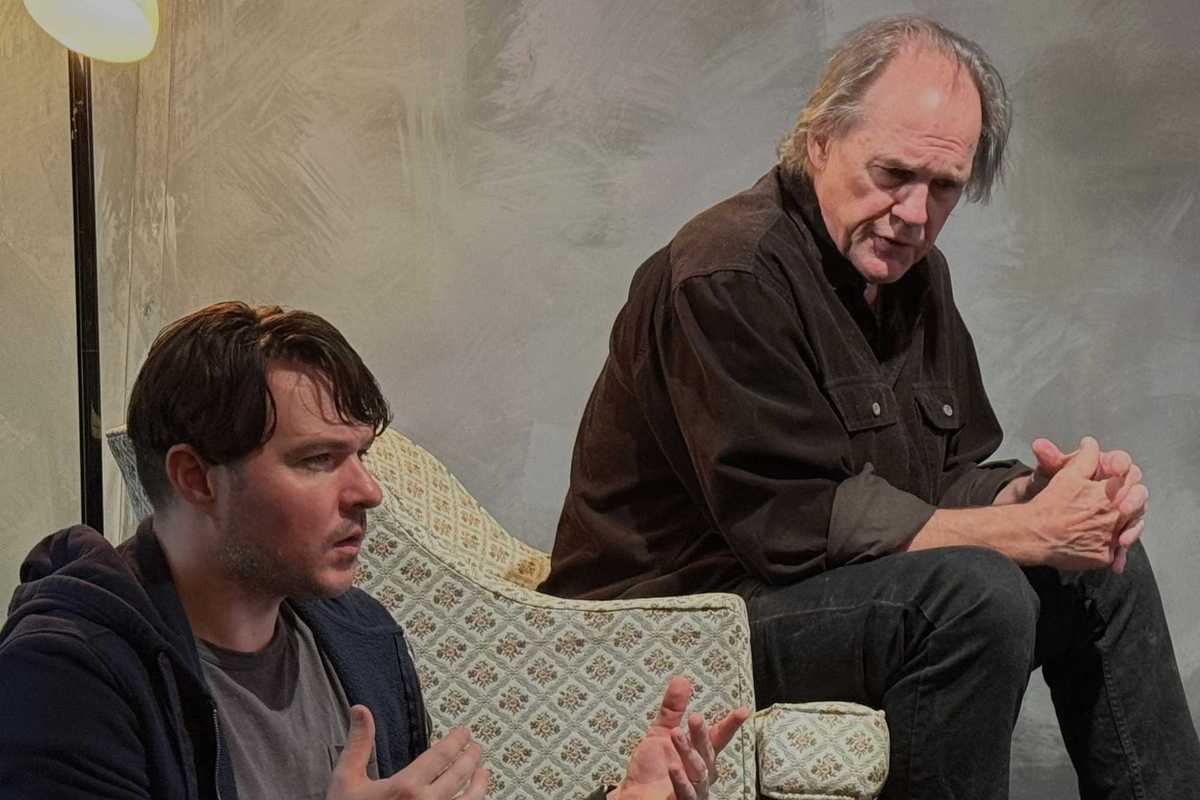
Ledbetter (left) and Wojda (right) on the set of “A Number” at Ancram Center for the Arts.
Jeff Mousseau

How would you feel if you found out you weren’t the only you — if there was an exact replica of you? What if you found out that you’d been cloned? Would you believe that you’re the real you? Would you suspect you might be a copy of the original? How could you be sure anything about your life was real? These are some of the questions posed in Caryl Churchill’s play “A Number,” opening at the Ancram Center for the Artson Oct. 1.

Churchill was born in London in 1938 and has been hailed by the theaterl world as one of the strongest voices of her time to take on sexual politics and feminist themes. Her works garner pointedly considered analysis from the highest levels of theatrical intellectualism. Basically, it’s about as far from “The Lion King” as you can get. While she’s experimented with dance theater in the past, “A Number” is much more stripped down, highlighting Churchill’s chosen themes and the skills of both actors on stage.

Keep ReadingShow less

Dispatches from the Farm

Dispatches from the Farm

Adamah Farm crew members planning out the day’s tasks on a late September day.

Janna Siller

“Dispatches from the farm” is a new, periodic column offering a firsthand look at the rhythms, challenges and rewards of farming through the eyes of a local farmer.

The thing about plants is that they can’t get up and move. When a storm like last weekend’s nor’easter threatens to roll through, you can’t just round everybody up and settle them safely on the sofa for movie night.

Keep ReadingShow less
Pinchas Zukerman brings an all-Beethoven program to Hotchkiss

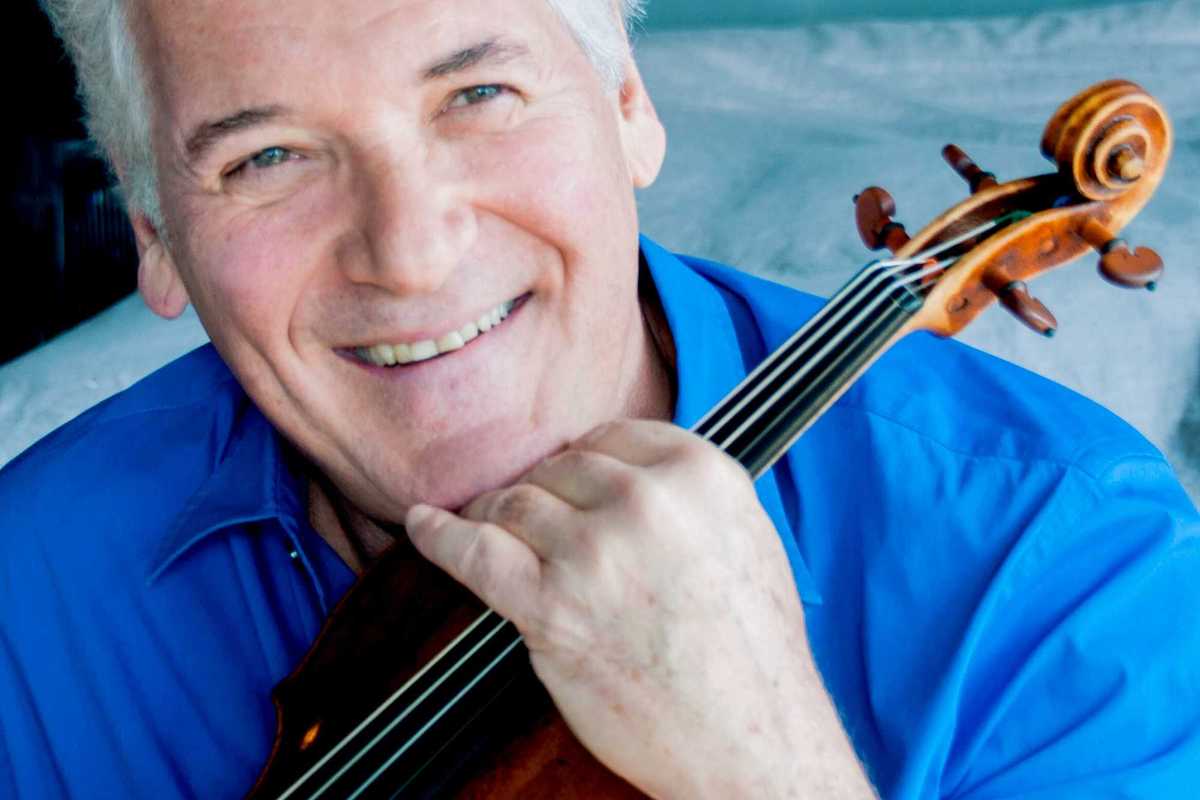
Pinchas Zukerman to perform at Hotchkiss Oct. 4

Cheryl Mazak

The passion, drama and energy of Beethoven will fill Katherine M. Elfers Hall at The Hotchkiss School on Oct. 4, when world-renowned violinist Pinchas Zukerman is joined by pianist Shai Wosner for a special recital.

The 4:30 p.m. program at the Esther Eastman Music Center will feature three of Beethoven’s celebrated violin sonatas: Violin Sonata No. 4 in A minor, Op. 23; Violin Sonata No. 5 in F major, Op. 24, “Spring”; and Violin Sonata No. 7 in C minor, Op. 30.

Keep ReadingShow less
google preferred source

Want more of our stories on Google? Click here to make us a Preferred Source.

google preferred source

Want more of our stories on Google? Click here to make us a Preferred Source.