The violence in Arizona this weekend, where there was an assassination attempt against Democratic Arizona U.S. Rep. Gabrielle Giffords and attendees at a meet-and-greet she was holding at a Safeway supermarket were murdered and injured by a 22-year-old gunman, may ironically result in more unification between the warring factions in the political landscape of the United States today. The reaction to the shooting has been one of horror and regret from both Democrats and Republicans, Americans all. Instead of adding to political polarization, this incident may well remind all sides of the political spectrum that they have much in common as citizens of this country.
As often happens when such violence occurs, acts of courage on the parts of those present showed the better side of humanity. Some people in the crowd, rather than running away from the mayhem, ran toward it, helping those who were injured and restraining the shooter. Surely lives were saved as a result of the heroic actions of the good people at the Saturday event.
In a week when legislators were returning to their jobs in Washington, D.C., and the state capitals, such an act of violence must give them all pause, leaving them to wonder if they should now consider professional protection a necessary part of their personal budgets. The tragic and vicious shootings serve as reminders that political candidates and elected officials alike place themselves in grave danger every time they take a step into the public eye. Just ask anyone who lived through the 1960s (and before and beyond, unfortunately) whether politicians and political activists are vulnerable targets for those who are disturbed or just evil and need someone to blame and to punish.
It may be convincingly determined that this attack was the result of a lone, unhinged gunman’s actions, or that it may be part of a larger plan, an organized assassination plot with more people involved. It may come out that it was based on anger over immigration laws, gun rights or health care, or that it is clearly the action of a deranged person with no rational connection to the issues of the day. Whatever is ascertained, it is critical that the attacker or attackers be subject to justice and be tried to the fullest extent of the law.
Giffords had been threatened before, as have many other politicians. It’s been a very contentious political climate leading into and following the 2010 midterm elections. Connecticut’s legislators have also been subjected to threats and confrontational behavior at public events during this time. This should give all their constituents something to think about, and to appreciate the courage and dedication it takes to continue to work for the public’s interests in the face of such threats of violence.
Now is the time to let elected officials know they are valued and that their willingness to serve in government is respected. In addition to putting themselves in personal danger, they are taking on some monumental tasks, with budgets needing to be brought into balance and jobs needing to be created, among many other things.
This is a time for all to step back from the extreme political stances that restrict civil discourse. Elected officials should not have to fear for their lives while trying to find and implement solutions to the problems facing the nation, as Giffords was doing by hosting a simple “Congress on Your Corner� event at a supermarket in her Arizona district, and just as Connecticut’s legislators have done on a regular basis. It’s time to diffuse the public anger that’s been fomenting and to tune down belligerent rhetoric that can lead to an outcome of such violence.


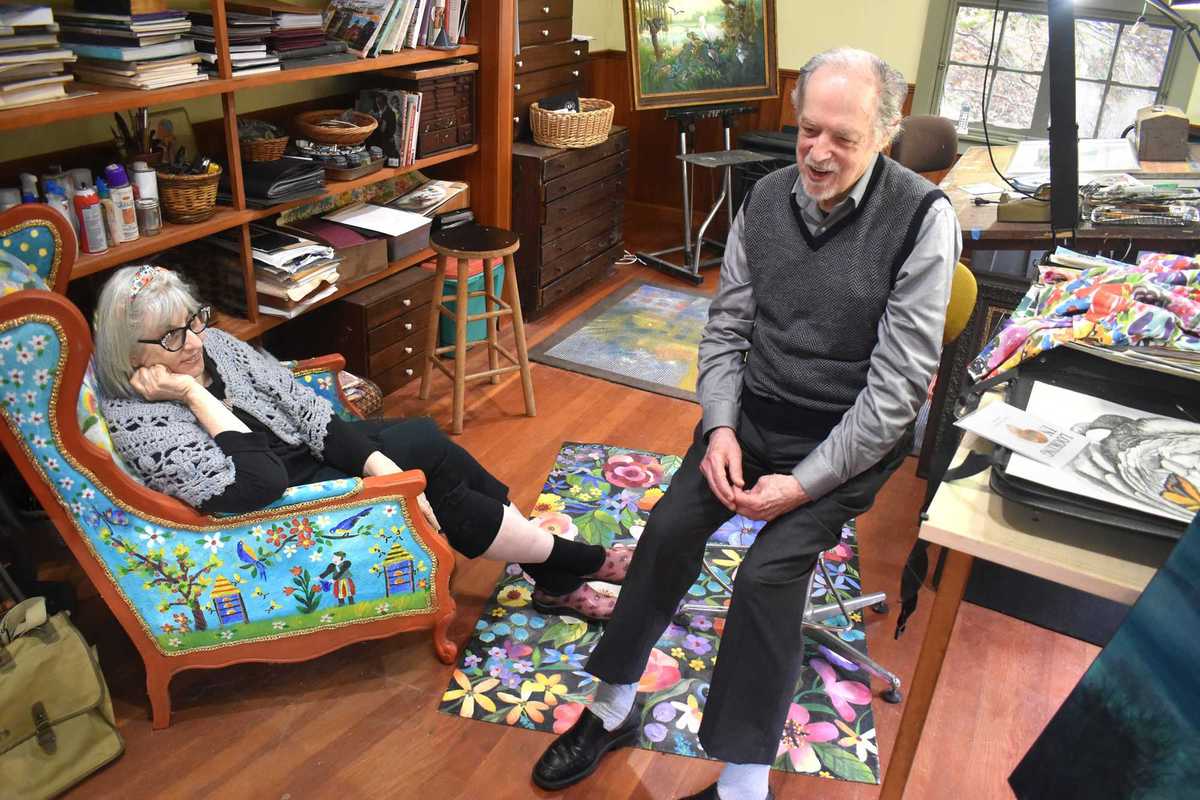
 Justine and Victor Valla in their studio with a painting of Victor’s,”Jonah and the Whale.” Robin Roraback


 A ceramic vase by Kathleen Heidemann.Provided
  Joy Brown’s delightful ceramic sculptures.Provided