
Woodland games

The Ungardener keeps her eye on the prize as she gamifies the most mundane of tasks

The ‘playing field’ is a five-acre patch of woods adjacent to the house cleared of woody invasives several years ago and reset with dozens of trees and large branches that fell over the winter. I am not at all happy about this situation; my time in the woods is dedicated in large part to preserving the life of trees. The fallen debris ups the challenge; landmarks that I counted on for my bearings been erased; a new obstacle course created.

The ‘mission’ is to root out the invasive weeds before they go to seed. This must be done while minimizing any collateral damage caused by a heavy foot on the woodland floor. It is risky walking in the woods this time of year when the ferns have sent out only an inch or two of frond. The mission also requires reconnaissance to identify new inhabitants — native and not — and the spreading of spring ephemerals and other native plants which, of course, is the end game.

The easiest to spot are the garlic mustards, Alliaria petiolata. They are also the first to develop a flower head and so must be pulled asap. I have written about these villians before — they use a kind of chemical weapon, allelopathy, to stop other plants from growing in their vicinity.

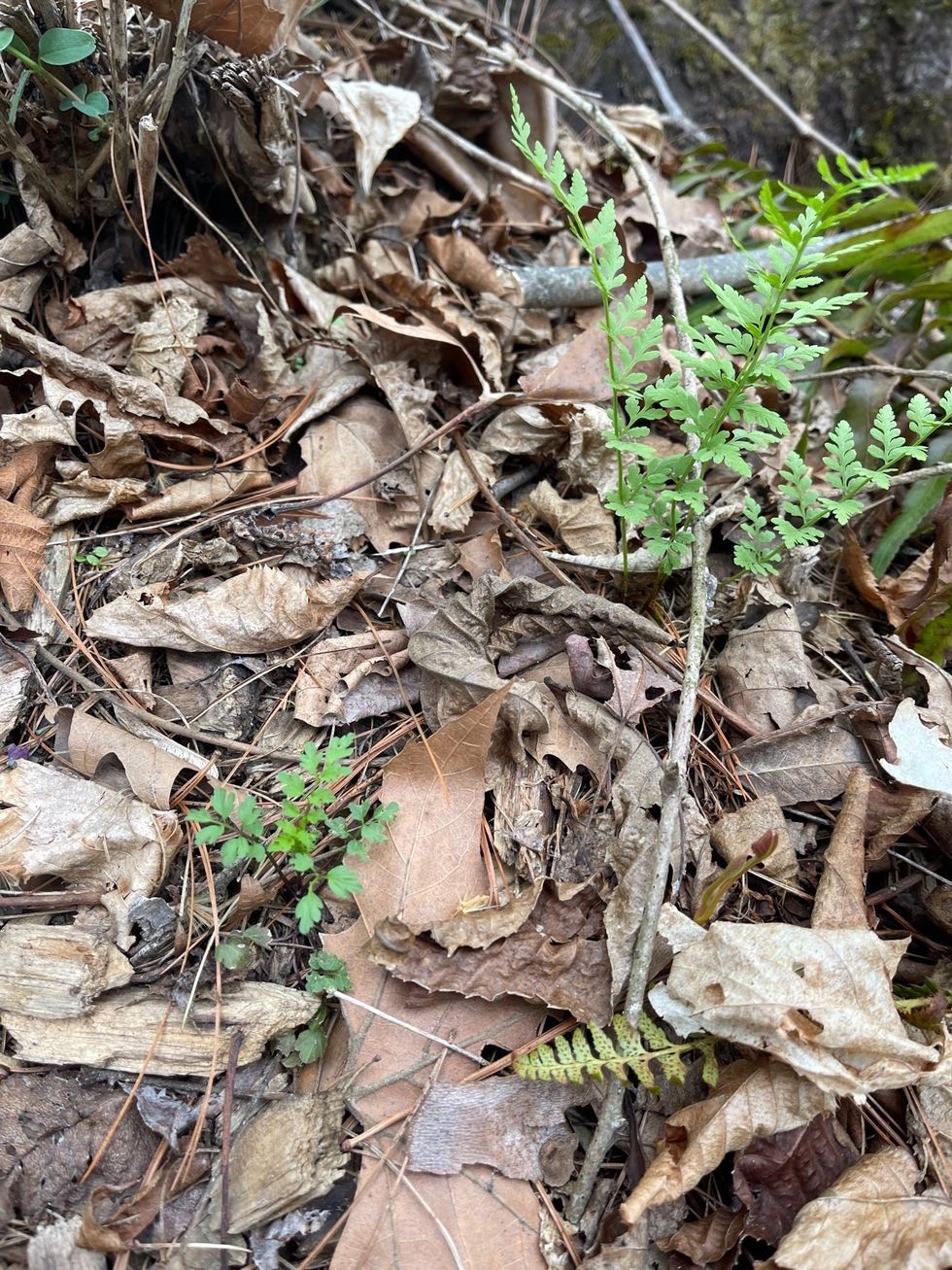
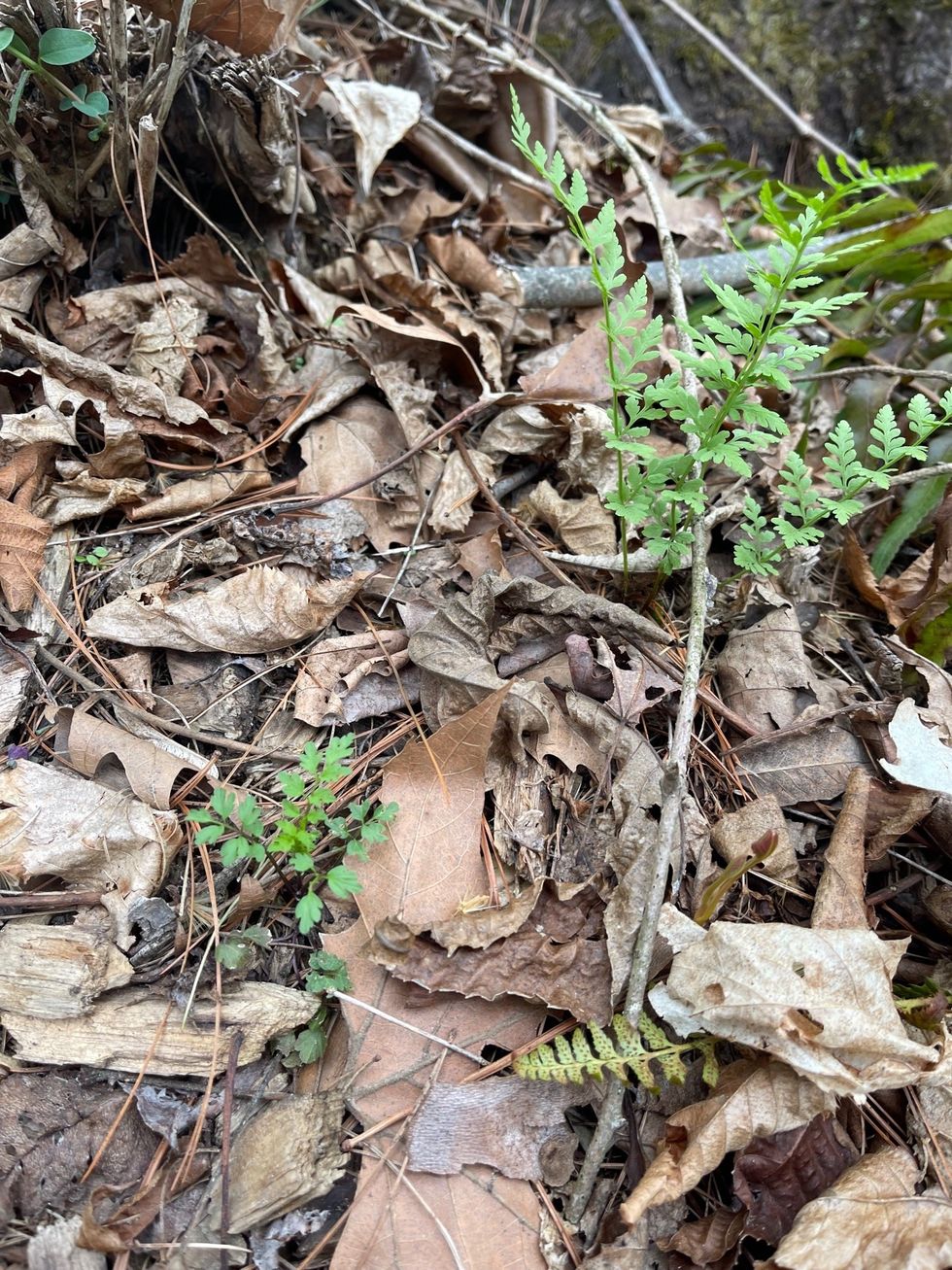
Even the recognizable rosettes of garlic mustard can hide in plain sight, but the narrow-leaf bittercress Cardamine impatiens are especially adept at this camouflage. The ones that have planted themselves under last year’s fern fronds are well protected from detection but the smallest slice of bright green next to the dark green gives them away. An easy win.

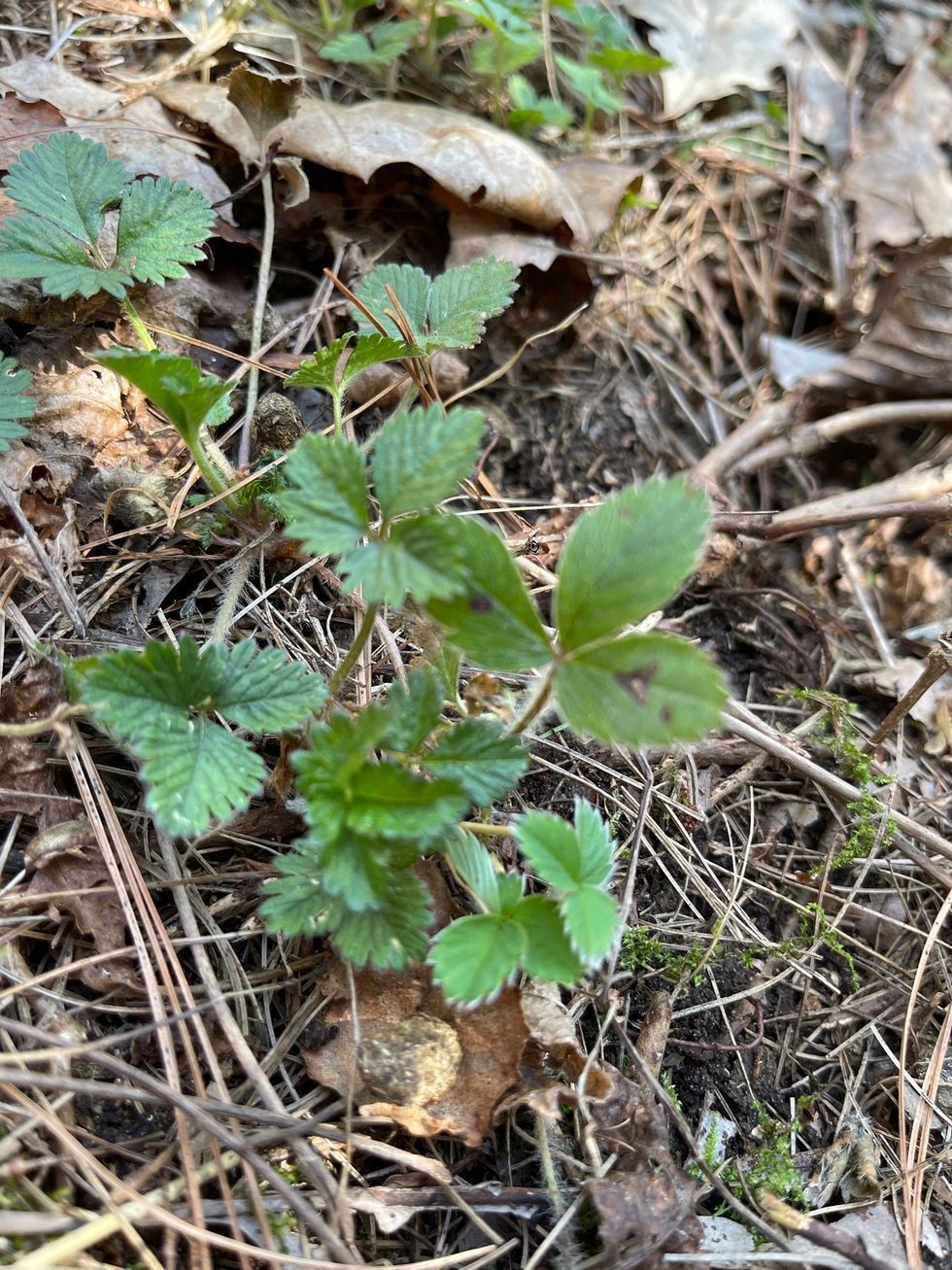
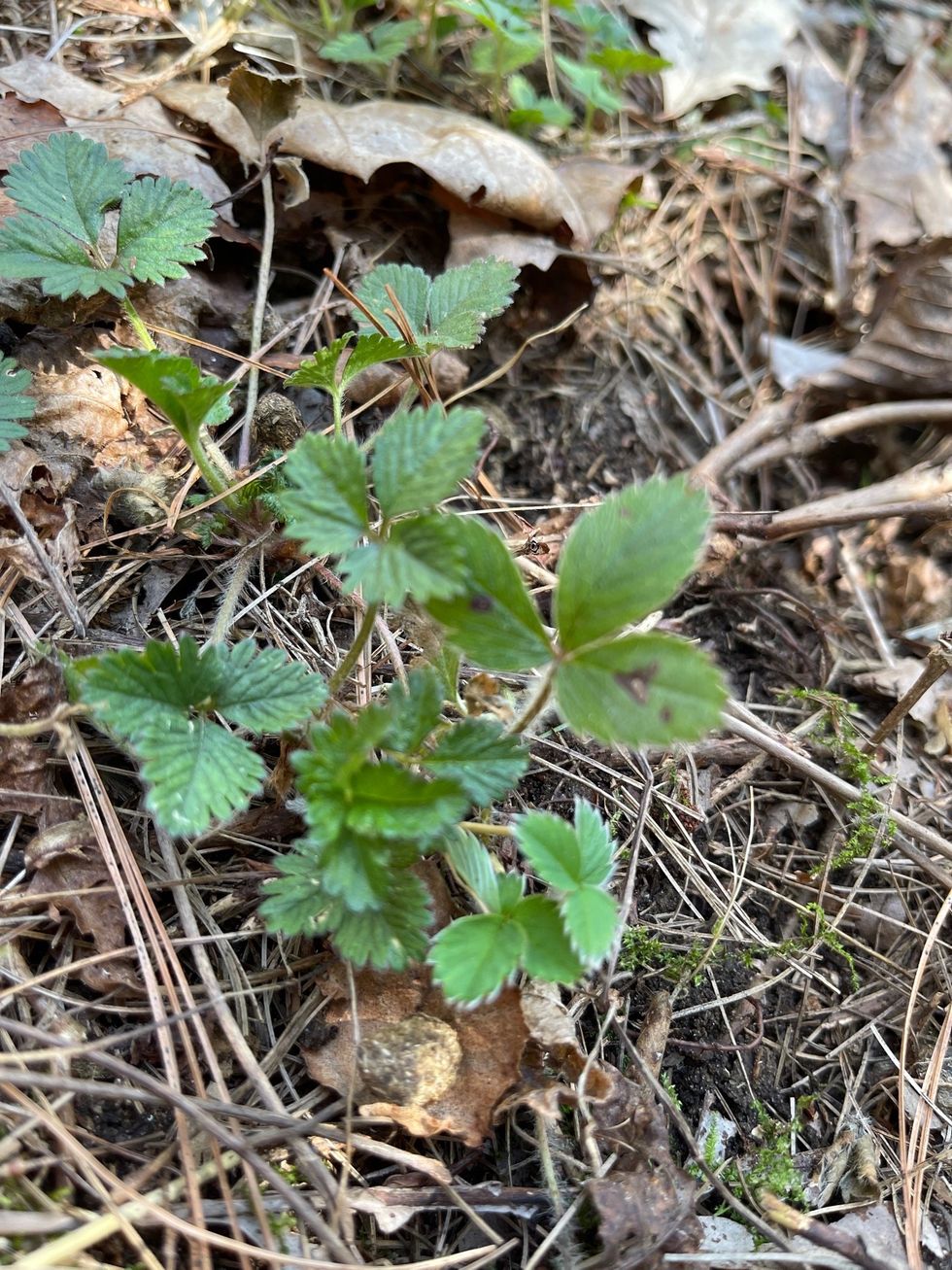
It requires a keen eye to spot the ‘imposter weeds’ — those that look like natives but are non-native invasives. The amount of wild strawberry Fragaria virginiana has quadrupled over the past year but Duchesnea indica, false or mock strawberry, a cunning non-native doppelganger, has infiltrated the field. It is easy to spot when its yellow flower has blossomed — strawberry has a white flower. I figured out how to tell them apart before they flower and now it seems so obvious: the mock strawberry has a rounded, almost frilly, tooth-edge unlike the straight tooth-edge of native strawberry. The habit is also different — a denser cluster of leaves.

Also looking like a strawberry, but with five leaves, Potentilla simplex, common cinquefoil looks almost identical to native Potentilla canadensis, dwarf cinquefoil. I am sure that I have wrongly taken out the native or left the non-native. There is a good comparison of the two on Elizabeth’s Wildflower Blog, an informative website: www.elizabethswildflowerblog.com/2017/04/29/cinquefoils-and-false-strawb...

In my woodland workshop visits to people living in the Taconic and Twin Lakes areas, Ficaria verna, or lesser celandine, is already in flower, causing consternation due to its mat-forming spread. It requires a shovel to dig out and a few years of perseverance. To my untrained eye, lesser celandine looks just like marsh marigold. Fearing that it had rooted in a marshy area here, I removed two suspects only to find, using an app on my iPhone, that they were innocent (and increasingly rare) marsh marigold! I quickly planted them back. Points lost.

What is different this year? I spy many more viburnum plicatum doublefile viburnum saplings than ever. These common garden shrubs have jumped the garden gate into the woods throughout the region. In this case, I am most likely the guilty party as there are still two shrubs on the land and they are rather important to the landscape; I have resisted getting rid of them.

I pluck out 20 or so out of the woods and into my trug. More points lost.

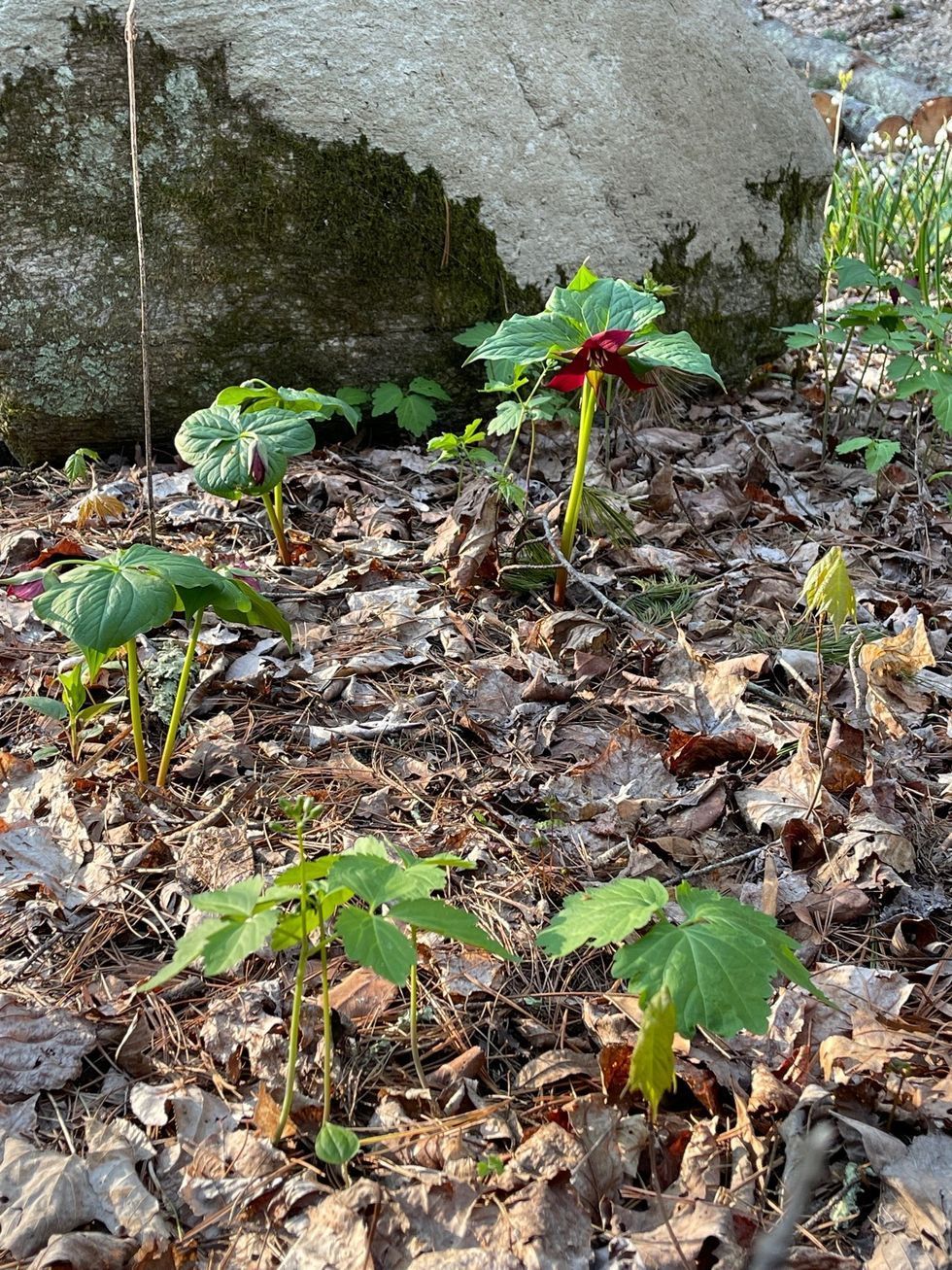
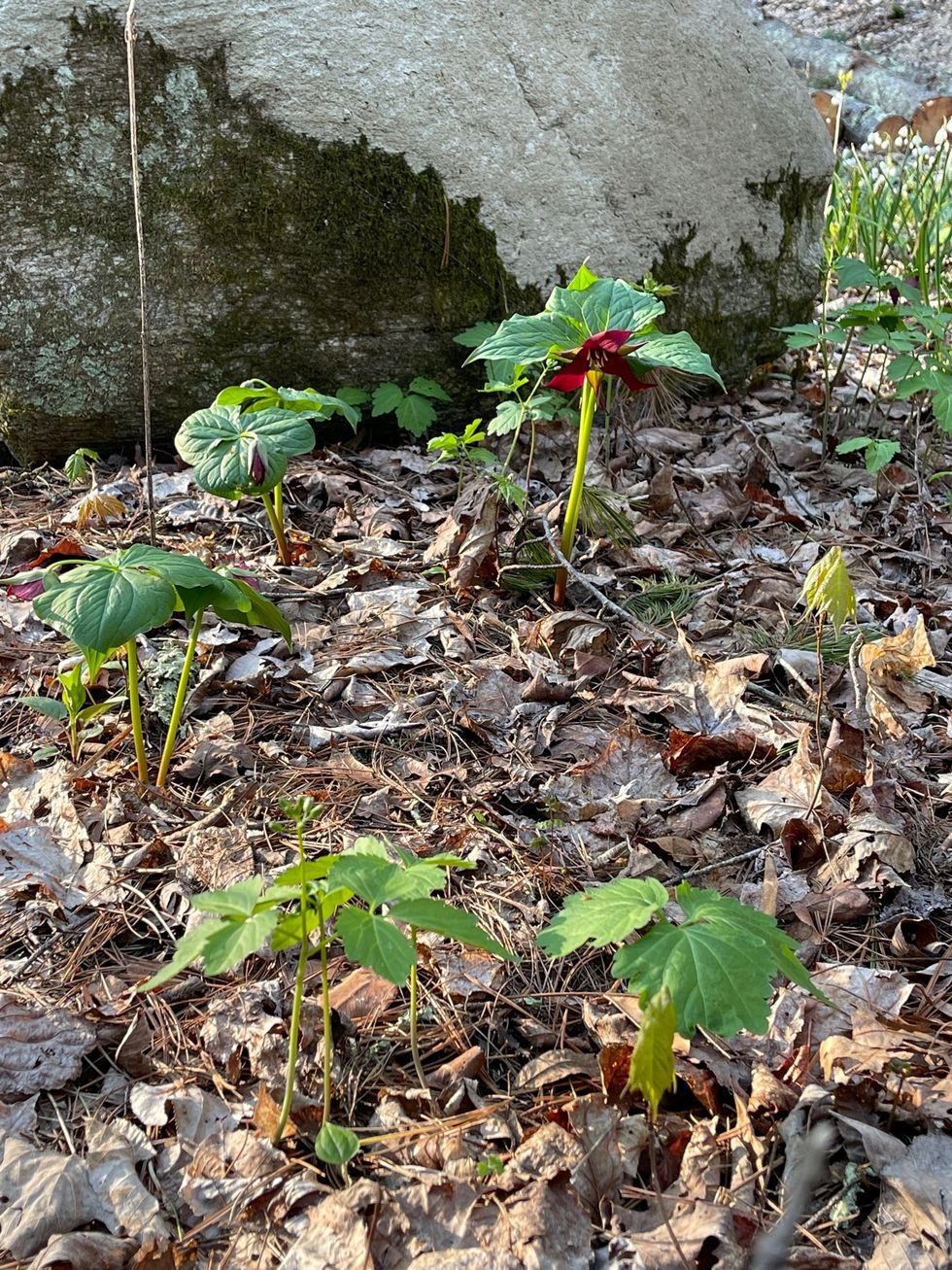
Clambering over tree trunks, stretching through branches, balancing on rocks, leaning over steep slopes, ruffling under trees and ferns. Dangers lurk. While not The Hunger Games, my kind of weeding involves parkour, spy craft and a touch of ‘Where’s Waldo.’ And the prizes get better each year: swaths of tiny Maianthemum canadense Canada mayflower dappled with Lysimachia borealis, star flower. Cardamine diphylla, two leaved toothwort, a small colony of Caulophyllum thalictroides the delicate blue cohosh. Two leaf mitrewort! Trillium!


Dee Salomon “ungardens” in Litchfield County.

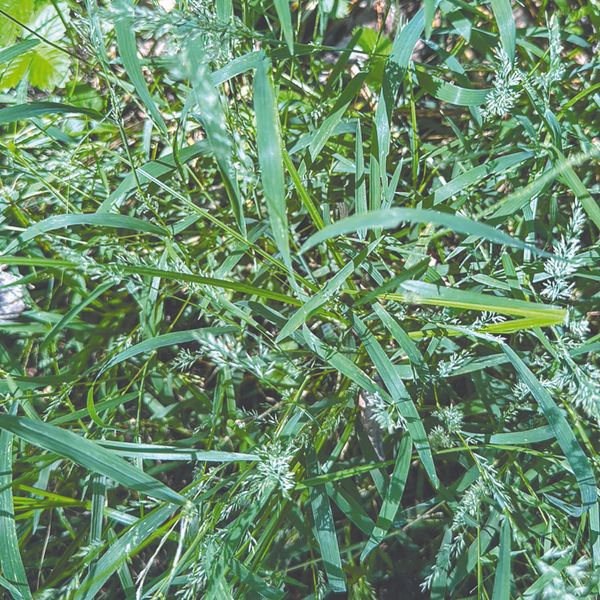
Narrowleaf bittercress hiding alongside a fern. Photo by Dee Salomon

Strawberry and imposter. Photo by Dee Salomon

The prizes: Trillium and two leaved toothwort. Photo by Dee Salomon

The prizes: Trillium and two leaved toothwort. Photo by Dee Salomon

Latest News

Norfolk breaks ground on new firehouse

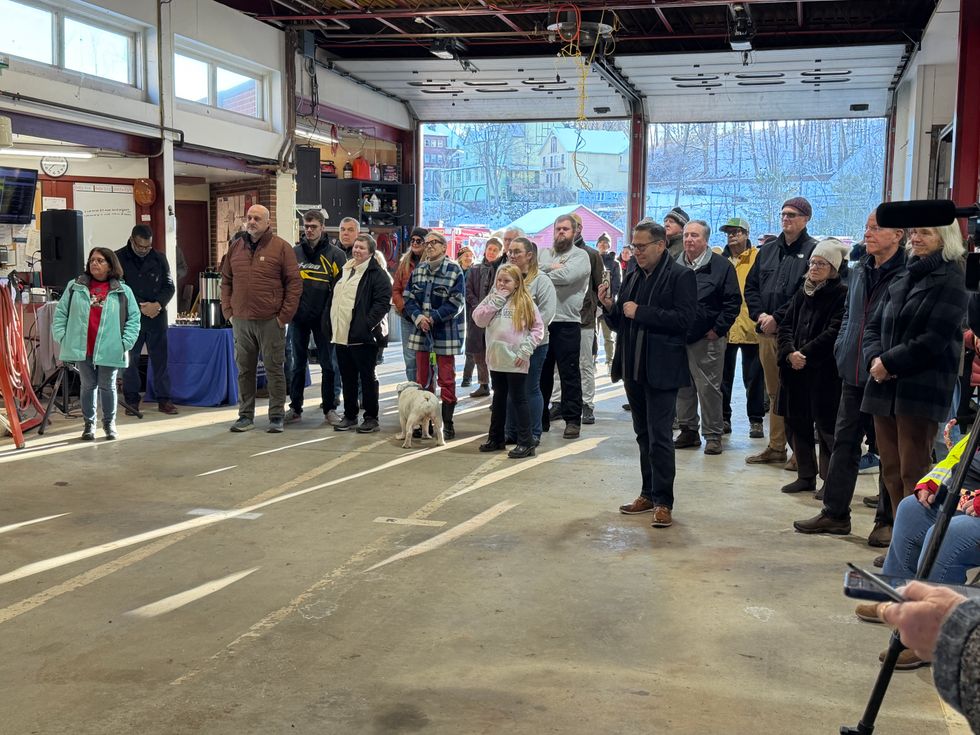
Officials, firefighters and community members break ground on the Norfolk Volunteer Fire Department’s new firehouse on Dec. 6.

By Jennifer Almquist

NORFOLK — Residents gathered under bright Saturday sunshine on Dec. 6 to celebrate a milestone more than a decade in the making: the groundbreaking for the Norfolk Volunteer Fire Department’s new firehouse.

U.S. Congresswoman Jahana Hayes (D-5) and State Rep. Maria Horn (D-64) joined NVFD leadership, town officials, members of the building committee and Norfolk Hub, and 46 volunteer firefighters for the groundbreaking ceremony.

Keep ReadingShow less
Kent moves closer to reopening Emery Park swimming pond

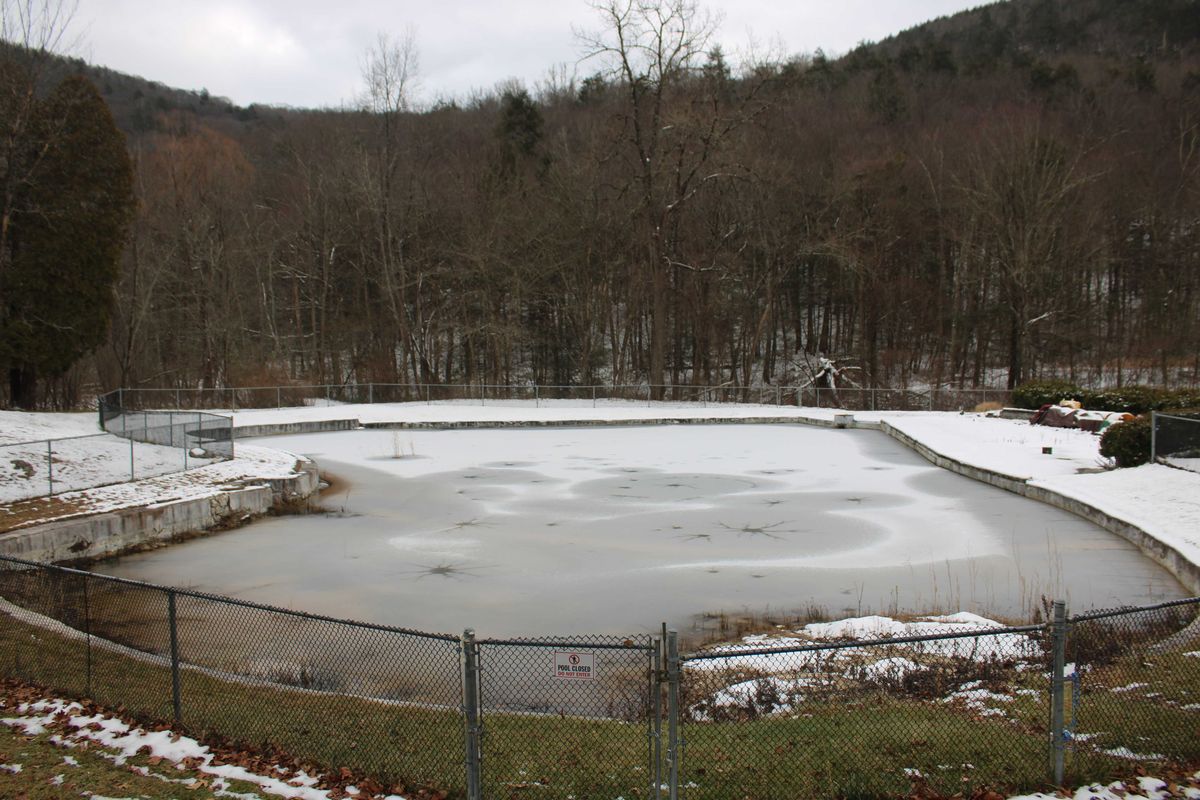
It may look dormant now, but the Emery Park pond is expected to return to life in 2026

By Alec Linden

KENT — Despite sub-zero wind chills, Kent’s Parks and Recreation Commission is focused on summer.

At its Tuesday, Dec. 2, meeting, the Commission voted in favor of a bid to rehabilitate Emery Park’s swimming pond, bringing the town one step closer to regaining its municipal swimming facility. The Commission reviewed two RFP bids for the reconstruction of the defunct swimming pond, a stream-fed, man-made basin that has been out of use for six years. The plans call to stabilize and level the concrete deck and re-line the interior of the pool alongside other structural upgrades, as well as add aesthetic touches such as boulders along the pond’s edge.

Keep ReadingShow less
Jacob assumes leadership role at William Pitt Sotheby’s Litchfield Hills offices

Eddie Jacob was recently promoted to Assistant Brokerage Manager for four Litchfield Hills offices of William Pitt Sotheby’s International Realty.

Photo provided

William Pitt Sotheby’s International Realty has appointed Eddie Jacob as Assistant Brokerage Manager for its four Litchfield Hills offices, the company announced on Nov. 19.

In his new role, Jacob will support agents and help oversee operations in the firm’s Kent, Litchfield, Salisbury and Washington Depot brokerages.

Keep ReadingShow less
Winter sports season approaches at HVRHS

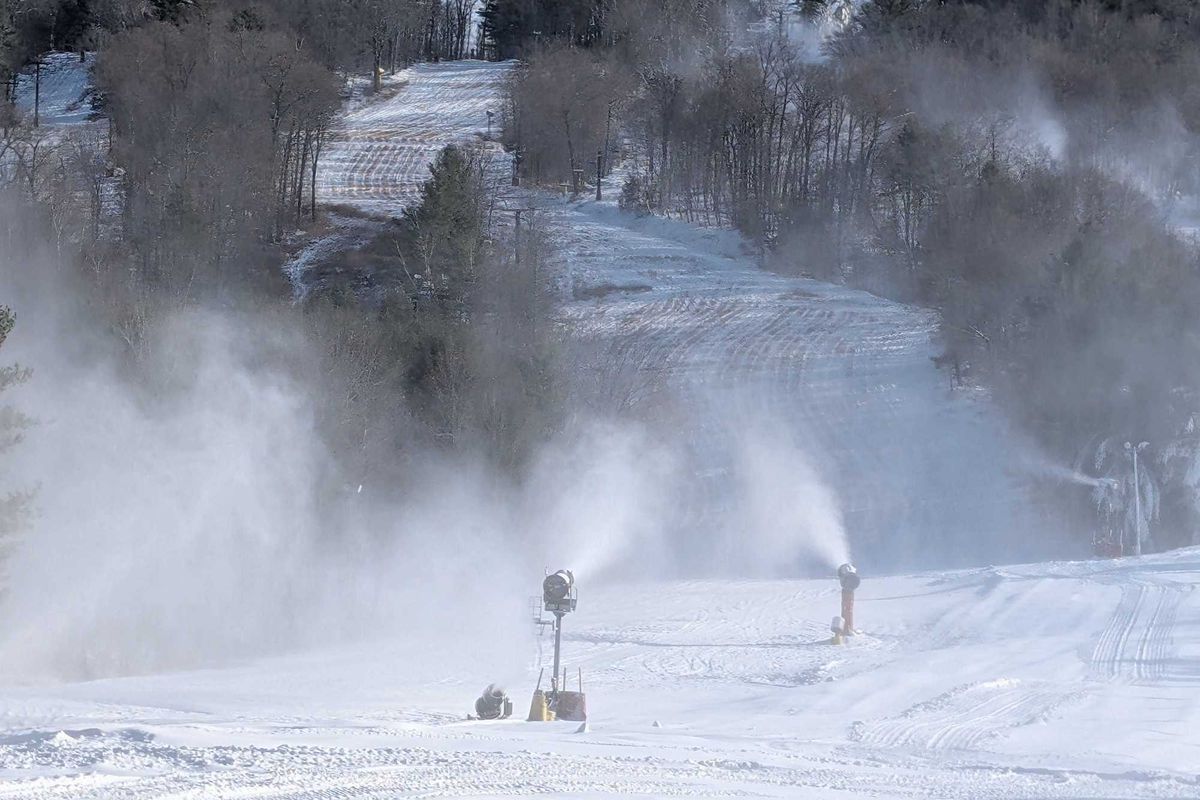
Mohawk Mountain was making snow the first week of December. The slopes host practices and meets for the HVRHS ski team.

By Riley Klein

FALLS VILLAGE — After concluding a successful autumn of athletics, Housatonic Valley Regional High School is set to field teams in five sports this winter.

Basketball

Keep ReadingShow less