Words you can say on TV and how they evolved

The recent vulgar eruptions by two television personalities, Roseanne Barr and Samantha Bee, brought to mind my own experience with words that were never to be uttered on the air. 

I had been with WTIC Radio and Television for a couple of years in 1965 when the radio station celebrated the 40th anniversary of its founding in 1925.

As part of the observance, I was asked to write a memo on the events of the year 1925 so that the disc jockeys and talk show hosts could provide the listeners with colorful anecdotes about the events of the year.

After noting that Mussolini became dictator of Italy, New York became the largest city in the world, Tennessee convicted a teacher for teaching evolution in the Scopes “Monkey Trial,” Calvin Coolidge became the first president inaugurated on the radio, The New Yorker was born, Mount Rushmore was completed and “The Great Gatsby” was published, I turned to sports.

Babe Ruth, perhaps the largest-than-life figure of the Roaring ‘20s and maybe the greatest baseball player of all time, had an off year in 1925, induced by excessive carousing. Ruth reported for spring training grossly overweight and the rigors of getting into shape while continuing to overindulge caught up with him and he was hospitalized for an intestinal disorder.  A New York sportswriter described Ruth’s celebrated ailment as “the bellyache heard ‘round the world.”

But a term that was fine for a New York newspaper in 1925 was too racy for a radio station in 1965 and I was told by the company president that “belly” is not a word used on radio and I was to watch my language.

You may have noticed that language standards have somewhat loosened in the 53 years since my verbal indiscretion and we now hear words so lewd that newspapers will only refer to them by their first letters, like the “c word” and “f word.” 

Back in the ‘70s, the comedian George Carlin did a memorable routine about the seven words you can’t say on television, but that was then.  Today, you can say those words on some television but not on other television. And on the television where you can’t say those words in the daytime, you can say them after 10 o’clock at night when the kiddies aren’t supposed to be watching.  Really.

This is because some TV is regulated by the Federal Communications Commission and some isn’t. The regulated part is the kind broadcast over the airwaves, the kind people watched in black and white with the help of a rabbit ears antenna atop the set or on the roof.  

This was once called “free TV” because when you watched the three or four stations available before cable, they were advertiser supported and free for the audience. Now, the same stations are still free if you watch them the old fashioned way but nearly everyone watches them as part of their cable service, which is definitely not free.  

And so, to summarize, the few stations still subject to federal regulation — even though you see them on cable and can’t tell the difference — can’t use dirty words before 10 p.m.  All the other stations on cable, whether they have ads or not, can spout all the vile and vulgar language they want but most don’t do so early in the day because they would risk losing advertisers.  The channels not supported by advertisers are only restrained by good taste, which, like a good man in the old song, is hard to find. 

As to the ladies who caused all of this: Roseanne made a vulgar, racist remark about a former White House official on Twitter, which is not subject to federal regulation and lost her ABC program as a result.  

Samantha Bee used a vulgar synonym for a vagina in commenting on a White House official, who happens to be the president’s daughter, on her cable TV show, which is not subject to federal regulation, and didn’t lose her job.

The official’s father complained of a double standard because the woman who used the vulgar synonym in attacking his daughter (the c word), kept her job while his supporter, Roseanne, lost hers.  

But it is actually a triple standard because the father, who complained of the double standard, also used a vulgar synonym for a woman’s vagina (the p word) in boasting of his sexual prowess on the infamous Access Hollywood tapes and he was elected president.

I am not making any of this up.


Simsbury resident Dick Ahles is a retired journalist. Email him at rahles1@outlook.com.

Latest News

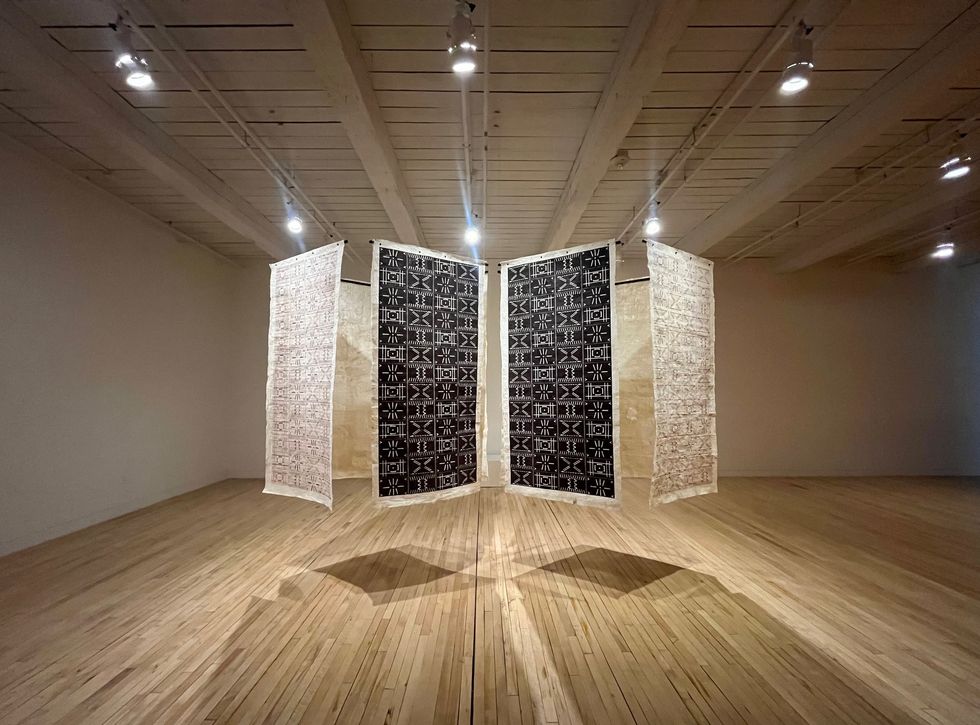
Living art takes center stage in the Berkshires

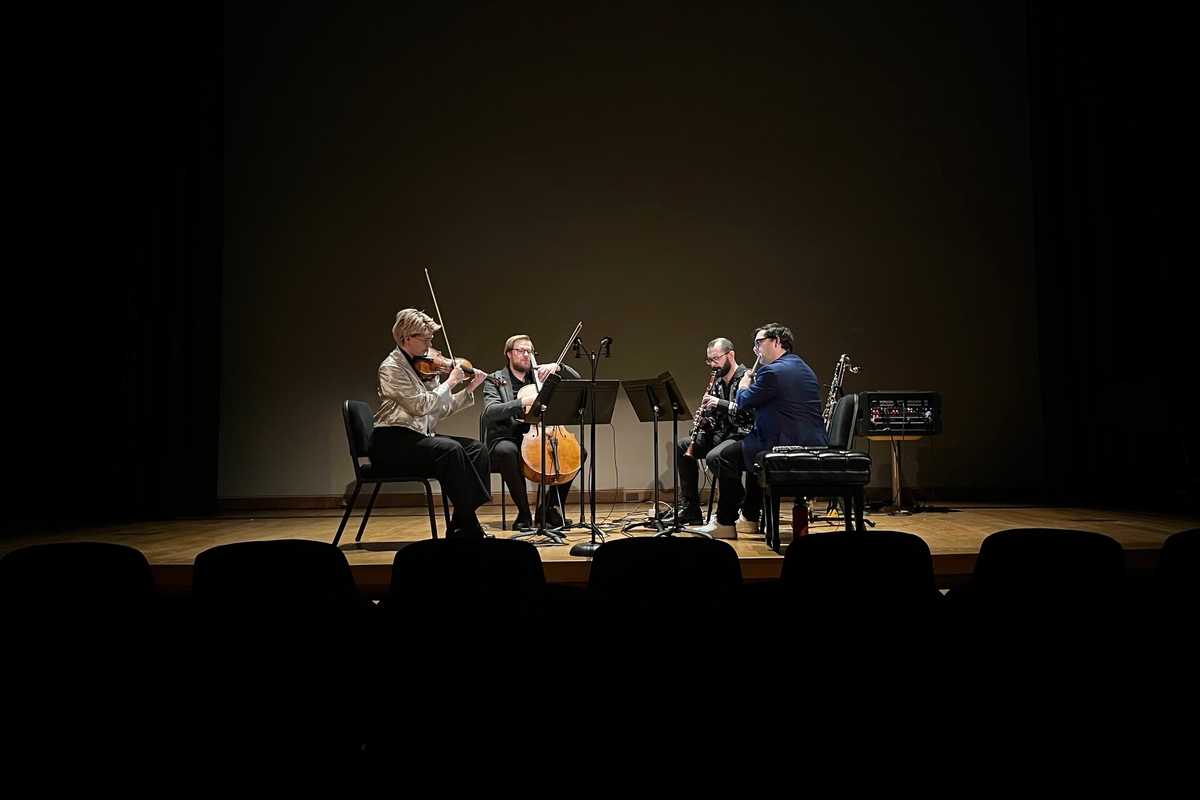
Contemporary chamber musicians, HUB, performing at The Clark.

D.H. Callahan

Northwestern Massachusetts may sometimes feel remote, but last weekend it felt like the center of the contemporary art world.

Within 15 miles of each other, MASS MoCA in North Adams and the Clark Art Institute in Williamstown showcased not only their renowned historic collections, but an impressive range of living artists pushing boundaries in technology, identity and sound.

Keep ReadingShow less
Persistently amplifying women’s voices

Francesca Donner, founder and editor of The Persistent. Subscribe at thepersistent.com.

Aly Morrissey

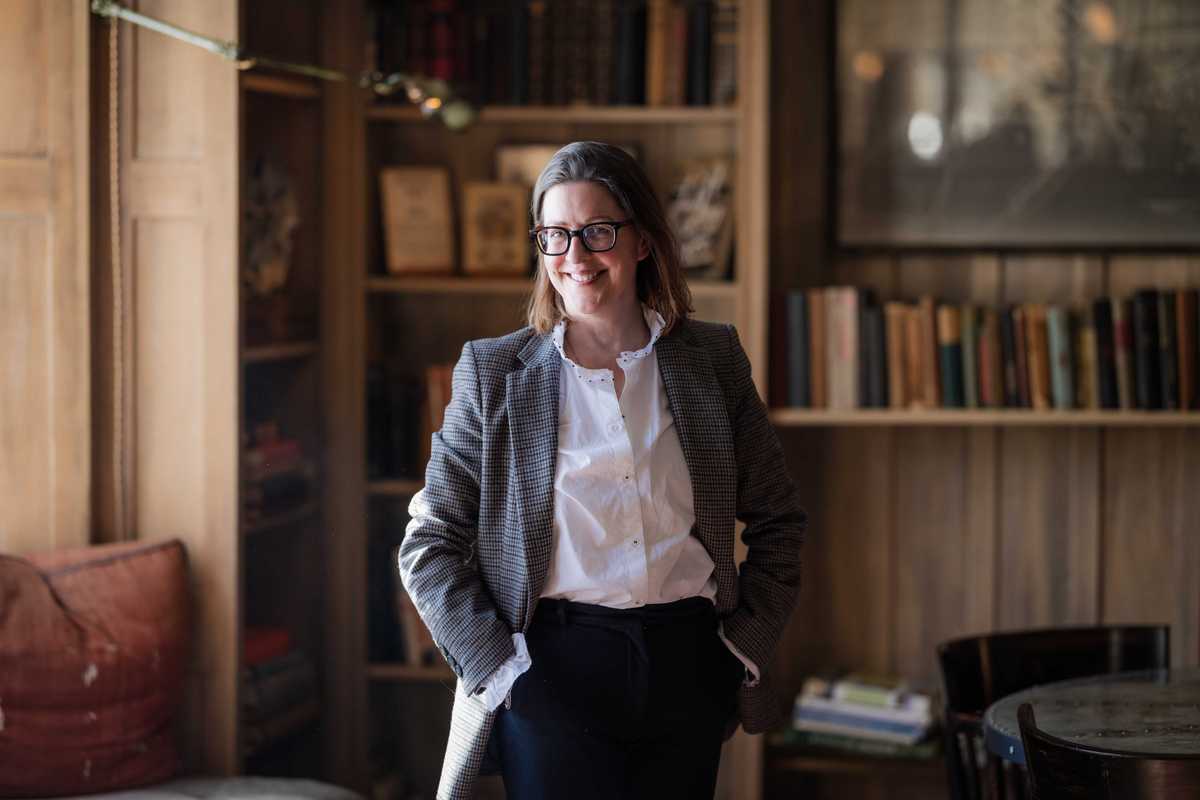
Francesca Donner pours a cup of tea in the cozy library of Troutbeck’s Manor House in Amenia, likely a habit she picked up during her formative years in the United Kingdom. Flanked by old books and a roaring fire, Donner feels at home in the quiet room, where she spends much of her time working as founder, editor and CEO of The Persistent, a journalism platform created to amplify women’s voices.

Although her parents are American and she spent her earliest years in New York City and Litchfield County — even attending Washington Montessori School as a preschooler — Donner moved to England at around five years old and completed most of her education there. Her accent still bears the imprint of what she describes as a traditional English schooling.

Keep ReadingShow less
Jarrett Porter on the enduring power of Schubert’s ‘Winterreise’
Baritone Jarrett Porter to perform Schubert’s “Winterreise”
Tim Gersten

On March 7, Berkshire Opera Festival will bring “Winterreise” to Studio E at Tanglewood’s Linde Center for Music and Learning, with baritone Jarrett Porter and BOF Artistic Director and pianist Brian Garman performing Franz Schubert’s haunting 24-song setting of poems by Wilhelm Müller.

A rejected lover. A frozen landscape. A mind unraveling in real time. Nearly 200 years after its premiere, “Winterreise” remains unnervingly current in its psychological portrait of isolation, heartbreak and existential drift.

Keep ReadingShow less
google preferred source

Want more of our stories on Google? Click here to make us a Preferred Source.
A grand finale for Crescendo’s 22nd season

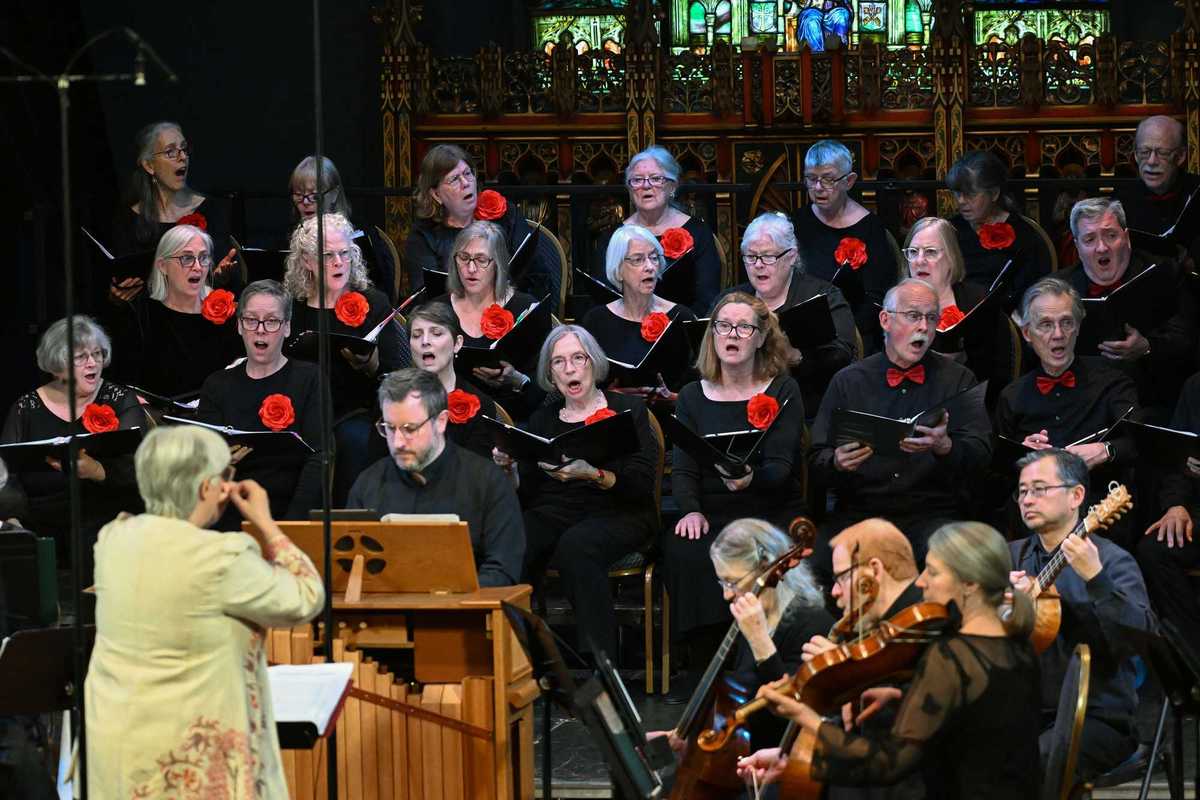
Christine Gevert, artistic director, brings together international and local musicians for a season of rare works.

Stephen Potter

Crescendo, the Lakeville-based nonprofit specializing in early and rarely performed classical music, will close its 22nd season with a slate of spring concerts featuring international performers, local musicians and works by pioneering composers from the Baroque era to the 20th century.

Christine Gevert, the organization’s artistic director, has gathered international vocal and instrumental talent, blending it with local voices to provide Berkshire audiences with rare musical treats.

Keep ReadingShow less

Leopold Week honors land and legacy

Leopold Week honors land and legacy

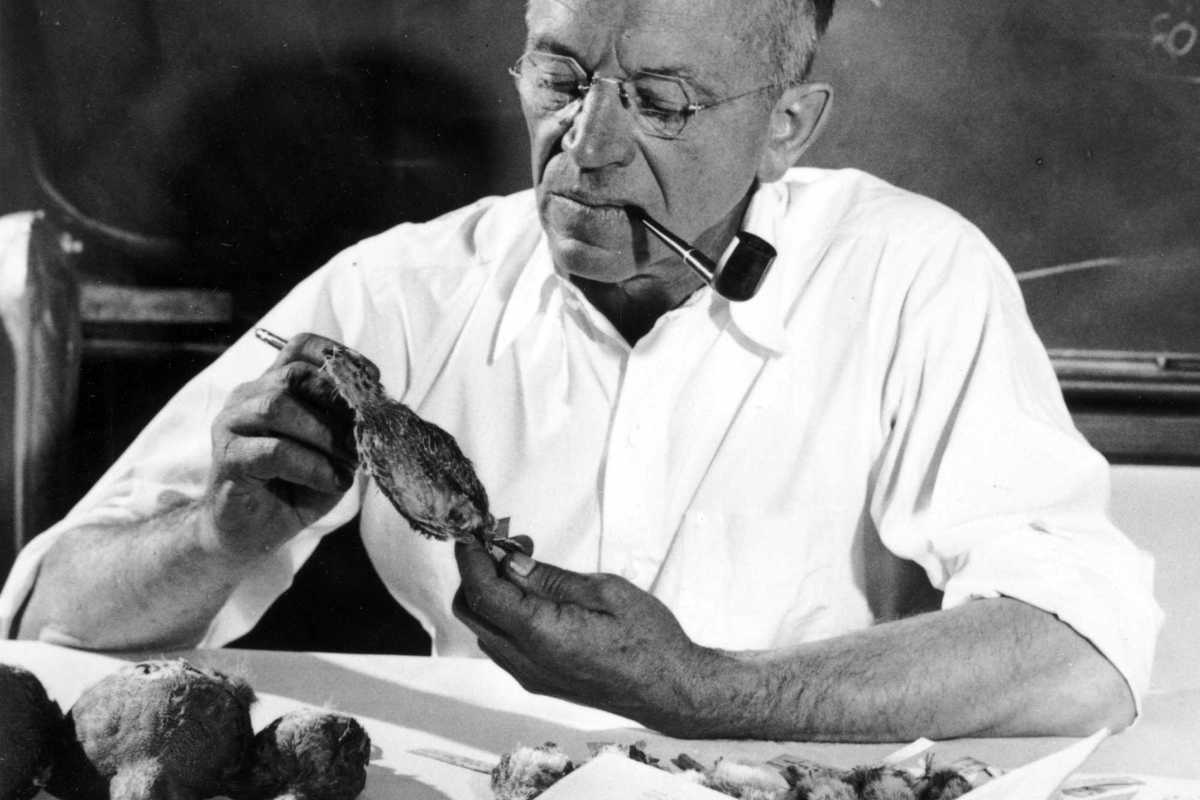
Aldo Leopold in 1942, seated at his desk examining a gray partridge specimen.

Robert C. Oetking

In his 1949 seminal work, “A Sand County Almanac,” Aldo Leopold, regarded by many conservationists as the father of wildlife ecology and modern conservation, wrote, “There are some who can live without wild things and some who cannot.” Leopold was a forester, philosopher, conservationist, educator, writer and outdoor enthusiast.

Originally published by Oxford University Press, “A Sand County Almanac” has sold 2 million copies and been translated into 15 languages. On Sunday, March 8, from 3 to 5 p.m. in the Great Hall of the Norfolk Library, the public is invited to a community reading of selections from the book followed by a moderated discussion with Steve Dunsky, director of “Green Fire,” an Emmy Award-winning documentary film exploring the origins of Leopold’s “land ethic.” Similar reading events take place each year across the country during “Leopold Week” in early March. Planning for this Litchfield County reading began when the Norfolk Library received a grant from the Aldo Leopold Foundation, which provided copies of “A Sand County Almanac” to distribute during the event.

Keep ReadingShow less

Erica Child Prud’homme

Erica Child Prud’homme

WEST CORNWALL — Erica Child Prud’homme died peacefully in her sleep on Jan. 9, 2026, at home in West Cornwall, Connecticut, at 93.

Erica was born on April 27, 1932, in Doylestown, Pennsylvania, the eldest of three children of Charles and Fredericka Child. With her siblings Rachel and Jonathan, Erica was raised in Lumberville, a town in the creative enclave of Bucks County where she began to sketch and paint as a child.

Keep ReadingShow less
google preferred source

Want more of our stories on Google? Click here to make us a Preferred Source.
google preferred source

Want more of our stories on Google? Click here to make us a Preferred Source.