Thank you!
Your support is sustaining the future of local news in our communities.

Working together to protect the Housatonic

CORNWALL — For the Housatonic Valley Association (HVA), environmental protection goes hand-in-hand with thoughtful local planning and development. When the organization was formed 75 years ago, it was a vision that was ahead of its time.

Charles Downing Lay, HVA’s founder, was a landscape architect by profession. He had a home in Stratford, Conn., and taught at Yale University. He became well known for his work in New York City on projects such as Battery Park and Bryant Park. But away from the buzz of the city, Lay often spent time at a family camp in Cornwall. Struck with an appreciation for the Northwest Corner’s natural landscape, he became passionate about environmental protection.

“He strongly believed that the beauty and environmental health of the Housatonic River Valley can be preserved by people who are deliberate in planning how their communities grow,” said Lynn Werner, HVA’s executive director. 

In 1941, Lay founded what was then called the Housatonic Valley Planning Conference. Werner attributed Lay’s pioneer work regarding environmental protection to the ushering in of contemporary planning and zoning commissions and inland wetlands commissions. 

“He really understood the science of water movement across the surface of the land and beneath the surface and the impact of land use on water quality,” Werner said. 

Over the past 75 years, HVA has grown into a highly regarded regional watershed organization and accredited land trust whose work encompasses many aspects of land and water conservation throughout the 1,948-square mile Housatonic River basin in portions of three states. 

Its message is Clean Water for Life, and HVA works with its conservation partners in service of that idea for the benefit of people and natural communities across its watershed.

A wild and scenic river

HVA played an early role in the effort to realize federal Wild and Scenic designation for 41 miles of Housatonic River in Connecticut by having this section of river evaluated for its “wild and scenic qualifications” by the Department of the Interior in the late 1970s. 

That study is still relevant today, enabling the Housatonic River Commission (HRC) to pursue designation through state legislation sponsored by state Rep. Roberta Willis (D-64) and Sen. Clark Chapin (R-30). 

HRC and HVA, along with abutting municipalities, the Northwest Hills Council of Governments and a host of partnering organizations, worked together to support of the legislation that culminated in favorable action by the Connecticut General Assembly earlier this year on Wild and Scenic designation. 

HVA was also an early investor in land conservation across the region, working with land owners on conservation development planning and conserving thousands of acres more through its direct involvement and assistance in projects with its numerous partners. 

Beginning with the permanent protection of the Appalachian Trail along the Housatonic River in northwest Connecticut, HVA launched a Housatonic River Greenway that is a state-recognized greenway today. In northwest Connecticut, HVA sponsors the Litchfield Hills Greenprint Collaborative, a regional conservation partnership with two dozen land trust members that have protected more than 3,300 acres since 2008. 

Recognizing the need for new sources of private capital for regionally significant land protection projects, HVA launched the Greenprint Partners Pledge fund in 2014. This effort has helped match donors from across the area with environmentally significant land conservation projects where the local land trust or group of trusts have worked hard to secure local, state and federal funding. The Pledge Fund has directed $400,000 so far toward two Greenprint member projects, including $200,000 to help Cornwall Conservation Trust successfully close on its 315-acre Trinity Camp Forest project last month and another $200,000 for a 127-acre transaction that is nearing completion with the Goshen Land Trust.

HVA’s concern for water quality led it to invest in mapping groundwater resources in the 1980s and advocating against environmentally damaging practices such as landfilling garbage (which led to drinking water pollution in the watershed). Today HVA’s Geographic Information’s Systems (GIS) capacity is put to good use tracking stream health, analyzing ecologically important land and water resources and helping conservation partners and town leaders set regional land and water protection priorities. 

It takes several villages

Sometimes a threat to water quality and public health is too big for anything less than a coalition of public and private stakeholders to effectively address. PCB contamination in the Housatonic River is one such threat where HVA found common cause with many other groups and communities to hold polluters accountable and start to mitigate environmental impacts. 

United in their cause, HVA and these partners helped devise a graduated cleanup plan for PCB hot spots along the river. 

Today, Werner reported, the vast majority of the PCB particles are collected on sediment at Woods Pond in Lenox, Mass.  Deciding how to approach the goal of removing the PCBs is a point of contention. 

“There’s no magic bullet for eliminating the PCBs. Each potential solution has significant pros and cons,” Werner said.  

Tackling pollution 

As it looks toward the future, HVA has embraced a conservation approach that is collaborative and solution-oriented. With the Still River Watershed, for example, HVA is working with sister organizations and town leaders to reduce pollution from runoff that flows into the Still River from its watershed communities including Danbury, New Milford, Bethel, Brookfield, New Fairfield, Newtown, Ridgefield and Redding. 

HVA is deploying a similar strategy in the Ten Mile River Basin, in towns like Sharon, Salisbury, Millerton, Amenia and Dover. Working with a team of local community and environmental leaders, this new collaboration is seeking to reduce flooding and improve the health of the Ten Mile River and its tributaries. 

HVA’s objective is to tackle pollution sub-watershed by sub-watershed across the region with its partners. Some of the strategies that HVA and its partners have successfully deployed in certain parts of the Housatonic River watershed may be desirable and effective elsewhere. 

Whether providing additional recreational access opportunities along the Housatonic Greenway, or helping urban communities within the watershed to reengage with the riverfront and riparian areas they contain, HVA continues to innovate and seek ways to amplify and enhance the excellent conservation work of communities and organizations throughout the region.

Latest News

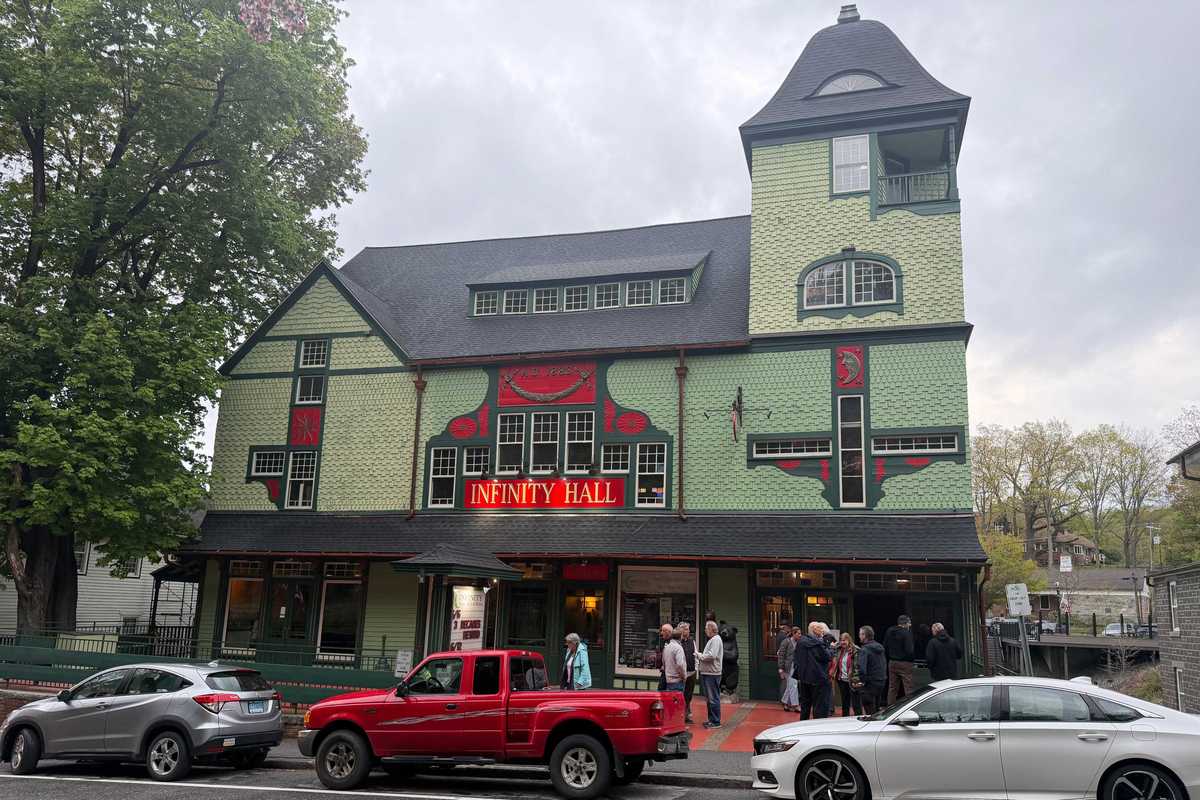
Plans to revitalize Norfolk’s Infinity Hall unveiled

Infinity Hall, built in 1883.

Jennifer Almquist

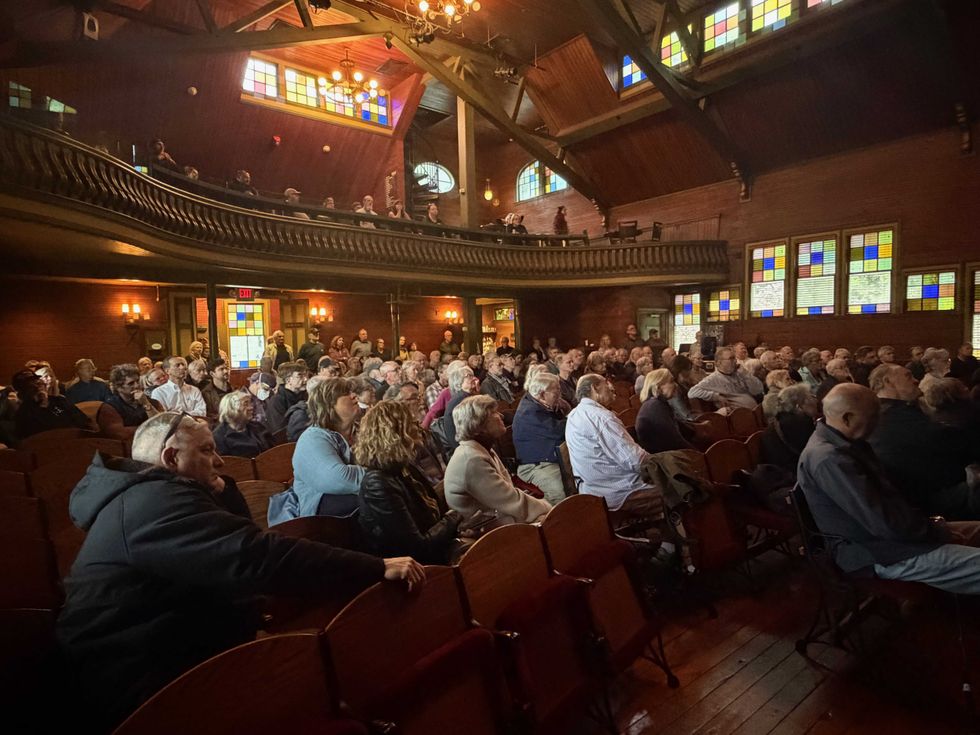
Nearly 200 people packed the wooden seats of Norfolk’s historic Infinity Hall on Thursday, May 14, as David Rosenfeld, owner and founder of Goodworks Entertainment Group, a live entertainment and venue management company, unveiled ambitious plans to restore the restaurant and bar, expand programming and reestablish the venue as a central gathering place for the community.

Since the Norfolk Pub closed on Jan. 31, 2026, the need for a restaurant and evening gathering place has become paramount, and for years residents have wanted Infinity Hall to be more engaged with the community.

Keep ReadingShow less

May Castleberry’s next chapter

May Castleberry’s next chapter

May Castleberry at home in Lakeville.

Natalia Zukerman
Castleberry’s idea of happiness is “looking at a great painting.”

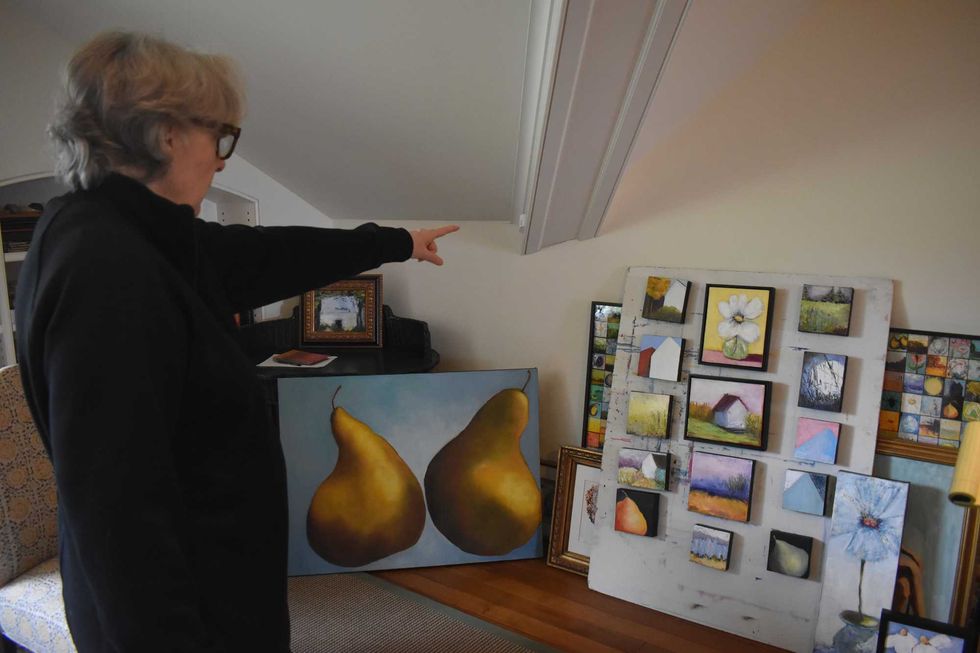
May Castleberry is a ball of sunshine and passion, though she grew up an introverted child, moving with her family from Alberta to Colorado to Texas, finding comfort in mountains, books and wide-open skies. Today, the former art book editor and museum curator has found a new home in Lakeville, where the natural beauty of the Northwest Corner continues to captivate her. Whether walking with friends, painting, reading or visiting beloved local libraries in Salisbury, Norfolk and Cornwall, Castleberry has embraced the region since making her move permanent in 2022, bringing with her a remarkable career shaped by a lifelong love of books and art.

Castleberry grew up in the world of books, and especially art books, and she credits her artist mother, an avid art book collector, with igniting her passions. Castleberry’s high school art teacher in Dallas understood how to teach students to channel their imaginations into books and art.

Keep ReadingShow less
Hoarding 
With Style: Sarah Blodgett’s art of collecting

Sarah Blodgett has turned her passion for collecting into “something larger.”

Photo by Sarah Blodgett

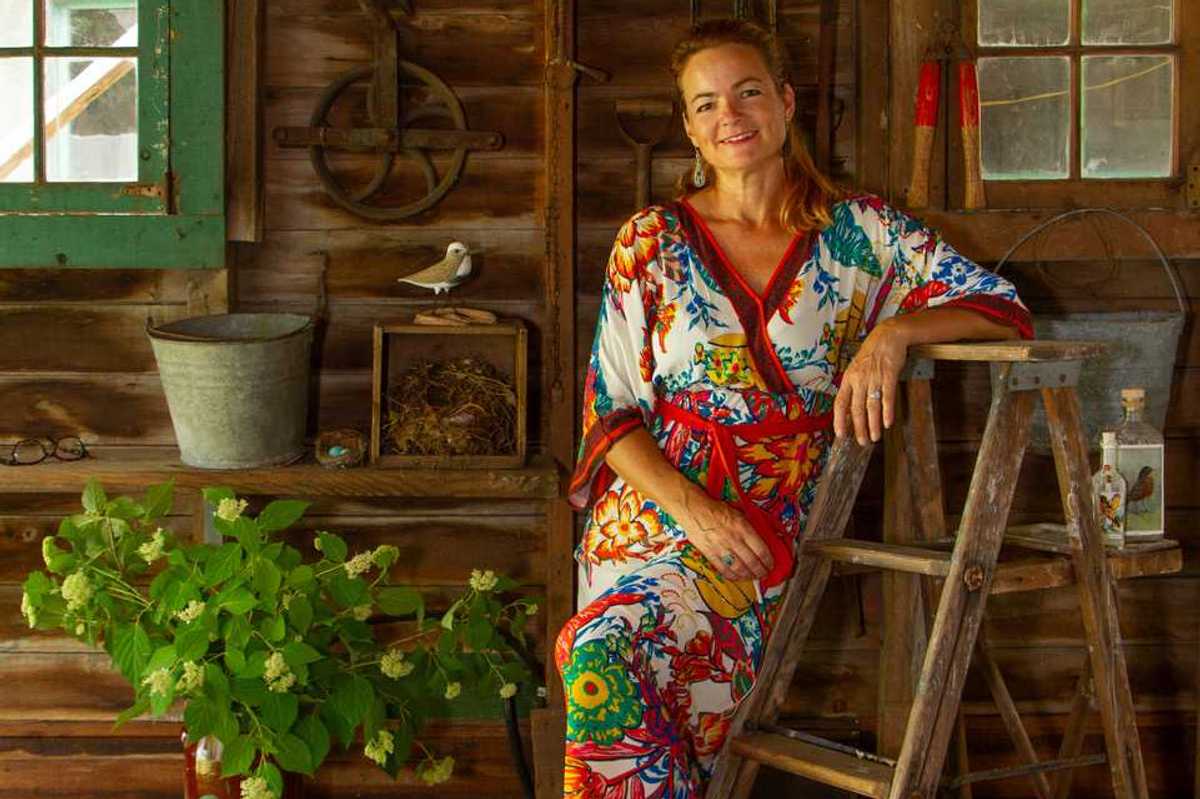
There is something wonderfully disarming about walking into a space where nothing feels overly polished, overly planned or pulled from a catalog — a place where history lingers in the corners, where color is fearless, where the objects on the shelves have stories to tell and where, if you are lucky, a cat named Cinnamon may be supervising the entire operation.

That is the world of Sarah Blodgett.

Keep ReadingShow less
google preferred source

Want more of our stories on Google? Click here to make us a Preferred Source.
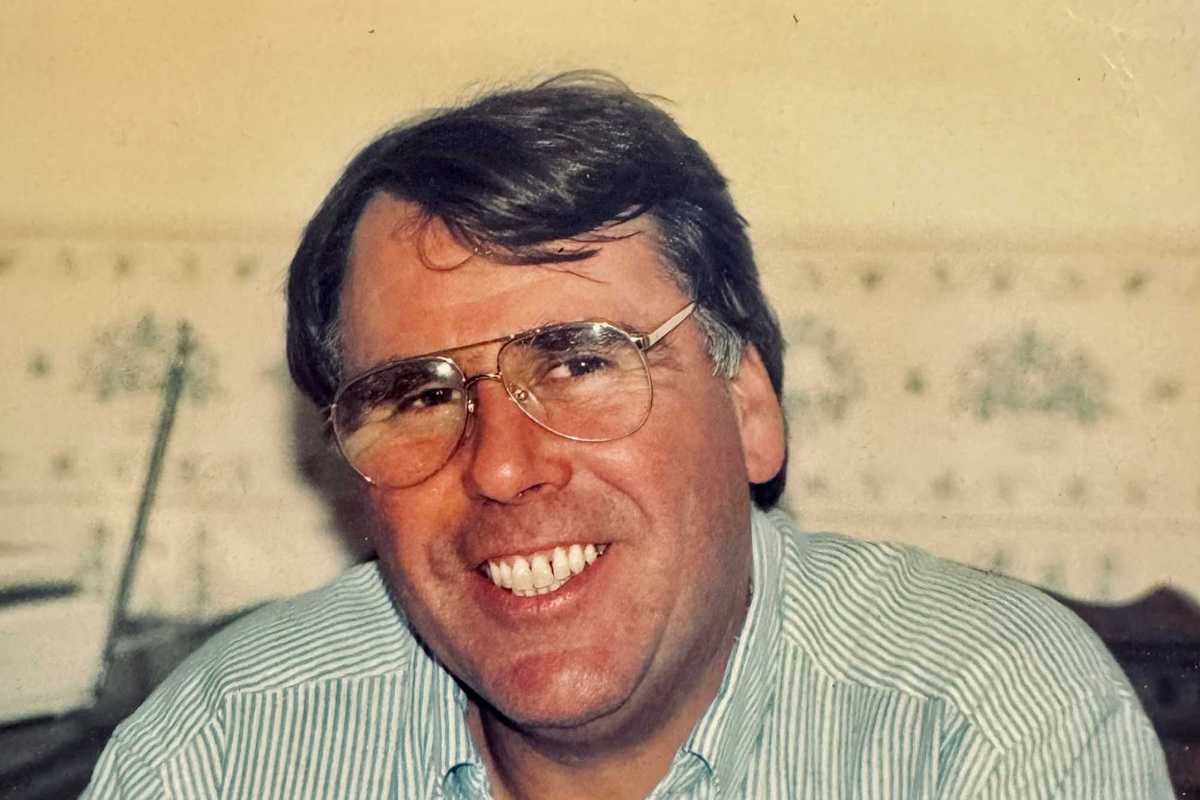
Dr. Paul J. Fasano

Dr. Paul J. Fasano

SHARON — Dr. Paul J. Fasano DDS, of Brewster, Massachusetts, passed away peacefully after a long illness on May 10, 2026, in Boston.

Born in Boston to Philip and Laura (Stolarsky) Fasano on Dec. 13, 1946, he grew up in Dorchester with his two brothers Philip and William.Paul attended the Boston Latin School and graduated from Boston College in 1968.He later completed Dental School at New York University in 1972.

Keep ReadingShow less

David Niles Parker

David Niles Parker

KENT — David Niles Parker, 88, of Middletown, Connecticut, passed away at home on May 6, 2026.

Born January 20, 1938, in Wellesley, Massachusetts, the first child to Franklin and Katharine Niles Parker, David graduated from Wellesley High School, received his undergraduate degree from Wesleyan University, studied at the University of Chicago Divinity School, and earned his master’s in education from Harvard.

Keep ReadingShow less
Janet Andre Block is ‘Catching Light’

Artist Janet Andre Block in her studio in Salisbury.

L. Tomaino

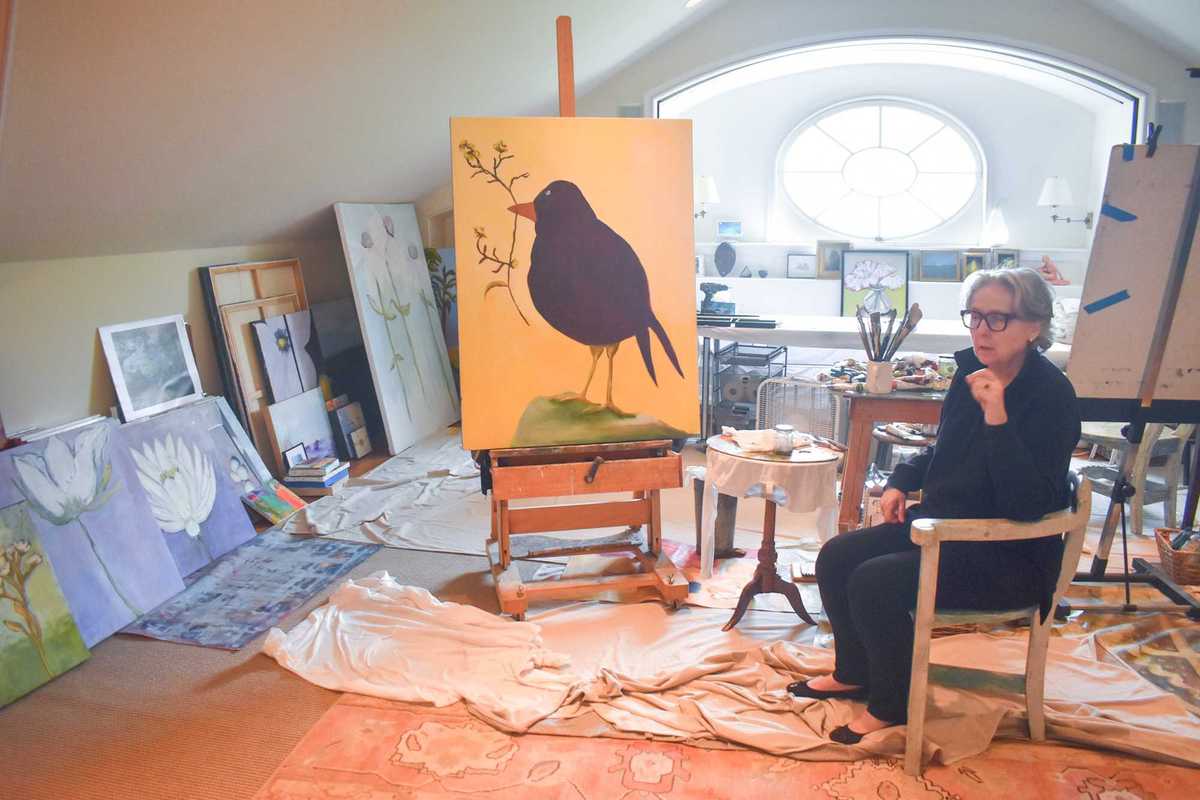
What do Johann Sebastian Bach’s Goldberg Variations, Richard Wagner’s Ring Cycle, Wolfgang Amadeus Mozart’s piano concertos and a quiet room have to do with Janet Andre Block’s work? They are among the many elements that shape how she paints, helping guide her into the layered, luminous worlds she creates on canvas.

Block makes layered oil paintings in rich, deep, misty colors. She developed her technique as an undergraduate at the School of the Museum of Fine Arts at Tufts University and then at New York University, and also time spent in Venice earning a master’s degree in studio art.

Keep ReadingShow less
google preferred source

Want more of our stories on Google? Click here to make us a Preferred Source.
google preferred source

Want more of our stories on Google? Click here to make us a Preferred Source.