

I have a small but real connection to America’s 250th birthday.
My six-times-removed great-grandfather, Elijah Joyce (1752-1804, b. Charlotte County, Virginia, d. Guilford County, North Carolina) fought the British as a Private in the Guilford County North Carolina Militia under Captain Alexander Hunter. He was at the Battle at Moore’s Creek Bridge, February 27, 1776, the first of the Revolutionary War in North Carolina. I do not know how much combat action he saw there. This brief but important battle effectively ended Royal rule in North Carolina (“First in Freedom” is the slogan on NC license plates). Elijah’s Continental Army pension stubs are in the State Archives in Raleigh.
I don’t take inordinate personal pride in this knowledge, but it is interesting. I can’t really know how Elijah viewed his service. It may be unfair to judge an ancestor’s actions through our knowledge of subsequent history. I suspect he knew Patrick Henry, as they were neighboring landowners in Virginia. I imagine Elijah scorned the British, given the bad treatment they had given his ancestors in the lowlands of Scotland and later in Ireland. Perhaps he wanted ‘the English’ just to get out of his immigrant father’s new home land. Elijah did not die in the fight for Independence, but probably of natural causes years later. He is likely buried somewhere on the land his father purchased along the Mayo River in North Carolina, but the exact location of his grave is not known. I do not know if he was wounded in battle. I will note and remember the man named Crispus Attucks (of both African and Wampanoag descent), the first person killed in confrontation at the Boston Massacre, and many Patriots after.
Branches of my family tree in America reach back to the 1640s in Virginia. Some people would call me a ‘Heritage American,’ a term I have no use for. There were already people from West Africa in the same colony who had arrived as early as 1619, in chains. And of course, there were the Powhatan, who had lived on that same land for perhaps 12,000 years.
Part of Elijah’s military service under Captain Hunter, perhaps the major part, involved attacks on the Cherokee (Tsalagi) people of western North Carolina. In response to colonist uprisings the British encouraged Native tribes to attack white settlements in western North Carolina, and then abandoned the tribes. Patriot militia retaliated against the tribes in the summer of 1776. In the 18th century, the Tsalagi Nation was huge, stretching across what is now western North Carolina, South Carolina, Tennessee, and Georgia. The Tsalagi were a highly developed society with a complex knowledge of their own history, language (Kituwah), and spiritual practice. The near complete extermination of this civilization by European settlers was a crime against humanity, a stain on our culture. Much as we might wish, we cannot change that history, but we should not forget it happened.
Now, here we are, Americans. Descendants of the Tsalagi, Mohican. Bantu, Igbo, Ashanti. Scots. Irish. Jews. Maya. Spanish. French Huguenots. Filipinos. Vietnamese. And many more.
The battle for independence we still must fight is the one against any notion that we not one people. Now, perhaps more than ever before in our history we need to act in solidarity.
Jeff Joyce is an artist who lives in Sharon.

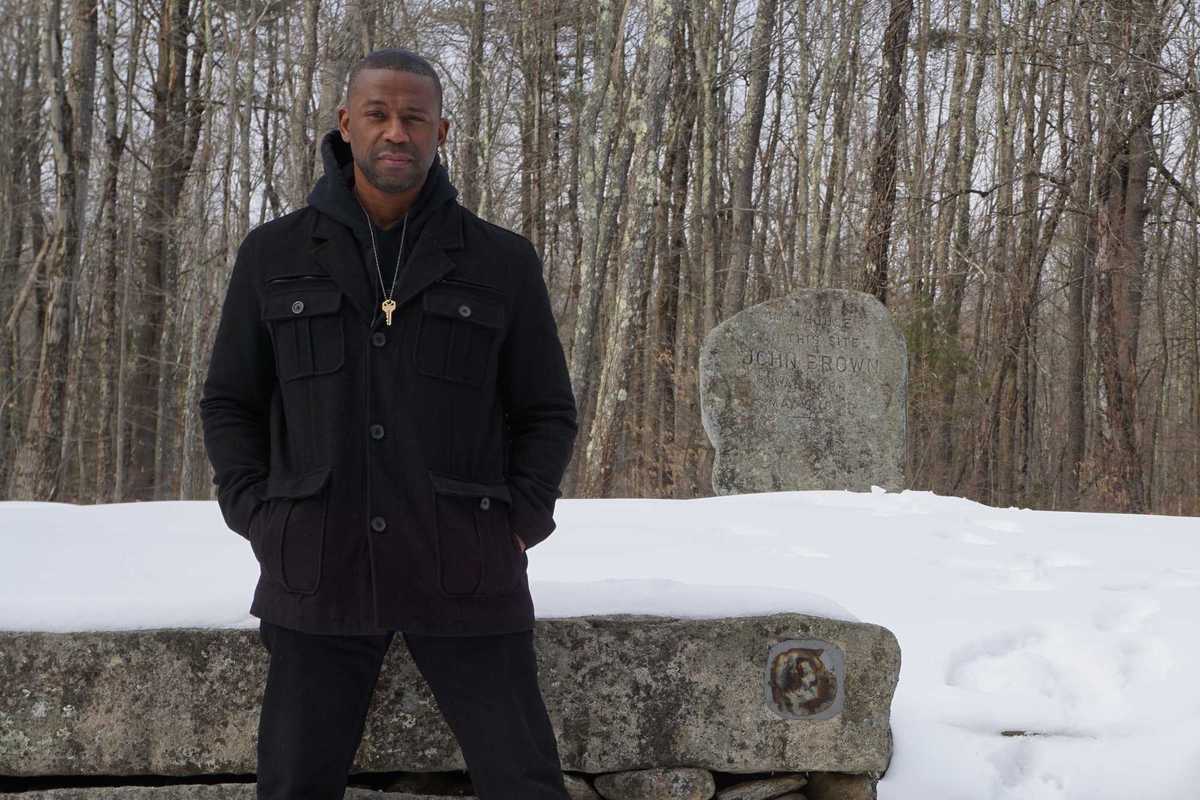
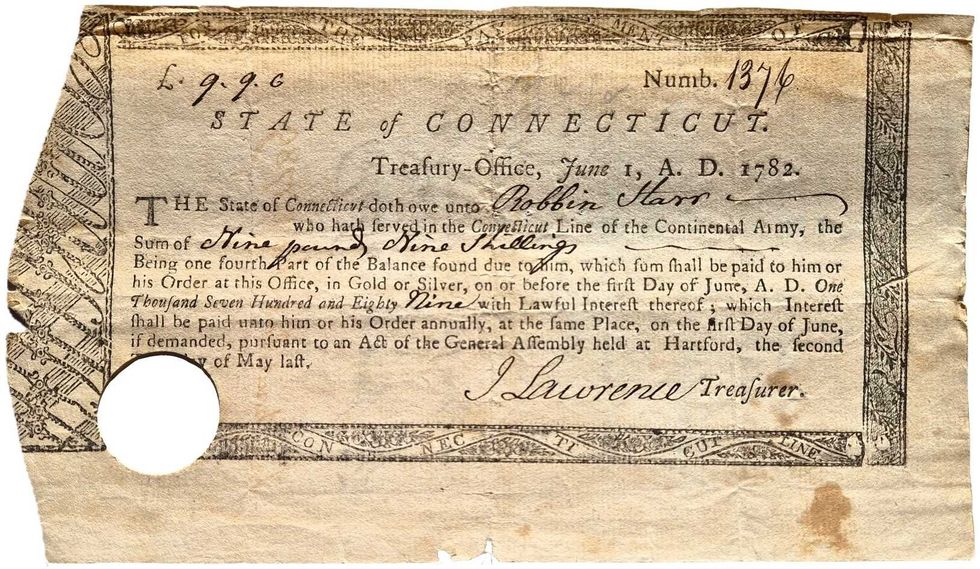 Pay Bill for Robin Starr’s service in the Continental Army.Courtesy the Alex Breanne Corporation
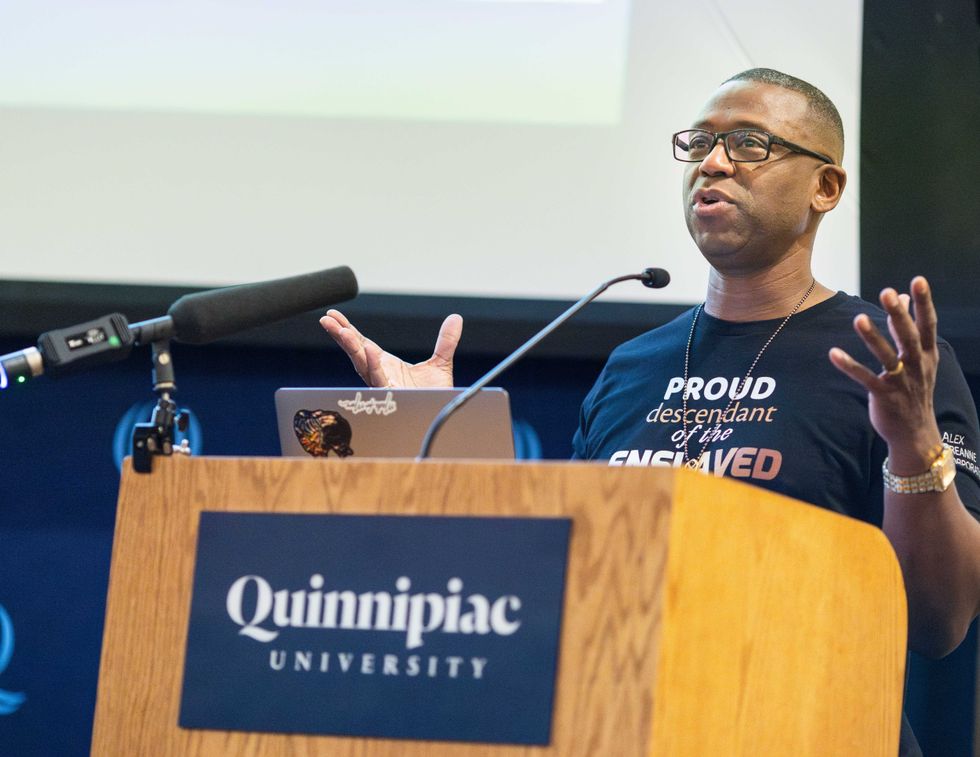 John Mills speaking at Quinnipiac University.Courtesy the Alex Breanne Corporation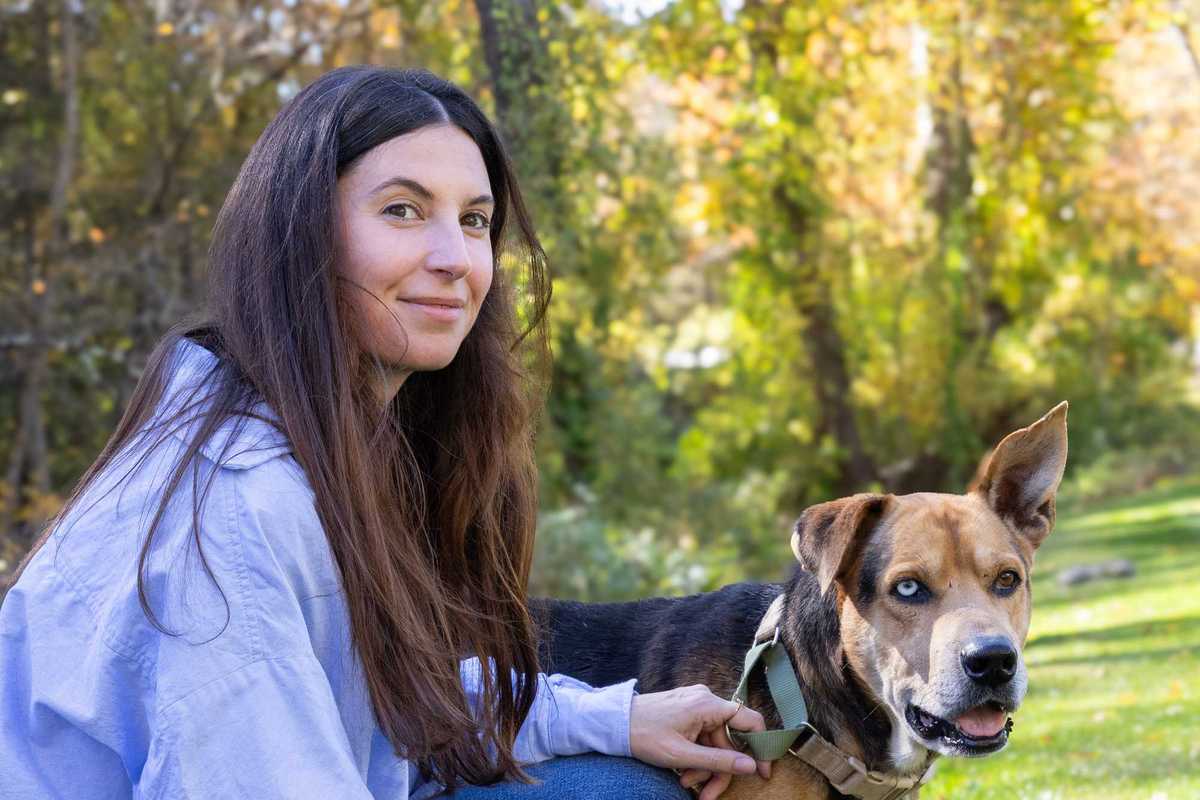
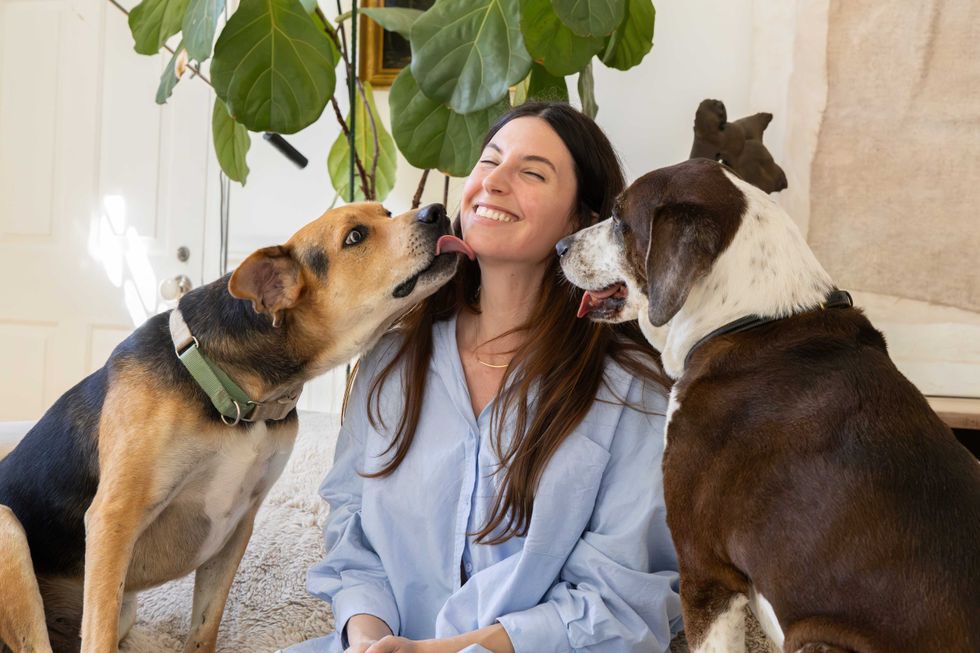 Stephanie Saetta,with her rescue dog George and Blue (left), a shepherd mix awaiting his forever home.Madi Long
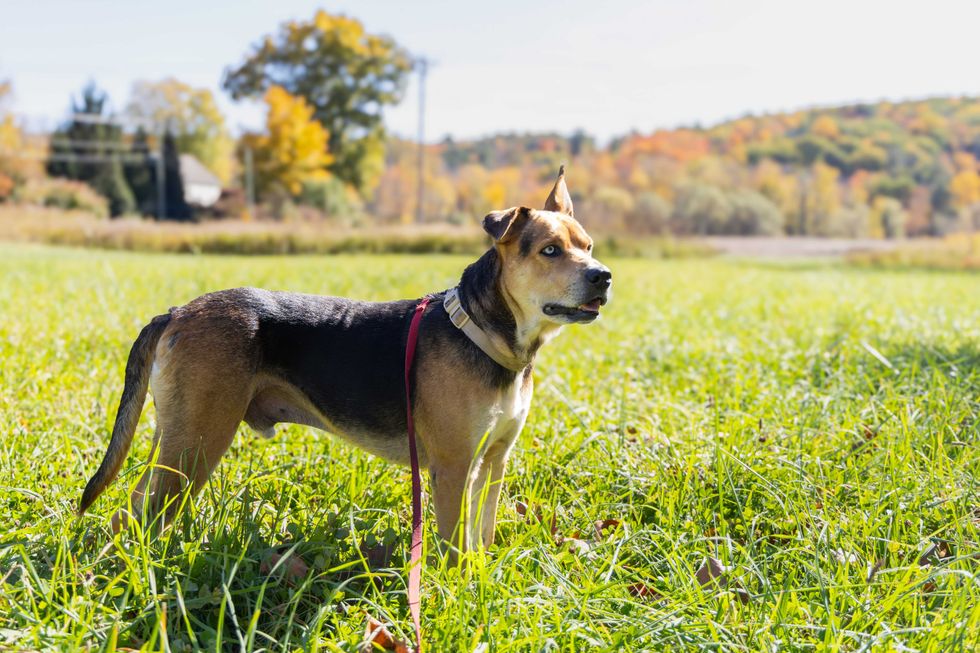 Blue, a 7 year-old Shepard mix, is waiting for his forever home. Madi Long


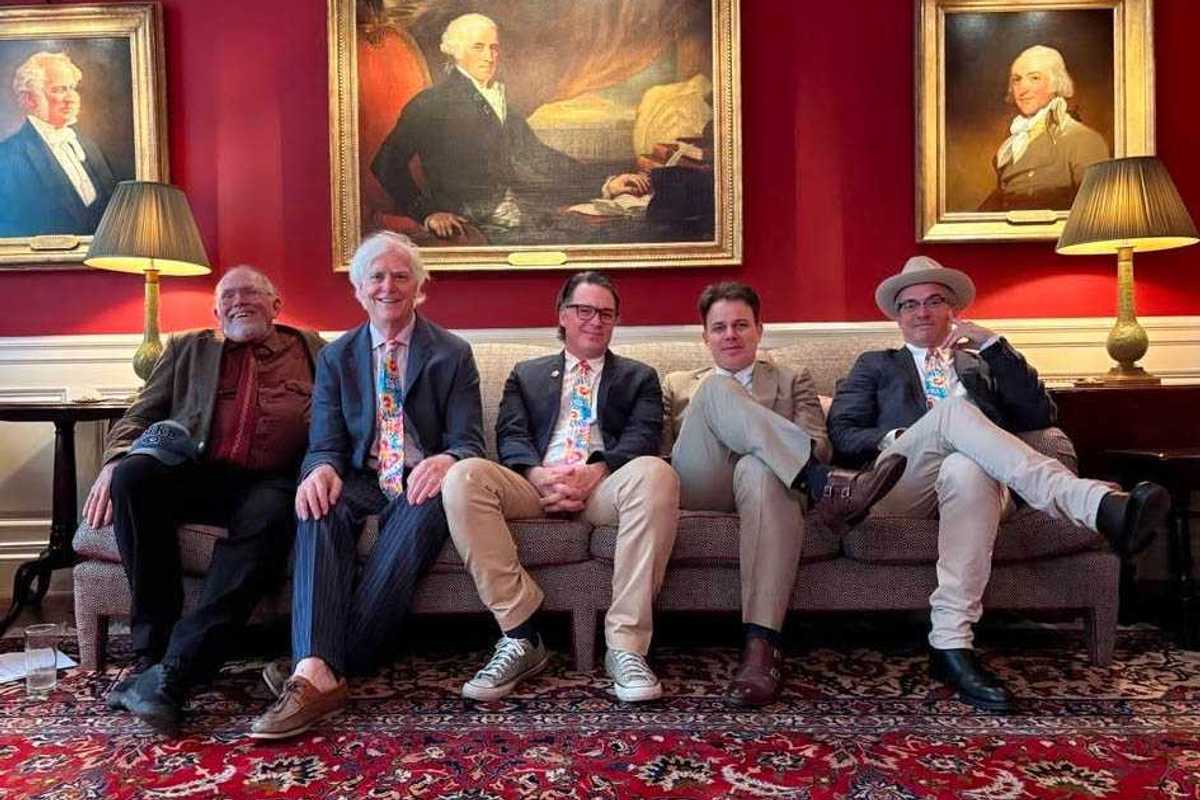




America’s 250th anniversary