Latest News
Kent P&Z closes High Watch hearing, continues deliberations
Alec Linden
Feb 19, 2026
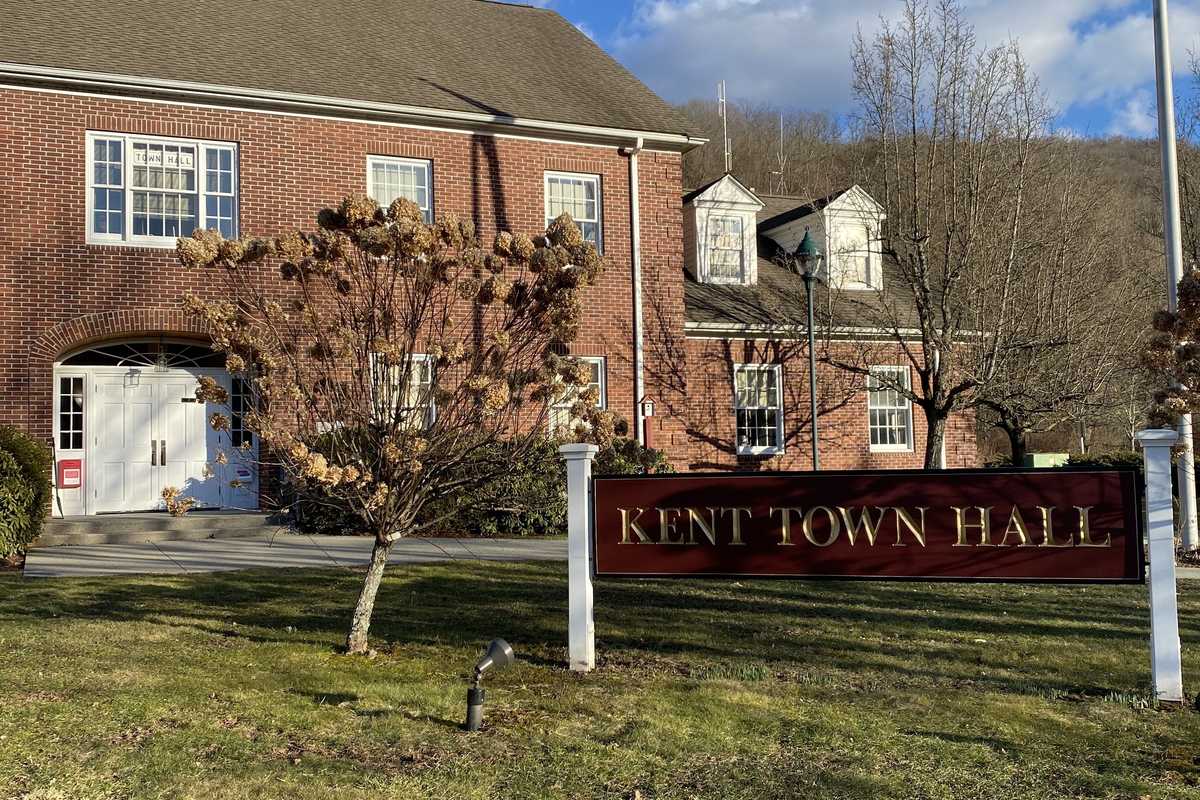
Kent Town Hall, where the Planning and Zoning Commission closed a public hearing on High Watch Recovery Center’s permit modification request on Feb. 12
Leila Hawken
KENT — The Planning and Zoning Commission on Feb. 12 closed a long-running public hearing on High Watch Recovery Center’s application to modify its special permit and will continue deliberations at its March meeting.
The application seeks to amend several conditions attached to the addiction treatment facility’s original 2019 permit. High Watch CEO Andrew Roberts, who first presented the proposal to P&Z in November, said the changes are intended to address issues stemming from what he described during last week's hearing as “clumsily written conditions.”
Neighbors have argued throughout the extended hearings that the proposed revisions amount to an undue expansion of the recovery center on rural Carter Road.
Among the changes originally proposed — but since withdrawn — was the addition of two beds to the detox unit. Another withdrawn proposal would have removed a rule barring the facility from admitting people in police custody or those ordered by a court to undergo treatment. Additionally, High Watch has withdrawn its request to eliminate the requirement that local officials be notified if a client leaves the campus without authorization.
The application still seeks to allow the facility to accept patients outside regular hours under unusual circumstances, while preserving P&Z’s authority to enforce standard admission hours if deemed necessary. The most controversial remaining request is the creation of a lecture hall for “staff education” that may include speakers and guests from outside the organization.
Despite the modifications, neighbors continue to voice objections.
Jeremiah O’Brien, whose property abuts High Watch, said he believes the organization has gradually exceeded prior limits.
“It’s been, if we give an inch they take a mile,” O’Brien said at the hearing, referencing what he described as past transgressions by the nonprofit, including the cutting down of trees years ago above Kent Falls.
Roberts apologized for any past wrongdoing and said his appearance before P&Z with the application is an effort to right past wrongs.
Karen Altfest, a Carter Road resident, described the management of the rehab center as “disingenuous” and the facility as “not a good neighbor.”
Annette Koberlein-James said the organization has grown beyond what she expected for the area.
“Nobody on this road bought their home to live next to such an ever-expanding, growth-focused organization,” she said. She acknowledged that the facility seeks to provide quality services and good jobs but added that “it has reached a tipping point that’s very real.”
Other residents offered a more supportive perspective. Lili Mason pointed to initiatives that have benefited the community, including Wilson’s Café on Main Street, which was established by the organization, and a vaccine clinic High Watch opened during the COVID-19 pandemic.
“It’s no longer the little place on the hill, which was adorable and sweet,” she said, “but is it really infringing that much on the neighbors?”
Ziska said the modified application generally reflects his recommendations but emphasized that P&Z is under no legal obligation to amend the original conditions and may accept or reject the request as it sees fit.
Keep ReadingShow less
Kent committee to review Swift House options
Alec Linden
Feb 19, 2026
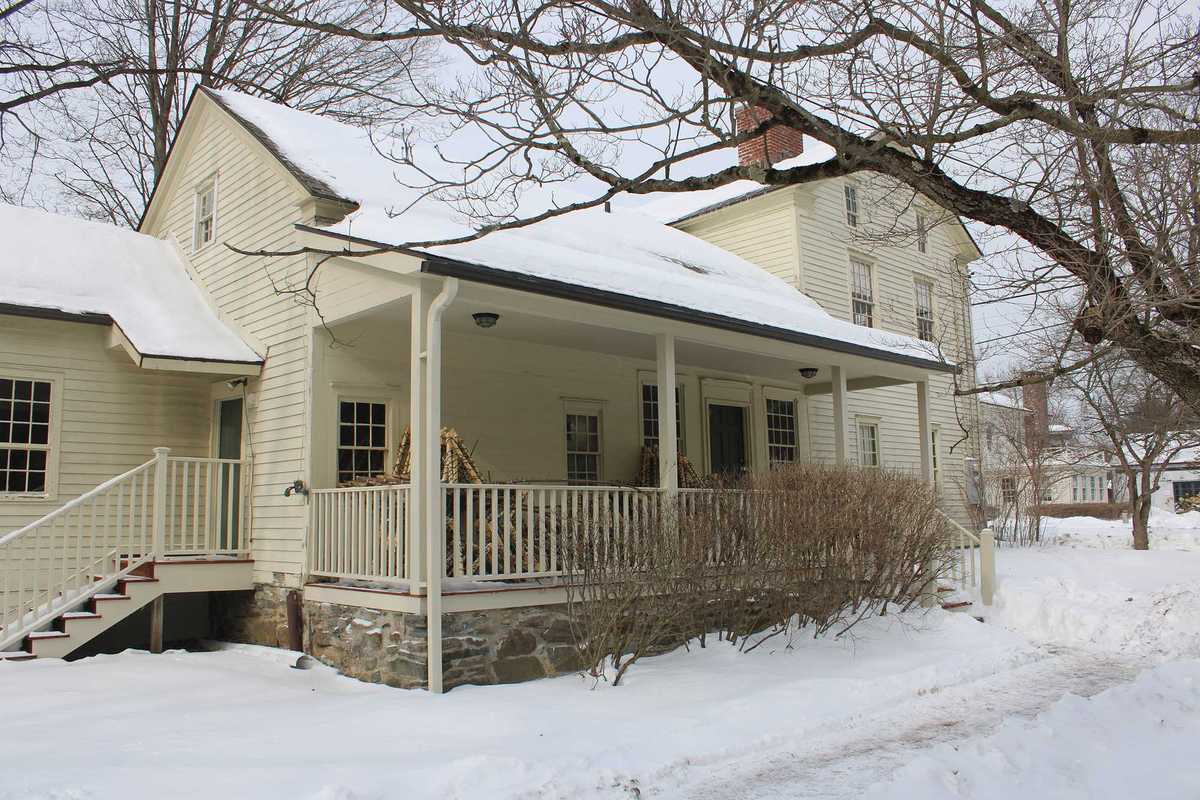
The Swift House in Kent has been closed to the public since the COVID-19 pandemic. A newly appointed town committee will review renovation costs and future options for the historic property.
Alec Linden
KENT — Town officials have formed a seven-member committee to determine the future of the shuttered, town-owned Swift House, launching what could become a pivotal decision about whether Kent should invest in the historic property — or divest from it altogether.
The Board of Selectmen made the appointments on Wednesday, Feb. 11, following recent budget discussions in which the building’s costs and long-term viability were raised.
The Swift House has been closed to the public since the COVID-19 pandemic. Its future has sparked debate among residents, with some viewing the property as a taxpayer burden requiring costly upgrades and others considering it a distinctive community asset central to Kent’s character and history.
Selectman Lynn Harrington will represent the BOS on the newly formed Swift House Investigation Committee. Jason Wright was appointed as the representative from the Board of Finance.
Five members of the public were also named to the panel: William Reihl, Margie Austell, Jim Anderson, Chris Adams and Marge Smith.
Anderson serves on the Historic District Commission. Adams is the newly appointed director of the Kent Historical Society, and Smith is the organization’s former director and current curator. The Historical Society is exploring the possibility of placing the Swift House on the National Register of Historic Places.
The committee has been charged with evaluating renovation and upgrade options — including costs associated with bringing the building into compliance with the Americans with Disabilities Act — and determining what it would take to return the property to active use.
The panel will also examine options for selling or otherwise transferring the property out of public ownership should the town decide to divest.
The committee must present its findings by April 30, a deadline intended to allow potential budget adjustments ahead of Kent’s May budget hearing and vote.
Keep ReadingShow less
Kathleen Rosier
Lakeville Journal
Feb 18, 2026

CANAAN — Kathleen Rosier, 92, of Ashley Falls Massachusetts, passed away peacefully with her children at her bedside on Feb. 5, at Fairview Commons Nursing Home in Great Barrington, Massachusetts.
Kathleen was born on Oct. 31,1933, in East Canaan to Carlton and Carrie Nott.
Kathleen retired from Housatonic Curtain Company where she was a machine operator for many years.
She was predeceased by her husband of 65 years, John A.Rosier Sr., her son John A Rosier Jr., her son Frank H. Rosier and her brother Jerome Nott.
Kathleen leaves behind her son, Brian Rosier and his wife JoEllen of East Canaan, her daughter, Theresa Morin of Ashley Falls, her daughter, Lisa Dawson of Great Barrington, a brother Henry Nott, her sister Ann Percy, 11 grandchildren, nine great grandchildren and many nieces, nephews and friends.
There will be a celebration of life held in her honor on Feb. 21 from 1 to 4 p.m. at the Bitterman Center in North Canaan. All are welcome to come.
Keep ReadingShow less

Want more of our stories on Google? Click here to make us a Preferred Source.
Carolyn G. McCarthy
Lakeville Journal
Feb 18, 2026
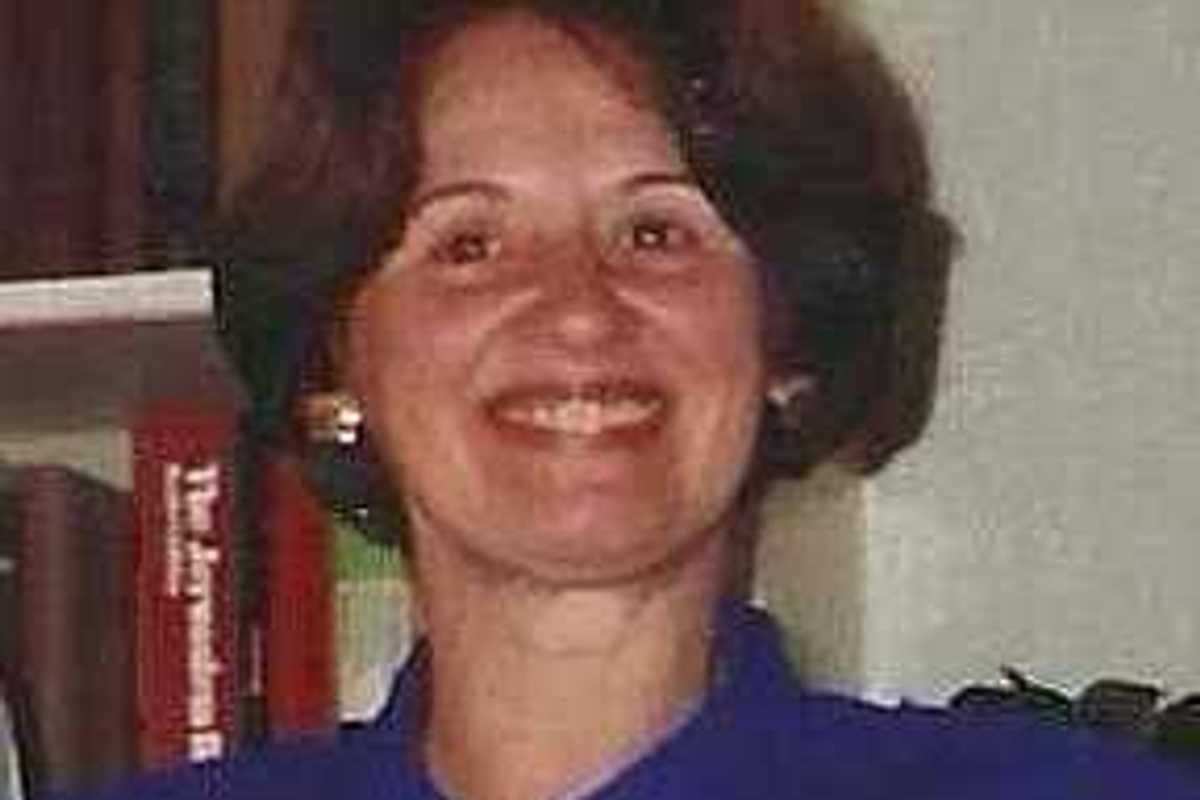
LAKEVILLE — Carolyn G. McCarthy, 88, a long time resident of Indian Mountain Road, passed away peacefully at home on Feb. 7, 2026.
She was born on Sept. 8, 1937, in Hollis, New York. She was the youngest daughter of the late William James and Ruth Anderson Gedge of Indian Mountain Road.
Carolyn’s first job out of high school was at the Time and Life building in Manhattan, New York. In 1956, she went on to work for Capital Airlines until they disbanded.
She began banking in White Plains, New York, where she met her husband Edward James McCarthy. They started their family and relocated to Pleasant Valley, New York. She then returned to banking in Poughkeepsie, New York and later pursued real estate.
Carolyn was very creative and enjoyed home making, gardening, sewing, knitting, cooking and baking. Her Christmas cookies were always remarkable. She had a pioneer spirit and embraced the toil of yard chores. She was very independent and at 87 she still shoveled the driveway in the winter, mowed the grass, trimmed the bushes, raked the leaves and dragged the brush. She took pride in the manicure of the grounds where she resided.
Carolyn was a wonderful mother who had an enormous heart. She loved all animals, wild or tame. She will be dearly missed by her family and the people that knew her.
She is predeceased by her husband Edward McCarthy Sr. and her brother Dr. Stafford Gedge of Minnesota.
She is survived by her son, Edward (Anne) McCarthy of Greenfield, Massachusetts, and grandsons James and Theodore, son Sean McCarthy of Oak Hill, New York, sister Nancy Dougherty of South Carolina, nieces Lynn Warner, Debra Phillips, Susan Nelson, Christine Richards and nephews William, James and Robert Gedge.
A private service will be held at a later date.
The Kenny Funeral Home has care of arrangements.
Keep ReadingShow less
Ronald Ray Dirck
Lakeville Journal
Feb 18, 2026
SHARON — Ronald Ray Dirck, affectionately known as Ron, passed away peacefully with his family at his side on Jan. 17, 2026, in Phoenix, Arizona, at the age of 85. Born on Jan. 31, 1940, in Sedalia, Missouri, Ron lived a life filled with warmth, laughter, and deep devotion to his family.
Ron shared an extraordinary 62-year marriage with his high school sweetheart and beloved wife, Jackie. Their enduring partnership was a shining example of living life to the fullest.
Ron served his country as a captain in the US Marine Corps, flying helicopters during the Vietnam War. He then flew commercially for TWA for 25 years, both domestically and internationally. He finished his flying career with Nippon Cargo Airlines. Ron enjoyed the outdoors and enjoyed taking care of their beloved Sharon, home for more than 50 years. He was also an avid builder and enjoyed his many projects over the years.
In retirement, Ron and Jackie split time between Sharon, and Phoenix, Arizona, before settling full-time in Phoenix two years ago. Ron loved his evening cocktails with Jackie and their many friends, as well as a hand or two of gin rummy.
He was a devoted father to Melissa Dirck Appel and her husband, Jeff Appel, and Patrick Dirck and his wife, Lisa Dirck. He carried the memory of his son Kevin with enduring love throughout his life. His legacy continues through his cherished grandchildren; Alexandra, Caroline, Emma, Natalie, Evan, Cooper, Elle, and Tanner. Ron is also fondly remembered by his brother, Jim and wife Lena.
Ron had a tender heart for animals. The loyal companionship of his beloved dogs Mini and Mae brought him comfort and joy over the years.
He was preceded in death by his wife, Jackie, and parents, Raymond and Gladys Dirck.
In honor of Ron’s love of animals, the family asks that, in lieu of flowers, donations be made to The Aussie and Friends Rescue, www.aussiefriendsrescue.com.
His light lives on in the hearts of all who knew him. May his memory continue to bring comfort and smiles to those he touched.
A private celebration of life for the family will be held at a later date.
Keep ReadingShow less
Linda Lyles Goodyear
Lakeville Journal
Feb 18, 2026
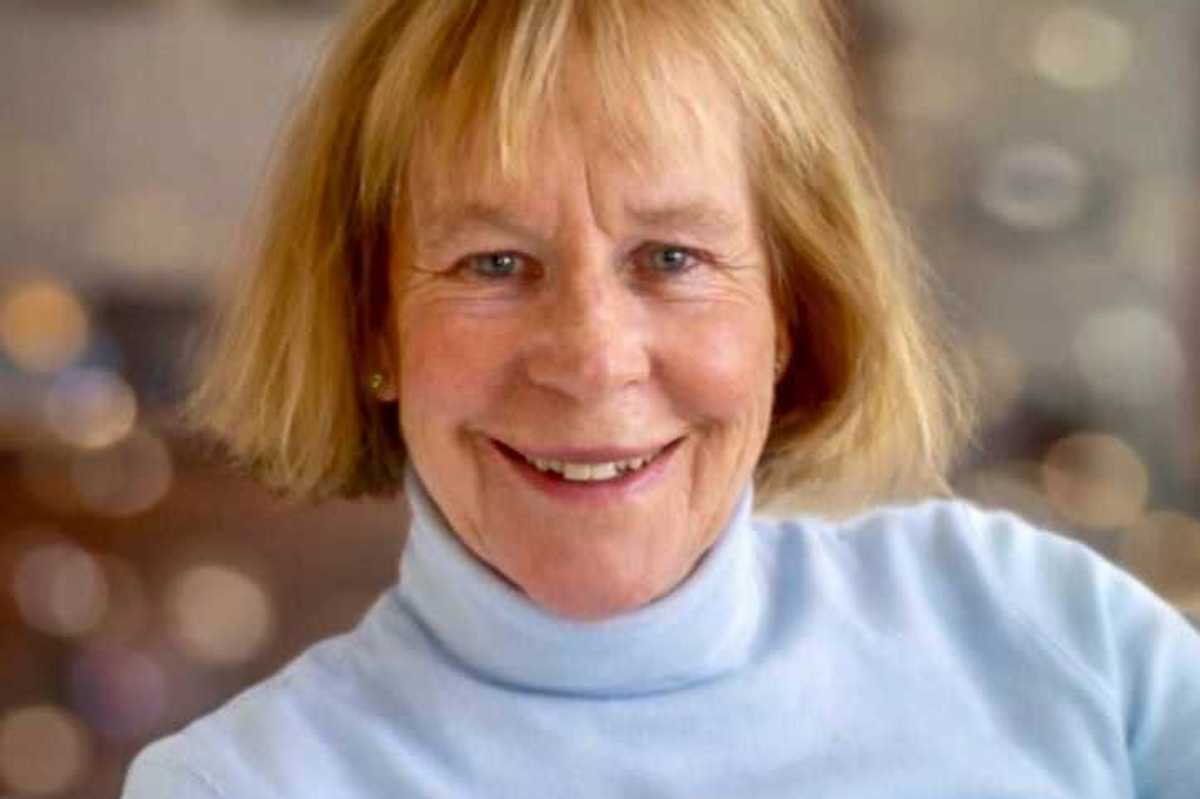
CANAAN — Linda Lyles Goodyear was born in Bronxville, New York, on June 17, 1936, to Molly Gayer Lyles and James Adam Lyles. She died peacefully in her sleep on Feb. 4, 2026, of complications from dementia. As a child she spent her summers with her parents and sister, Sally, in Canaan at the family’s home along the Blackberry River that was built in 1751 by her relative, Isaac Lawrence. Linda met the love of her life, Charles (Charlie) W. Goodyear, during her Bennett College years, and after graduating they married on Aug. 4, 1956.
The two lived a busy life, raising three children and moving to 10 different states over the course of Charlie’s 43 year career with Exxon Mobil. Every two years Linda was setting up a new home, navigating new school systems with her kids and getting involved in volunteer activities.
Linda was active with the Junior League in Houston, Texas, served as Chairperson of the Darien, Connecticut, Green Team for many years and spent many hours helping at the “60+” Senior Center and the Darien Bird Sanctuary. The Town of Darien recognized Jan. 14, 2019, as Linda Goodyear Day for her accomplishments, dedication and loyal service to the town and its environmental causes.
Her other interests included photography and printing in a darkroom she set up at home, growing roses, playing piano, and sewing. Linda loved hosting parties and for decades she and Charlie held a Fourth of July gathering at their home which was the hit of the neighborhood, and was characterized by warm hospitality and Linda’s creative, patriotic outfits.
Charlie and Linda were very active throughout their lives, traveling the world and participating in many sports including alpine skiing, running, hiking, canoeing, biking and tennis.
In 1998, they built a vacation home in Hailey, Idaho, as a family gathering place for their children, grandchildren and great-grandchildren. Linda loved the beauty of the mountains and the opportunity to be in nature every day, but she especially loved being the matriarch of her ever-growing family.
Linda was very outgoing, and made new friends all over the world - people were drawn to her lovely smile, generous spirit and witty sense of humor. She was an incredibly caring person with boundless energy, a heart for service and love for others. Even in her final days her nurses and caregivers noted how sweet she was and how much she made them smile.
She is survived by her husband of almost 70 years, Charlie; her children, Chip (Elizabeth) Goodyear, Jim (Mary) Goodyear and Molly Goodyear; her eight grandchildren; Charlie (Ellen) Goodyear, Adelaide Goodyear & fiance Alastair Sharp, Will (Jenny) Goodyear, Robert (Kacie) Goodyear, Annie (Spencer) Gorham, John Goodyear, Peter Wolter and Ella Wolter; three great-grandchildren, and her nieces Deb (Jim) Edwards, Amy (Bob) Clark and Chris (Ruth) Rees. She was preceded in death by her parents, James and Molly Lyles, and her sister, Sally Rees. She leaves behind many other relatives and friends who will miss her dearly.
In lieu of flowers, donations may be made to the National Multiple Sclerosis Society or a charity of your choice.
Keep ReadingShow less
Want more of our stories on Google? Click here to make us a Preferred Source.
loading