Sweet red strawberries from California have been at grocery stores for weeks now, and soon we will begin to see the smaller, tarter local berries.
Even though strawberry is my favorite jam flavor, I rarely make it. But this year I figured out a berry preserve “cheat” that is delicious even if it’s not perfect.
A really good strawberry preserve is thick and sweet. That’s what you’ll get if you use raspberries for this recipe.
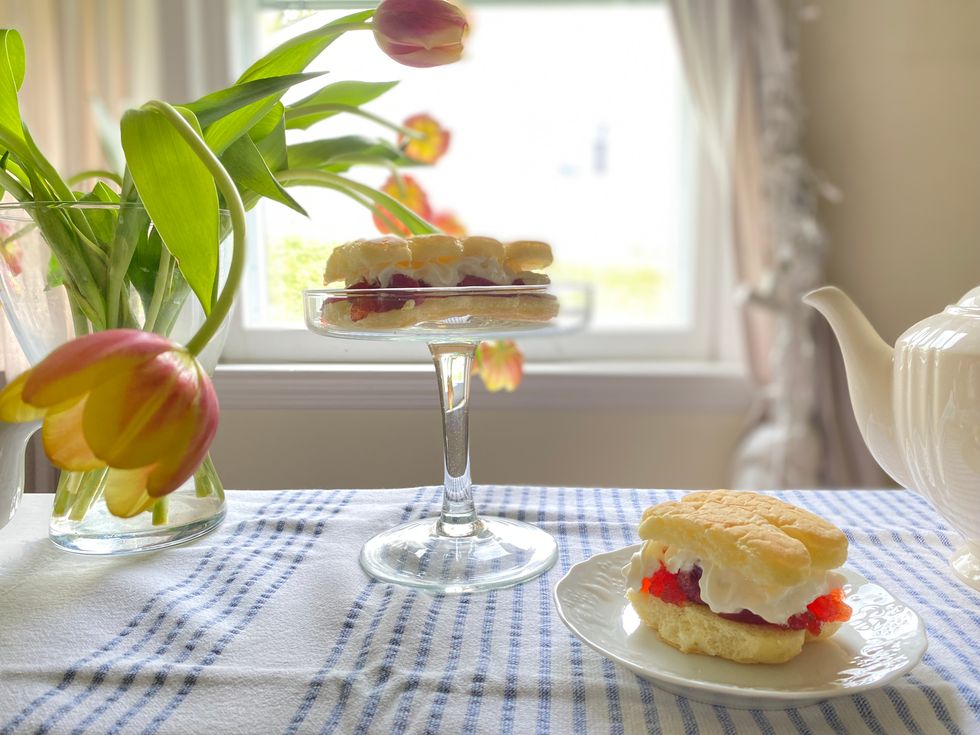
If you use strawberries, you’ll get more of a gel than a jam — which in fact makes a perfect filling for strawberry shortcake, the kind you make with golden cake or with the delicate little ladyfingers that you can find in the produce departments at most groceries at this time of year.
This is more of a technique than it is a recipe; the quantities will vary. I find that I never finish an entire box of strawberries before the berries begin to soften. That makes them less fun to nibble on but once they’re ultra ripe it’s the perfect time to preserve them.
This jam takes literally about 10 minutes to make. And the little shortcakes take another five. If you make a lot of strawberry jam, then spread it over the flat side of one golden cake. Cover the jam with whipped cream (the stuff from the can is fine!). Cover with the other cake (most cake mixes give you two cakes).
For a smaller amount, do the same thing with ladyfingers instead of cake.
One of the nice things with this jam is that you don’t need much sugar to make it “jam.” I’ve made this recipe with a half cup of sugar and it tastes splendid.
Ten-minute berry jam
4 cups of berries, fresh lemon juice, up to 2 cups of sugar, 1 pack of powdered gelatin (I used Knox; if you prefer a vegetarian option you can use Japanese agar agar, which is made from seaweed)
Pour a half cup of warm water on a small plate. Sprinkle the gelatin evenly over it. Set aside.
Put the berries in a small non-metallic pot with the sugar and a few squeezes of lemon juice. Bring to a gentle simmer and continue to cook for about 5 minutes, while the gelatin “gels” with the water.
Remove the berries from the stove and gently slide the gelatin into the pot and gently mix them together.
Put in a jar or bowl, cover and leave in the refrigerator overnight, trying your best not to move or shake it.


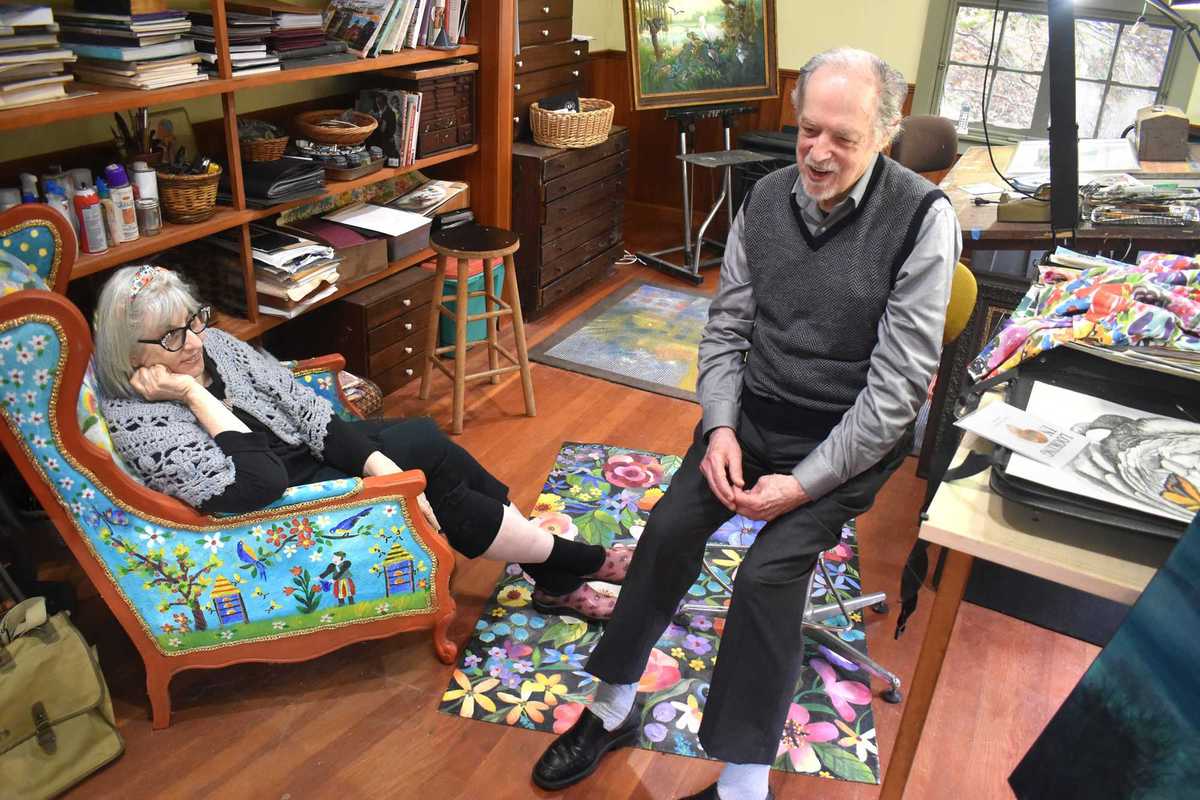
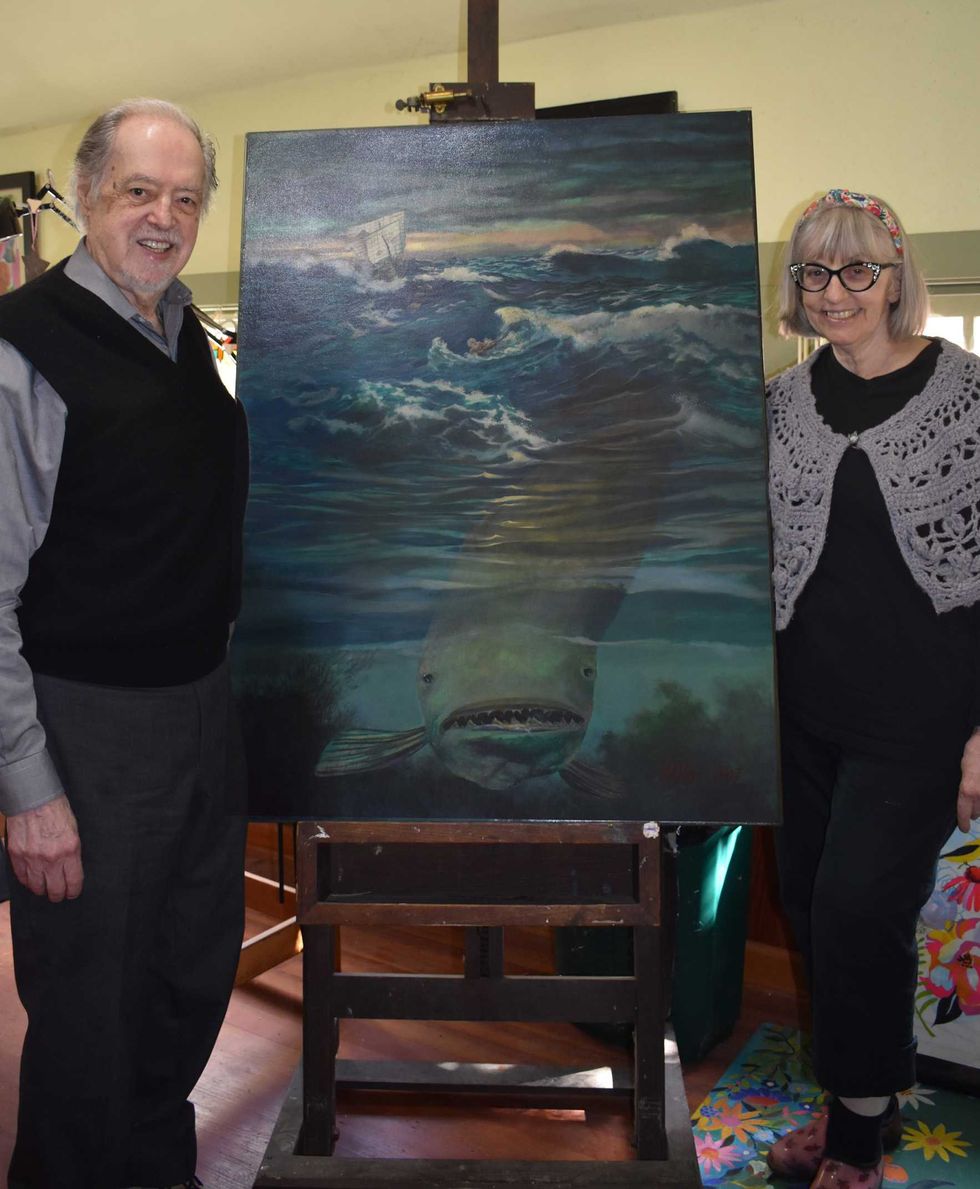 Justine and Victor Valla in their studio with a painting of Victor’s,”Jonah and the Whale.” Robin Roraback

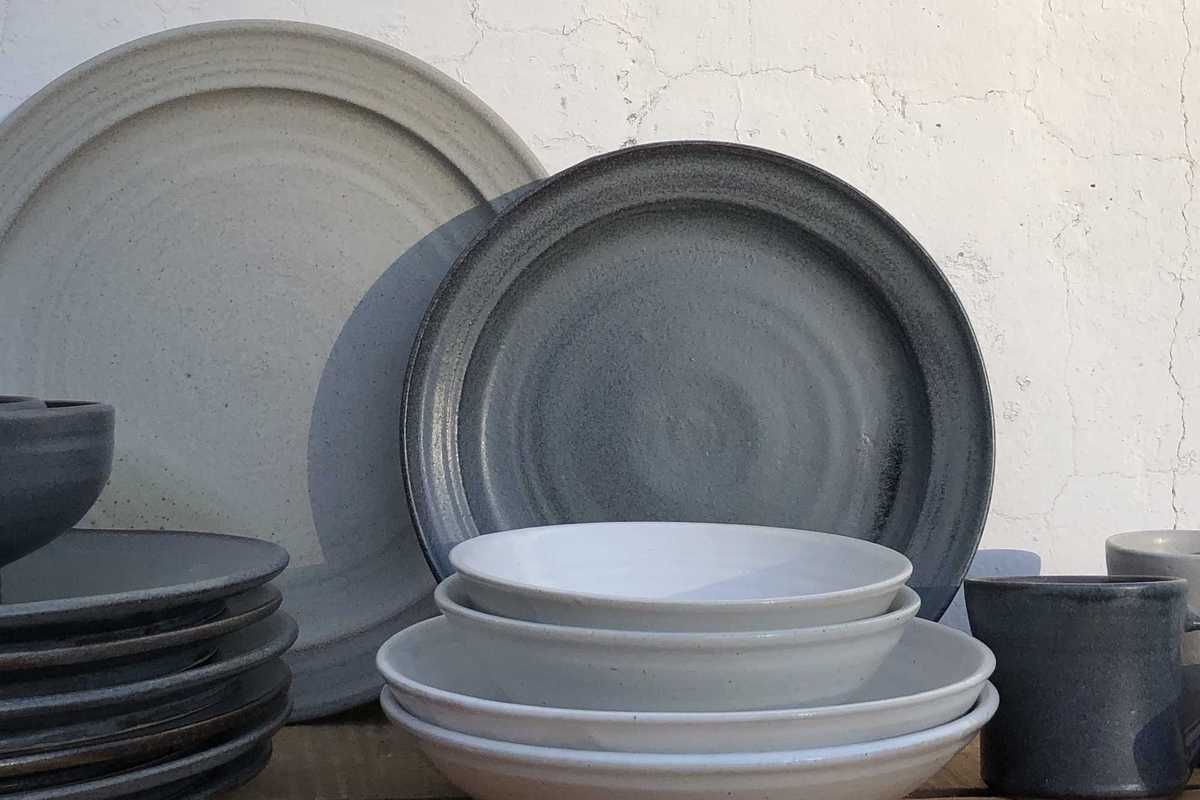
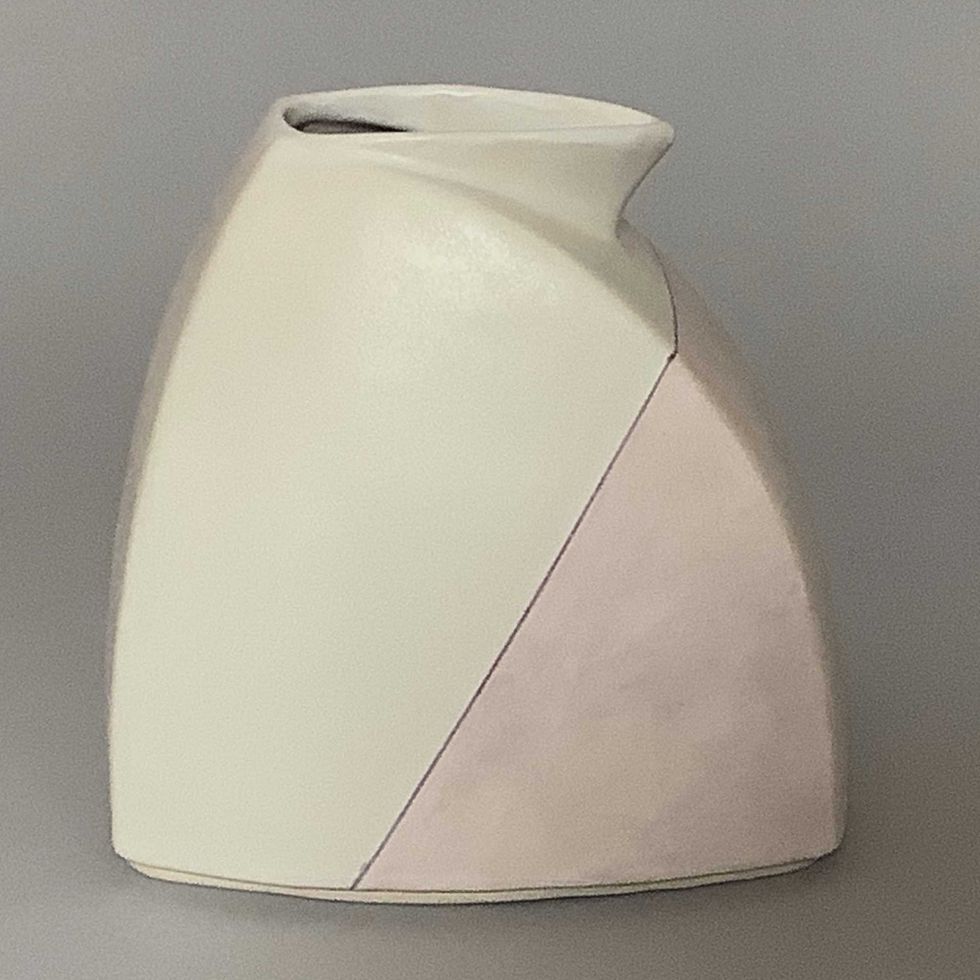 A ceramic vase by Kathleen Heidemann.Provided
 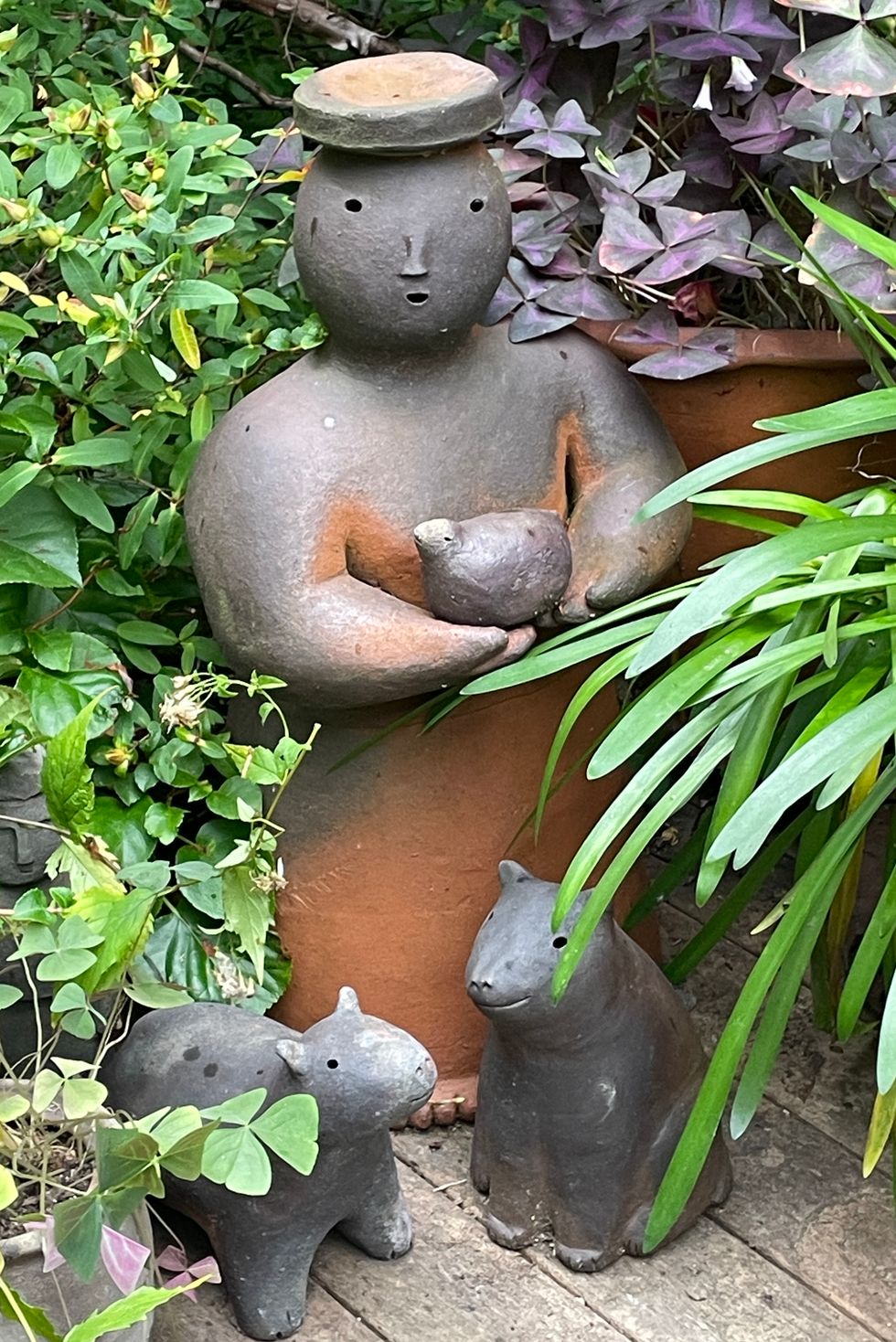 Joy Brown’s delightful ceramic sculptures.Provided