Designing for wellness
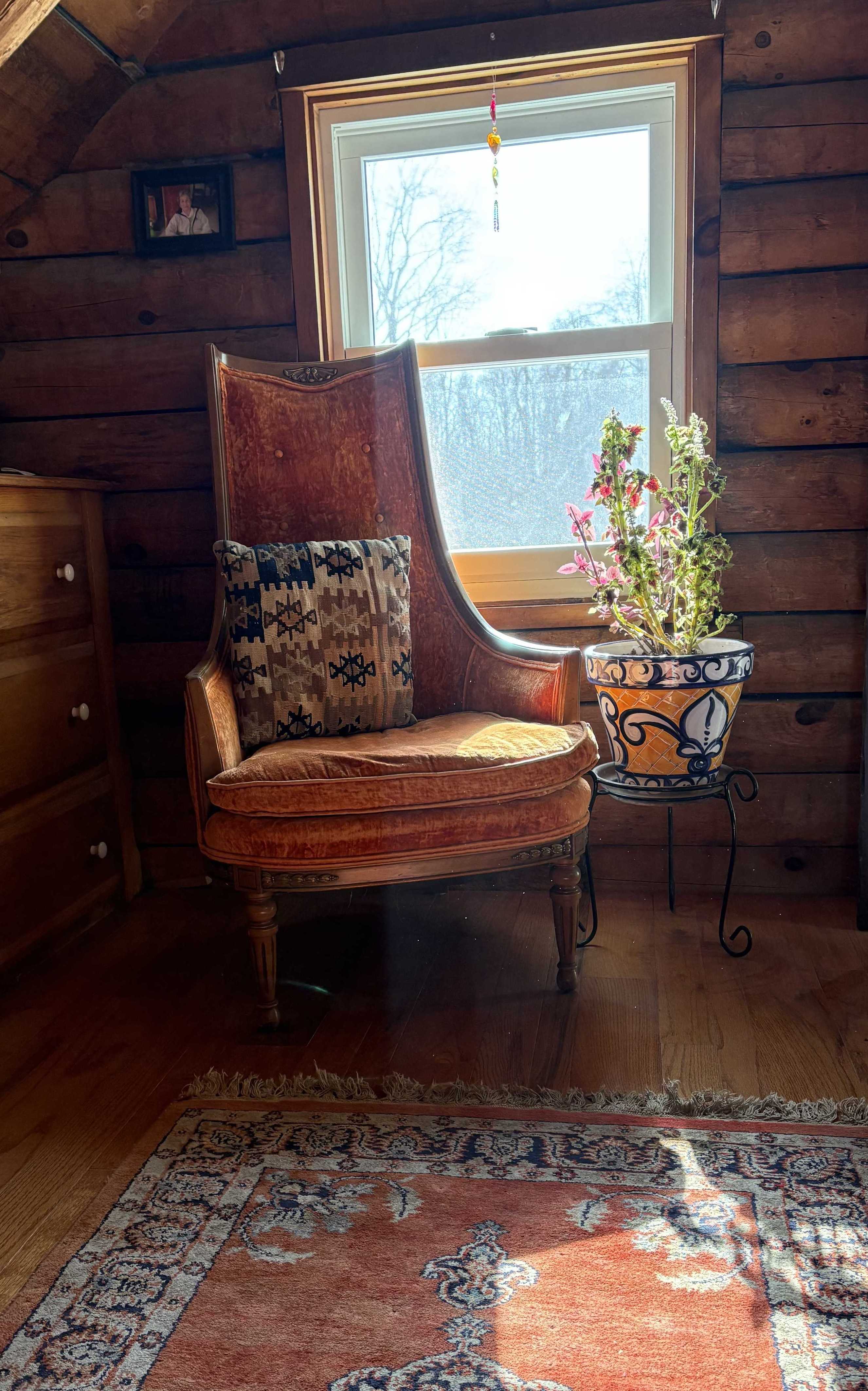
Designing for wellness

Natural light can be a powerful tool for wellness.

Natalia Zukerman

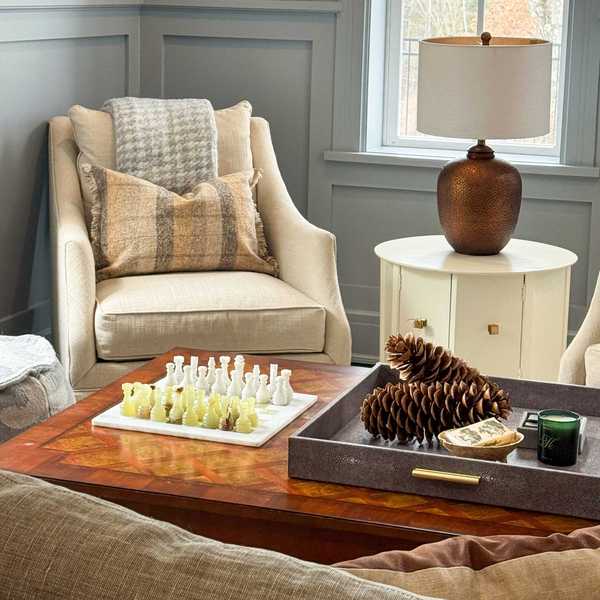
Wellness is often framed as something we do — a dog walk, a yoga class, a healthy resolution. But as we retreat indoors in winter, we are reminded that wellness is also something we live inside. Our homes quietly influence how we breathe, sleep, focus and feel — sometimes for better, sometimes not.

Interior design for wellness is less about color and style trends and more about intentional choices. Specialty designers create spaces aligned with the health-first framework of the World Health Organization’s guidelines. But with some basic knowledge, homeowners can borrow from that playbook and embrace wellness at home.

One of the most overlooked elements of a healthy home is air quality. In winter — especially this one, thanks to seemingly endless frigid temperatures — windows stay shut. As a result, heating systems run constantly and indoor air can become more than just stale. Many common household items — synthetic rugs, vinyl flooring, pressed-wood furniture, harsh cleaners and scented room sprays — release volatile organic compounds, or VOCs, that linger long after use or installation. Headaches, poor sleep and respiratory irritation are often traced back to what is quietly circulating in a home’s air.

Choosing natural materials makes a measurable difference. Wool rugs, for example, are naturally stain-resistant, biodegradable and free of the chemical treatments found in many synthetic alternatives. Wool helps trap airborne pollutants because it contains keratin, a naturally occurring protein that interacts with those particles, improving indoor air quality over time. Solid wood furniture, natural stone and low-VOC paints offer similar benefits, especially in bedrooms and living spaces where we spend the most time.

Light is another powerful wellness tool. Natural daylight regulates circadian rhythms, lifts mood and improves focus. Keep window treatments simple during the day. Trim back heavy drapery. Position seating to catch morning or afternoon sun. Even reflective surfaces — a mirror opposite a window or a lighter wall color — can amplify daylight without adding glare.

Just as important as letting light in is knowing when to shut it out. Good sleep thrives on darkness. Bedrooms benefit from blackout shades or lined drapery with minimal light bleed at the sides. Correctly measured and installed window treatments are key to blocking streetlights, early morning sun and winter glare off snow. Layering a rattan Roman shade with light-filtering drapery panels allows flexibility — bright and airy by day, cocooned and calm by night. This balance between exposure and protection is central to wellness-focused design.

Scent and atmosphere matter as well. Candles may seem like a small detail, but they play a significant role in air quality. Many are made from paraffin wax, a petroleum byproduct that releases toxins when burned. Beeswax or soy candles, especially those scented with essential oils rather than synthetic fragrances, burn cleaner and more slowly. I follow a simple, non-scientific rule: If a candle smells unbearably overpowering when the lid comes off, the ingredients are likely problematic. Price point can also be an indicator — not always, but inexpensive often means artificial and unsafe.

Sound and softness also contribute to well-being. Hard surfaces amplify noise, subtly increasing stress levels. Area rugs, upholstered furniture, curtains and bookshelves help absorb sound, making a home feel calmer. In open-concept spaces especially, these elements can dramatically improve comfort without altering architecture.

Finally, consider what you see first and last each day. Clutter increases cognitive load; calm visuals allow us to rest. Edit surfaces, simplify and restock nightstands and create intentional pause points — a chair by a window, a softly glowing lamp beside a favorite book, a clear kitchen table that feels welcoming in the morning.

Designing for wellness does not require a full renovation. It begins with awareness: what you breathe, what you touch, what you see in the quiet hours.

Latest News

A new life for Barrington Hall

A new life for Barrington Hall

Dan Baker, left, and Daniel Latzman at Barrington Hall in Great Barrington.

Provided

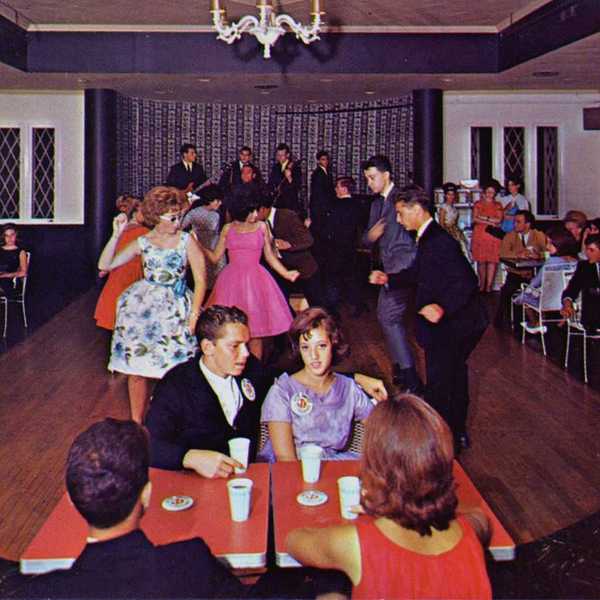
Barrington Hall in Great Barrington has hosted generations of weddings, proms and community gatherings. When Dan Baker and Daniel Latzman took over the venue last summer, they stepped into that history with a plan not just to preserve it, but to reshape how the space serves the community today.

Barrington Hall is designed for gathering, for shared experience, for the simple act of being together. At a time when connection is often filtered through screens and distraction, their vision is grounded in something simple and increasingly rare: real human connection.

Keep ReadingShow less

Gail Rothschild’s threads of time

Gail Rothschild’s threads of time

Gail Rothschild with her painting “Dead Sea Linen III (73 x 58 inches, 2024, acrylic on canvas.

Natalia Zukerman

There is a moment, looking at a painting by Gail Rothschild, when you realize you are not looking at a painting so much as a map of time. Threads become brushstrokes; fragments become fields of color; something once held in the hand becomes something you stand in front of, both still and in a constant process of changing.

“Textiles connect people,” Rothschild said. “Textiles are something that we’re all intimately involved with, but we take it for granted.”

Keep ReadingShow less

Sherman Players celebrate a century of community theater

Sherman Players celebrate a century of community theater

Cast of “Laughter on the 23rd Floor” from left to right. Tara Vega, Steve Zerilli, Bob Cady (Standing) Seated at the table: Andrew Blanchard, Jon Barker, Colin McLoone, Chris Bird, Rebecca Annalise, Adam Battlestein

Provided

For a century, the Sherman Players have turned a former 19th-century church into a stage where neighbors become castmates, volunteers power productions and community is the main attraction. The company marks its 100th season with a lineup that blends classic works, new writing and homegrown talent.

New England has a long history of community theater and its role in strengthening civic life. The Sherman Players remain a vital example, mounting intimate, noncommercial productions that draw on local participation and speak to the current cultural moment.

Keep ReadingShow less
google preferred source

Want more of our stories on Google? Click here to make us a Preferred Source.

Reimagining opera for a new generation

Reimagining opera for a new generation

Stage director Geoffrey Larson signs autographs for some of the kids after a family performance.

Provided

For those curious about opera but unsure where to begin, the Mahaiwe Theater in Great Barrington will offer an accessible entry point with “Once Upon an Opera,” a free, family-friendly program on Sunday, April 12, at 2 p.m. The event is designed for opera newcomers and aficionados alike and will include selections from some of opera’s most beloved works.

Luca Antonucci, artistic coordinator, assistant conductor and chorus master for the Berkshire Opera Festival, said the idea first materialized three years ago.

Keep ReadingShow less
BSO charts future amid leadership transition and financial strain

Aerial view of The Shed at Tanglewood in Lenox, Massachusetts.

Provided

The Boston Symphony Orchestra is outlining its path forward following the announcement that music director Andris Nelsons will step down after the 2027 Tanglewood season, closing a 13-year tenure.

In a letter to supporters, the BSO’s Board of Trustees acknowledged that the news has been difficult for many in its community, while emphasizing gratitude for Nelsons’ leadership and plans to celebrate his final season.

Keep ReadingShow less
A tradition of lamb for Easter and Passover

Roasted lamb

Provided

Preparing lamb for the observance of Easter is a long-standing tradition in many cultures, symbolizing new life and purity. For Christians, Easter marks the end of Lenten fasting, allowing for a celebratory feast. A popular choice is roast lamb, often prepared with rosemary, garlic or lemon. It is traditional to serve mint sauce or mint jelly at the table.

The Hebrew Bible suggests that the last plague God inflicted on the Egyptians, to secure the Israelites’ release from slavery, was to kill the firstborn son in every Egyptian home. To differentiate the Israelites from the Egyptians, God instructed them to mark their doorposts with the blood of a lamb. Today, Jews, Christians and Muslims generally believe that God would have known who was Israelite and who was Egyptian without such a sign, but views of God’s omnipotence in the Abrahamic faiths have evolved over the millennia.

Keep ReadingShow less
google preferred source

Want more of our stories on Google? Click here to make us a Preferred Source.

google preferred source

Want more of our stories on Google? Click here to make us a Preferred Source.