While they may have been overshadowed by their well-known brother Ethan Allen, Heman and Ira Allen also played important roles in American history and the establishment of Vermont.
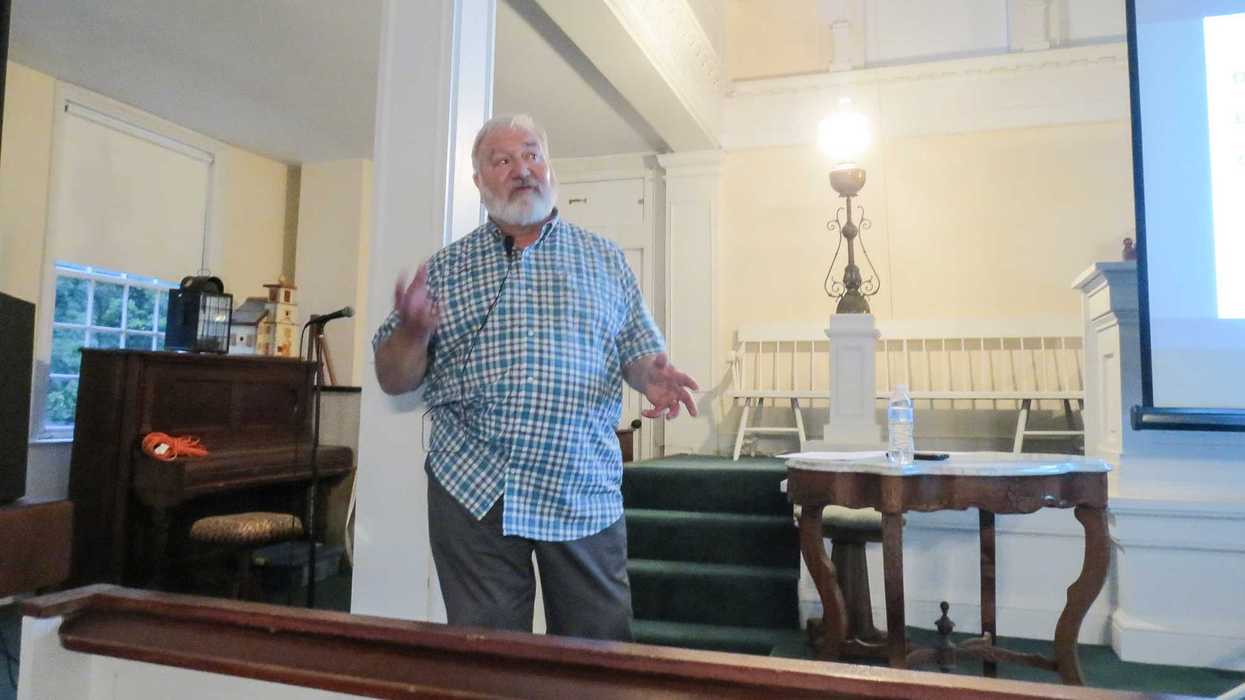
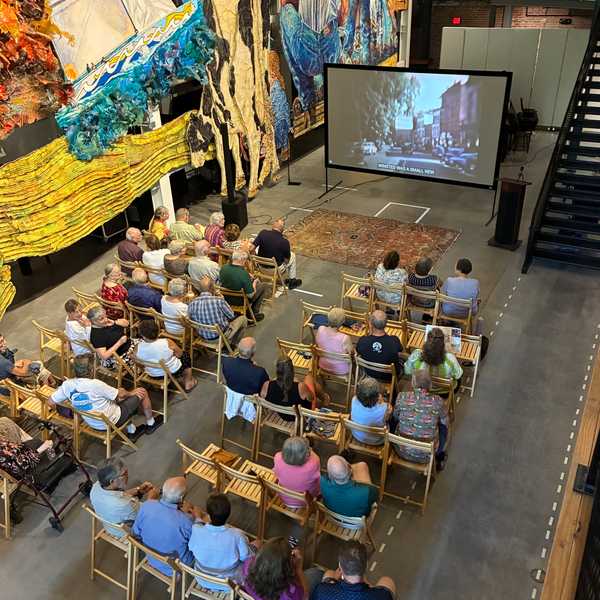
Salisbury Town Historian Lou Bucceri offered insight into the two men, who had roots in the Northwest Corner, during the final First Tuesday at 7 program of the season, presented by the Falls Village-Canaan Historical Society.
Ethan Allen is best known as a founder of Vermont and a leader of the Green Mountain Boys, who helped capture Fort Ticonderoga during the Revolutionary War.
But it was Heman Allen who piqued Bucceri’s interest when he became involved with the Salisbury Cannon Museum many years ago.
Bucceri is well known for portraying Heman while reading the Declaration of Independence every July 4 at the Salisbury Town Grove.
The brothers’ parents, Mary and Joseph Allen, first came to the Wethersfield area of Connecticut but later migrated west, settling first in Litchfield and then in Cornwall with their eight children.
Ethan Allen helped those who organized a blast furnace in Salisbury, and in 1764, Heman bought a share of the iron mine owned by Ethan. The partnership eventually dissolved, and Ethan left Salisbury amid controversy over his political and religious views.
At the time, there was controversy over the use of inoculation to combat smallpox, with many leaders opposed to the practice. Ethan befriended Dr. Thomas Young of Amenia Union, who favored inoculation. When Young publicly inoculated him on the town green, townspeople made it clear that Ethan was no longer welcome.
Heman remained and opened a general store in an area then known as Furnace Village.
“Heman,” Bucceri said, “was the glue that held the Allen family together.”
His business flourished, assisted by the pelts Ethan, an avid hunter and trapper, sent back from the territory that would become Vermont.
Ira, the youngest child, became a surveyor and identified a tract of land in Vermont. Heman joined in the venture, and the property was eventually sold to Thomas Chittenden, who became the first governor of the independent Vermont Republic.
With the outbreak of the Revolutionary War, Heman joined Ethan and the Green Mountain Boys in the capture of Fort Ticonderoga, where they seized artillery needed by American forces.
Fort Ticonderoga and nearby Crown Point guarded a strategic route along Lake Champlain. Cannons captured there were later taken to Boston and helped force the British evacuation in 1776.
The Green Mountain Boys resisted New York’s claims over the territory, which declared itself an independent republic in 1777 and joined the Union as Vermont in 1791.
Bucceri described Heman as a negotiator who was often called upon to help settle disputes. He helped put together Vermont’s 1777 Constitution and made the first loan to the new government’s treasury. He also took part in the Battle of Bennington, an important American victory that weakened the British campaign.
Ira Allen was an accomplished outdoorsman, Bucceri said, and was active in marketing the family’s land. When Vermont’s government was being organized, Ira became surveyor general and treasurer, spending a considerable amount of his own money.
By 1783, he was a large landowner. He helped negotiate Vermont’s disputes with neighboring states. He also helped establish the University of Vermont and donated land for the institution.
In 1795, Ira traveled to Europe to acquire weapons that he said were intended for Vermont’s militia. British authorities seized the shipment and imprisoned him on suspicion that the arms were destined for Irish rebels. His financial losses mounted, and he eventually settled in Philadelphia, where he died in poverty.
The final takeaway, Bucceri said, “is that other Allen family members besides Ethan played a significant role in U.S. history, Vermont history and the Revolutionary War.”

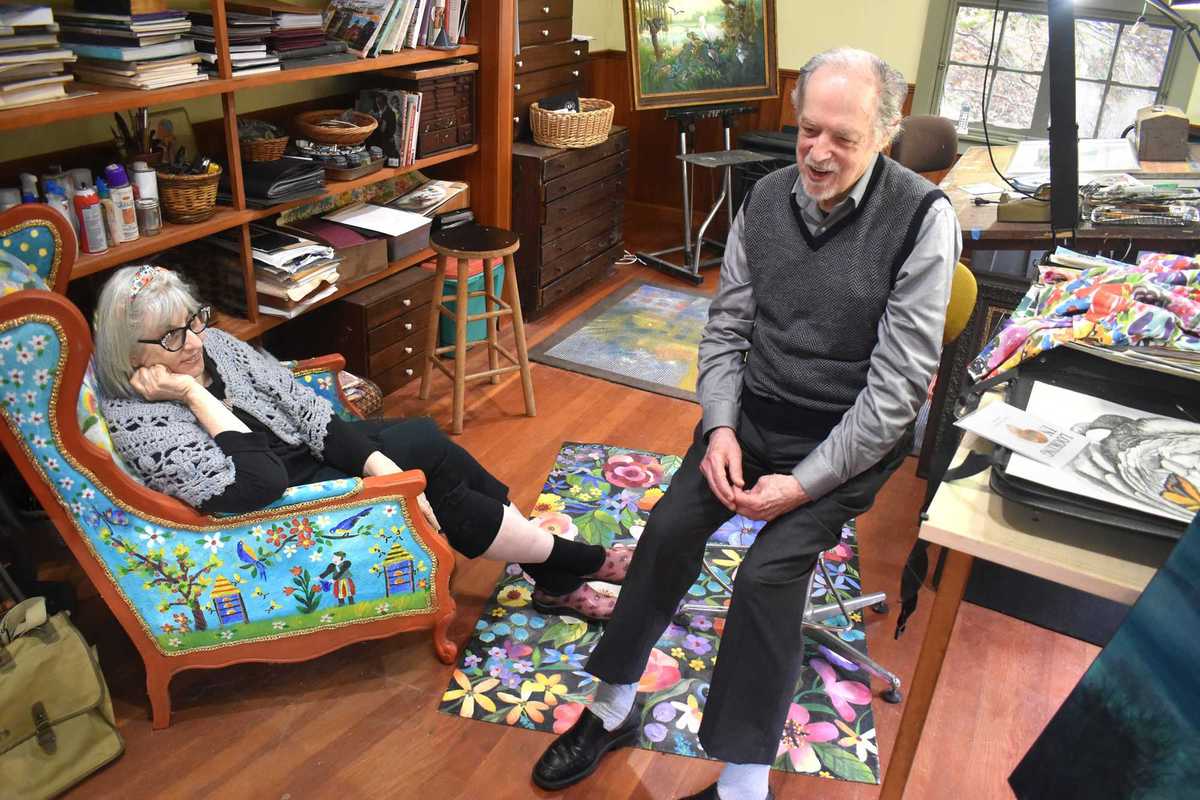
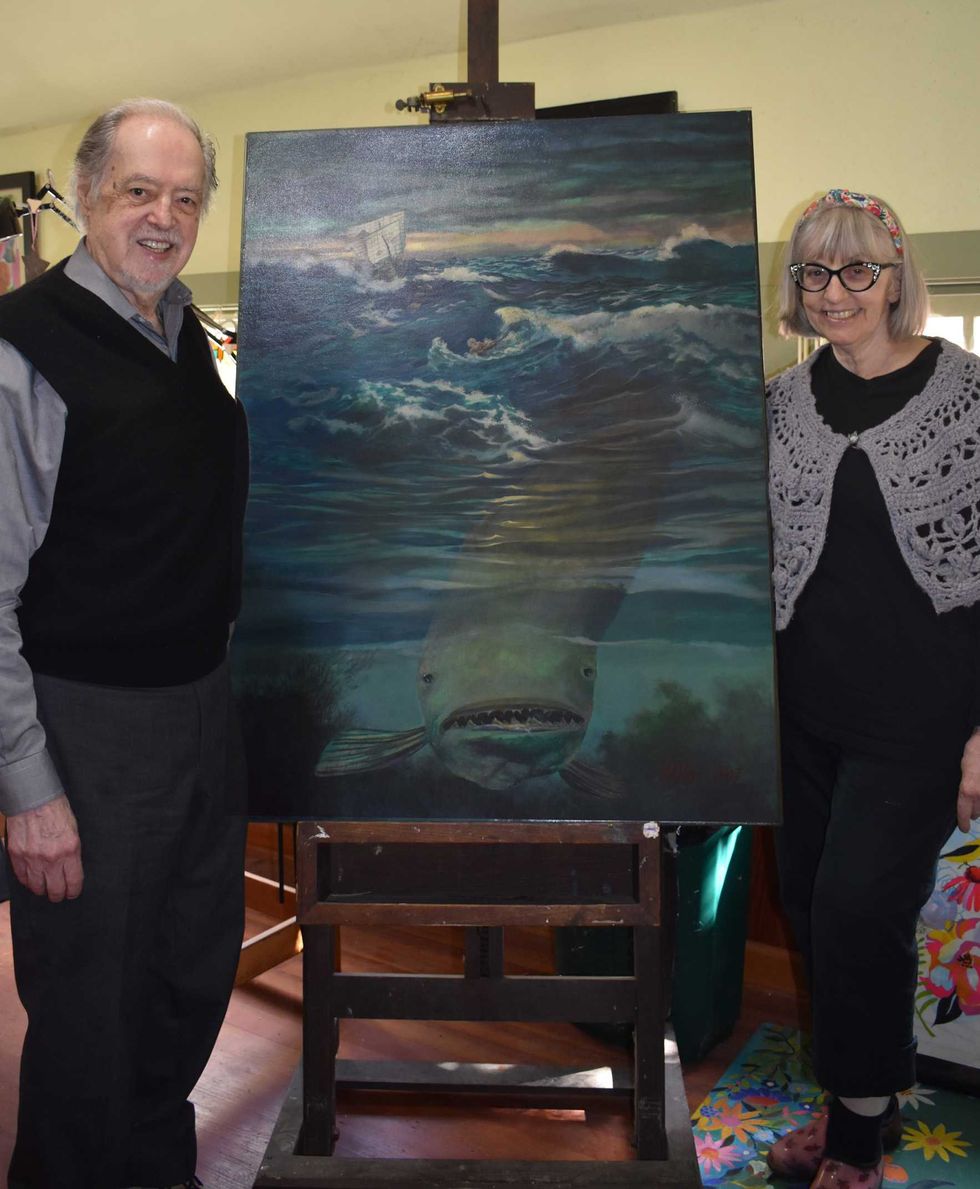 Justine and Victor Valla in their studio with a painting of Victor’s,”Jonah and the Whale.” Robin Roraback

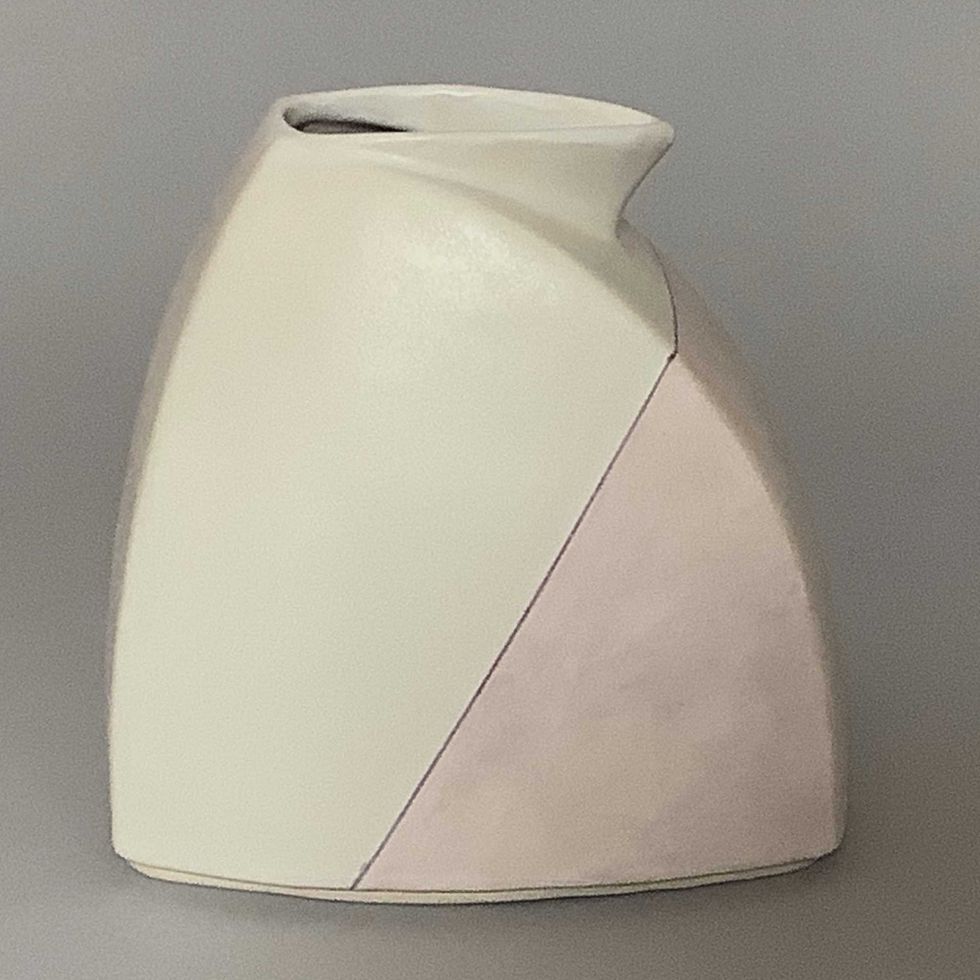 A ceramic vase by Kathleen Heidemann.Provided
 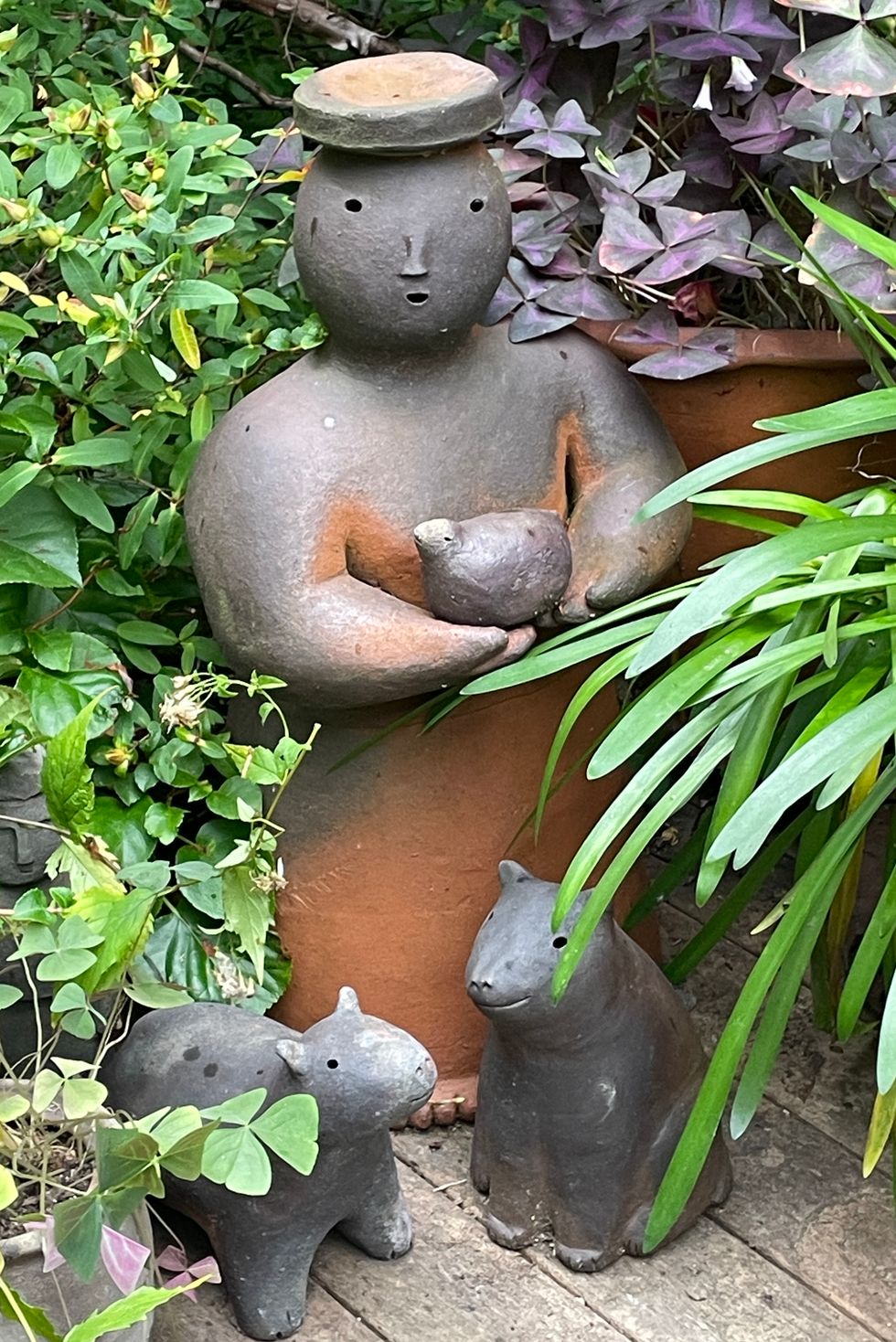 Joy Brown’s delightful ceramic sculptures.Provided