RHINEBECK, N.Y. — The Dutchess County 9th annual Agricultural Forum was held on Aug. 22 at the Dutchess County Fairgrounds.
Local farmers, elected officials, and representatives from conservancy organizations attended the forum to discuss agricultural history and how the industry is a critical component of the county’s economic success, generating over $45 million in sales.
A. Gregg Pulver, Dutchess County Comptroller and farmer, began the forum by introducing representatives of the agricultural community and elected officials who share the same vision: “the promotion of agriculture, horticulture, mechanical and domestic arts, fine arts, and allied sciences through education, instruction, display, and competition.”
The Agricultural Society is a non-profit corporation with 80 members and 16 directors on its board. The group oversees all aspects of the well-known Dutchess County Fair and handles all off-season events.
They receive no funding from Dutchess County or other local governments. According to their website, “All agricultural fairs in New York State receive premium money through NYS Ag & Markets. The money received from NYS Ag & Markets plus additional funds donated by the Society is given to the Dutchess County Cornell Cooperative Extension for 4-H premiums.” Three-quarters of their annual income comes from the Dutchess County Fair, yet all profits they earn from operations are returned to their facilities.
However, during the forum, many farmers discuss their struggles with maintaining support from local communities and residents.
“You can buy stuff from Amazon that you didn’t even know existed,” Eric Ooms, New York State Farm Bureau Vice-President, said. “There is stuff you can buy now that you never could get before, so you don’t have the local support that you once had, that, frankly, we all miss.”
Ooms discussed the death of dairy farms and how he has been seeing a major decrease in the industry. “It’s sad for me that there are fewer dairy farms, and there used to be a ton,” Ooms said. “But the positive is that people are doing things that would have been crazy to even think about trying 20 years ago, but we have those opportunities.”
The Agricultural Society has been very involved with the local youth and supports them in many different ways. First, they give out up to $25,000 each year in scholarships. Pulver also announced the creation of a Junior Fair Board, which establishes an environment for the youth to be more involved with the community.
“We have some of the junior board members here,” Pulver said, “Thank you for sitting up there and the work that you do and advocating for not only agriculture but the future of the fair.
“We were talking about that on the radio earlier. Making sure that this energy continues here, that the youth is involved with knowing some of the old, long-standing traditions and carrying them out, and learning how some of the tough decisions are made.”
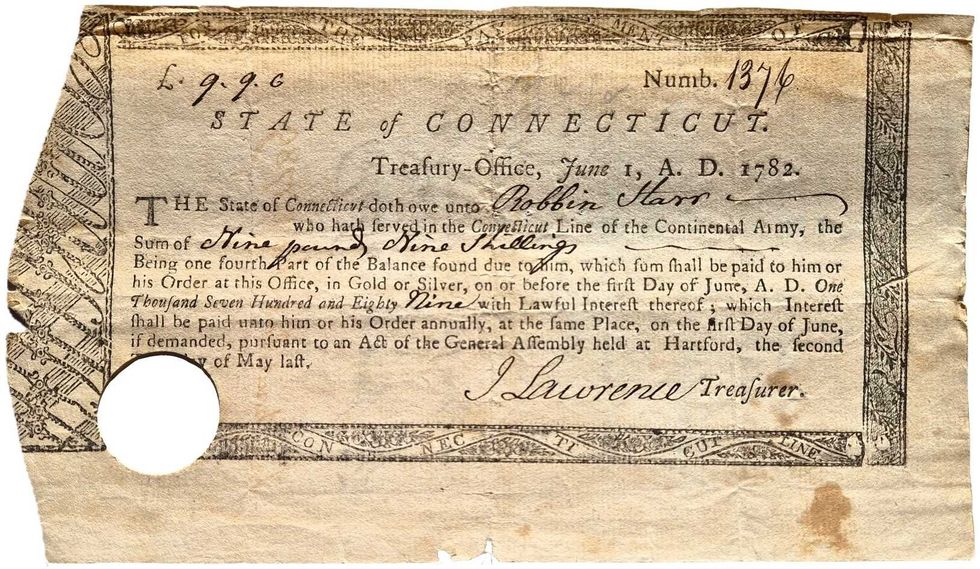 Pay Bill for Robin Starr’s service in the Continental Army.Courtesy the Alex Breanne Corporation
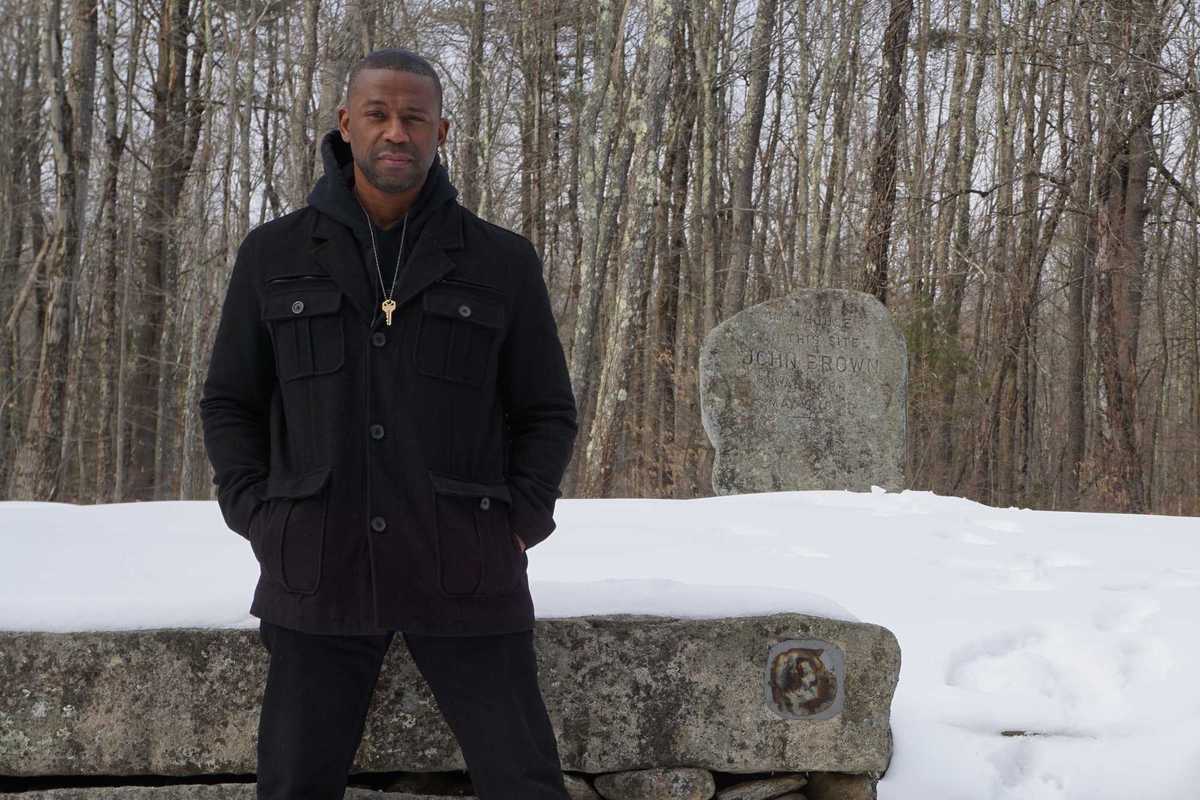
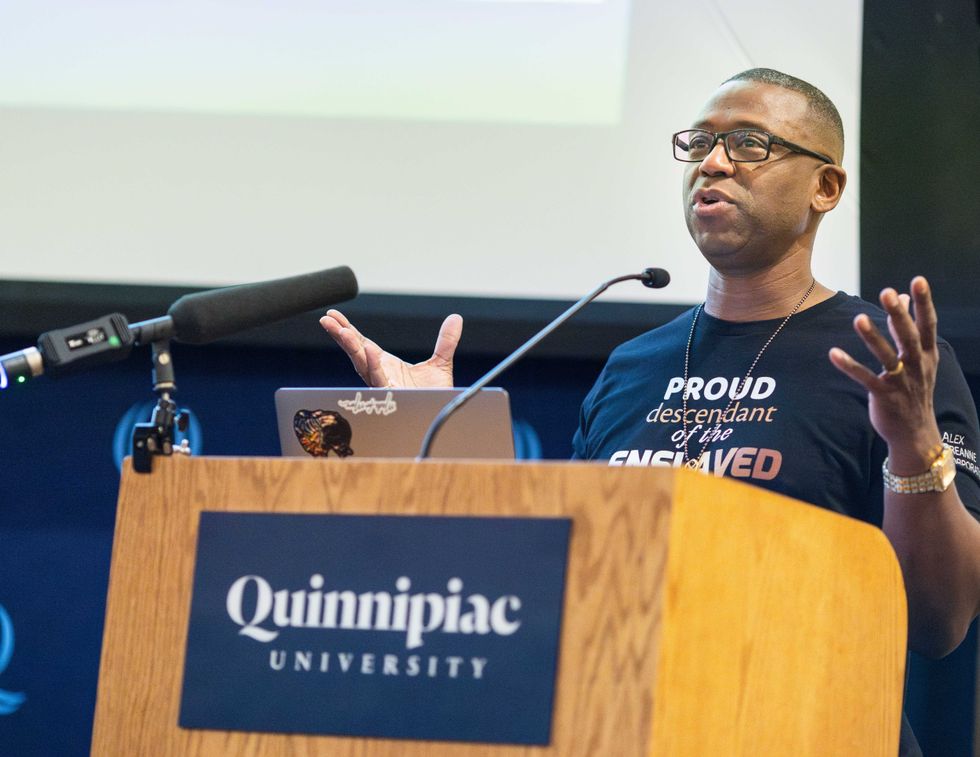 John Mills speaking at Quinnipiac University.Courtesy the Alex Breanne Corporation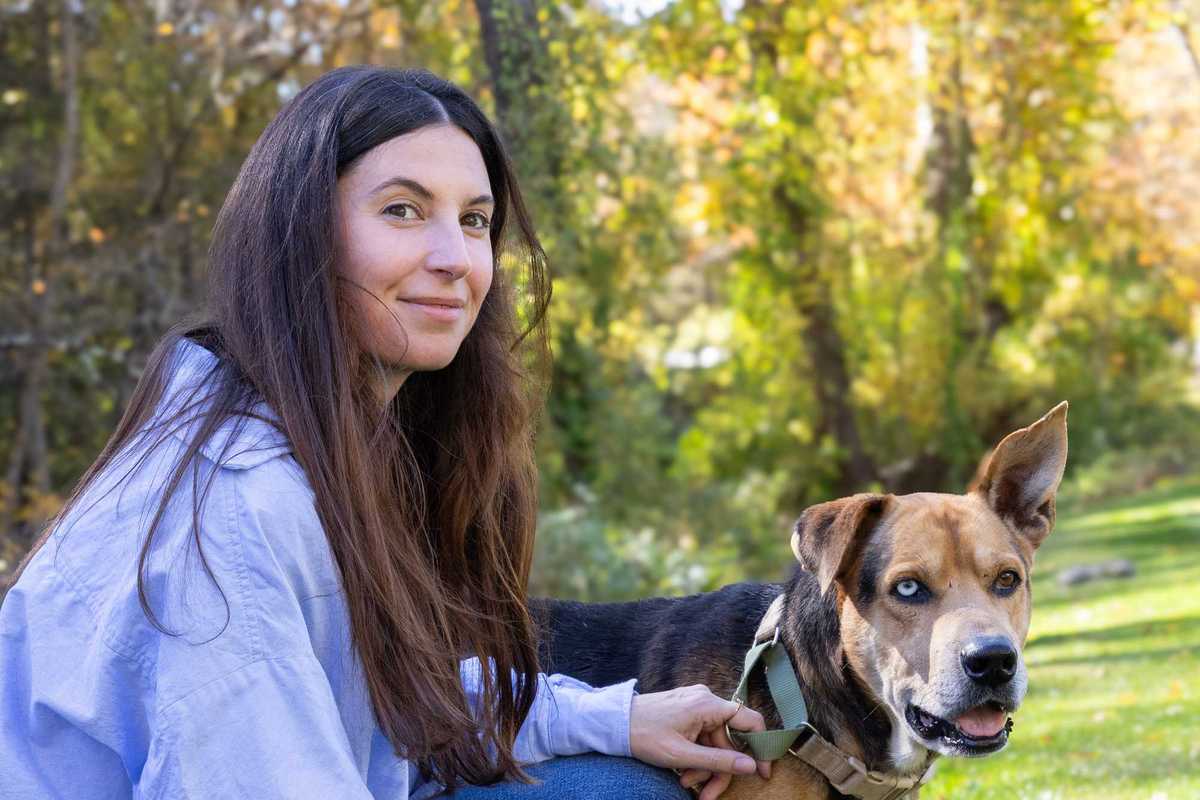
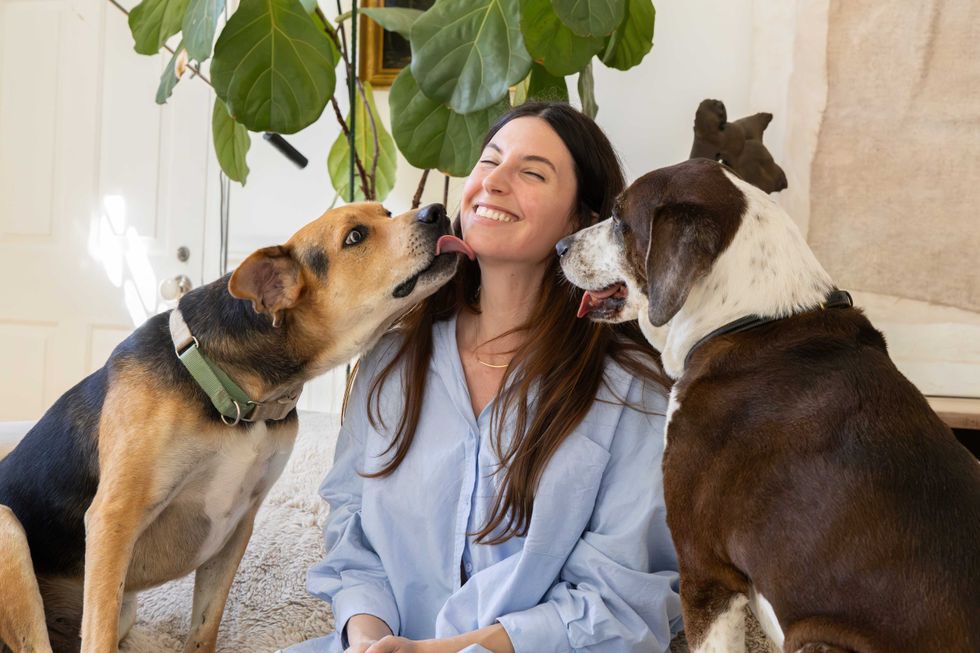 Stephanie Saetta,with her rescue dog George and Blue (left), a shepherd mix awaiting his forever home.Madi Long
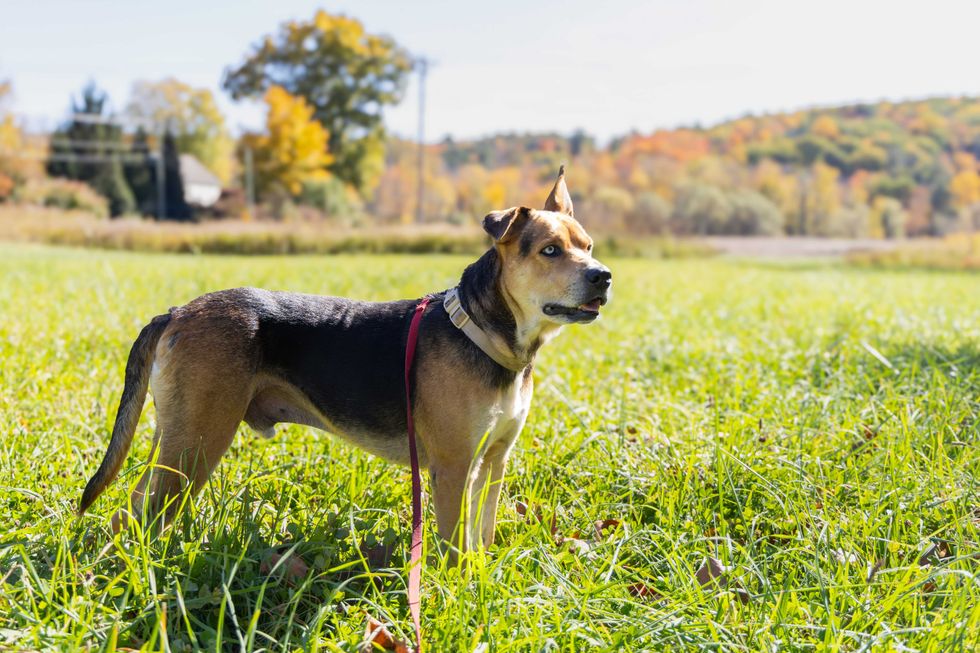 Blue, a 7 year-old Shepard mix, is waiting for his forever home. Madi Long