As the school year comes to a close, Housatonic Valley Regional High School seniors are beginning an uncharted part of their lives. With many pursuing higher education at universities, the cost of continuing school has prompted some students to voice concerns about access to continuing education.
Meadow Moerschell, a junior at HVRHS, said she sees value in a university education. “I do feel that pursuing a college education is worth the challenges since it is such a valuable experience, both socially and academically,” Moerschell said. “College seems like a time to grow, learn, and meet new people in a safer environment than the real world, while still having a lot of independence.” Other students, such as graduating senior Mollie Ford, voiced conflicted feelings on college spurred by apparent barriers to access. “I have mixed feelings about college,” Ford said. “It’s obviously a business, but I also think that it’s hard to be successful without a degree.” Ford will be going into Fordham University’s Class of 2030 in the fall.
Despite the barriers, she also advocates for a college education. “I think it’s necessary, I think kids should seek it out,” Ford said.
While the views around college’s value vary, Housy students generally view university education as inaccessible. “I don’t think higher education is accessible, I think it’s wildly expensive,” Ford said.
It’s not only the costs of the school that are of concern. Students drew attention to pre-college standardized testing and how more affluent families can often spend more to give their students an advantage in applications. “When someone has more money they have a huge advantage in higher education, since they’d be able to take the SAT as many times as they want, pay for study courses, travel to visit schools, pay application fees, and so many more factors that give kids a leg up in the college process,” Moerschell said.
Rachel Matsudaira, HVRHS’s scholarship coordinator, has a more optimistic and hopeful outlook. “In a merit-based educational system, one’s hard work determines one’s outcomes,” Matsudaira said. “In America, public school is free, and access to college is still based on merit. If a student works hard during the free education years, they will be able to earn scholarships and attend college if they so choose.”
Ford believes that there is a certain group at a significant disadvantage when it comes to college costs. “The most disadvantaged group I’d say are average middle class people. When you’re thinking about finances, they’re overlooked when you think about scholarships or FAFSA. You have to be really wealthy or really below the line.”
As a high school, HVRHS provides various support systems for students going into college. The perceived success of these support systems varies. “I think that HVRHS works hard to support its students in the college search through the CCRC, college fairs, advice panels, and yearly meetings with counselors,” Moerschoell said. “However, with only about half or something of the Housy population going to college, there’s only so much that they’re going to be able to do for the kids considering college after school.”
The school’s counseling office was highlighted as an adequate resource. “Our supports are extremely personalized, with one-on-one assistance throughout the process,” Matsudaira said. “Our school counselors meet 1-on-1 with every student at least once a year to check in and access student goals. Additionally, students can make appointments to meet with their counselors whenever they need, throughout their 4 years here.”
When compared to other schools, however, some believe that HVRHS could provide more support. “Other schools like private schools in the area have a college advisor per ten students, the difference in ratio is kind of shocking,” Ford said. “I think that Housy does support students seeking higher education, but I don’t think there’s a big enough support system, like Mrs. Terni shouldn’t be the only college counselor.”
With HVRHS being such a small school, there are advantages and disadvantages beyond the support systems that impact students. Matsudaira said the school’s small, rural status actually helps students stand out in applications. “In our merit-based education system, a student who shows rigor from a small rural high school that doesn’t offer SAT prep courses and doesn’t have much classroom competition–that student will stand out to college admission teams,” she said.
Ford also credited the high school’s extracurricular programs. “It is easy to find niche opportunities, like niche internship opportunities or summer programs,” Ford said. “We have a lot of things that you can do that make your application stronger.”
With advantages comes the downside of coming from a small high school. A key issue, Ford said, is what she describes as a lack of specific guidance.
“There’s not enough teachers here telling kids what to do and how to do it correctly,” she said. “Kids at Hotchkiss or at Berkshire have adults telling them you should do these activities, it’ll make it [college application] stronger, but we don’t have that. We’re kind of doing it by ourselves.”
Finances are a major stressor for students pursuing college, but there are social challenges as well. “The biggest stressor is that college culture has become really intense,” Ford said. “A lot of kids are more worried about the name of their school or the vibe of their school more than actually receiving an education in college.”
Matsudaira offered advice to parents and students that she hopes can alleviate some stress.
“Make sure you have examined the cost vs. value equation for yourself and your family,” Matsudaira said. “Make sure the college is a good fit for you. Do not go into any debt to pay for college.”
Ford suggests that students “Apply to as many schools as you can, and as many Connecticut schools as you can. The admissions process is so competitive, and like everyone is applying to college, and it’s so expensive, so you have to have options in Connecticut.”
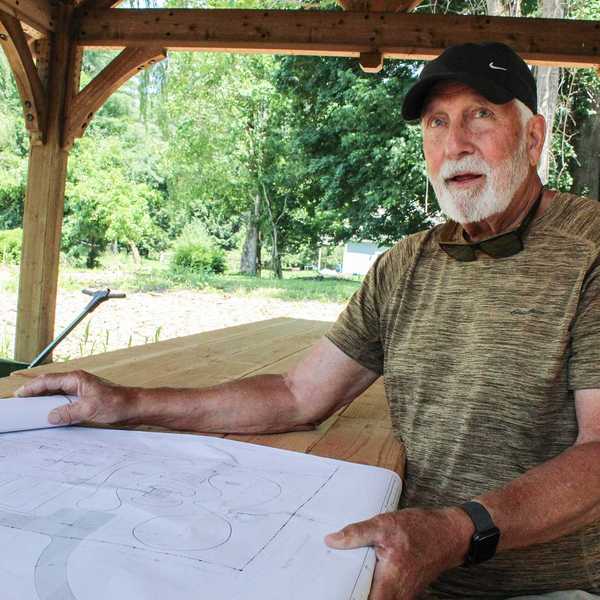




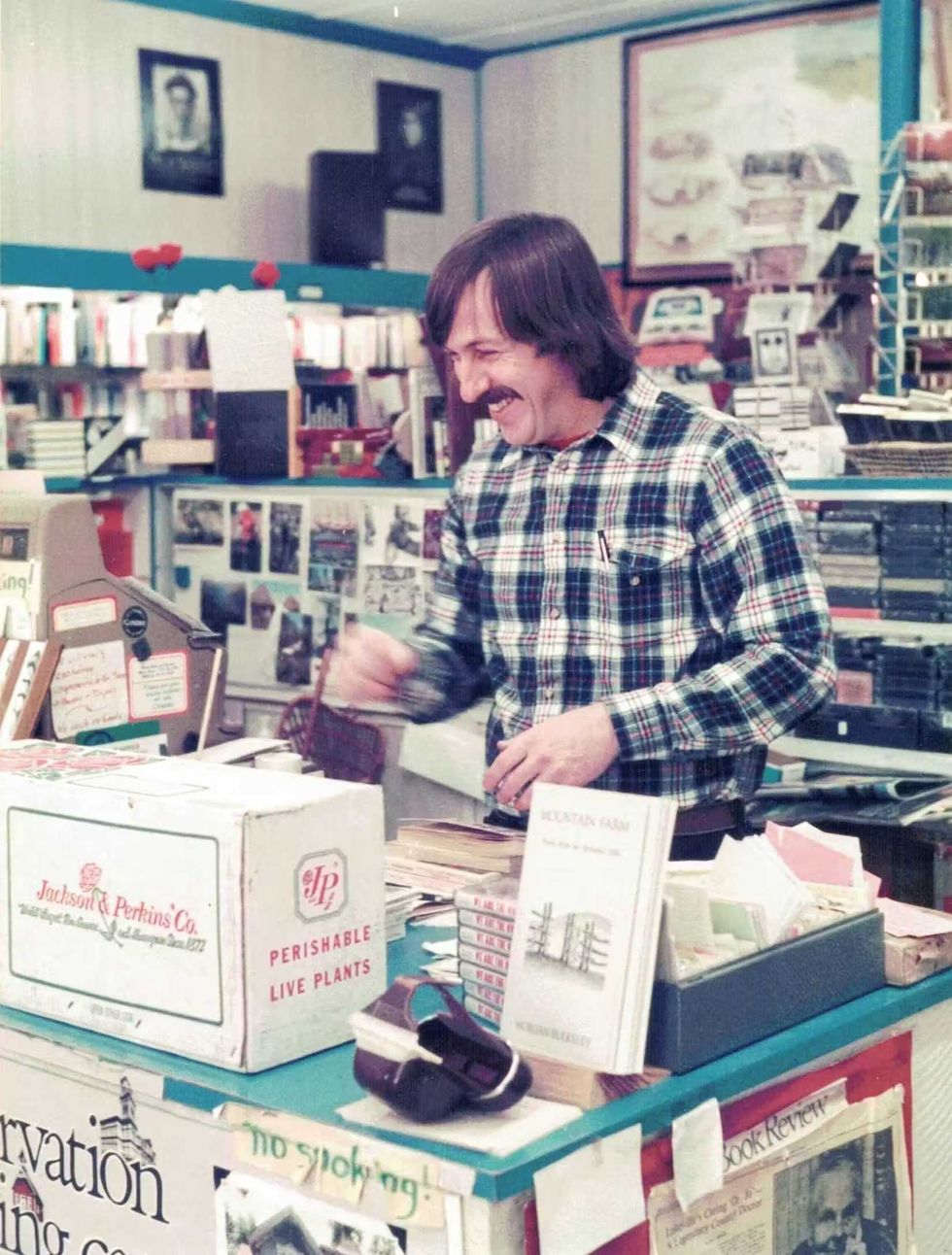 Dick Hermans in the Oblong Bookstore on Millerton’s Main Street in 1985.Provided


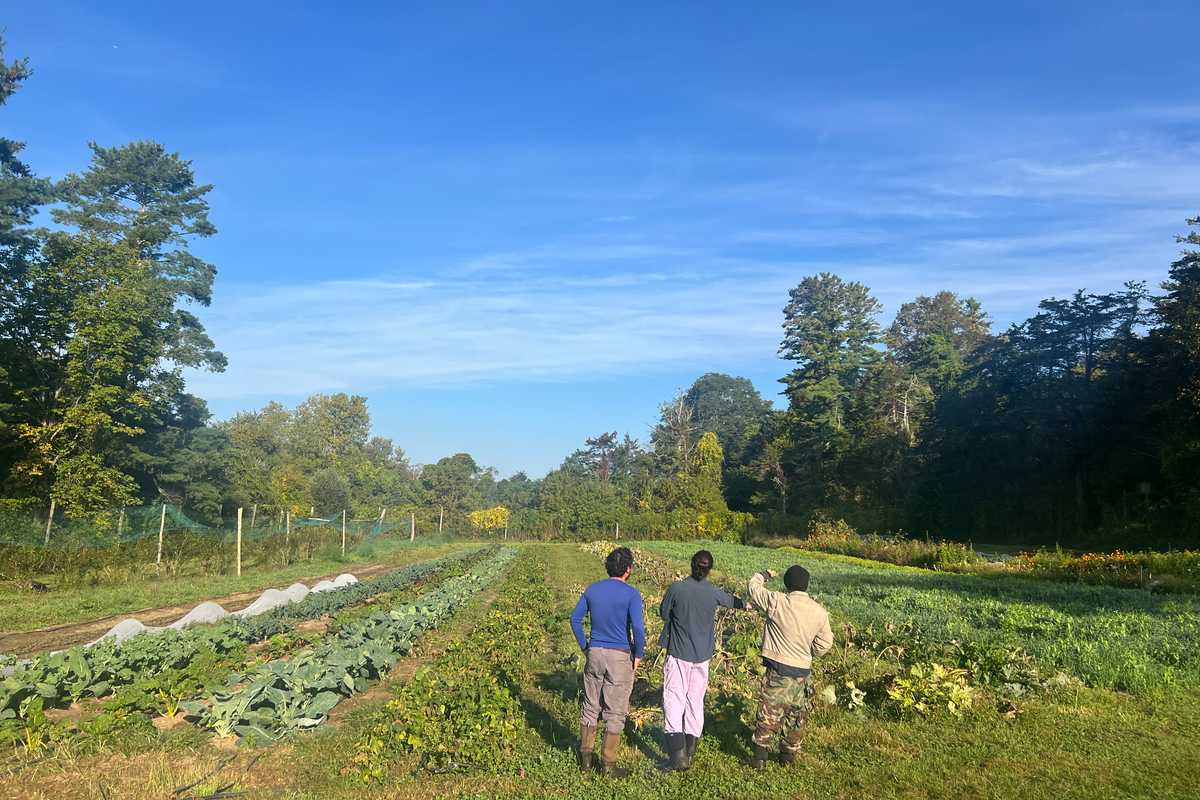
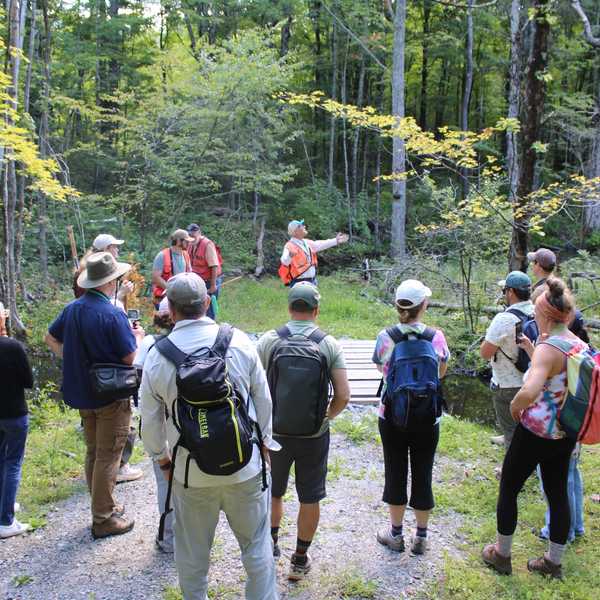
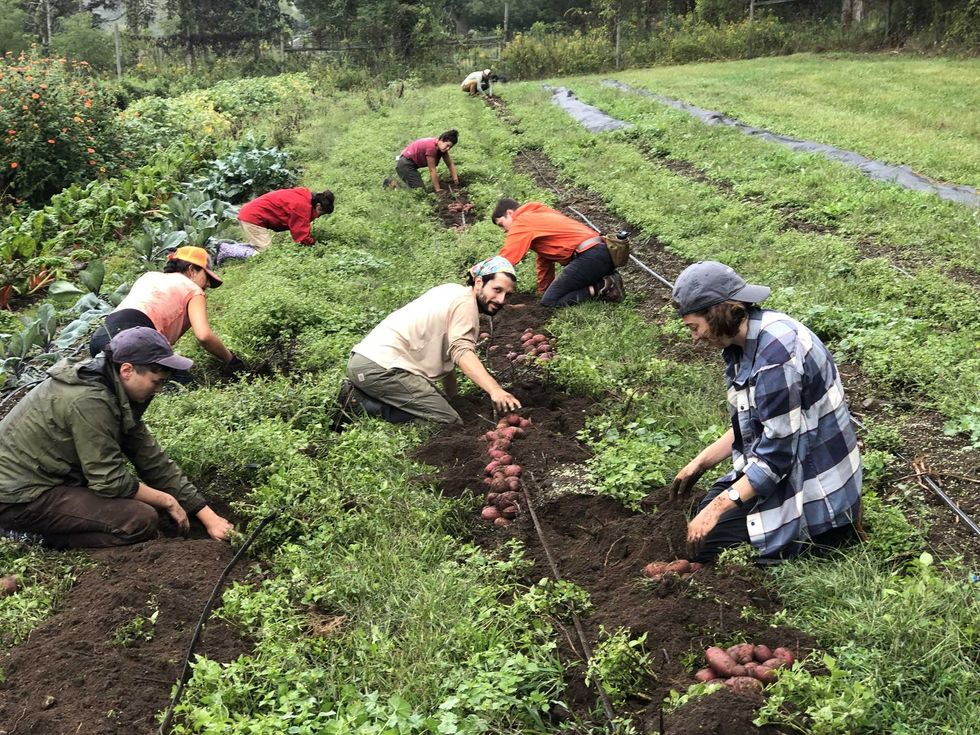 Fall storage crop harvests amid soil building cover crops at Adamah Farm in Falls Village. Janna Siller