Thank you!
Your support is sustaining the future of local news in our communities.

Housatonic German program could shrink as 2008-09 budget cuts get underway


FALLS VILLAGE - The wheels of the Region One School District budget machine ground into action last month with a series of workshop meetings to discuss the draft 2008-09 spending package.

The most recent draft featured a $14,581,565 spending plan, a net increase of 5.74 percent over this year's $13,647,513. Initial requests from departments showed increases of about 9 percent, Housatonic Valley Regional High School Principal Gretchen Foster said. That figure was widely regarded as unlikely to pass, so Foster set about finding ways to reduce the budget that led to the presentation of the most recent draft at the Board of Educations Feb. 12 budget workshop.

To get the budget increase down to 5.74 percent, Foster had to make a variety of cuts, including two field trips and the elimination of a science section, consolidating it into a larger class.

But the moves that have generated the most skepticism are her proposal to dramatically reduce the number of German sections offered and to create a new full-time business, finance and technology teacher.


German program faces cuts


The proposed German reduction from a full-time teacher to a .4 position spawned a series of letters and public comments by parents of German-language students. At a special budget meeting Jan. 9, 14 parents and two students praised the program and spoke out against any reduction.

Marjorie Becker, who chairs the world languages department, spoke of the impact of the proposed reductions. Housatonic also offers French and Spanish, but those two languages have higher enrollments.

At the Feb. 12 workshop, Foster presented a handout with numbers of students in the various classes at Housatonic. A total of 36 students are enrolled in the four German courses offered at the school - far fewer than in most of the school's other programs but about the same as some of the offerings of the agriculture education department. The savings realized by the proposed German reduction would be about $17,500, including benefits.

"The history [of the program] doesn't support the numbers, said Region One Superintendent Patricia Chamberlain. "Some small districts are struggling just to keep two languages."

Region One Board Chairman Judge Manning agreed with Foster's recommendation to pare the German program to two sections, but Salisbury representative Amanda Halle feared it would ultimately spell the end of the program - perhaps because of the difficulty of reducing it to a part-time faculty position.

"If we cut to .4, can we find a teacher?" she asked. "Or does that mean our German program is kaput? Whatever it takes to keep German, I'm in favor."

Peter Fleischmann, the school's German teacher, told the board during the public comment portion of the meeting that he would like to stay, but that even a reduction of his position to .6 would make it difficult for him to remain at Housatonic.


Tech is 'important part of life'


There was also a spirited discussion of Foster's plan to add the business, finance and technology teacher position. Currently the school has a .4 business teacher, but Foster came to the meeting with statistics indicating that business administration and computer science are among the top 10 U.S. college majors and that technology and business rank in the top five industries for entry-level employment.

"We need to look at how we grow that department," Foster said. "It's such an important part of life."

But there was some concern on the board that with Housatonic's enrollments shrinking, selling the idea to the public of creating an additional full-time faculty position would be a challenge.

"The public will ask about another FTE [full-time equivalent]," said Sam Herrick, the Region One business manager.

Cornwall representative Phil Hart said he, too, thought it would be a tough sell, but "the board has to have the courage to take to the public what is necessary to deliver a quality educational program."


Where it stands now


Ultimately, the board agreed to reduce the German teaching position to only .6 and keep in the new technology position.

But that brought the budget increase back up to 5.96 percent, which the board thought was too high, especially since the six local school boards were said to be facing large increases of their own. Foster was asked if she could cut anywhere else to get the increase back down to 5.74 percent.

"I don't want to touch any more curricular areas," she insisted.

"No matter what you pick, people will object because they like what we offer," added Chamberlain.

Foster said she did not know where she would find the savings. She will return to the board's next workshop on Feb. 26 at 4 p.m. in the high school library.


The next public budget workshop will be Feb. 26 at 4 p.m. in the Housatonic Valley Regional High School library. A public hearing on the budget will be held in April, and the regionwide referendum in May.

Latest News

‘So Little to Do,’ so much to discover at James Barron Art

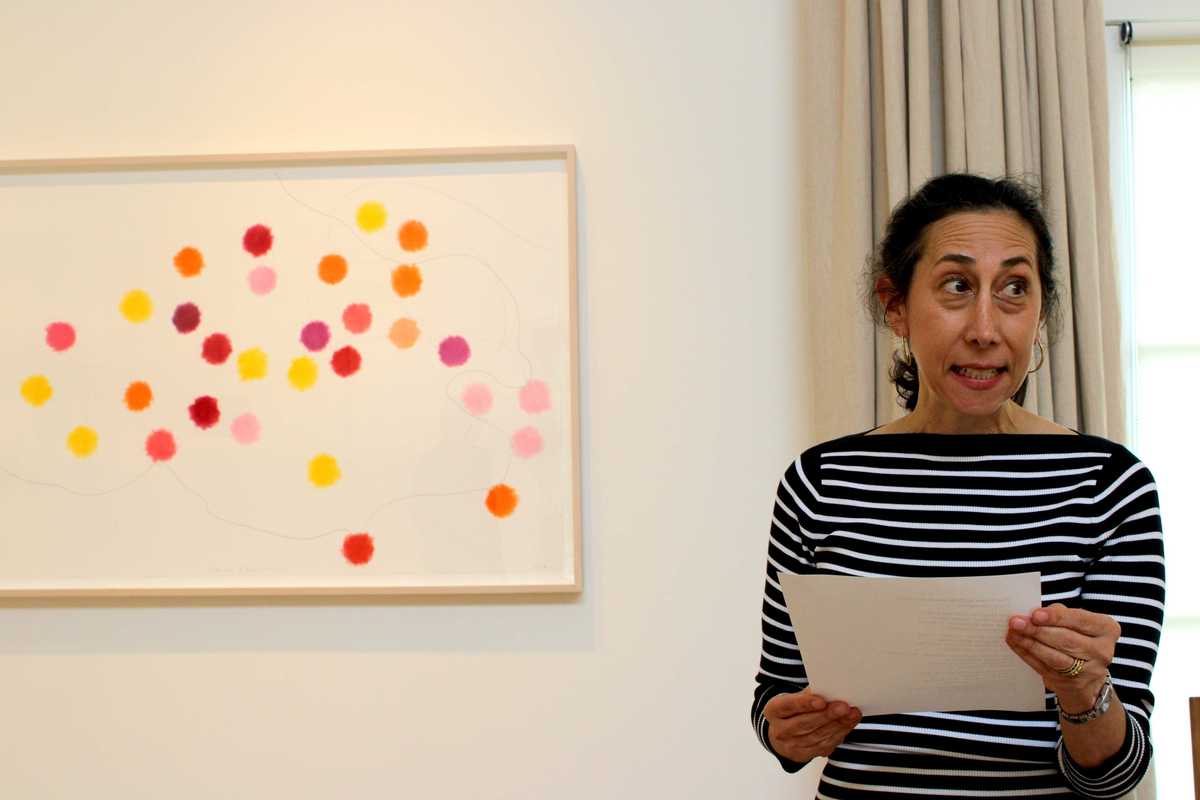
Curator Deborah Goodman Davis reads the Emily Dickinson poem “The Grass So Little Has to Do.” Spencer Finch’s “Following Three Bees (Zinnias)” buzzes in the background.

Photo by Natalia Zukerman

“The Grass Has So Little to Do,” on view at James Barron Art in Kent, takes its title from Emily Dickinson’s poem “The Grass So Little Has to Do,” written in 1862:

“The Grass so little has to do—
A Sphere of simple Green—
With only Butterflies to brood
And Bees to entertain—”

Keep ReadingShow less

Marina Kotchoubey is not a woodworker

Marina Kotchoubey is not a woodworker

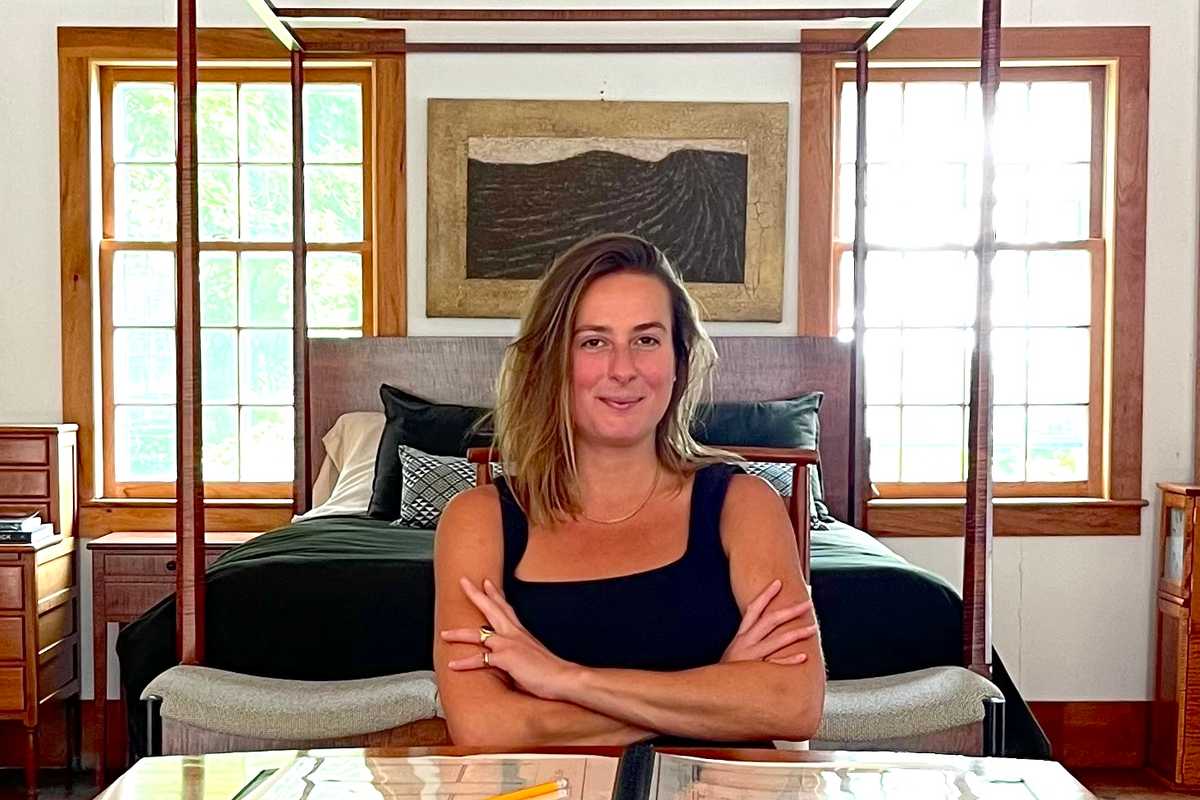
Marina Kotchoubey at the Ian Ingersoll Cabinetmakers showroom in West Cornwall.

Photo by D.H. Callahan

After 40-something years navigating the world of custom fine furniture, Ian Ingersoll was getting ready to retire. Starting off with a little dovetail stool that he sold at a shop in West Cornwall in the 1970s, he’d grown his skill and his business into something he — and the whole town — could be proud of. Shutting down that business was not an option.

Ingersoll built Ian Ingersoll Cabinetmakers, which produced mainly classical Shaker furniture, on passion: the passion he had to make a living through creative challenges and the passion of his employees, who all seem deeply in love with their craft.

Keep ReadingShow less
A legacy of giving at Norfolk Chamber Music Festival

One hundred and twenty years ago, Carl and Ellen Stoeckel commissioned New York architect E.K. Rossiter to design The Music Shed in Norfolk, Connecticut. After nearly a decade of entertaining their friends and neighbors with the finest music of the day, they built a permanent home for their beloved Litchfield County Choral Union.

The commission and full funding of the construction was not unheard of in an era when great fortunes led to public enrichment. Railroad tycoon John D. Rockefeller was instrumental in funding institutes of higher education. Steel baron Andrew Carnegie was building libraries all over the country, and famously said that a man who dies rich is a disgrace, challenging his peers to give their fortunes back to the people.

Keep ReadingShow less
google preferred source

Want more of our stories on Google? Click here to make us a Preferred Source.
Two unique exhibitions at Geary Gallery

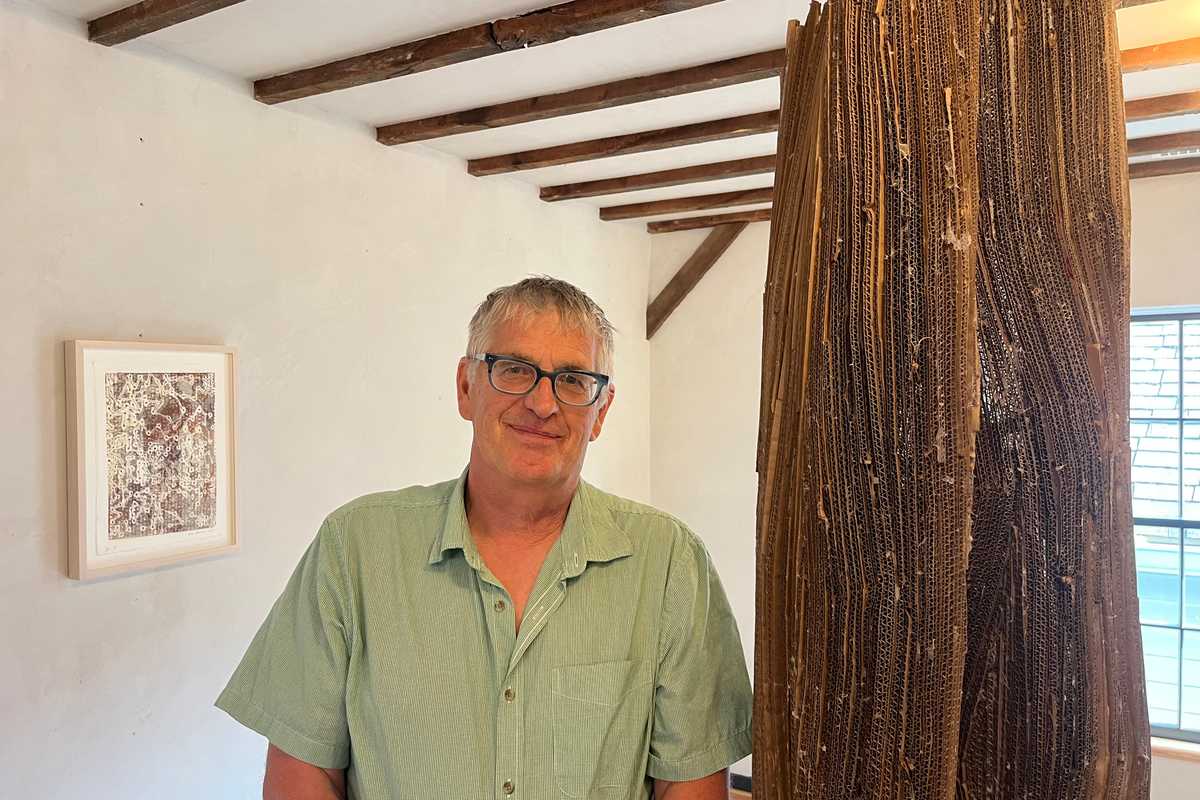
Henry Klimowicz with his sculpture, “Partial Pillar 1”

Photo by D.H. Callahan

On Saturday, Aug. 1, Geary Gallery opened its doors in Salisbury for two unique shows in its first- and second-floor gallery spaces. Art lovers flooded both floors over the course of the afternoon, giving the events a vibrant feeling that enhanced the importance of the art.

On the first floor is a show by Chicago-born, Colorado-based photographer Summers Moore, titled “Lobitos: Pueblo Fantasma,” or “Lobitos: Ghost Town.” The work centers around her daughter’s current hometown in Peru. Moore herself found a home away from home in Colorado in the mid-1980s and encouraged her children to seek out new places outside of their comfort zones.

Keep ReadingShow less

Writer’s retreat in the woods

Writer’s retreat in the woods

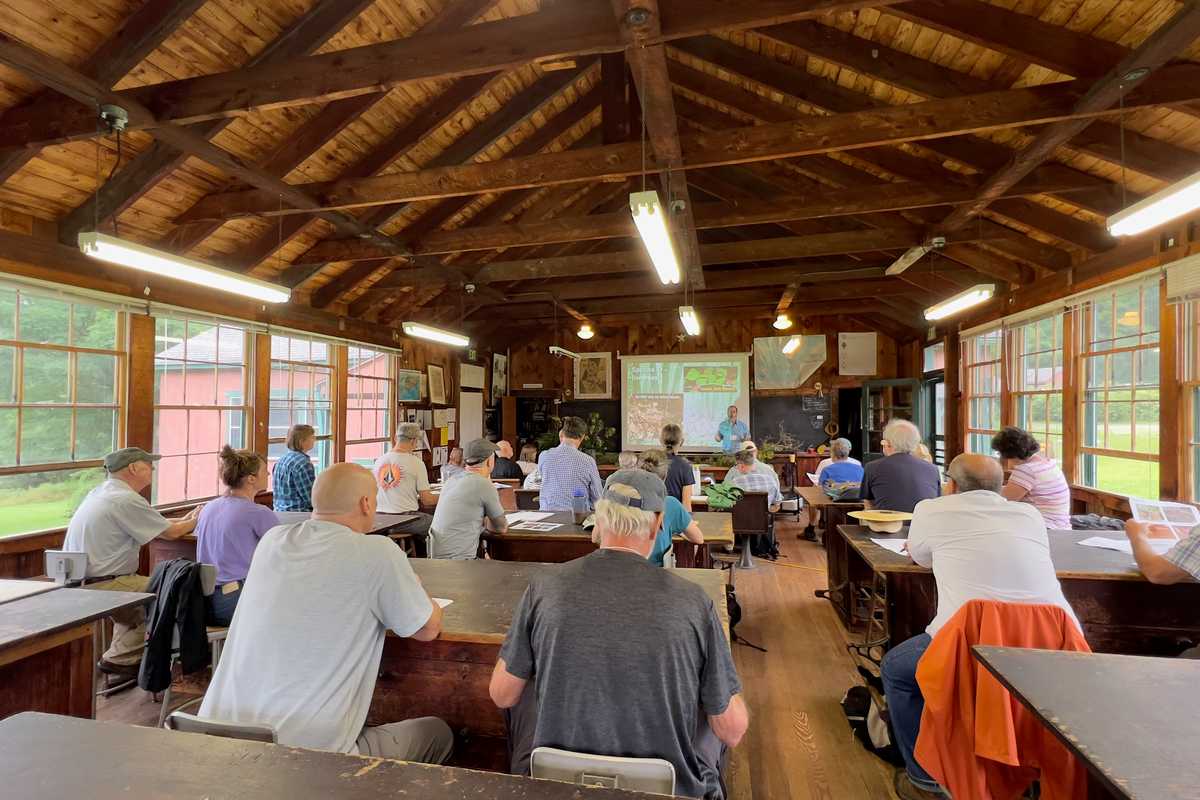
Participants in a 2024 Great Mountain Forest Woodland Academy workshop at Yale Camp.

Photo by Mike Zarfos

Great Mountain Forest (GMF) will host its first Nature Writing Retreat at the historic Yale Camp in Falls Village from Aug. 7-9, 2026. Writers of all levels are invited to draw inspiration from one of New England’s most notable forest landscapes. GMF envisions the retreat becoming an annual event celebrating writing, conservation and the relationship between people and forests.

This immersive three-day retreat reflects on the legacy of Hal Borland, the American writer and New York Times nature columnist whose work was deeply connected to this landscape. The retreat explores how wilderness shapes language, strengthens close observation and fosters environmental consciousness.

Keep ReadingShow less
From Cornwall to Rome, Adam Van Doren at Berkshire Botanical Garden

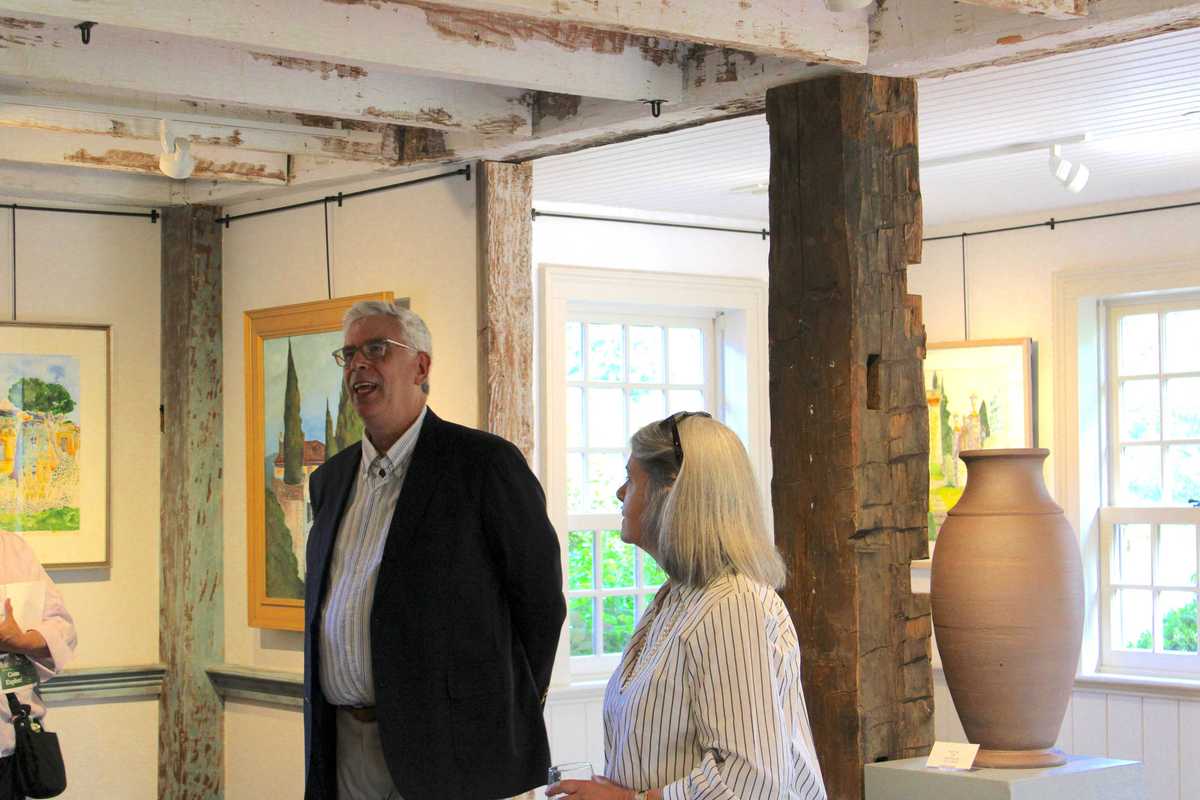
Artist Adam Van Doren and curator Donna Hassler talk to a group of visitors at the Berkshire Botanical Garden. A Stephen Proctor vessel sits to their left.

Photo by Natalia Zukerman

This summer, the Berkshire Botanical Garden in Stockbridge has hosted “Grounded in Nature: Paintings by Adam Van Doren,” an exhibition exploring the intimate relationship between architecture and the natural world.

On view for only a few more weeks in the Leonhardt Galleries, the exhibition features more than 35 watercolor and oil paintings by the New York-based artist, architect, author and Yale professor, curated by art historian Donna Hassler, director emerita of Chesterwood. The works span three distinct places that have shaped Van Doren’s artistic practice: New York City, Cornwall, Connecticut, and his travels throughout Europe.

Keep ReadingShow less
google preferred source

Want more of our stories on Google? Click here to make us a Preferred Source.
google preferred source

Want more of our stories on Google? Click here to make us a Preferred Source.