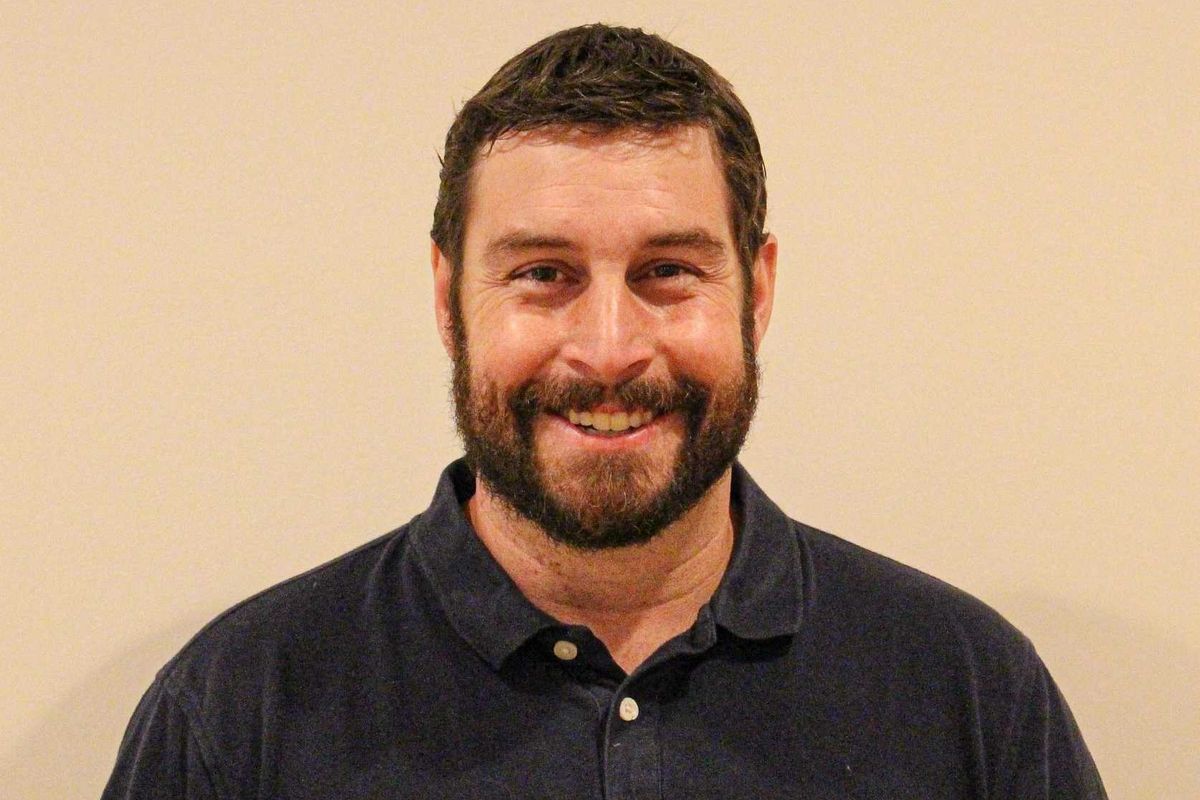
NORTH CANAAN — Jesse Bunce’s victory for first selectman was as narrow as elections get in town politics: a two-vote margin that required a recount and ushered in a transition period that, by Bunce’s own description, “has not been perfect.”
Bunce, 38, assumed the town’s top job after only a few years in local government and following a period of friction on the Board of Selectmen, where he served alongside former First Selectman Brian Ohler, whom he narrowly defeated and who remains on the board.
Asked whether he was surprised he beat Ohler, Bunce said he expected a close finish. “I put in a lot of work in the campaign, so I did think the numbers were going to be close,” he said. “I didn’t know where it was gonna go, though, honestly.” He added that the result wasn’t really an upset because “it was just so close.”
Now, Bunce is framing his first term as a reset — a push to reduce divisions, rebuild trust and keep the town focused on practical needs.
“That’s my hope,” he said when asked about North Canaan’s next chapter, adding that working together is essential in a town with limited resources.
“We don’t have the tax base like some of our surrounding towns, but we do have a lot of people willing to volunteer, come together and get things done,” he said. “And I feel that’s our key to success.”
Bunce grew up in North Canaan and went through local schools before attending Oliver Wolcott Technical High School in Torrington. He lives in town with his wife, Kim, and two young boys. A third child is due in late January.
He began working for an electrical company while still in high school and stayed in the trade after graduating, shifting careers after the 2008 economic downturn.
“I had an excavation landscape business that I would do on the weekends and at night. So I just went on to that,” he said.
The excavation business dates back to his grandfather, who moved to North Canaan from Massachusetts. “My grandfather actually started it in 1964,” Bunce said, noting that he later bought out his father.
Bunce said that experience will help him fulfill his priorities at Town Hall, particularly improving infrastructure, maintaining and pricing equipment, and estimating costs for grant applications.
“That’s definitely one of my strong suits coming in [as first selectman] — with road work, infrastructure and equipment,” he said.
His path into politics began with town boards, starting as a zoning alternate after navigating the process himself. “I came and had to go through a few meetings, so I saw the process of it and wanted to get involved,” he said.
Bunce was elected to the Board of Selectmen for the first time a little over two years ago with the endorsement of the Democratic Town Committee, despite being a Republican. He said he had established a strong working relationship with the committee prior to its backing and emphasized that party labels matter little in the day-to-day work of local government.
The DTC also supported him in the first selectman race.
“We need to think what’s best for the town [not party affiliation] and try and move forward with that.”
That message of what’s best for the town was tested early, with a bumpy transition that included technology problems and operational delays, including disruptions tied to the town’s online tools and a delayed payroll at the elementary school.
At his first Board of Selectmen meeting as first selectman in December, Bunce acknowledged “early bumps,” telling residents, “This process has not been perfect. We are working through it all.”
Ohler, who sat along side him at the meeting, pledged cooperation. “You have my assurance. I will give you my full support when it is of benefit to the town,” he said, adding that discussions “will be professional” and “based on substance, not rhetoric.”
Bunce said steady communication with staff, department heads and residents will be key. He plans to be in Town Hall frequently, aiming for Mondays in the office “all day” and shorter visits throughout the week.
Asked how he would measure success when his term ends in two years, Bunce said, “If the town is flowing well, if we can achieve some of these grants… if our board is working well together.”
His policy priorities focus on improving town assets and maintaining existing infrastructure.
He said the town pool is “in really bad shape” and described plans to seek a state STEAP (Small Town Economic Assistance Program)grant to refurbish the pool house, improve accessibility and refresh athletic facilities, with construction possible in “summer of 2026.”
He also cited road and bridge repairs, saying “a lot of our roads have been neglected over the years,” and pointed to needed work on West Main Street.
Beyond infrastructure, Bunce said he wants to explore more programs for children and working families, including expanded after-school athletics.
He said property taxes are high and affordability is a concern, reinforcing his goal of keeping costs down and reducing long-term expenses.
Bunce said progress will depend on collective effort.
“I think everybody wants to be a part of making the town better,” he said.

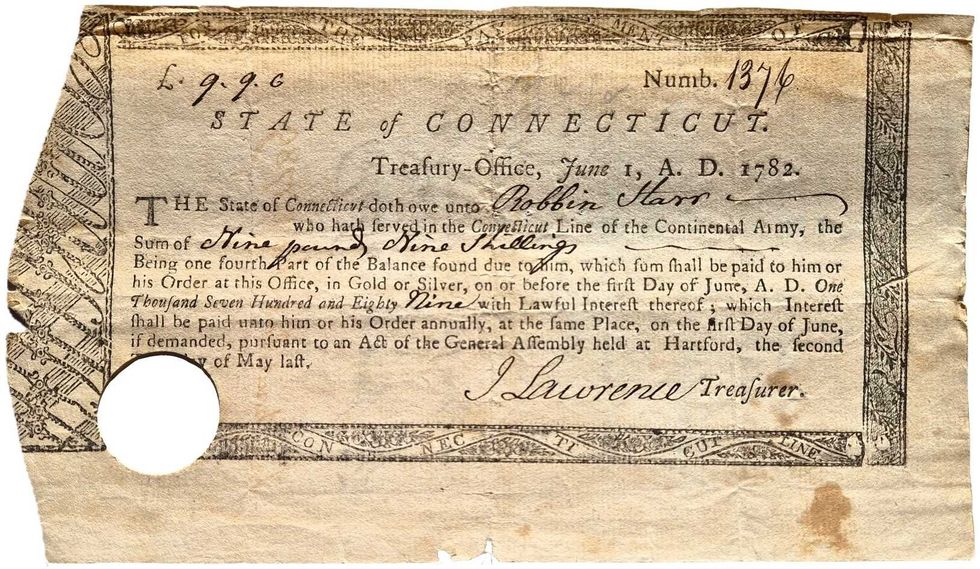 Pay Bill for Robin Starr’s service in the Continental Army.Courtesy the Alex Breanne Corporation
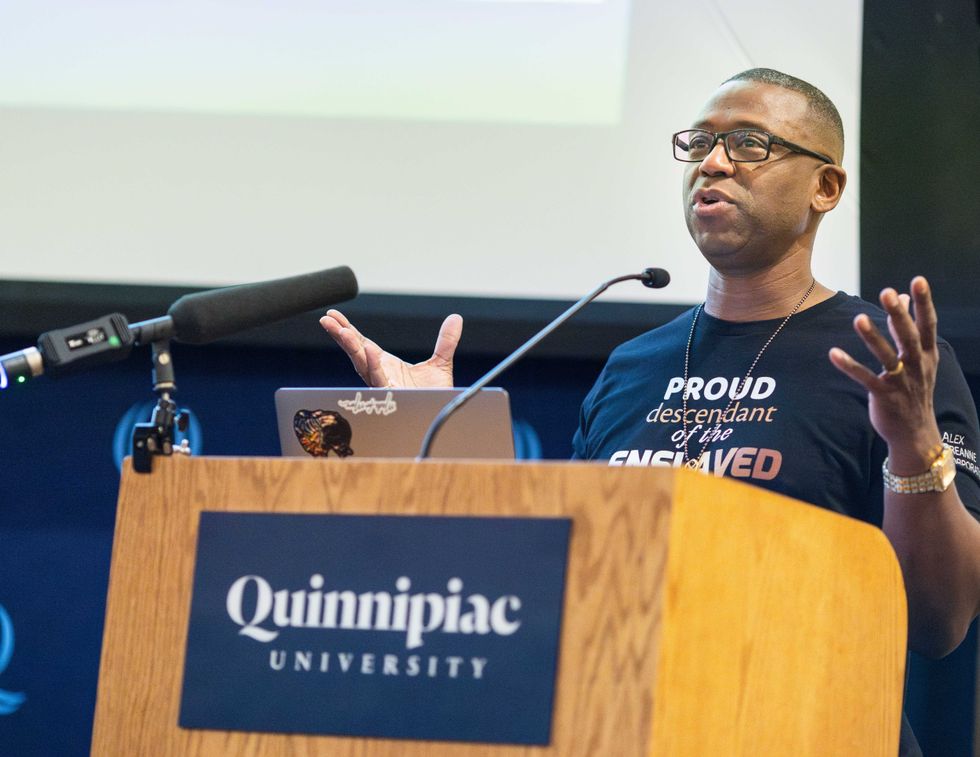 John Mills speaking at Quinnipiac University.Courtesy the Alex Breanne Corporation
 Stephanie Saetta,with her rescue dog George and Blue (left), a shepherd mix awaiting his forever home.Madi Long
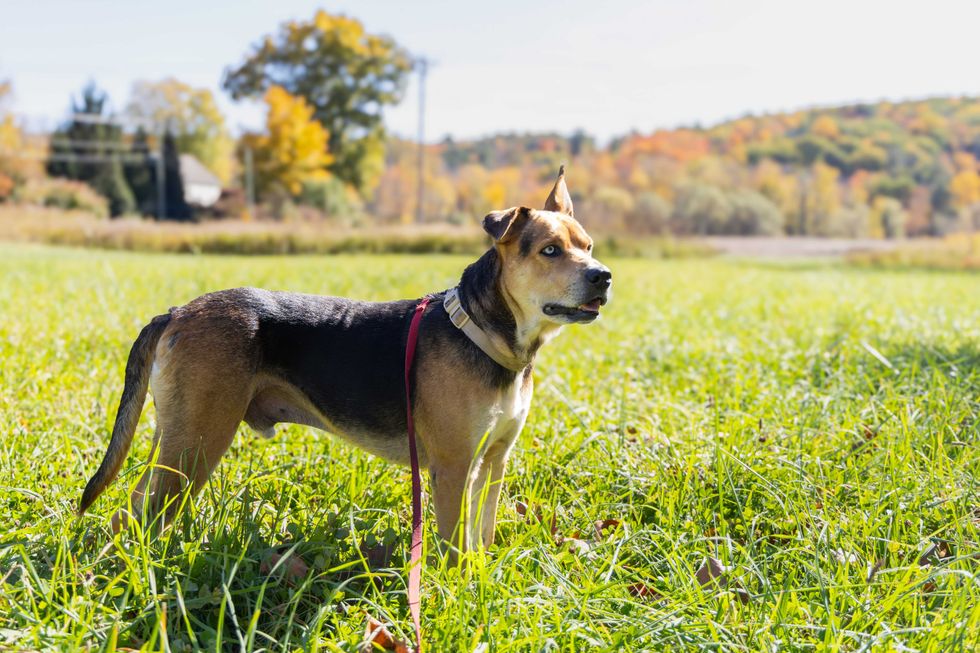 Blue, a 7 year-old Shepard mix, is waiting for his forever home. Madi Long