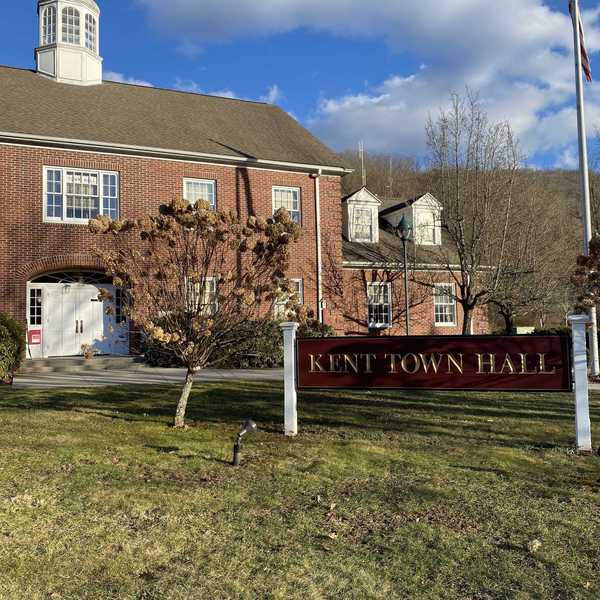
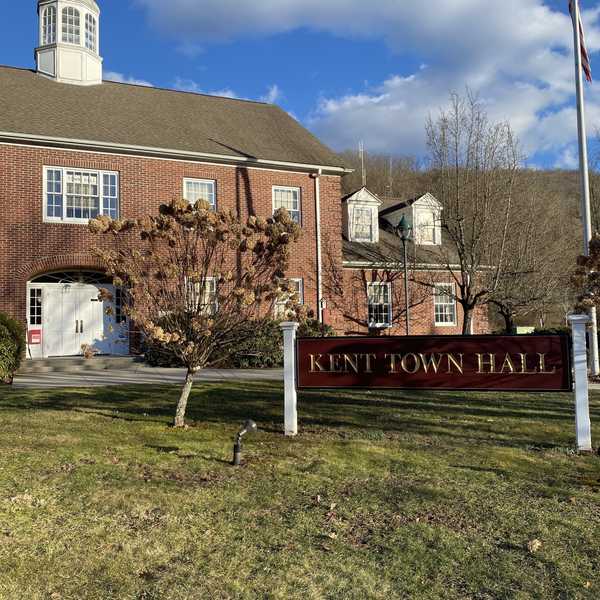
KENT — After receiving several complaints from residents on the overabundance of signage in downtown Kent, the Planning and Zoning Commission (P&Z) created a subcommittee last month to update the regulations to ensure the town maintains its small-town feel.
The Subcommittee of Signage Regulations Revisions has met three times and plans to have the revised rules ready by 2027.
The subcommittee is composed of existing P&Z members as well as other community leaders, such as Kent Memorial Library Executive Director Sarah Marshall and Fife ‘n Drum Restaurant & Inn Owner Elissa Potts, bringing both commission and local business perspectives to the review.
According to Land Use Administrator Tai Kern, the rules and regulations are “outdated” and have been in need of revisions for some time now.
“The signage has gotten to a point where it’s getting a little bit much, and we got some complaints, which ultimately forced the commission to create a subcommittee,” said Kern.
While the revisions are being developed, all meetings, materials and proposed changes can be found online. Currently, the subcommittee has addressed issues such as the size of internally illuminated signs that can increase light pollution.
In an open letter to Kern and the subcommittee, one Kent resident stated the need for the updated rules:
“Visitors come to Kent and easily imagine what it was like to live in a small, friendly community in a simpler time. Kent’s understated charm is evocative. The human scale of the town invites our visitors to come here to unwind and imagine a life with a slower pace, fewer complications, and fewer assaults on the senses,” wrote John Casey concerning Kent Green.
Casey and Kern both said that the revisions will be less about enforcement and more focused on clarification on how best to attract weekend visitors and tourists without disrupting the architectural standards of Kent.
According to Kern, many visitors can miss the small businesses located beyond the railroad track that runs through Kent, and the subcommittee’s ultimate goal is to “promote economic growth” for everyone in town.
“The village center has this quintessential New England kind of character. Especially this time of year, all the leaf peepers, everybody comes, so it’s a very touristy kind of destination,” said Kern. “Nobody really wants to see anything too cluttered or too outrageous, because it would change why people come here in the first place.”
Kern said a public hearing on the proposed revisions is expected in 2027, although no official timeline has been set.