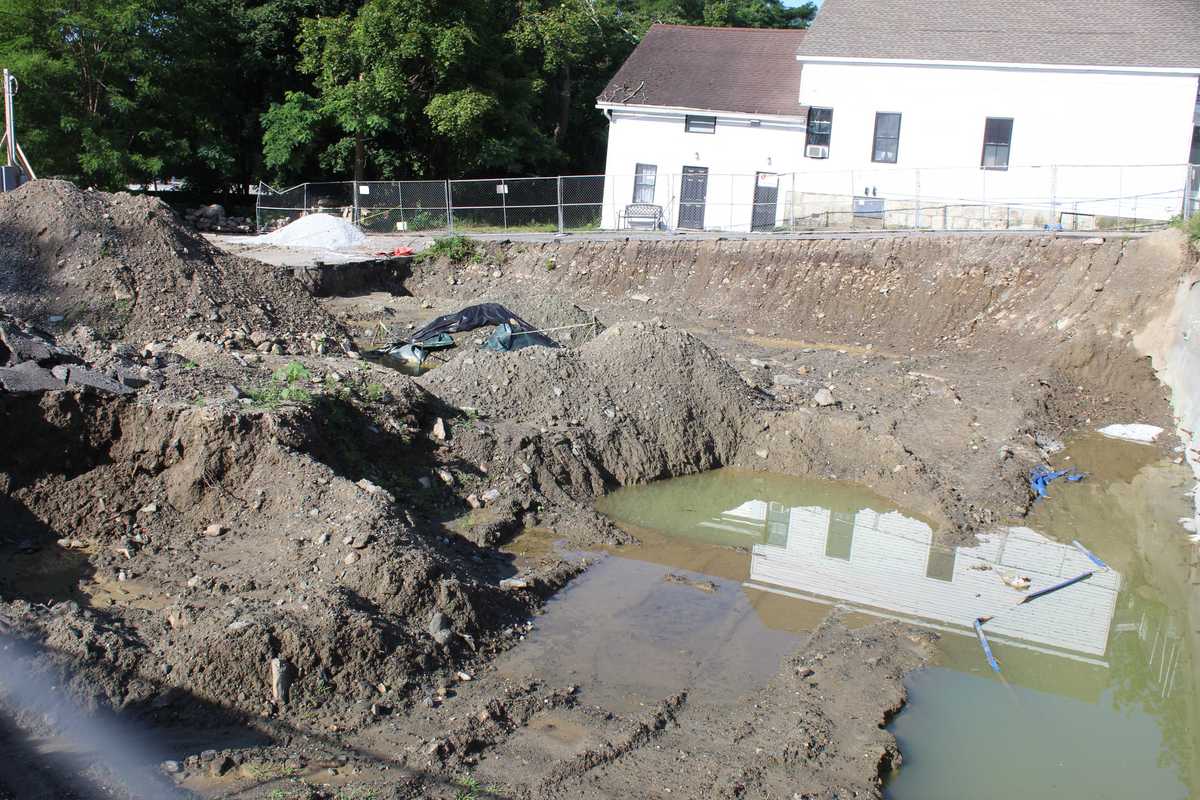
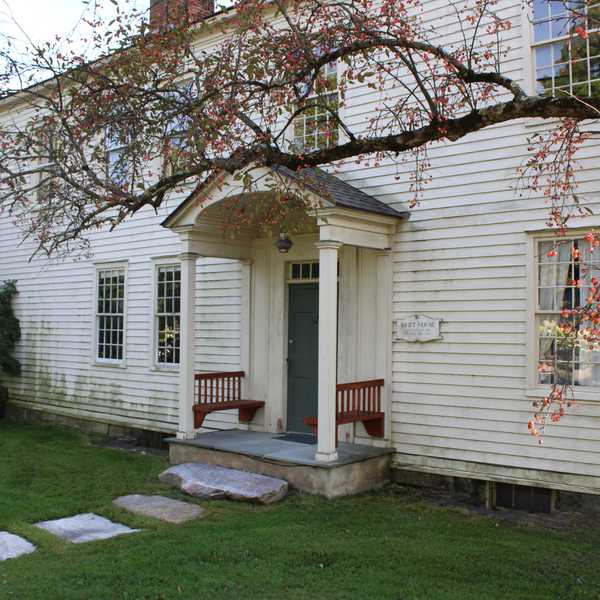
KENT – After months of studying the future of the historic, long-vacant Swift House, a town committee will present three options to the Board of Selectmen on Sept. 14: sell the property, borrow money to restore it at once, or retain town ownership and complete the work in phases.
The Swift House Investigative Committee, tasked with evaluating what should be done with the building, recommends placing a historic preservation easement on the late-18th-century building to prevent its demolition and protect its exterior.
The town has owned the Maple Street property since 1974, but the building has remained mostly unused in recent years.
At the committee’s Sept. 2 meeting, member Lynn Harrington, who is also a selectman, said support has shifted toward selling the property.
“Our committee and the previous committee have basically come up with the same thing,” she said, referring to efforts to identify a public use. “There isn’t one use that everybody’s going, yes, that’s the one.”
Previous proposals have included space for the town food bank, Social Services Department offices, a welcome center, and an upstairs rental residence.
Returning the building to public use would require bringing it into compliance with the Americans with Disabilities Act. A previous assessment estimated a full rehabilitation would cost more than $2 million.
One option would be for the town to borrow funds to complete the work all at once. Committee member Jason Wright, who also serves on the Board of Finance, has said he does not believe that board would support using the town’s borrowing capacity for it.
The phased-restoration option would eliminate or postpone some improvements and spread the work over 10 years, at an estimated cost of up to $1.8 million. Funding could include town capital funds, grants, and private donations raised by an advisory committee or nonprofit.
The committee also recommends seeking listing on the National Register of Historic Places, which could improve the building’s eligibility for grants.
Wright called the house a valuable public asset in a town with a tight real estate market.
“I don’t have strong feelings about [the] Swift House, but financially, it is an asset,” he said.
Other members warned that postponing a decision would increase costs.
“It’s going to get more and more expensive the more we kick the can down the road,” said Margie Austell of the Kent Historical Society. “Maintenance costs money.”
If the property is sold, one proposal calls for directing the proceeds into a fund reserved for historic preservation.
Several residents have supported finding a private buyer experienced in restoring historic properties.






 Housatonic’s Avya Fenn spikes the ball.Riley Klein