In the last column we met scientists Joan Strassmann and Pierre Stallforth, and left Joan, lying on the ground in a Virginia forest, peering through a magnifying glass at a pile of steaming deer scat. She saw the first Dictyostelium fruiting body in the wild, sprouting out of a pellet of poop.
We thought that was fun, but a small thing, a curiosity. But something bigger came of it. (The Nitty Gritty Dirt Band is at Mashantucket on Aug. 5). That song could be an anthem of science; progress usually springs from small starts. The origins of microbiology and much of medicine derive from Louis Pasteur’s experiments with crystals of sodium tartrate, followed by step including the germ theory of disease, that built over time.
In the 1960’s some physicians thought they had infection on the run, but they had not reckoned with the uncanny ability of bacteria to mutate to drug resistance. In 1961, I asked a pediatrician friend of my family if he could help me find antibiotics among the molds of Laconia, New Hampshire. Great idea! he said, and we set to work; I planned to exhibit at the high school science fair. I isolated molds and Dr. Baker taught me to spread bacteria on blood agar petri dishes and then put molds next to them. We hoped that secreted fungal products would kill renal E. coli and pathogenic Streptococcus bacteria. None did.
New antibiotics are still a priority, and some of the methods are the same as when Alexander Fleming discovered penicillin in the 1920’s. Find something that grows on a Petri dish and test it against bacteria. This approach has limitations — most microorganisms do not grow on a Petri dishes filled with nutritious agar. Sebastian Götze and his colleagues in Pierre Stallforth’s lab in Germany developed a method to find antibiotic producing genes that avoids these problems.
They call it “ecological niche genome mining.”
They found a group of organisms growing together in what ecologists and evolutionary biologists call a niche. The organisms compete but have produced a stable co-existence that could require production of an antibiotic by one or the other member of the community. The goal is to find the gene that produces that antibiotic. They do not have to grow the organisms on Petri dishes. At this point, scientists (or students) collect the community of cells and dissolve them in a detergent that destroys most molecules but leaves DNA intact. The DNA comes from many species, but no matter. They can be identified by the sequences recovered. Students are valuable in this effort and can quickly end up with enough DNA in a plastic tube to work for a long time. Soon they learn to sequence DNA and analyze it. Finding something useful tends to concentrate their minds.
The Keanumycins (after Keanu Reeves), came from Pseudomonas bacteria living in the fluid of a Dictyostelium fruiting body, descendants of the one Dr. Strassmann found in Virginia. That niche was composed of Dictyostelium amoebae that had transformed into a fruiting body that had a droplet of a few microliters at the top of a stalk. The droplet (our niche) had about 80,000 tough spores. It also has Pseudomonas bacteria called QS1027, that floats outside the spores.
Sometimes a nematode crawls up the stalk and writhes in the droplet of our little community, making it shake. Shaking fruiting bodies with worms in them are a little freaky the first time you see them. Victor Zaydfudim, a high school student in our lab noticed them 20 years ago.
What do the Keanunmycins do? There are three, plus several others that detected earlier. They do not kill bacteria. Rather, they punch holes in cell membranes of amoebae and fungi, which can be dangerous pathogens. Keanumycin A is a complex ring molecule with a two variants.
One amoeba of Dictyostelium can eat 300 pseudomonas bacteria in an hour, but not when the bacteria make keanumycin and or a second drug called jessinipeptin. These are lead natural product compounds for a new class of antibiotics.
Keanumycin A kills Dictyostelium at very low concentration, which is expected from its derivation, but it also kills several pathogenic Acanthamoeba species. The drug resistant yeast strain Candida auris, which can kill humans, is also controlled by keanumycin in vitro. (We are a long way from injecting these drugs).
The most important effects of keanumycin may be in agriculture because it kills Botrytis cinerea and other phytopathogens, Botrytis blight is a serious pest of greenhouse crops and vineyards. Pierre Stallforth and his colleagues are using the Hydrangea plant as their model organism.
Botrytis infects hundreds of plants, so they chose one. I wonder if these or other natural products will help control diseases of our trees.
Richard Kessin, Ph.D, is Emeritus Professor of Pathology and Cell Biology in the Department of Pathology and Cell Biology, College of Physicians and Surgeons, Columbia University Irving Medical center. His columns are at RichardKessin.com.

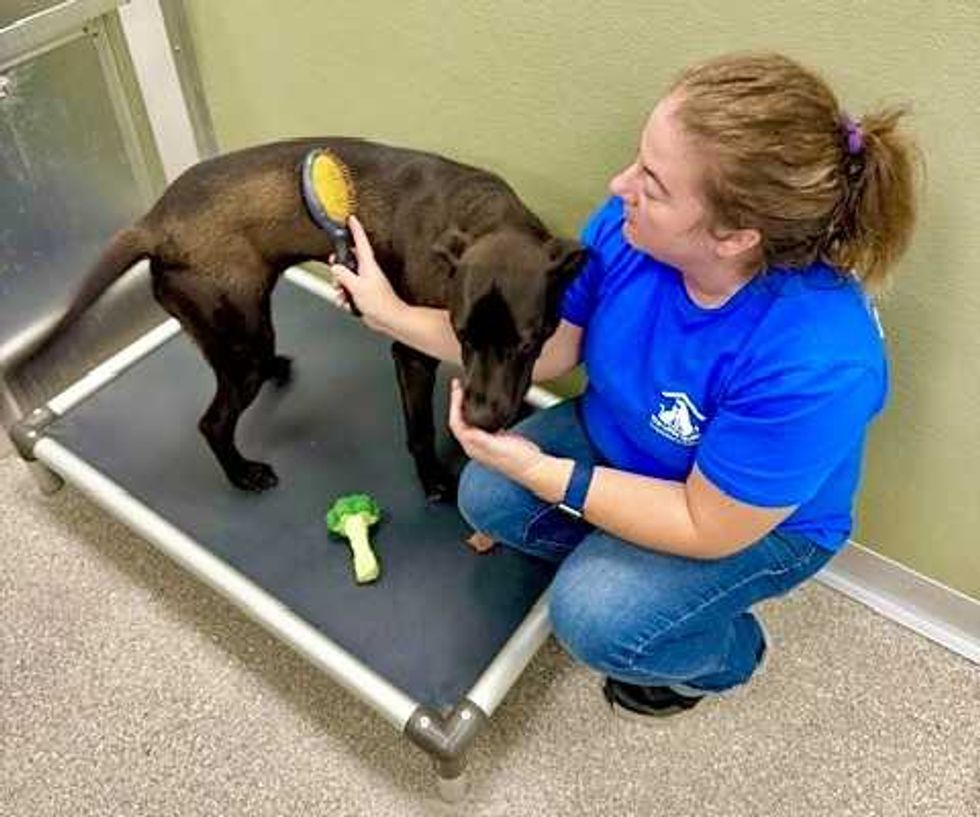 Tiffany Lemelin, shelter manager, brushing Marsala upon arrival.Provided
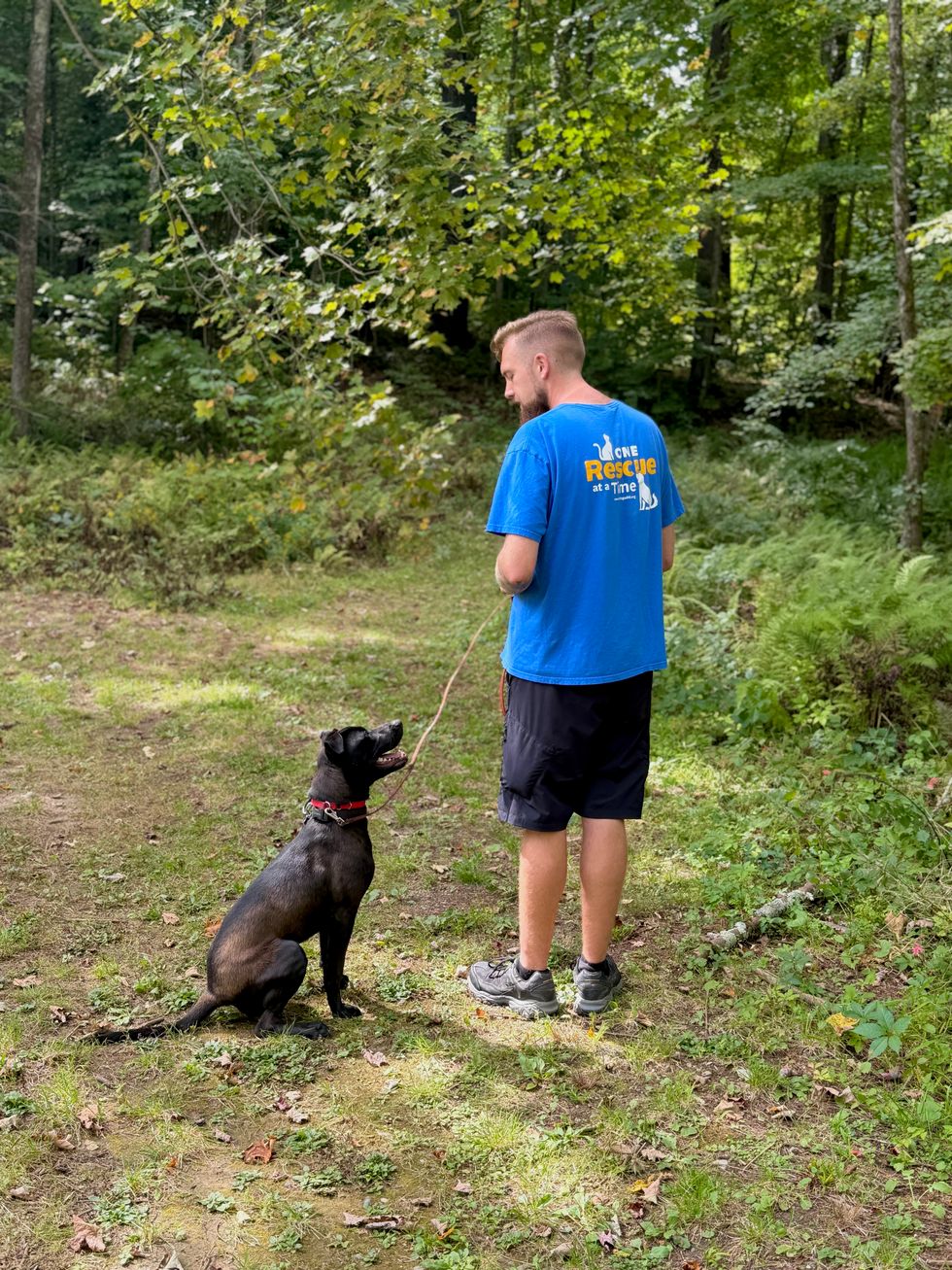 Michael DeBarba, certified dog trainer working with Marsala.Jennifer Almquist
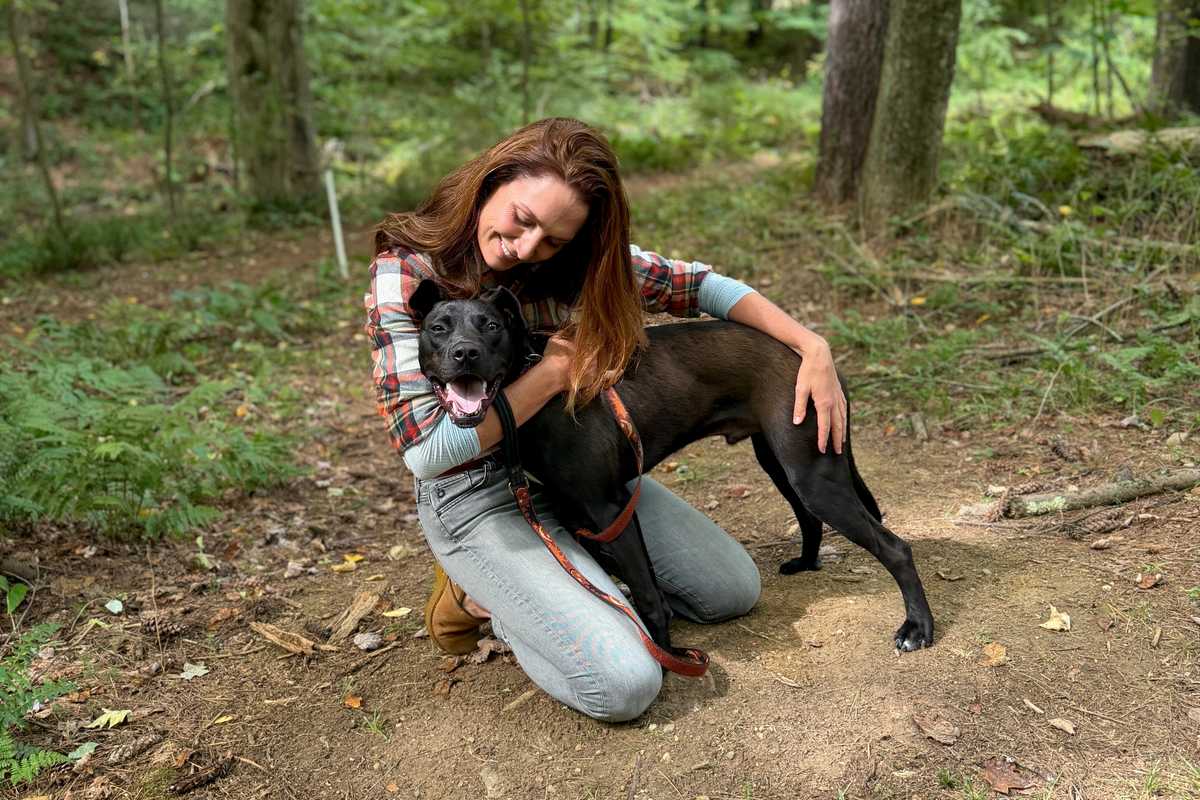 Marsala wins a heart.Jennifer Almquist
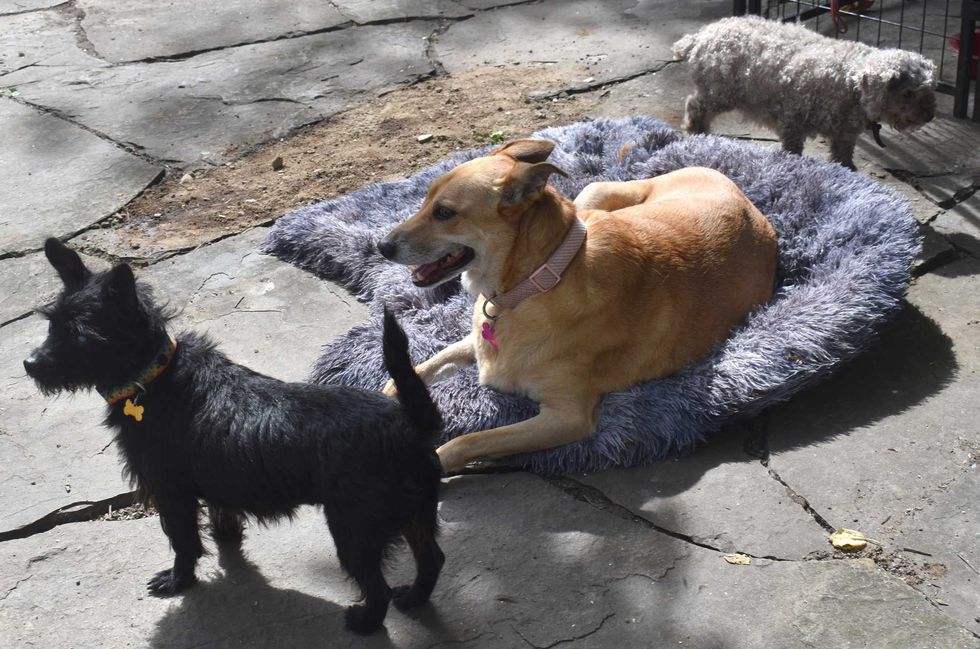 Sadie, center, a Carolina dog, plays with her friend Negra, a terrier mix. Bella Linda, the small poodle, has since been adopted.L. Tomaino
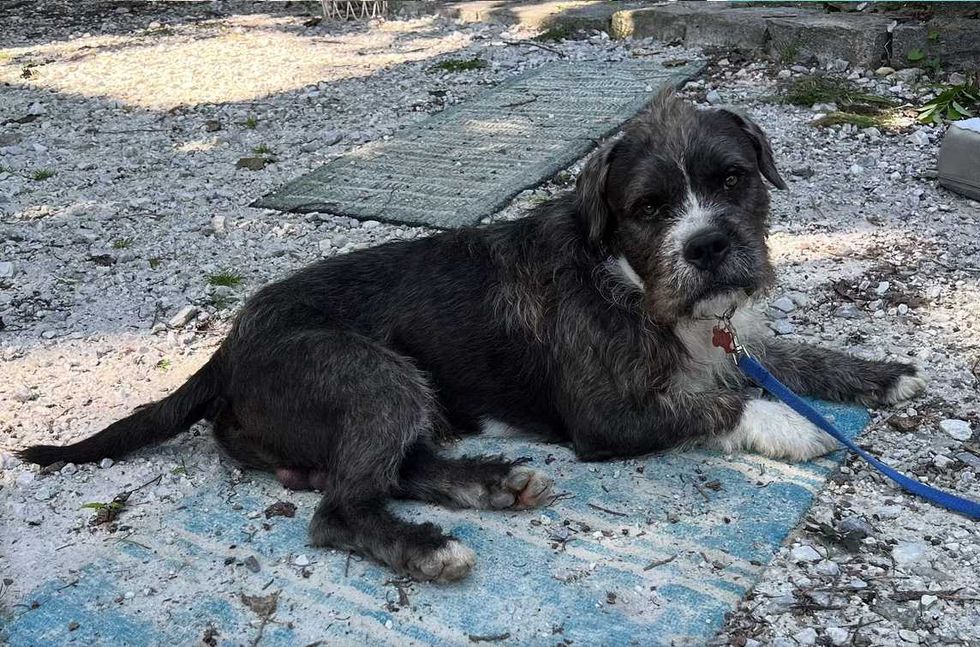 Wesley, a young, exuberant mix, is looking for an active home.L. Tomaino
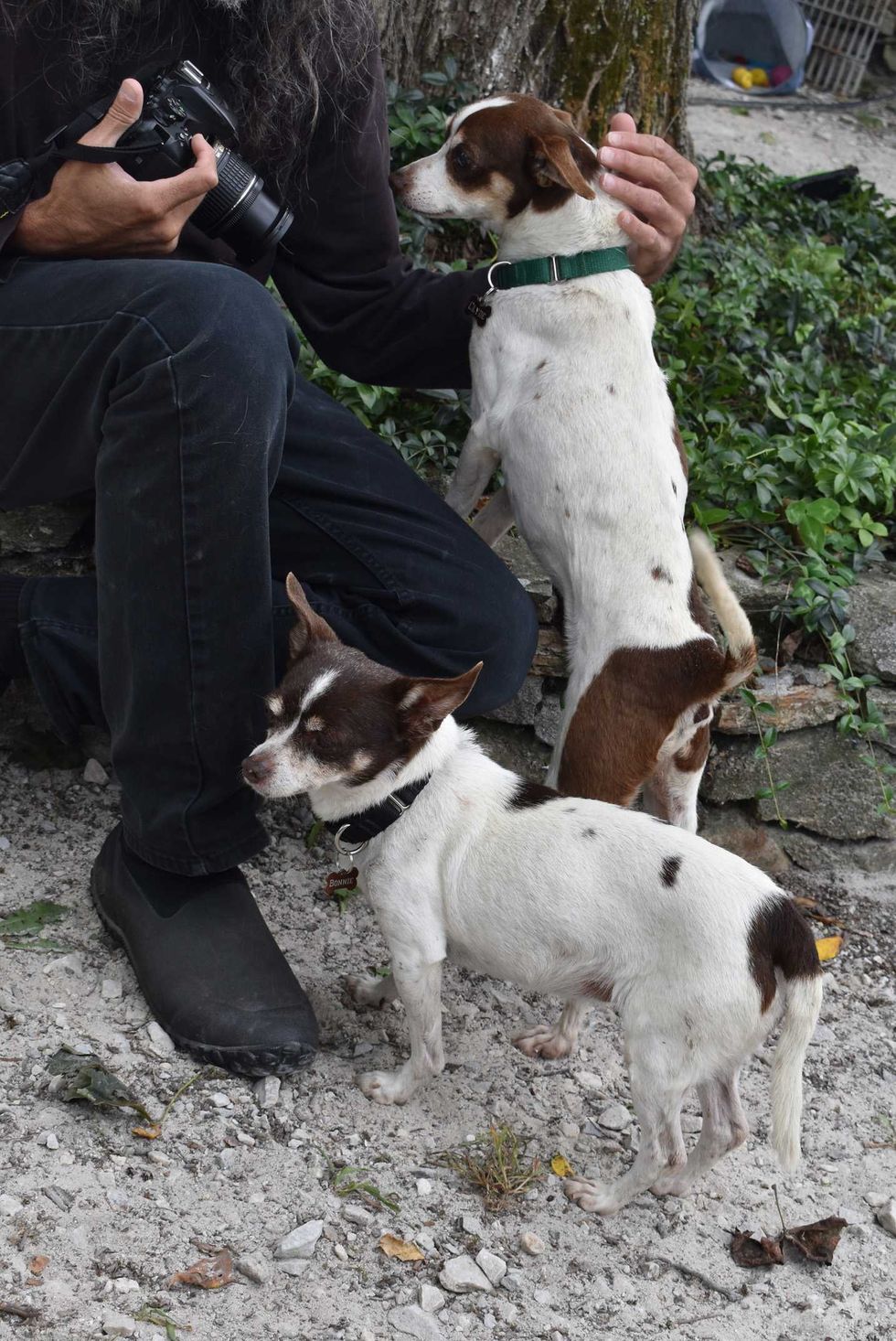 Bonnie and Clyde, an affectionate terrier pair.L. Tomaino

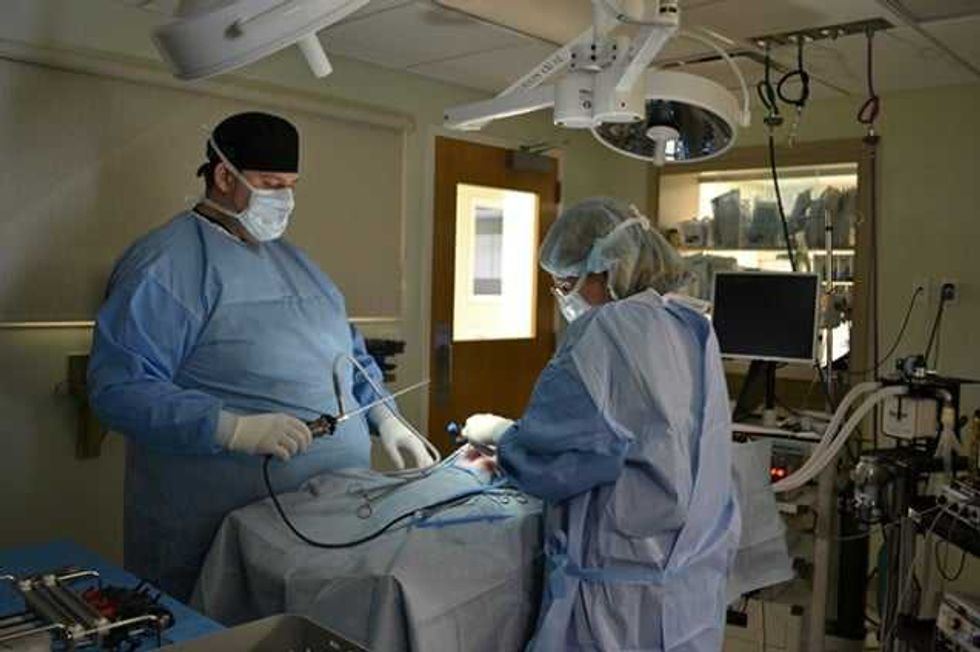 Provided