Only a few residents spoke during six virtual forums held Oct. 20–22 on Region One’s organizational study. Those who did questioned whether consolidation would save money and raised concerns about longer bus rides and the effects on local schools.
Superintendent Melony Brady-Shanley led the forums to discuss recent survey results and hear residents’ views as the region examines its kindergarten-through-eighth-grade structure amid declining enrollment and rising costs. No consolidation plan has been adopted, and the study has no predetermined outcome.
The survey drew 860 participants, with 572 completing the questionnaire in its entirety. Among the 592 people who answered the relevant questions, 77% favored retaining an elementary school in their town, regardless of its grade configuration. A seventh- and eighth-grade program at Housatonic Valley Regional High School drew support from 54%, while 46% opposed it.
Brady-Shanley said at one of the forums that she regretted specifying Housatonic as the location in the middle school question.
“If I hadn’t put in the high school, there may have been more in favor of that,” she said.
The study will include a 12-member community subcommittee, with each town’s Board of Selectmen and Board of Education each selecting one community representative, preferably someone who does not serve on either board.
The study is expected to continue through May 2027, with findings presented in June 2027.
At each town forum, Brady-Shanley reviewed the town’s survey results, which are available at region1schools.org/organizational-study/, and sought feedback.
During the Cornwall forum, First Selectman Gordon Ridgway said parents had raised concerns about the time children would spend on buses.
“The less time spent on buses the better,” Ridgway said.
Ridgway questioned whether consolidation would produce savings, noting that local school buildings would still require maintenance.
“It would be helpful to know if this type of movement saves money. We’d still have to maintain local buildings. People are satisfied with the Cornwall Consolidated School education. The benefit of a local school is huge.”
“If it ain’t broke, there’s no need to fix it,” he added.
Ridgway also noted that school volunteers save the town money.
He asked how voting would work if the districts were regionalized, adding, “People like seeing the board members around town and having access to their decision making.”
Brady-Shanley said similar concerns about the study had been expressed in other towns.
Nikolle Lizana asked whether any particular circumstances had prompted the study now.
“I heard it surfaces every 10 to 15 years,” replied Brady-Shanley. “What spurred the conversation was where we are financially and enrollment.”
At the Kent forum, a woman asked whether there had been discussions with other districts about their approaches to consolidation. Brady-Shanley said the subcommittee would conduct that research.
In North Canaan, a woman raised the need for affordable childcare. Brady-Shanley said she had instituted free pre-kindergarten in her former district and hoped to explore that possibility for Region One.
In Falls Village, nearly two-thirds of those who answered the question supported a regional seventh- and eighth-grade program at HVRHS, compared with just over half region-wide.
At the Falls Village forum, Laurie Wadsworth, who runs the front office at Lee H. Kellogg School, said she was disappointed in the survey participation, which drew 111 respondents from Falls Village.
“I think we got to the school population, but I wish the resident population was a little higher.”
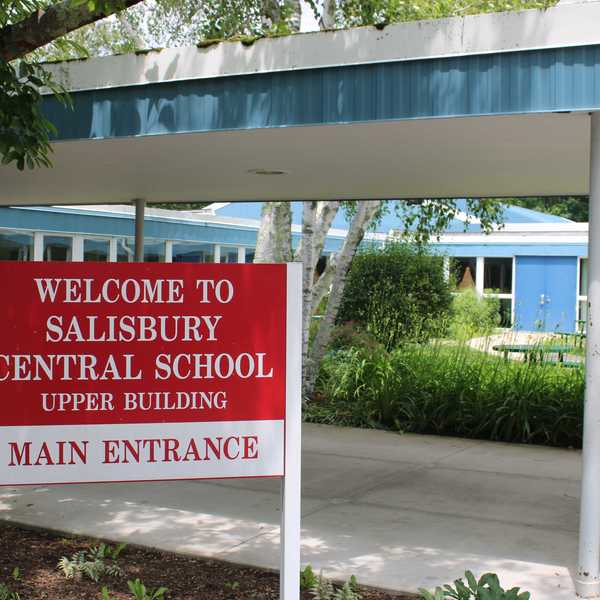
In Salisbury, a majority of those who answered the question opposed a regional seventh- and eighth-grade program at HVRHS, with 58% against and 42% in favor.
David Valcin, chairman of the Salisbury Board of Education, said concerns about bringing middle and high school students together had also surfaced during discussions about the regional middle school sports program.
He said he understood parents’ concerns, but noted that middle and high school athletes had ridden the same buses in recent years without incident.
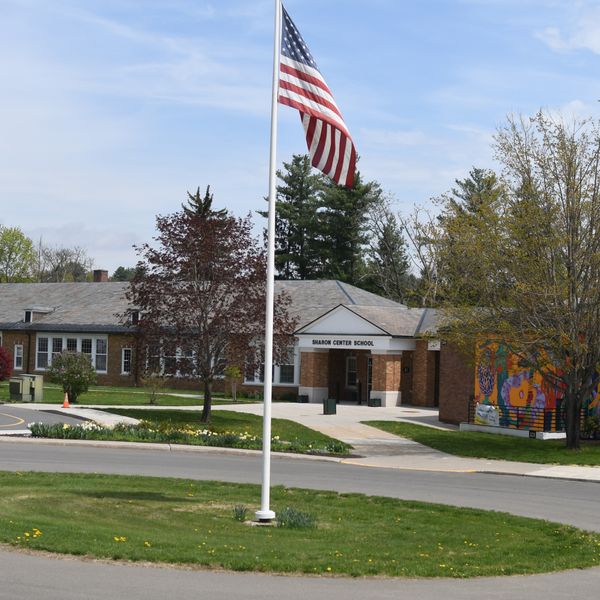
Lilly Rand teaches art at HVRHS, has two children at Salisbury Central and taught for several years at Sharon Center School.
She said she can’t imagine having a middle school program at the high school because of the impact on town school enrollment.
“Sharon needs more kids.”
A majority of the 108 Sharon residents surveyed wanted to ensure the town had equal representation despite its smaller student population.
At the Sharon forum, residents asked how other towns had responded to the survey and expressed hope that communities shared more common ground than differences.
“I’ve always been curious and maybe a little trepidatious because our region is so quirky,” said Sharon’s Region One representative, Sara Cousins. “What are the roadblocks… as we talk?”

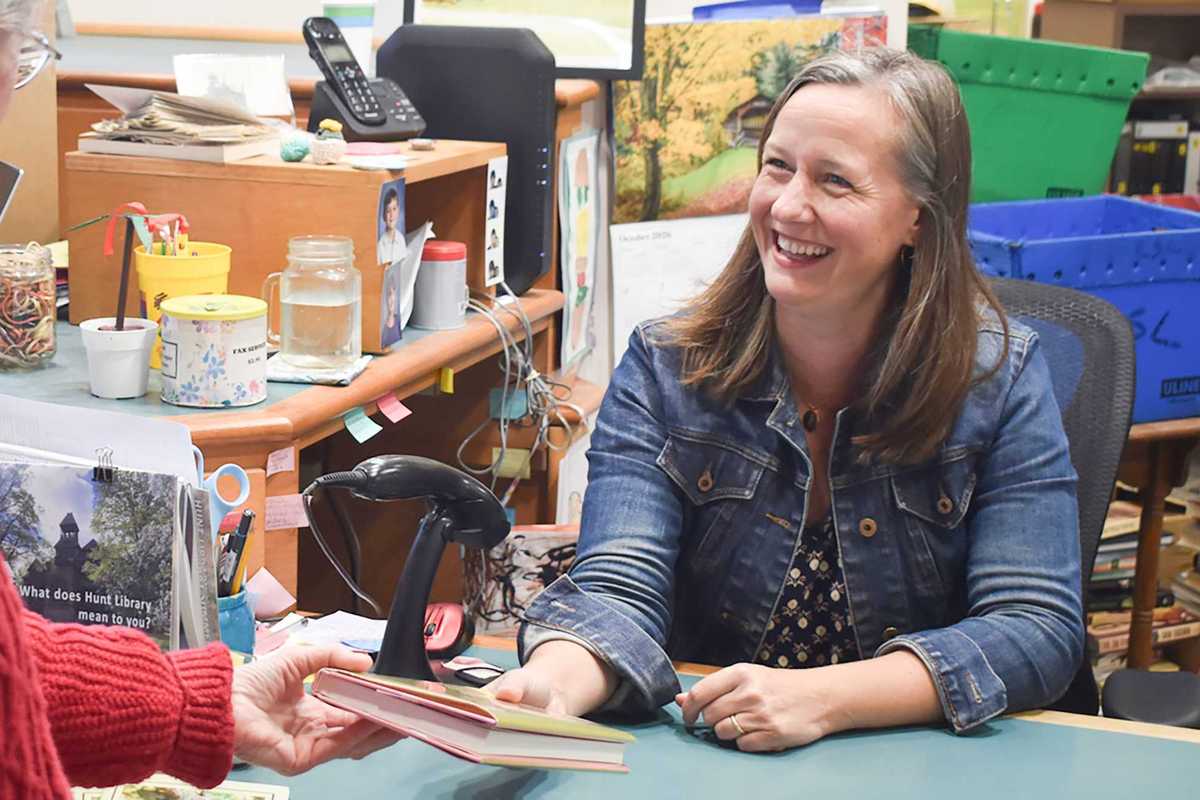
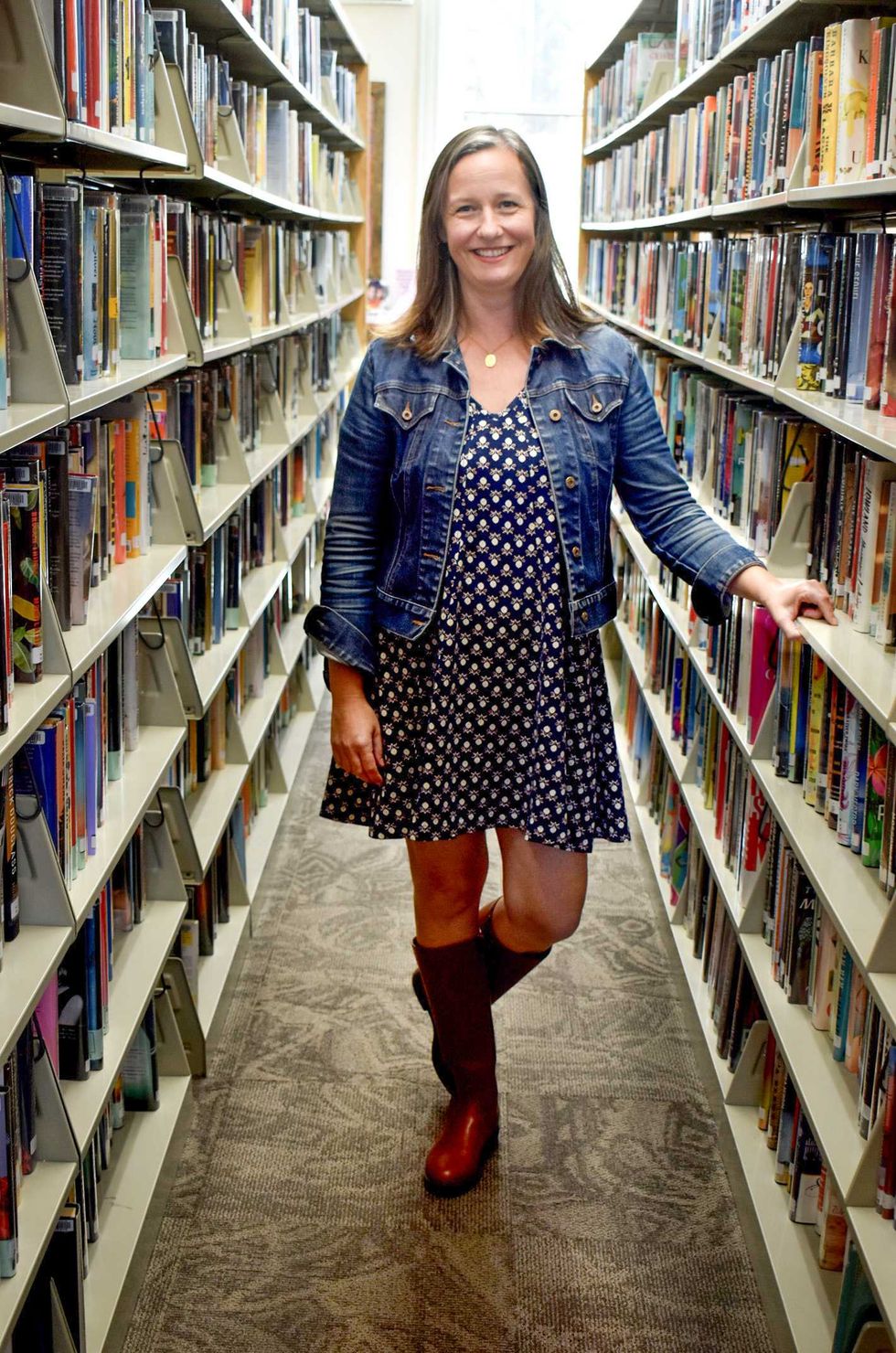 Meg Sher, executive director of the David M. Hunt Library in Falls Village.L. Tomaino





 Samir LanGusProvided