FALLS VILLAGE — Respondents to Region One’s organizational study survey strongly favor keeping elementary schools in their communities but are closely divided over establishing a seventh- and eighth-grade program at Housatonic Valley Regional High School.
Among the 592 people who answered those questions, 77% preferred retaining an elementary school in their town, regardless of its grade configuration. A proposed middle school program at HVRHS drew support from 54%, while 46% opposed it.
The survey, which was open from Aug. 16 through Sept. 23, drew 860 participants, with 572 completing the questionnaire in its entirety. Participation varied by question, and respondents included people who live outside the region.
Region One Superintendent Melony Brady-Shanley said she was pleased with the participation and the thought people put into sharing their opinions.
She said the answers reflected a “good balance,” adding that these are issues that need to be talked about.
The study began last spring to evaluate the region’s K–8 structure amid declining enrollment in several smaller schools and rising operational costs. Brady-Shanley and Business Manager Sam Herrick are leading the work.
The study will examine demographic trends, enrollment patterns and operational capacity to identify ways to improve educational opportunities, ensure equity and maintain financial sustainability. It will also consider the history and traditions of local schools, providing information to help each local board of education and community make decisions about its school.
Of the 790 participants who answered the residency question, 142 were from North Canaan; 136 from Salisbury; 111 from Canaan/Falls Village; 108 from Sharon; 91 from Cornwall; and 79 from Kent. Another 123 lived outside the region.
Parents or guardians of current Region One students were the largest group participating, accounting for 342, or 43%, of the 794 people who identified their primary perspective. Region One employees were the next largest group, with 126 responses.
The questionnaire covered community and school identity, educational opportunities and services, classroom size, governance and resource sharing.
Keeping a local elementary school was a clear priority, but respondents also showed openness to considering structural changes. Asked about a future organizational design that could improve educational opportunities, sustainability and financial efficiency, 55% said they were very or extremely open to considering changes. Another 27% were moderately open.
The survey found particularly strong support for universal pre-kindergarten, with 85% favoring a program free of charge to families.
Classroom size was another area of agreement. Some 82% preferred a balanced class size that provides enough peers for social-emotional growth, diverse perspectives and group collaboration. Eighteen percent said smaller classrooms are always better, regardless of how few students are in the room. Eleven to 18 students was the most frequently selected first choice for optimal classroom size.
Respondents also supported cooperation across schools. Seventy-three percent rated sharing resources or services as very or extremely important when it improves efficiency without reducing educational quality.
Maintaining a voice for each town remained a priority: 83% said representation from each Region One community in educational decision-making was very or extremely important.
Educational quality ranked first among priorities for long-term sustainability. When asked to balance educational opportunities and local tax impact, 40% said educational opportunities should take priority even if costs increase. Another 34% said the two should receive equal consideration, while 22% prioritized financial efficiency when educational quality could be maintained. Just 4% made limiting tax increases the primary consideration.
Written comments reflected differing views about how to achieve those goals.
“I would like the Region One schools to remain the same for the next generation of students,” wrote one respondent who identified as a Region One graduate and current employee. “I like the distinction of each school and how each community possesses its own identity.”
Another respondent favored bringing older students together.
“I think that merging middle school students from different Region One towns makes a lot of sense in order to provide social and educational enrichment for middle school students to prepare them for high school.”
Others supported regional cooperation while retaining local elementary schools.
“A school is greater than the sum of its parts,” one respondent wrote. “It is a community hub, a place where kids and parents are connected to each other across the community.”
Another proposed a unified pre-K–12 learning community with shared leadership, curriculum, staffing, student services, technology, transportation, purchasing and long-range facilities planning.
One respondent argued that combining schools would benefit students in very small classes.
“Combining schools (pairs, regionally, etc.) provides better educational opportunities for the children and communities than having classrooms that are empty and grades with only 1-2 students per class.”
Others strongly opposed changing the existing structure.
“We have gone down this path several times before. Please leave our schools alone…The system works!” one respondent wrote.
The survey results describe the preferences of participants rather than all residents, and the combined report does not show how views on individual proposals differ by town.
Virtual forums scheduled for Oct. 20–22 will present regional and town-specific survey results and provide time for questions and feedback.
The Canaan/Falls Village forum will be held Tuesday, Oct. 20, from 6 to 7 p.m., followed by Cornwall from 7:15 to 8:15 p.m.
Kent’s forum will be Wednesday, Oct. 21, from 6 to 7 p.m., followed by North Canaan from 7:15 to 8:15 p.m.
Salisbury’s forum will be Thursday, Oct. 22, from 6 to 7 p.m., followed by Sharon from 7:15 to 8:15 p.m.
Google Meet and telephone access information is available in the forum notice on the Region One website.

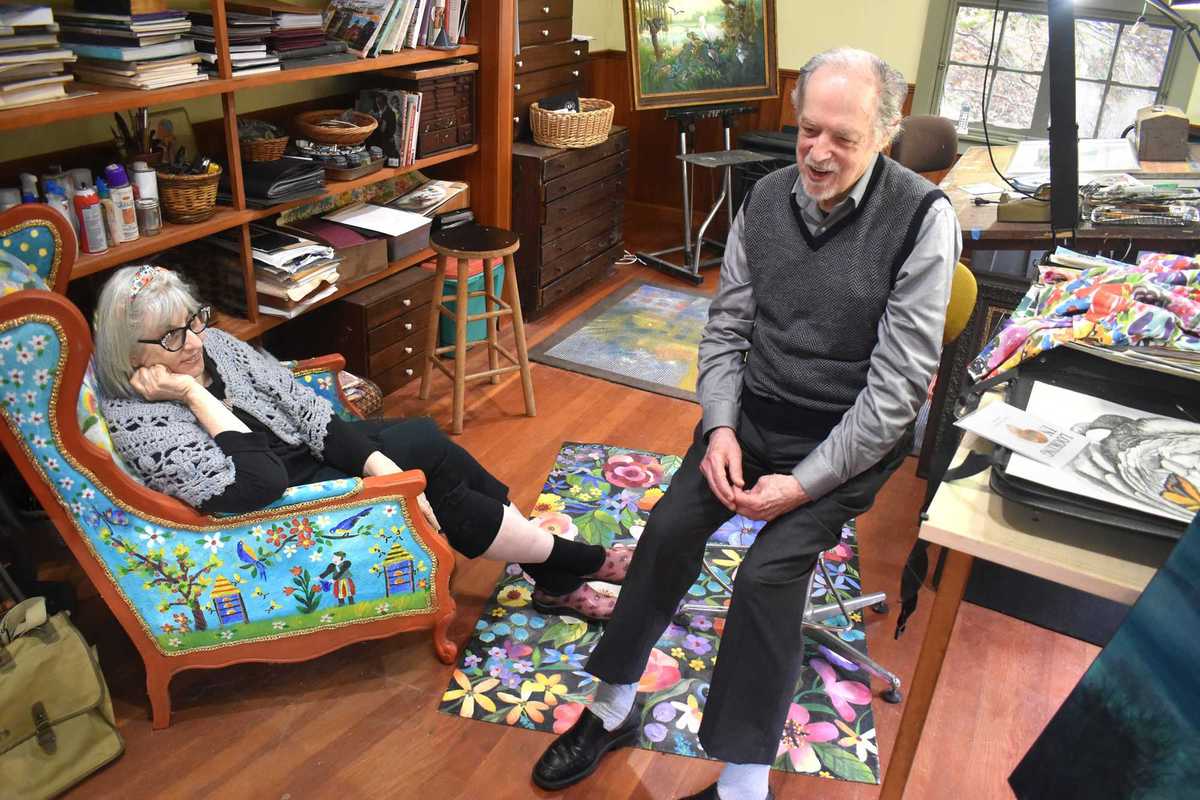
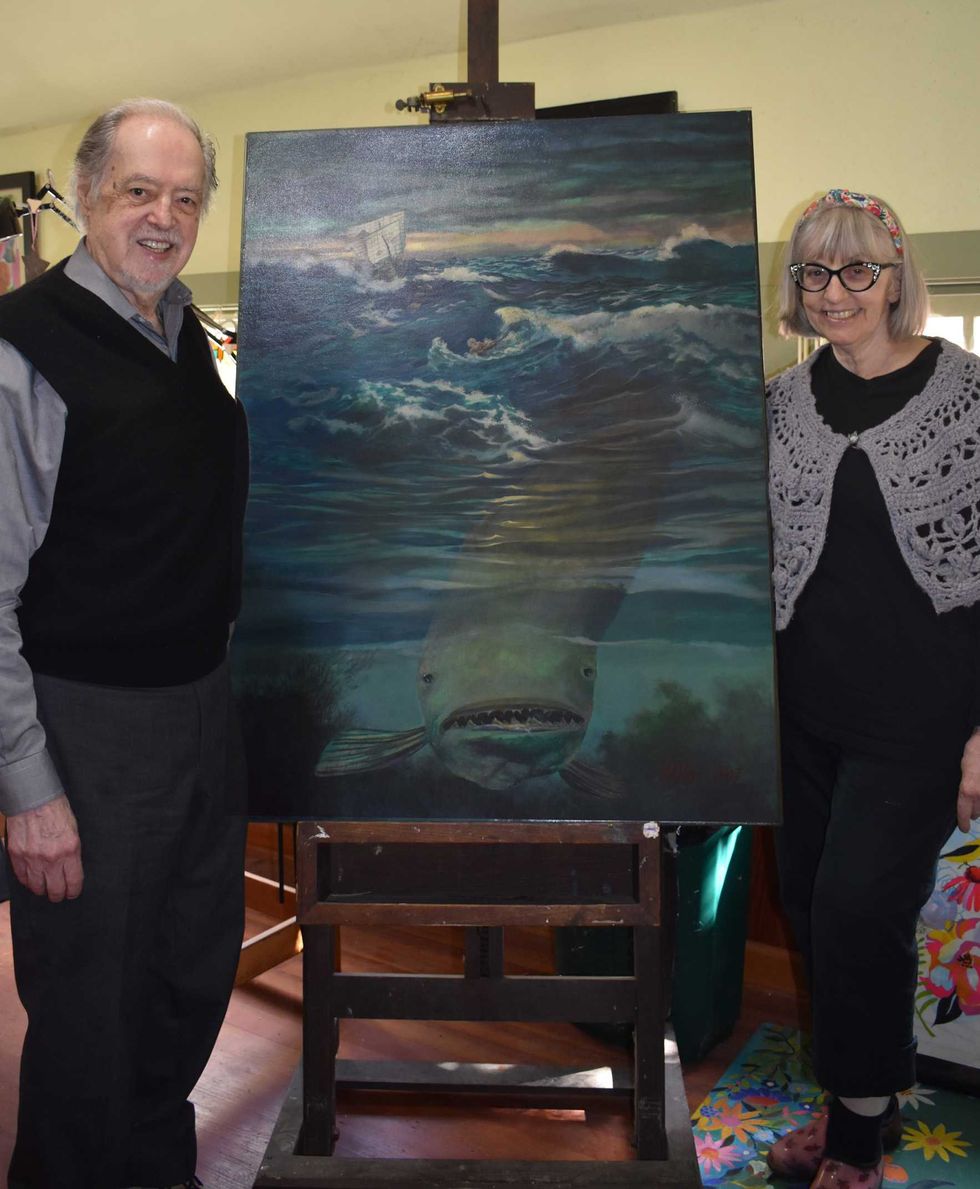 Justine and Victor Valla in their studio with a painting of Victor’s,”Jonah and the Whale.” Robin Roraback

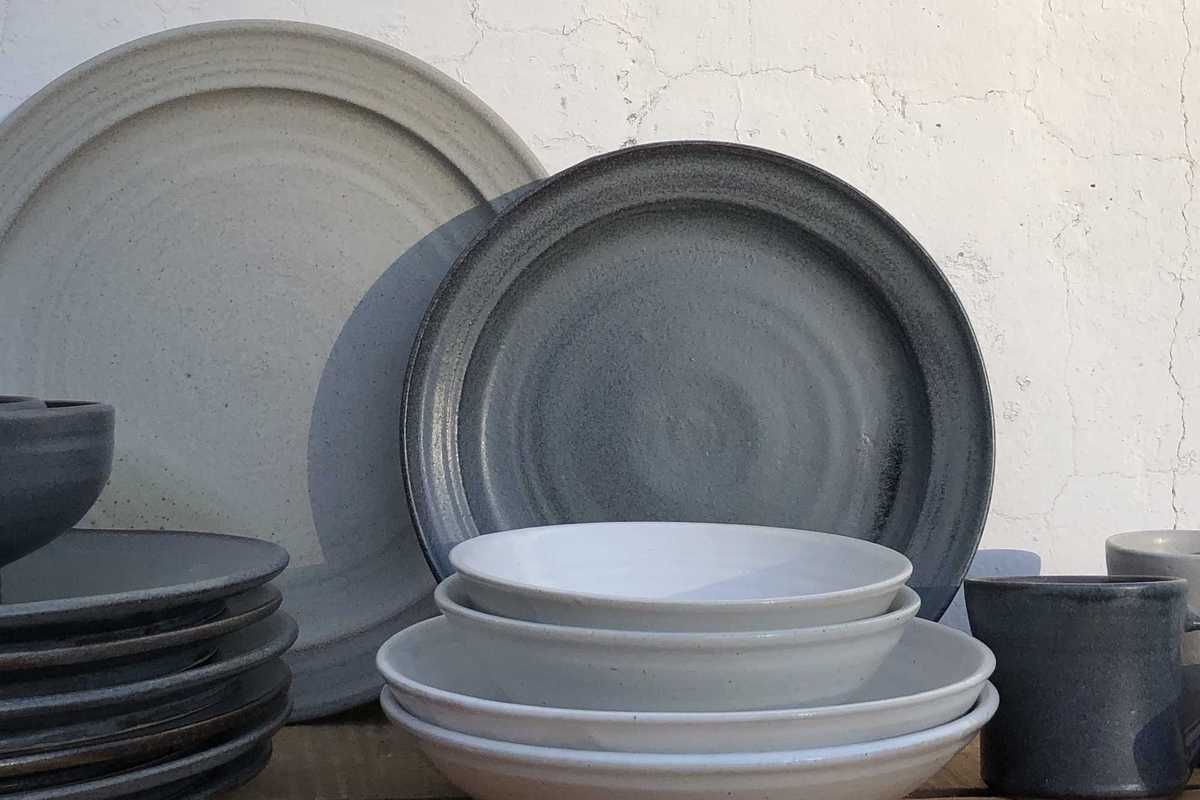
 A ceramic vase by Kathleen Heidemann.Provided
 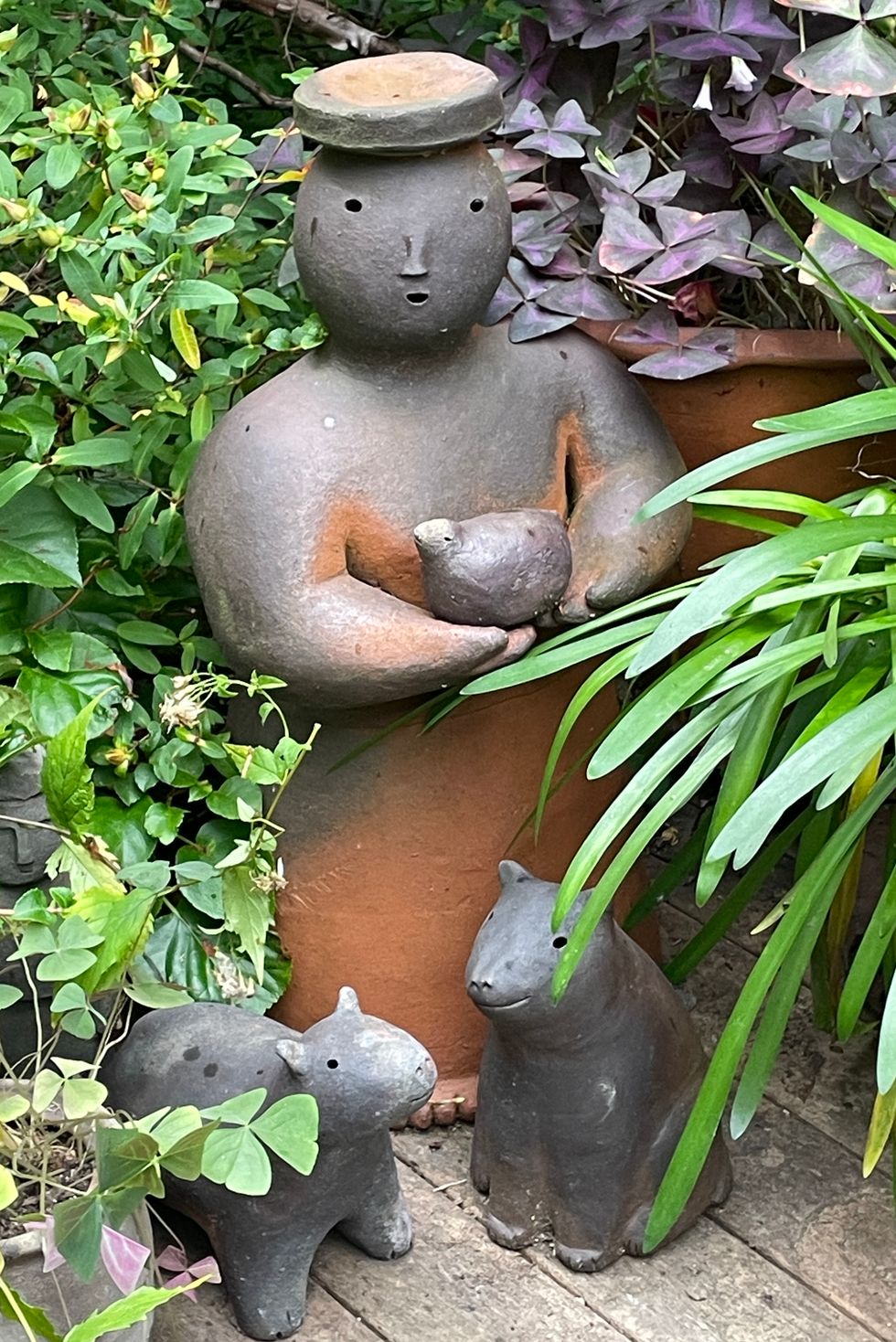 Joy Brown’s delightful ceramic sculptures.Provided
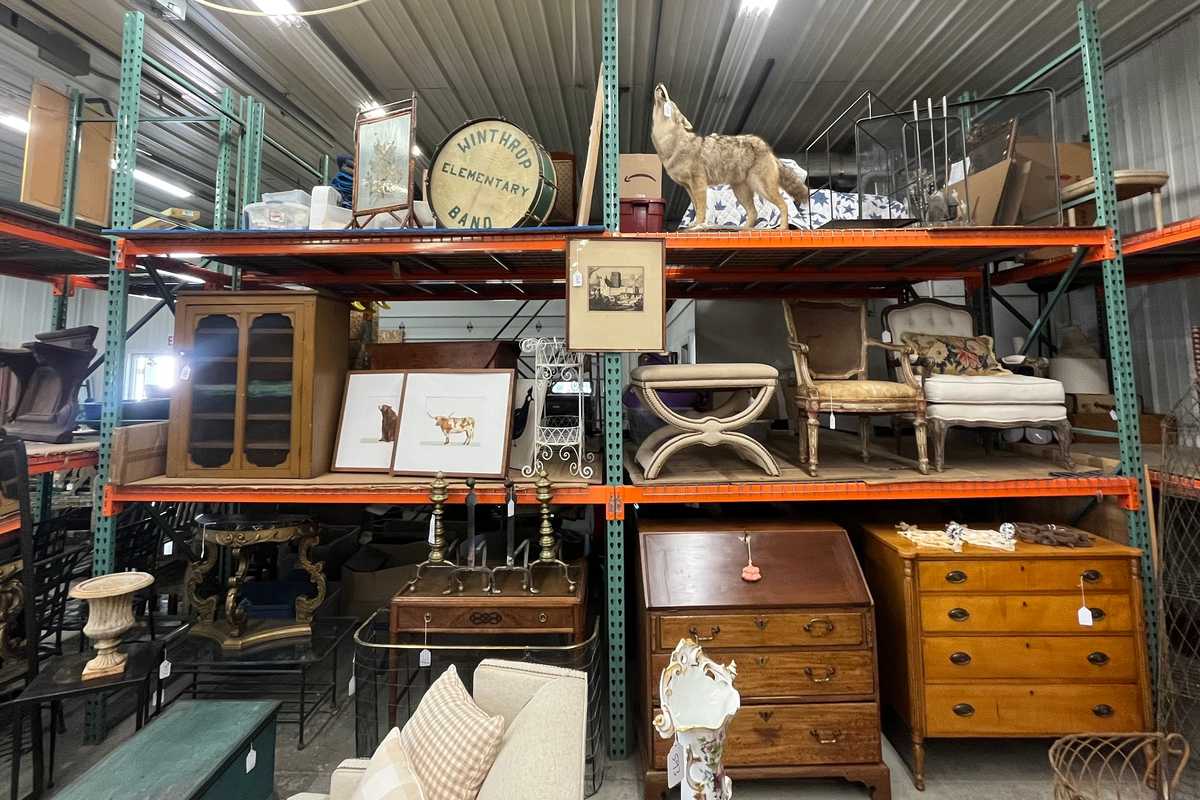
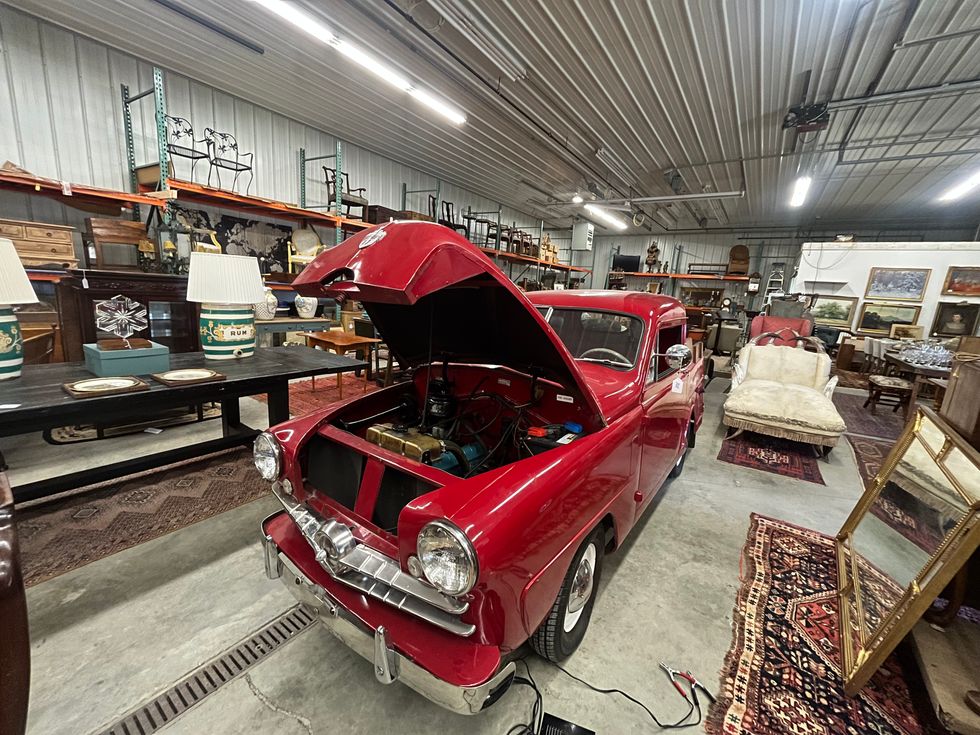 Hundreds of items at Stateline Auctions, including a candy-apple-red Crosley pickup truck.D.H. Callahan