Thank you!
Your support is sustaining the future of local news in our communities.

Possibly intractable

My Dog: Part Three

Katie was still a puppy, only 3 months old.

She was enchanting but trying. She was deeply affectionate towards my husband. When he sat down she put her paws on his knees and carefully licked every inch of his face. She was bright and cheery, and constantly in motion. High-strung and hyper-active, she skittered through the house, carrying things around. She bit bushes in the woods, she bit at imaginary fleas and she sort of bit at me. She grabbed my bathrobe. She tore my parka. She never closed her teeth on my skin, but it was still unpleasant. She saw me as an adversary. When I said “No,” she stood up on her hind legs and jumped in the air, snapping and growling. She was mostly housebroken, but once, when she was being adorable, I put her up on our bed and she squatted and peed on the bedspread.

She was my fourth black female Standard Poodle. I had never hired a trainer before — most Standards are smart and willing — but this time I was stumped. I found a trainer — whom I’ll call Ingrid — and told her about Katie. How bossy and bold she was, how she growled and mock-bit me. Ingrid was concerned. I told her that when we first met Katie she had lunged at us, barking and snapping.

“I guess that was a bit of a red flag,” I said.

“It was big red honking alarm bell,” Ingrid said.

I sent her a video of Katie lunging at me. We talked on the phone.

“She’s trying to dominate you,” Ingrid said. “That’s why she stands on her hind legs. Never let her up on the bed. She must not be allowed to be on your level. You must let her know you are in charge. You must keep her in a crate or on a leash at all times, and “bonk” her whenever she misbehaves.” Bonking meant hitting her on the head with a heavy rolled-up towel. I had always believed you should never hit a dog on the head, ever. Ingrid said even this might not work. “She may be intractable.”

I had never heard this word used about a dog of mine.

“You may have to send her back to the breeder,” Ingrid said. “Being so stern will be difficult, but it may save her life.”

Save her life! Was Katie going to be put to death? I was devastated. I didn’t want to give her up, on the other hand, this was like living with a piranha.

When Ingrid came over we went onto the lawn and I clipped on Katie’s leash. At once Katie took hold of it with her mouth.

Ingrid grabbed the leash and yanked it so hard Katie yelped in pain — I thought she might have lost a tooth.

“Never let her do that,” Ingrid said severely. “She wants to take control.”

It was true. Katie did want to take control.

It was a mournful session. Ingrid told me how stern I must be, how I must never allow Katie to jump up on anyone, never jump onto the bed, never to let her take control in any way.

When she stood on her hind legs, when she licked my husband’s face, she was trying to dominate.

We tried to coax Katie with treats to “come,” and “sit.”

Katie ignored the treats, though she would sit for me. I had trained her. So maybe she wasn’t intractable? Capering around us Katie was tense and challenging. She kept her eyes on us. She bowed and pranced, but Ingrid was not charmed.

“A dog like this…” she shook her head. “You must always be ready to punish her. You must bonk her while she’s ‘loading,’ getting ready to be naughty. Punish her as she’s thinking of it.”

I nodded, disheartened. How would I know when she was “loading?” And how could I punish her before she’d done anything?

“I do have one suggestion, though,” Ingrid said at the end of our awful session.

“What?” I hoped it didn’t involve euthanasia.

“Would you be interested in seeing an animal communicator?”

For the first time Ingrid was tentative.

I said yes instantly. For one thing I had always been intrigued by the idea, and for another it might help.

“Okay,” said Ingrid. “I use one often for my dog. She also does reiki. My dog sort of blisses out.”

“I’m in,” I said, though I didn’t know what reiki was. I had been crushed by Ingrid’s response to my possibly intractable dog, and was buoyed by this ray of hope. Was my dog really a criminal? Was she a peril to the community? Would I have to consider ending her life? A three-month old puppy?

We hold their lives in our hands. We decide whether or not to keep our dogs safe, sheltered from weather, from traffic, from dangerous dogs and angry humans. To protect them from hunger and cold and disease. These things are in our hands. They put their trust in us, they have no choice. Their lives may be filled with joy or misery, because of us.


COPYRIGHT ROXANA ROBINSON


Roxana Robinson is the author of ten books, including six novels, and the biography of Georgia O’Keeffe. She lives in Cornwall.

The views expressed here are not necessarily those of The Lakeville Journal and The Journal does not support or oppose candidates for public office.

Latest News

Doug Tallamy’s work in progress: saving the planet one backyard at a time

Windacre, a 25-acre property in Millerton will be the site of “Work in Progress,” an afternoon with acclaimed entomologist, New York Times bestselling author and Homegrown National Park co-founder Doug Tallamy.

Provided

For nearly three decades, Doug Tallamy, a professor at the University of Delaware and co-founder of Homegrown National Park, has studied the intricate relationships between native plants, insects, birds and the ecosystems that sustain them. His books, including “Bringing Nature Home” and “Nature’s Best Hope,” have helped shift the conversation about conservation from something that happens primarily in parks and preserves to something ordinary people can practice on the land around them.

On Sunday, Oct. 4, Tallamy will bring that conversation to Windacre in Millerton for “Work in Progress: Toward Native Fields,” an outdoor gathering exploring both the possibilities and the complications of restoring private land for biodiversity.

Keep ReadingShow less
Celebrating Dick Hermans’ life built around community

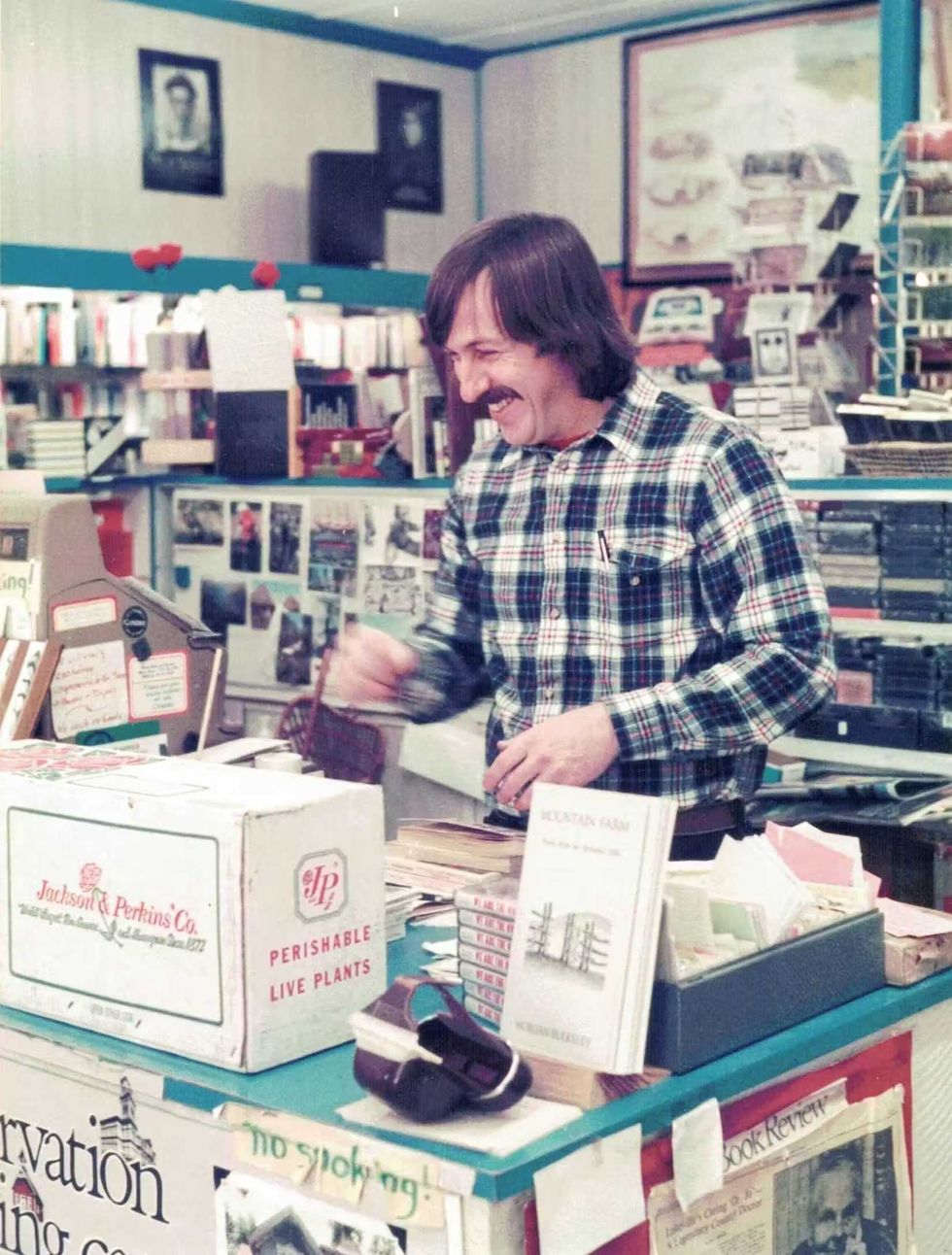
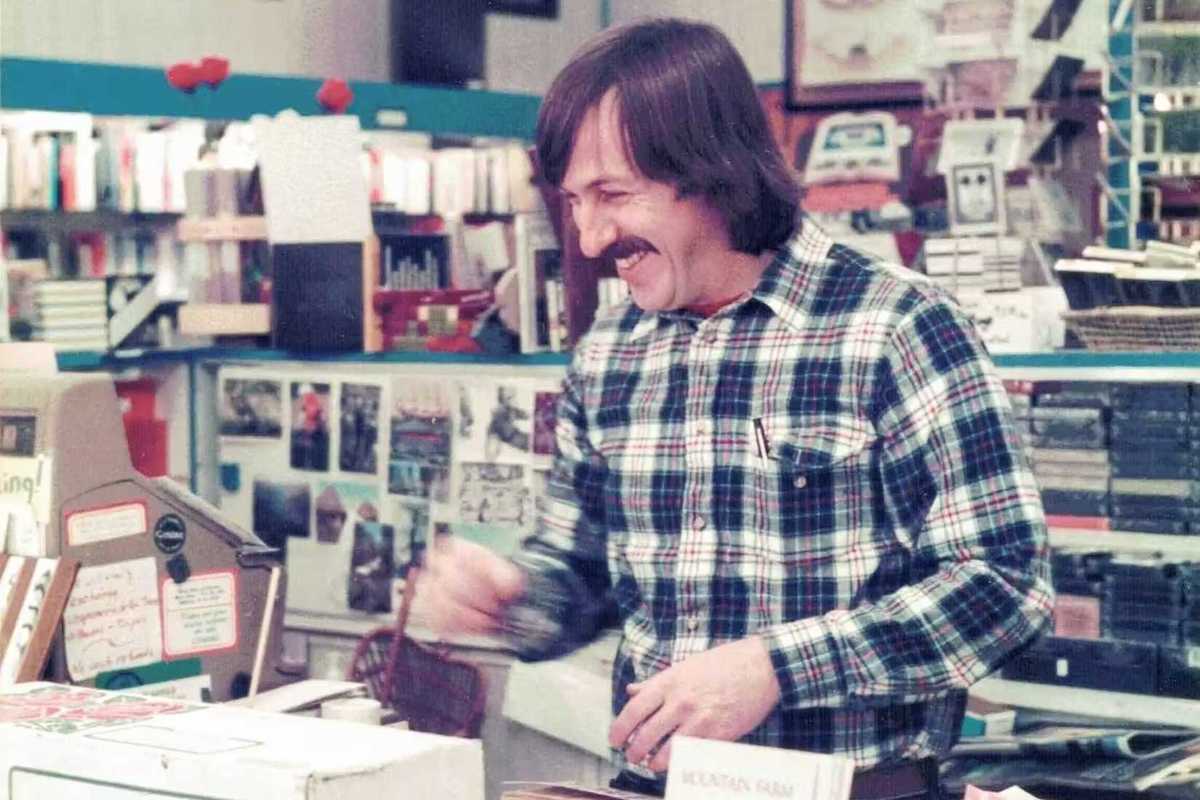
Dick Hermans in the Oblong Bookstore on Millerton\u2019s Main Street in 1985.

Provided
No matter what I’ve done, I’m trying to be useful to the communities I’m associated with.
— Dick Hermans

When Dick Hermans receives the Estabrook Community Leadership Award on Oct. 11, he will accept it for a lifetime of work that has taken many forms: bookseller, radio host, school board member, advocate for the Harlem Valley Rail Trail, business owner, volunteer and, perhaps most importantly, a person who has consistently looked for ways to be useful to the communities around him.

The Lakeville Journal and The Millerton News will present Hermans with the 2026 award at the annual Jubilee celebration at the Sharon Playhouse. The award honors outstanding leadership in community service and was inspired by Mary Lou and Robert Estabrook, former owners of the newspapers who believed that strengthening a community extended well beyond the work of publishing a newspaper.

Keep ReadingShow less
Tending the Fire: Homelands PowWow brings Mohican culture home to the Berkshires

Members of the Stockbridge-Munsee tribe at Homelands PowWow in 2025.

Joeseph Plante New Media Storytellers
Our goal is to continue building an annual gathering that honors the history, culture and traditions of the Stockbridge-Munsee Band of Mohicans in their original Homelands.


For the Stockbridge-Munsee Mohican people, the Berkshires are not simply a place to visit. They are ancestral homelands.

Keep ReadingShow less
google preferred source

Want more of our stories on Google? Click here to make us a Preferred Source.

Ancram Center’s “A Number” doubles questions of identity
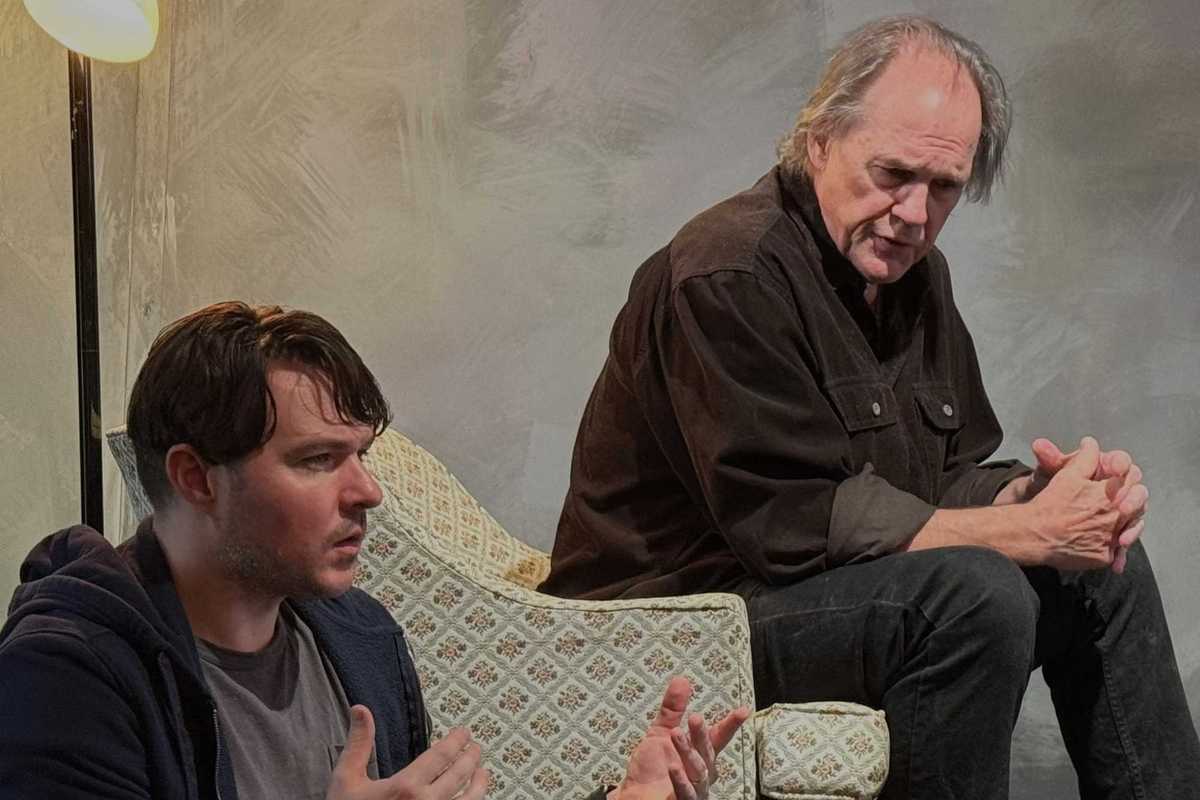
Ledbetter (left) and Wojda (right) on the set of “A Number” at Ancram Center for the Arts.
Jeff Mousseau

How would you feel if you found out you weren’t the only you — if there was an exact replica of you? What if you found out that you’d been cloned? Would you believe that you’re the real you? Would you suspect you might be a copy of the original? How could you be sure anything about your life was real? These are some of the questions posed in Caryl Churchill’s play “A Number,” opening at the Ancram Center for the Artson Oct. 1.

Churchill was born in London in 1938 and has been hailed by the theaterl world as one of the strongest voices of her time to take on sexual politics and feminist themes. Her works garner pointedly considered analysis from the highest levels of theatrical intellectualism. Basically, it’s about as far from “The Lion King” as you can get. While she’s experimented with dance theater in the past, “A Number” is much more stripped down, highlighting Churchill’s chosen themes and the skills of both actors on stage.

Keep ReadingShow less

Dispatches from the Farm

Dispatches from the Farm

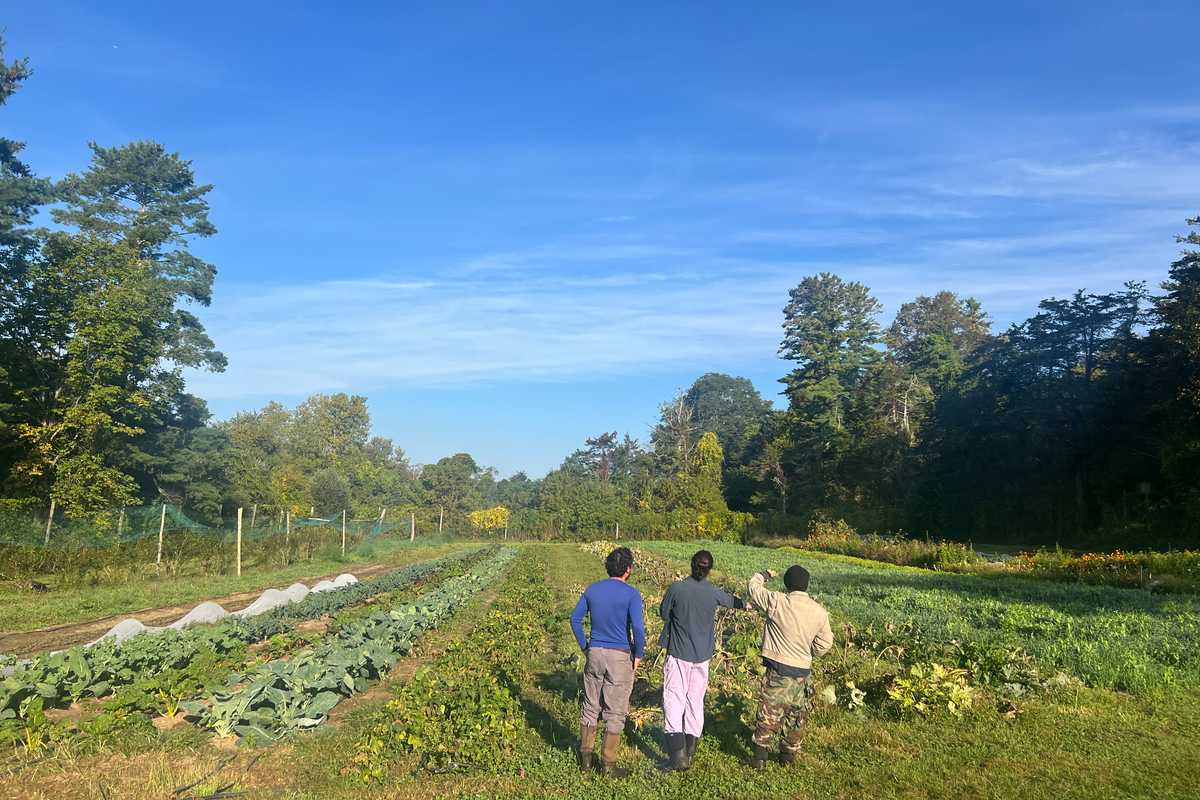
Adamah Farm crew members planning out the day’s tasks on a late September day.

Janna Siller

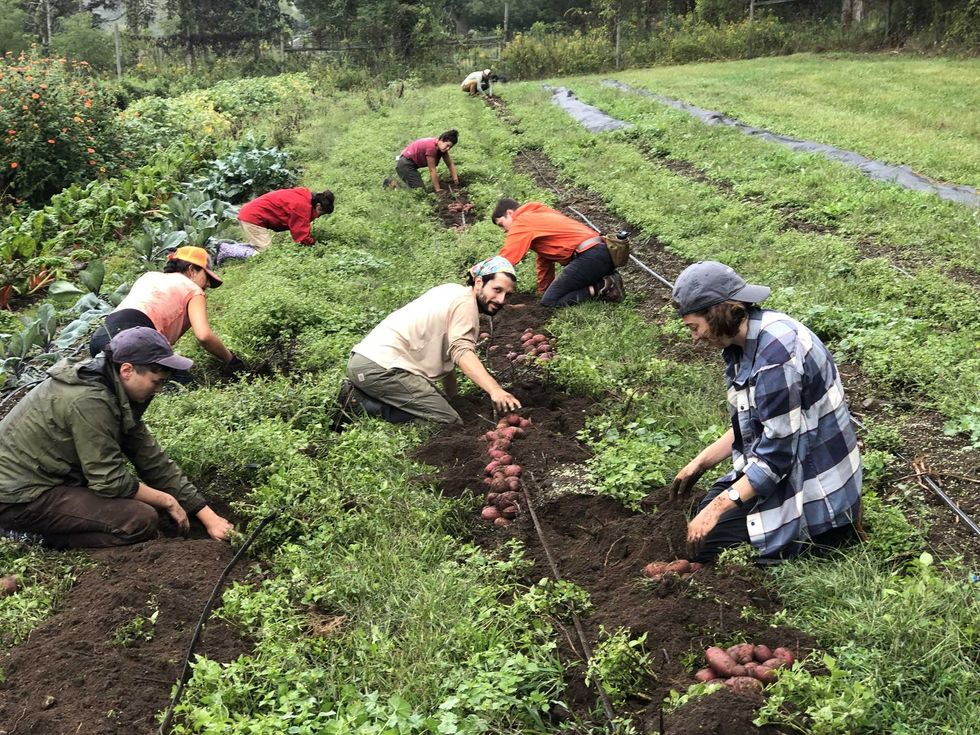
“Dispatches from the farm” is a new, periodic column offering a firsthand look at the rhythms, challenges and rewards of farming through the eyes of a local farmer.

The thing about plants is that they can’t get up and move. When a storm like last weekend’s nor’easter threatens to roll through, you can’t just round everybody up and settle them safely on the sofa for movie night.

Keep ReadingShow less
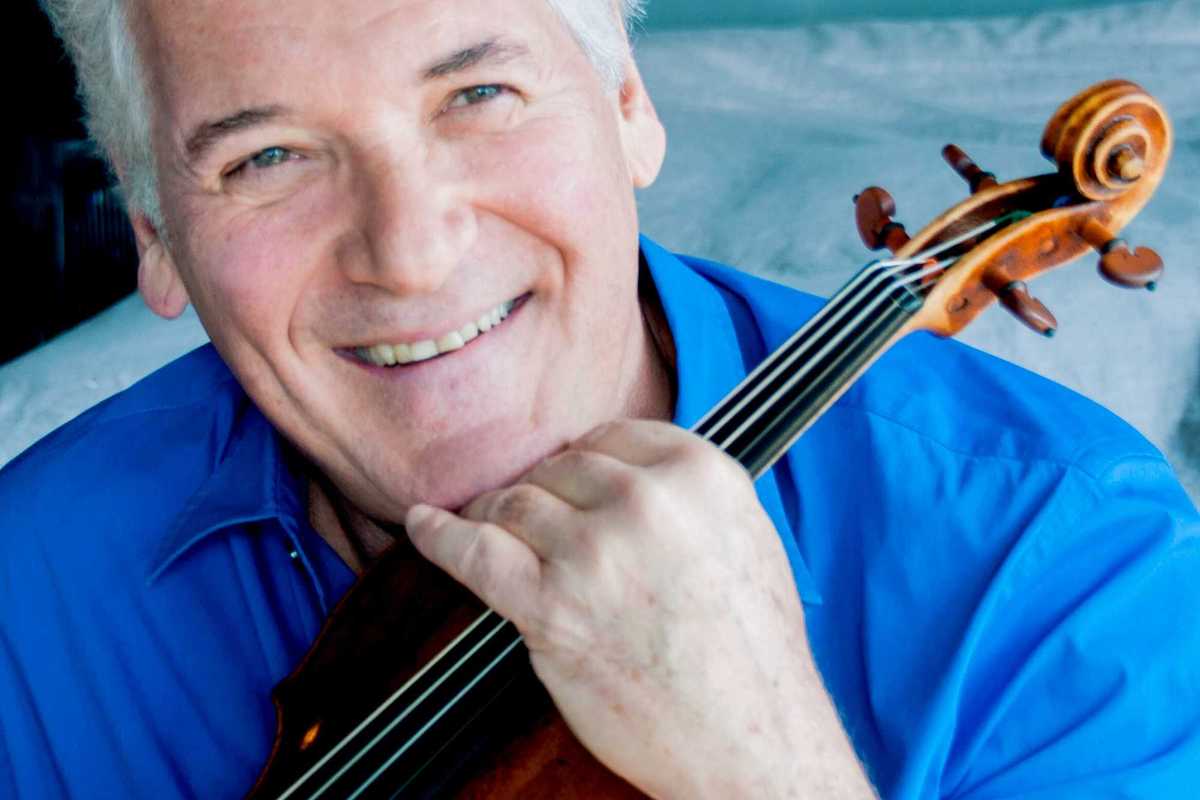
Pinchas Zukerman brings an all-Beethoven program to Hotchkiss

Pinchas Zukerman to perform at Hotchkiss Oct. 4

Cheryl Mazak

The passion, drama and energy of Beethoven will fill Katherine M. Elfers Hall at The Hotchkiss School on Oct. 4, when world-renowned violinist Pinchas Zukerman is joined by pianist Shai Wosner for a special recital.

The 4:30 p.m. program at the Esther Eastman Music Center will feature three of Beethoven’s celebrated violin sonatas: Violin Sonata No. 4 in A minor, Op. 23; Violin Sonata No. 5 in F major, Op. 24, “Spring”; and Violin Sonata No. 7 in C minor, Op. 30.

Keep ReadingShow less
google preferred source

Want more of our stories on Google? Click here to make us a Preferred Source.

google preferred source

Want more of our stories on Google? Click here to make us a Preferred Source.