I have no doubt that anyone reading even the first few sentences of this column will guess my age and they will definitely be right on the money. Yet, although I am not a kid anymore and I’ve gone through the so-called many phases of life, I do not consider myself a close-minded person. I am very much up to date with technology, and I feel very much at home with different kinds of software. I do pay my bills online, and guess what? I just connected my iPhone to the printer through wi-fi, which made me feel I am pretty much in touch with our new reality.
But when I recently signed up to one of those social media apps that helps bring neighbors together and gives the people who live around us a sense of community and fellowship, that’s when I realized how old fashioned and outdated my way of connecting with people has been. And it appeared that the only way I might have a sense of joy and connectedness with neighbors is if my skills are, using a tech word, “upgraded.” Which means that instead of a face-to-face and personal interaction, I should use an app to communicate with people who live only a stone’s throw away from my house.
And this is exactly where I felt an inner resistance and total unwillingness to adapt to this new reality of what a neighbor and neighborhood means to me. In fact, I actually felt that emotional need to somehow transport myself to those olden days, where instead of scrolling up and down the screen to find out what’s going on in the neighborhood, I wanted to actually feel and sense the person, the beating of his or her heart, the facial expressions and the tone of voice of the person I am in touch with.
Oh boy, now the reader will definitely know my true age, especially when I tell the story of when, decades ago, neighbors watched my aunt climb the roof of her house and shout from the top of her lungs informing the folks in town that her daughter just had a baby girl who is as beautiful as a mermaid and that the baby had blue eyes like her old Uncle Samuel, and curly hair like old Aunt Martha.
The echo of that announcement reverberated from window to window, door to door and from mouth to ear until the entire neighborhood knew all about the baby girl who had blue eyes and curly hair. And in return they whispered prayers and expressed wishes of health and happiness for the parents and the new baby. And that’s exactly how news was broadcast and how people expressed their feelings of joy and sadness in those now forgotten pre-tech days.
But that’s exactly why having been brought up in an old-fashioned neighborhood, I felt it was perfectly normal for me when my wife and I first moved to this beautiful town of Lakeville, to walk across the street and knock at the door of my neighbor and ask if they have any advice in finding someone who can shovel out the snow. And to my surprise and astonishment, my new neighbor, who couldn’t even pronounce my name, told me that he would be delighted to plow the snow himself and that will be without any charge. And that was for me like a homecoming thousands of miles away from my birthplace.
To this day, I am still a believer of getting my information from an actual person, a human being with whom I can share a laugh, a shake of hands and at some point perhaps a cup of coffee and, why not, sometime in the very near future a backyard barbecue with all the members of our families.
But things have changed. Don’t I know it?
And even an old-school fellow like me understands the hazards of openness with neighbors who might seem friendly but might intrude on our privacy and cause trouble. Yet, I will always before login to another neighborhood app will not hesitate to knock on a neighbor’s door, say, “Hello neighbor,” and after a little chat about the best or worst pizza place in town, I will ask if he has any suggestions on where to buy a Christmas tree.
And that’s the flesh and blood kind of neighborhood I am still longing for. Which proves the saying that you can take the man out of the old neighborhood, but you can’t take the old neighborhood out of the man.
Varoujan Froundjian is a digital artist and writer. He can be reached at: varlink3050@gmail.com.
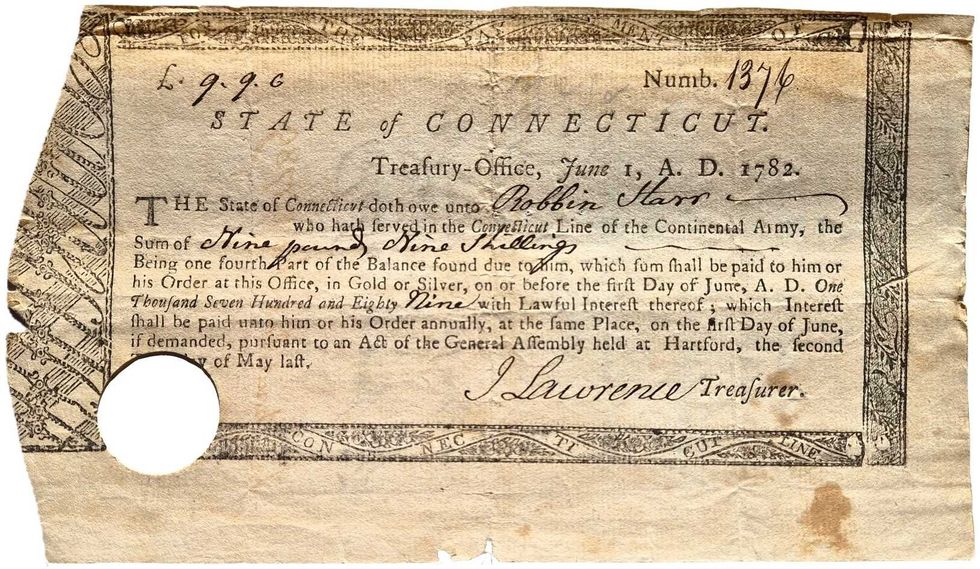 Pay Bill for Robin Starr’s service in the Continental Army.Courtesy the Alex Breanne Corporation
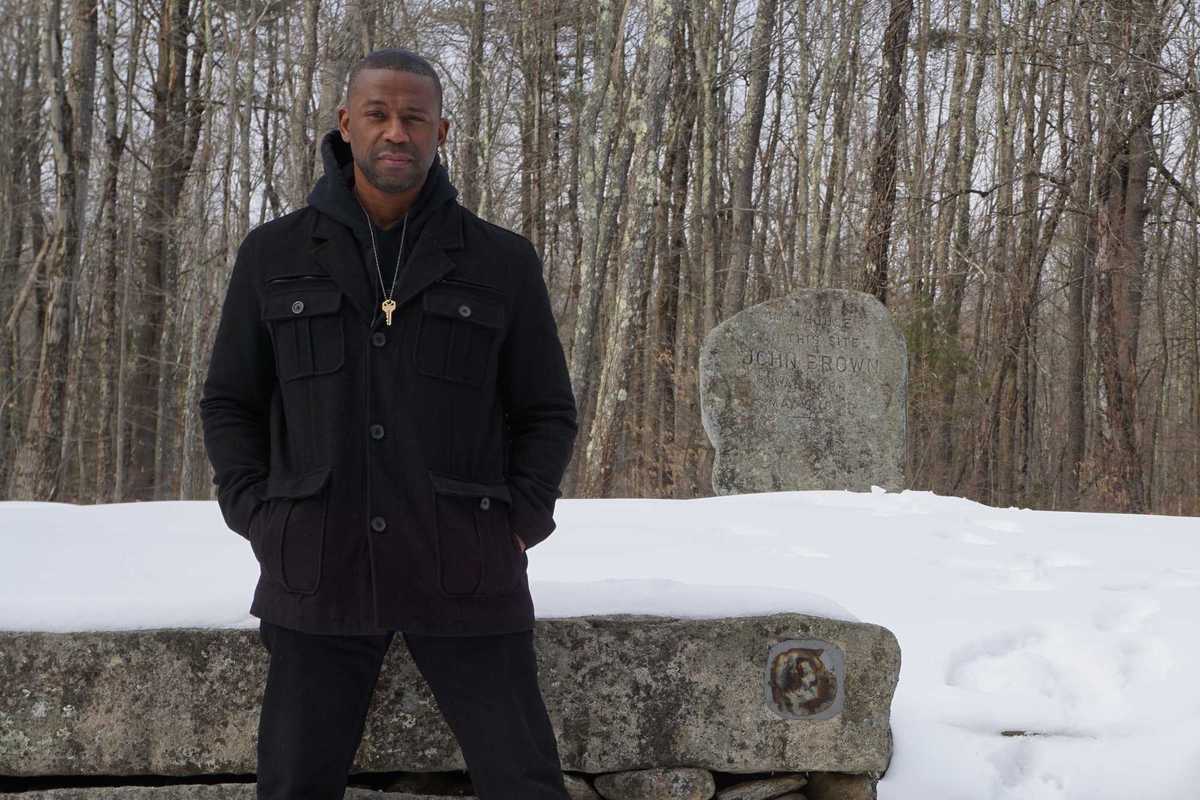
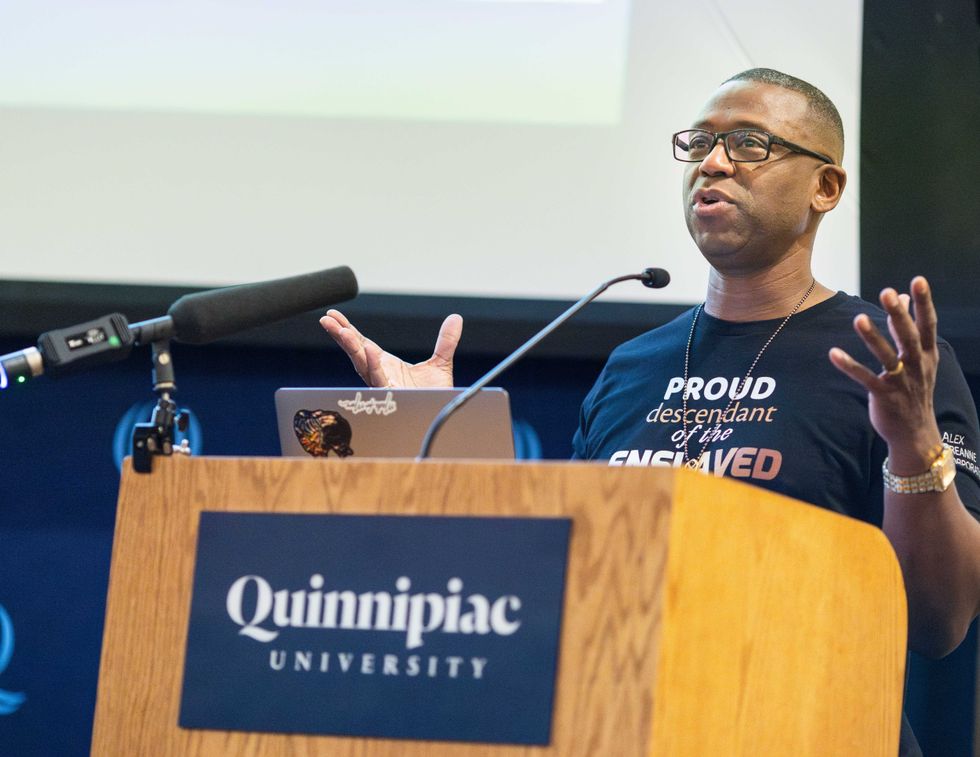 John Mills speaking at Quinnipiac University.Courtesy the Alex Breanne Corporation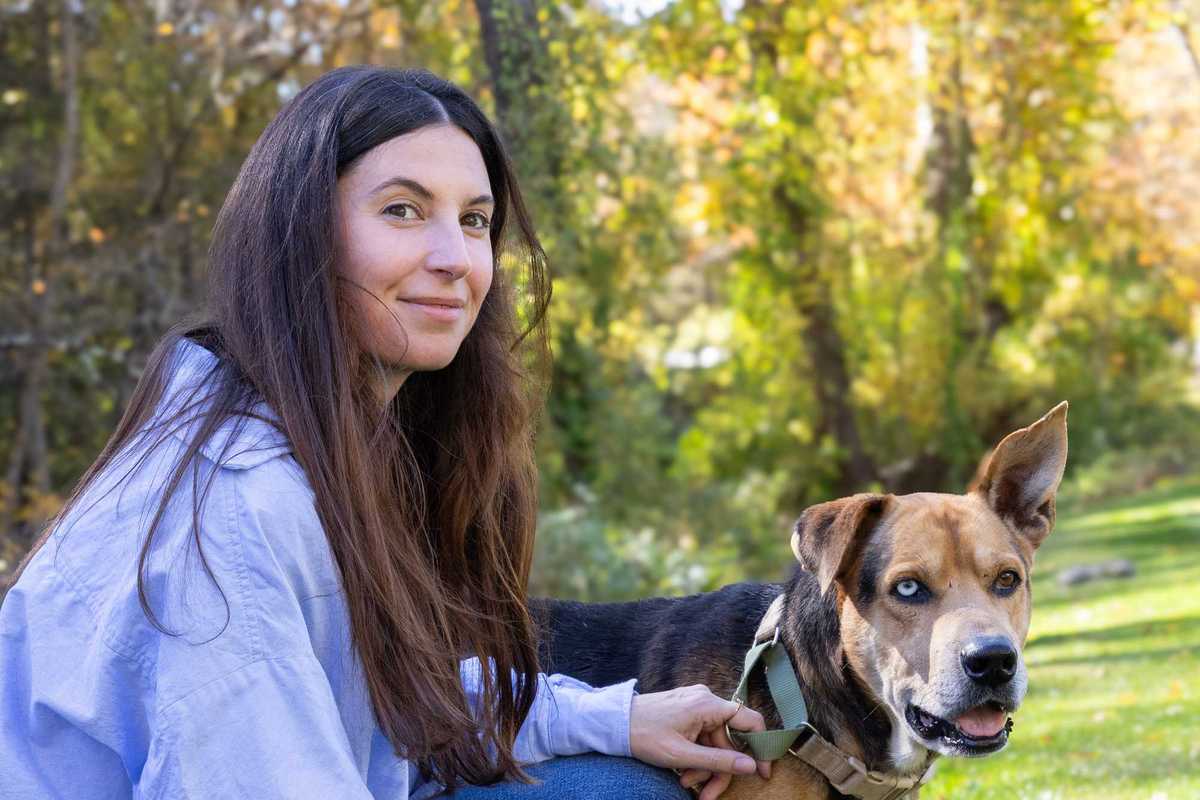
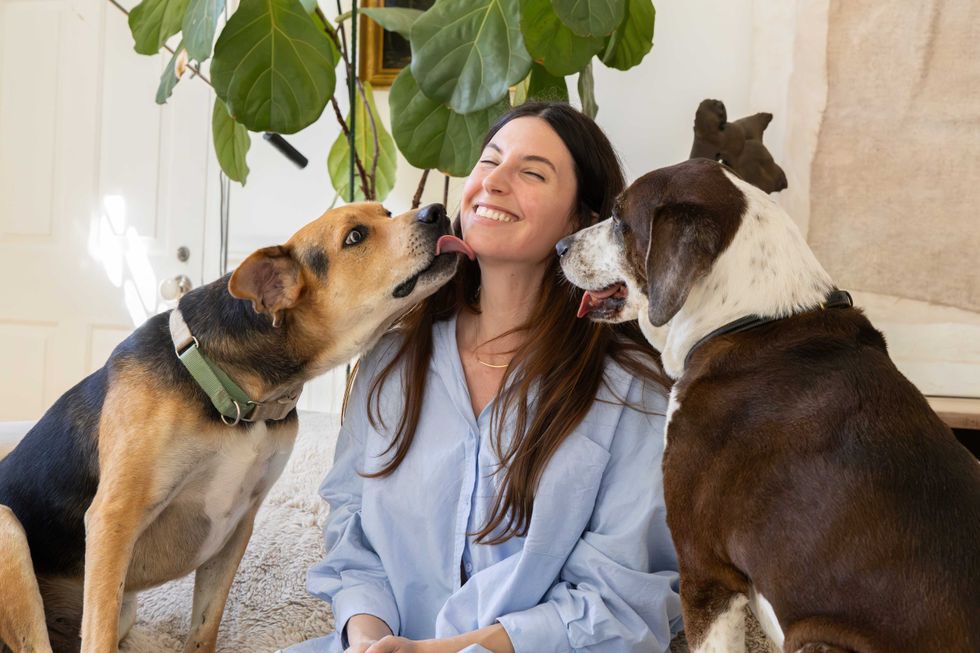 Stephanie Saetta,with her rescue dog George and Blue (left), a shepherd mix awaiting his forever home.Madi Long
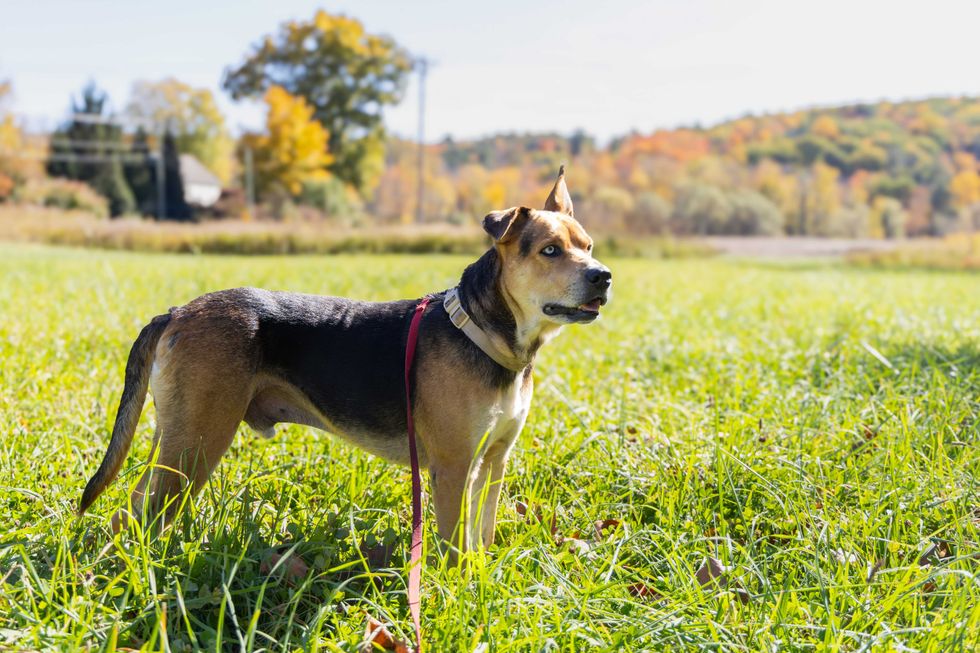 Blue, a 7 year-old Shepard mix, is waiting for his forever home. Madi Long