I’d like to admit that I have always been fascinated by the concept of being “born again.” Myself being raised in an Orthodox Church, where a person’s Christian identity has been sealed and imprinted at his infancy, which can never be questioned, I find the aspiration of a person now as an adult and mature individual willing to reaffirm his faith and beliefs is an act of courage and determination.
And it appears that this yearning to revisit one’s own heritage in order to revive the religious foundation of his or her faith is not a uniquely Christian endeavor. From ancient times to our current days, testaments of born-again Buddhists, Muslims and Jews who are reaffirming and revitalizing their ancestral beliefs at a time when they feel challenged by competing faiths and the challenges of everyday life is an expression of a individual who refuses to be just a blind follower of a doctrine but a self-reliant mature adult.
But then I heard the expression, “born again Americans,” spoken by Pete Hegseth, a television host and author. He was equating a spiritual awakening with a validation of violence by the rioters who attacked Capitol Hill. I found this alarmingly distasteful.
Borrowing religious expressions and parlance in order to energize a political agenda and inspire its members to be more aggressive is not a new concept. From ancient Greeks, Romans, Crusaders and Muslim terrorists reciting religious chants while destroying sacred sites is not uncommon. What is uncommon is that even though we are a divided nation, and we might see our point of view as the righteous one, violence cannot be accepted as a viable option to resolve our differences.
We live in a democracy, and as hard and nerve-wracking as it can be to convince others to accept our values or opinions by immersing ourselves in countless hours of negotiations, democratic discourse is the only path to achieve a reconciliation or perhaps a mutual agreement. Pete Hegseth claims that, “I’m a born again American. I have been re-awakened to the reality of what the left has done to my country.” But this cannot give permission to any party, group or denomination to attack, destroy and plan to kill the members of the Congress to settle a disagreement. Democracy is hard work. But there is no alternative. You’ve got to sit down and talk and talk and talk until a settlement has been achieved or perhaps a compromise has been reached.
To be members of the group of “born again Americans” doesn’t give carte blanche to any group to take a shortcut in solving disagreements by means of violence and threats. And unlike a religious variant of a “born again” where the exclusion of those who do not share the same faith might be acceptable, democracy demands no person, regardless of their ideology toward “left” or “right,” to be silenced by religious catchphrases.
Democracy is not a country club where only the privileged, the well-to-do and those who share a common lifestyle and belief system are welcomed. Democracy is the home of everyone who abides by the rule of law, regardless of faith, culture, color, ethnicity, sexual orientation or financial means. And by declaring that certain members of the society by being “born again Americans”, can validate hatred and destruction of the law is simply un-American.
Born again or not, we are all equal under the law. And no born again American can take away the sacred laws of our democracy. Those days have gone when a duel between two cowboys determined who is the hero and the villain and those bygone days when a village elder out of a personal whim claims that people from neighboring villages cannot be trusted.
Ironically, even though a divisionist phrase such as “born again American” has been used to reject our democratic values, somehow that same slogan resonated an interest in me to go further and investigate the true meaning of the experience. Akin to the religious awakening, being born again is about going back and studying the holy scriptures written by the spiritual leaders, which in our case as Americans is about re-reading the Constitution and re-discovering the wisdom of our Founding Fathers who assure us that democracy has all the essential tools to resolve the conflicts between those who are born and the ones yet to be born.
Varoujan Froundjian is a digital artist and writer. He can be reached at: varlink3050@gmail.com.
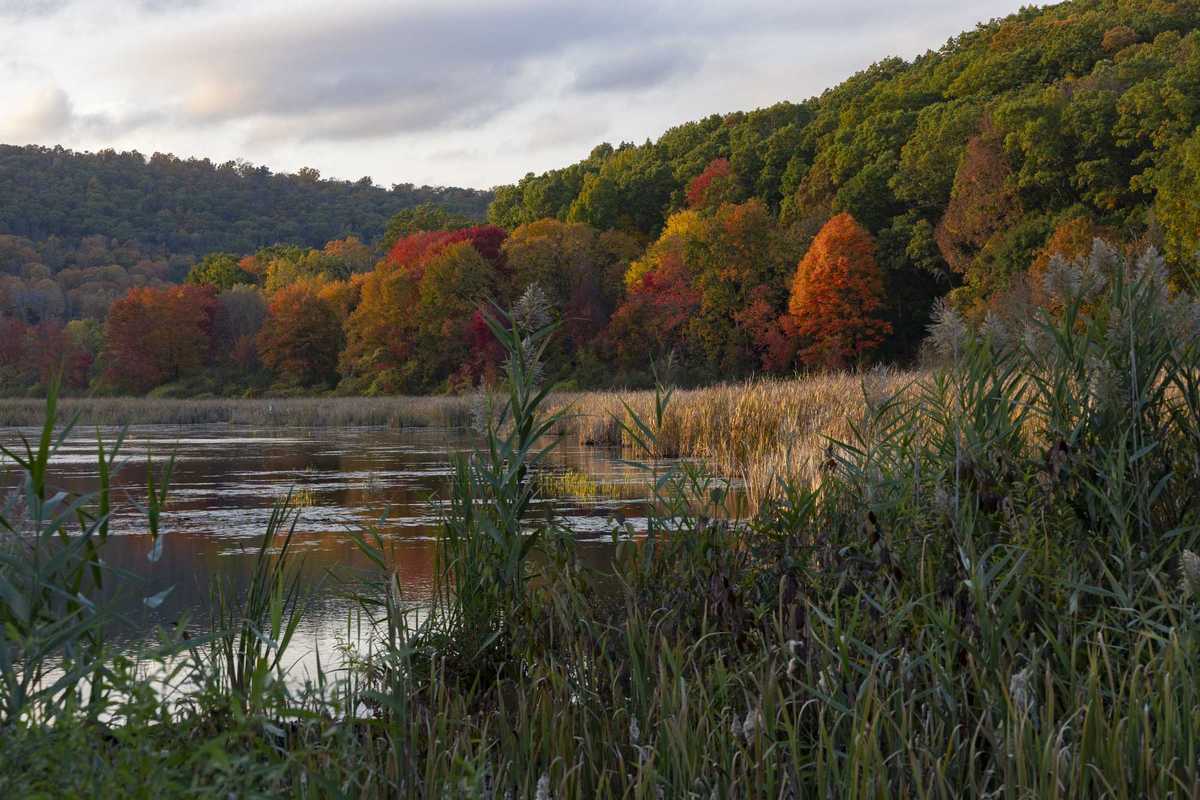
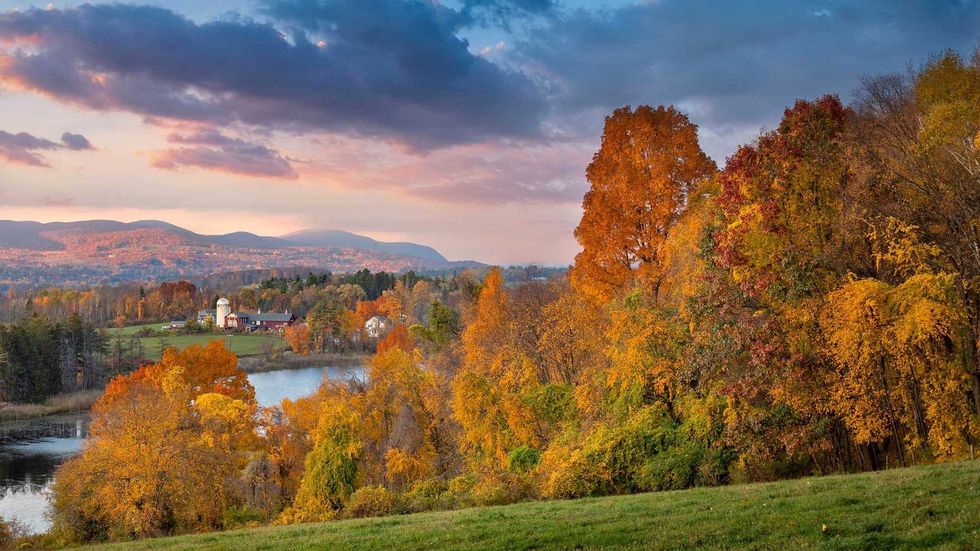 Sharon, CTBill Wakeley
 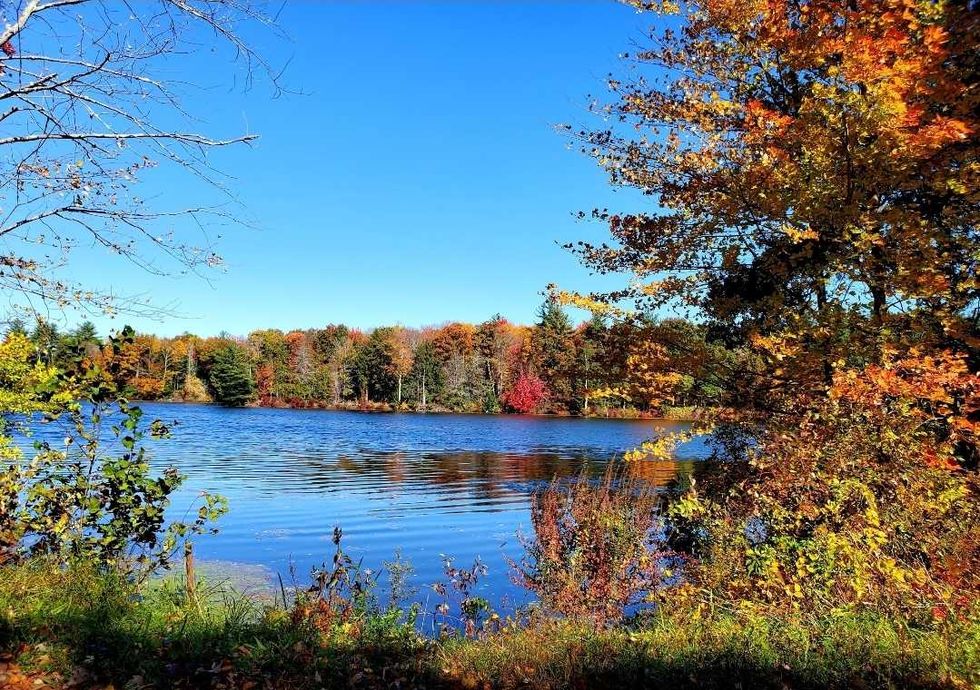 Mill Pond, Sheffield MADeb Segalla-Watson
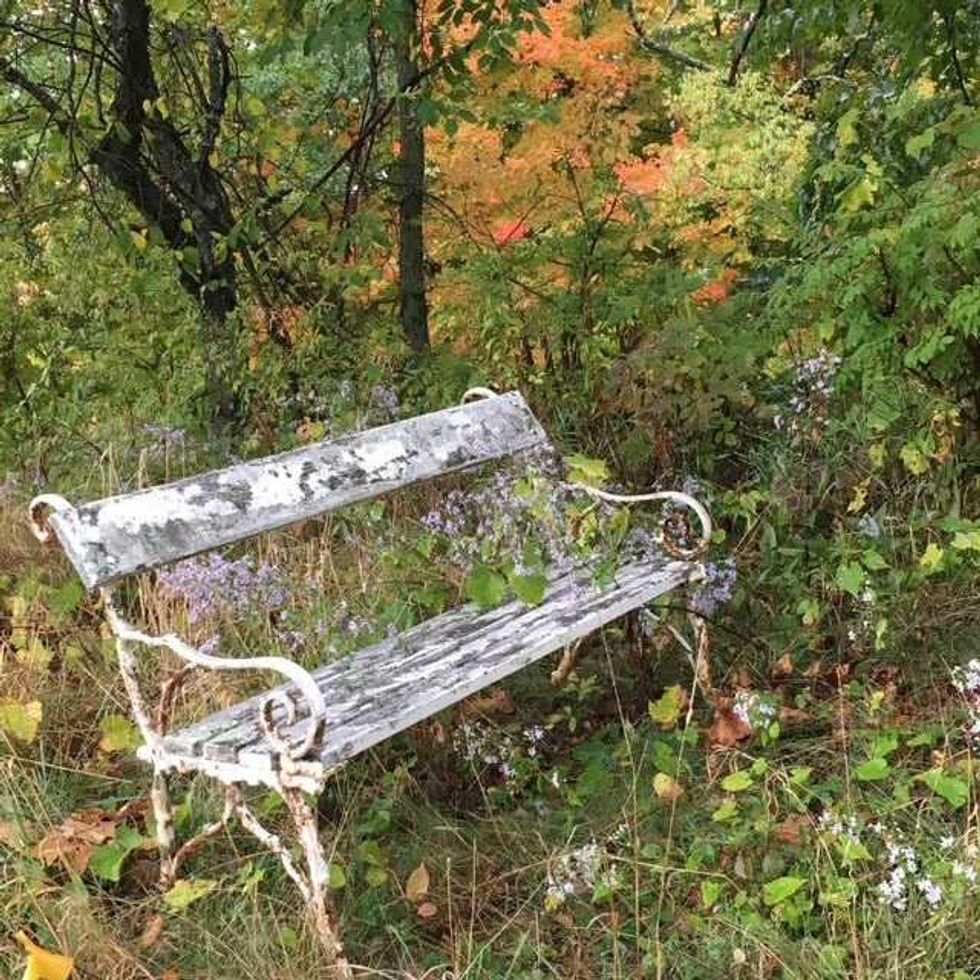 New Marlborough, MAWendy Miller
 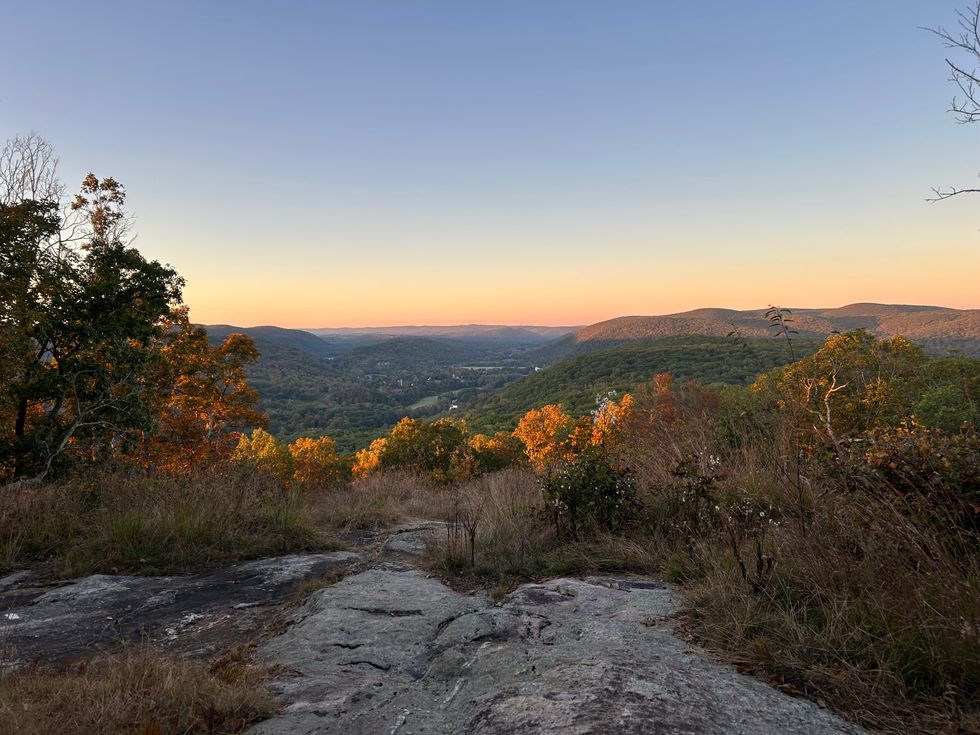 Peter Austin
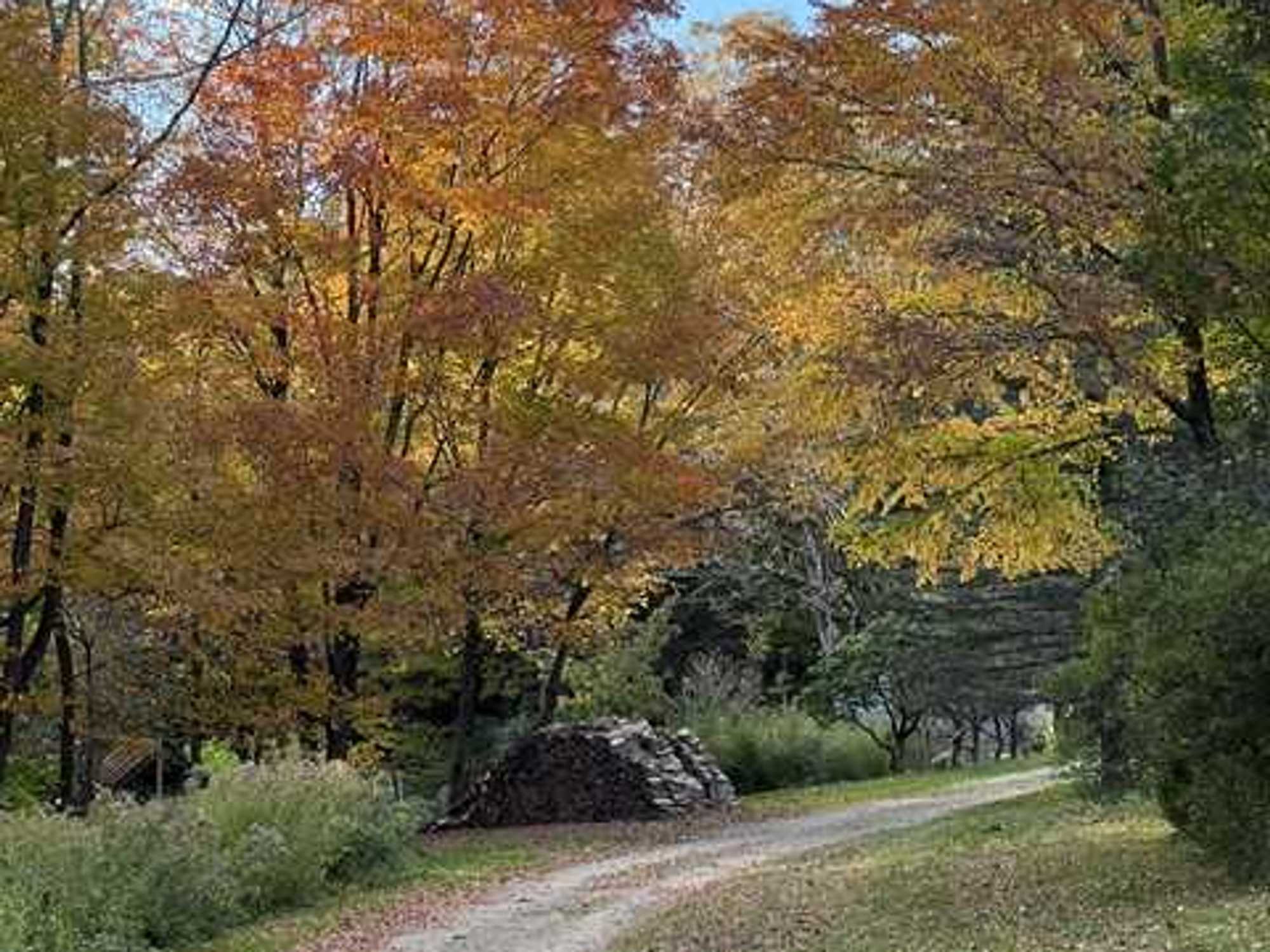 Falls Village, CTPete Sanders
 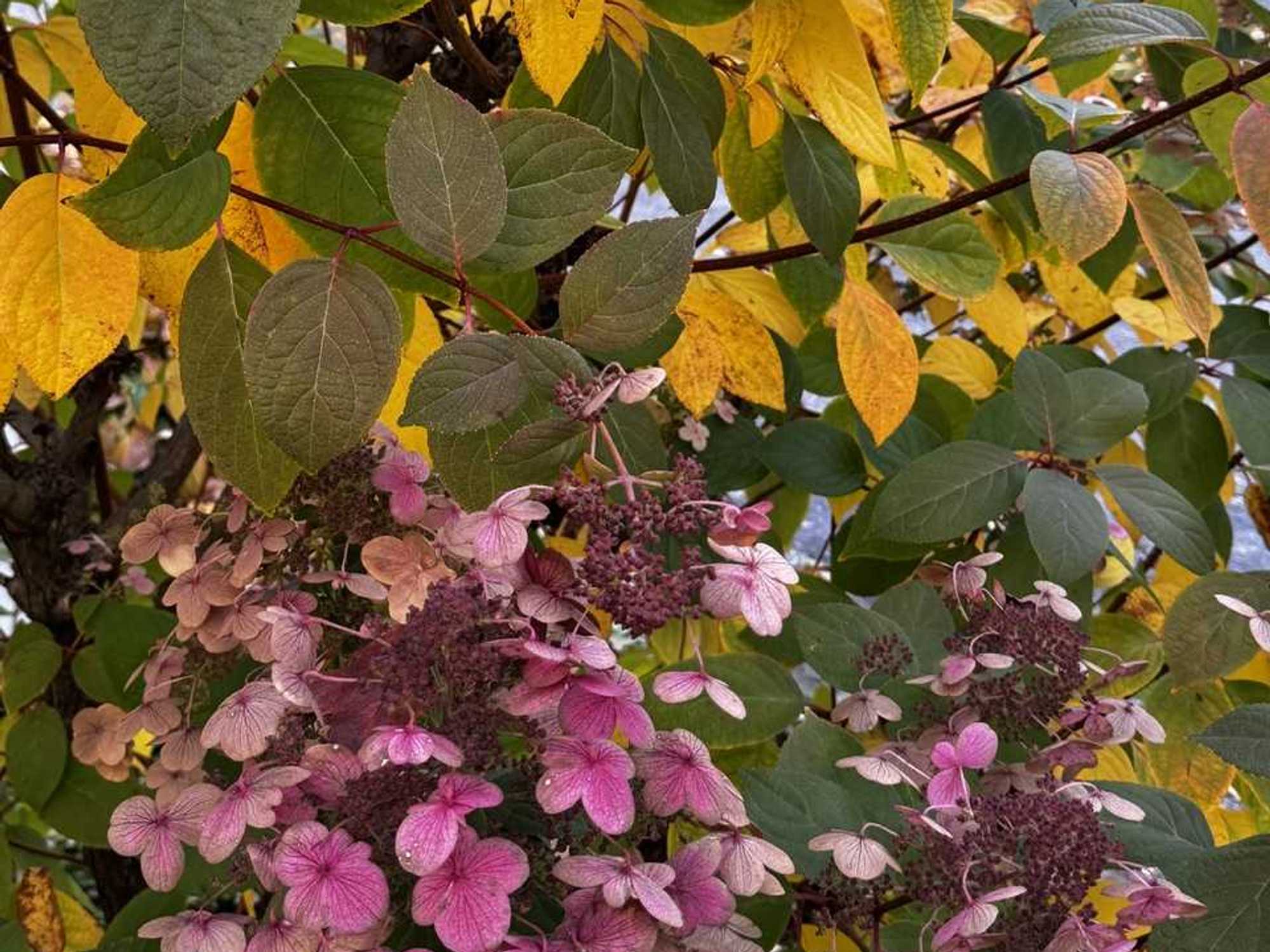 Tom Carley
 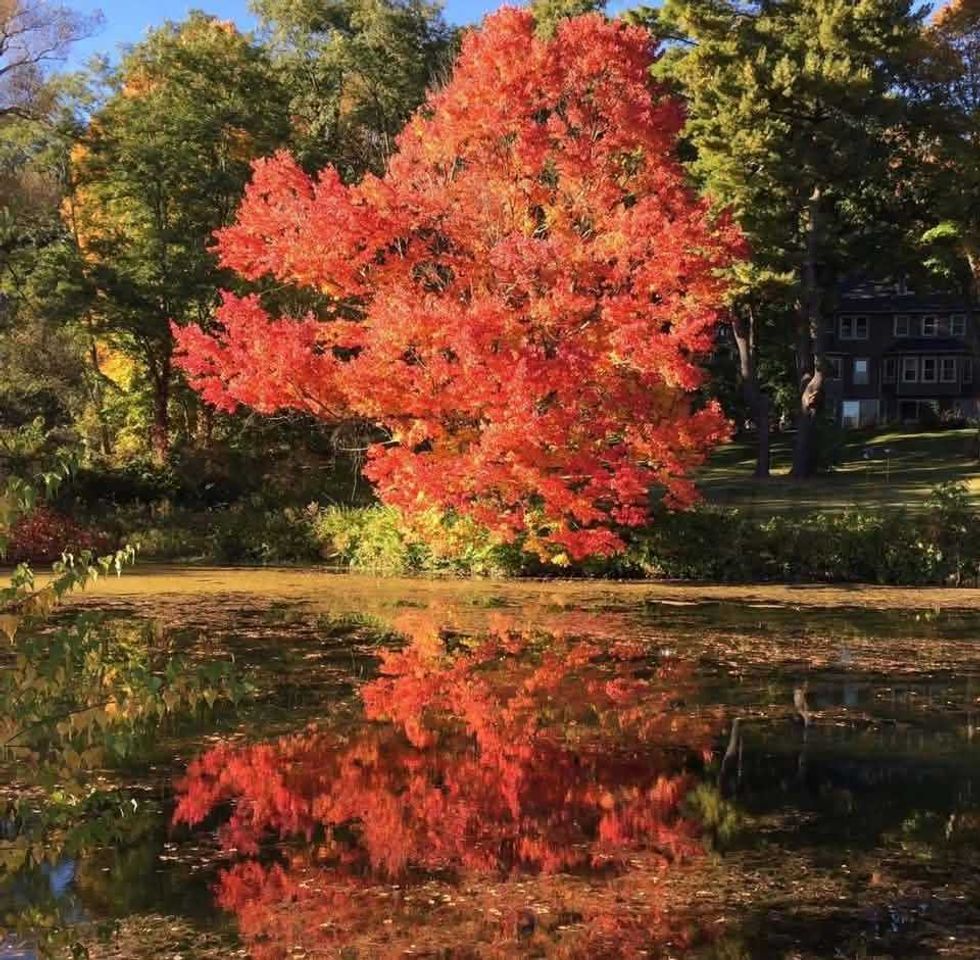 Factory Pond, Lakeville CTBarbara Peck
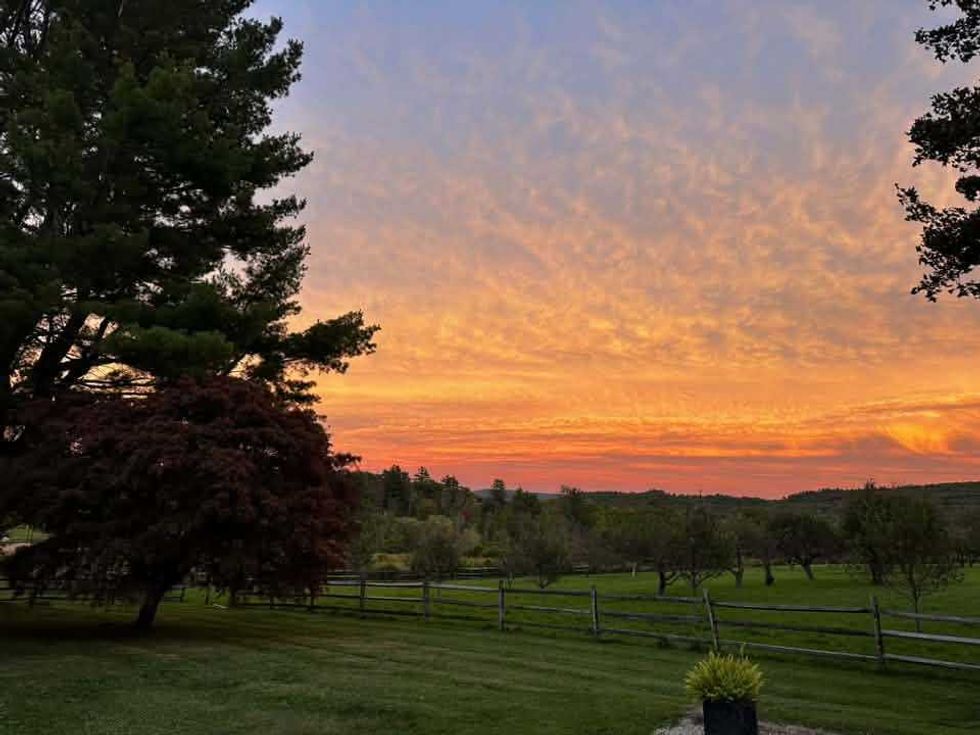 Lime Rock Road, Lakeville CTKeary Hanan
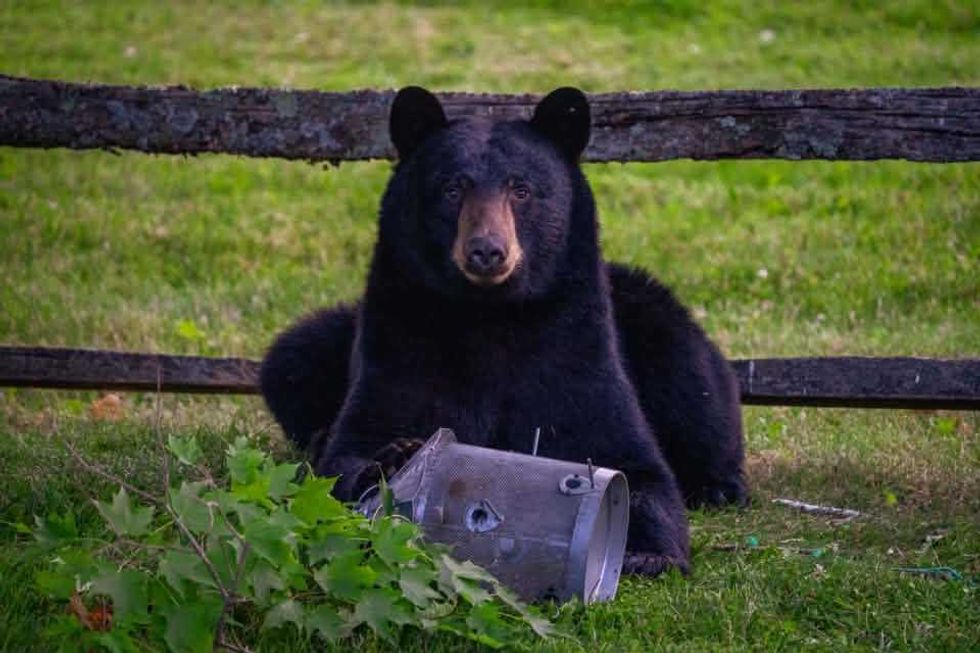 Lime Rock Road, Lakeville CTJake Marcum
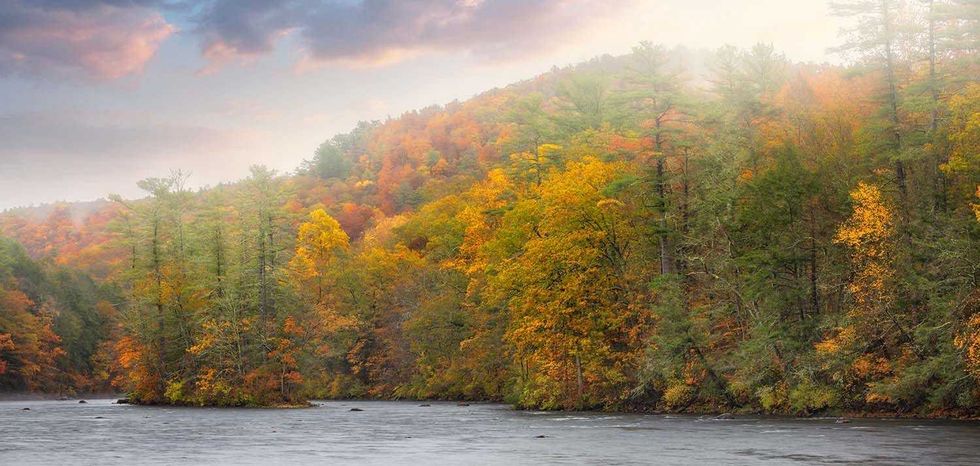 Housatonic River, Sharon, CTBill Wakeley
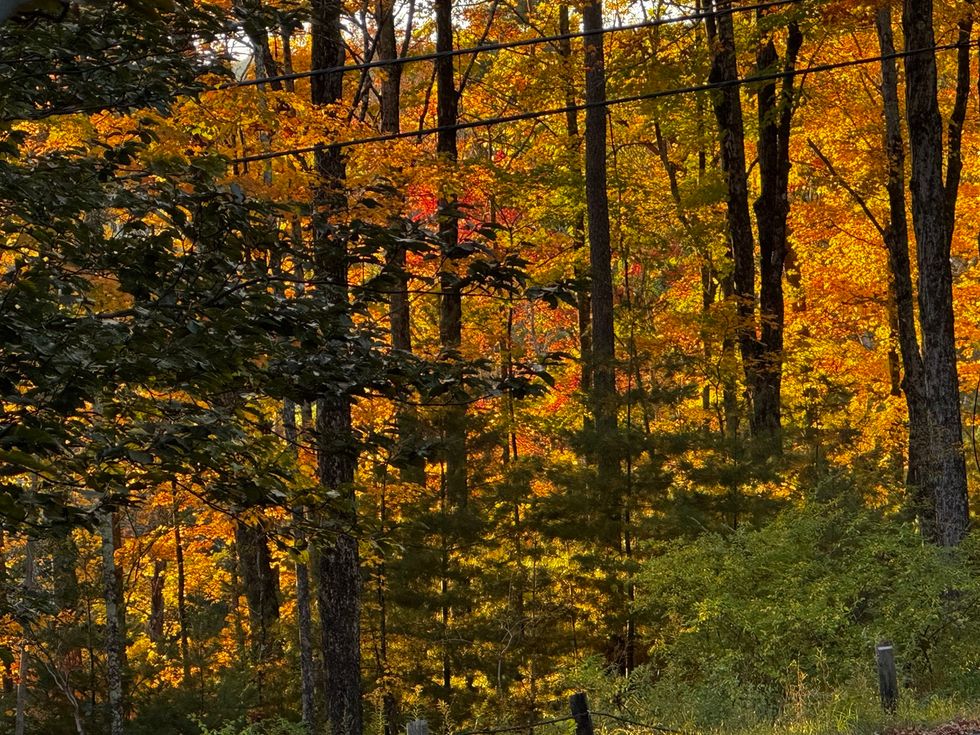 Norfolk, CTTom Carley
 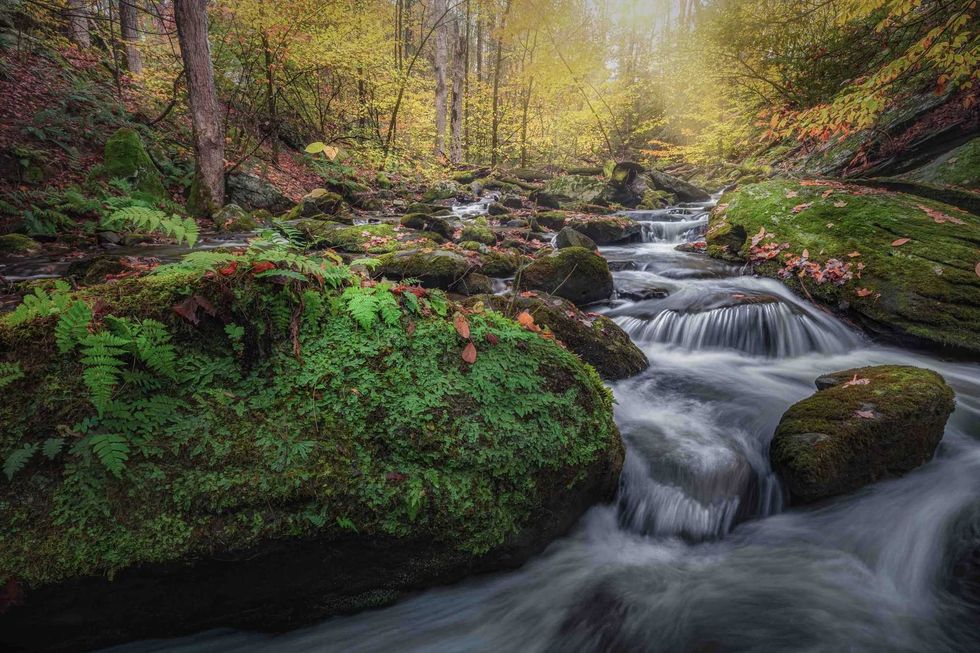 Reed Brook, Deans Ravine, Canaan CTBill Wakeley

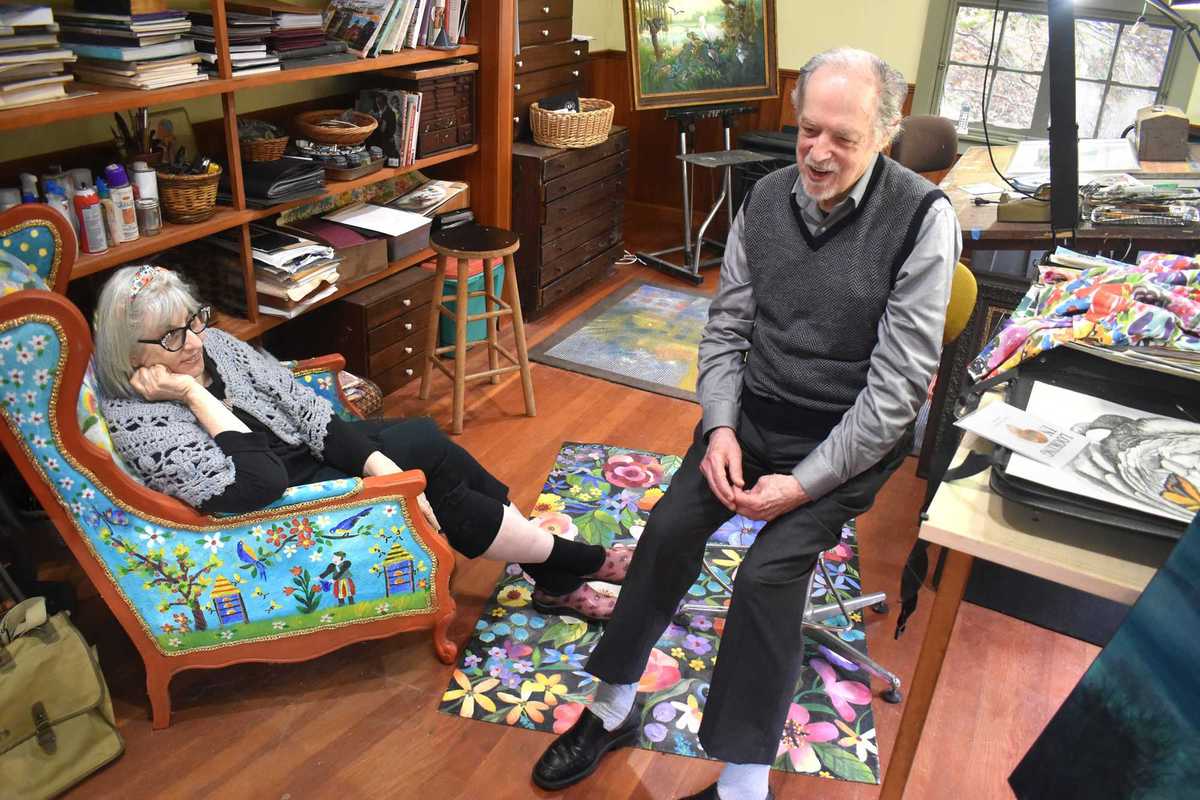
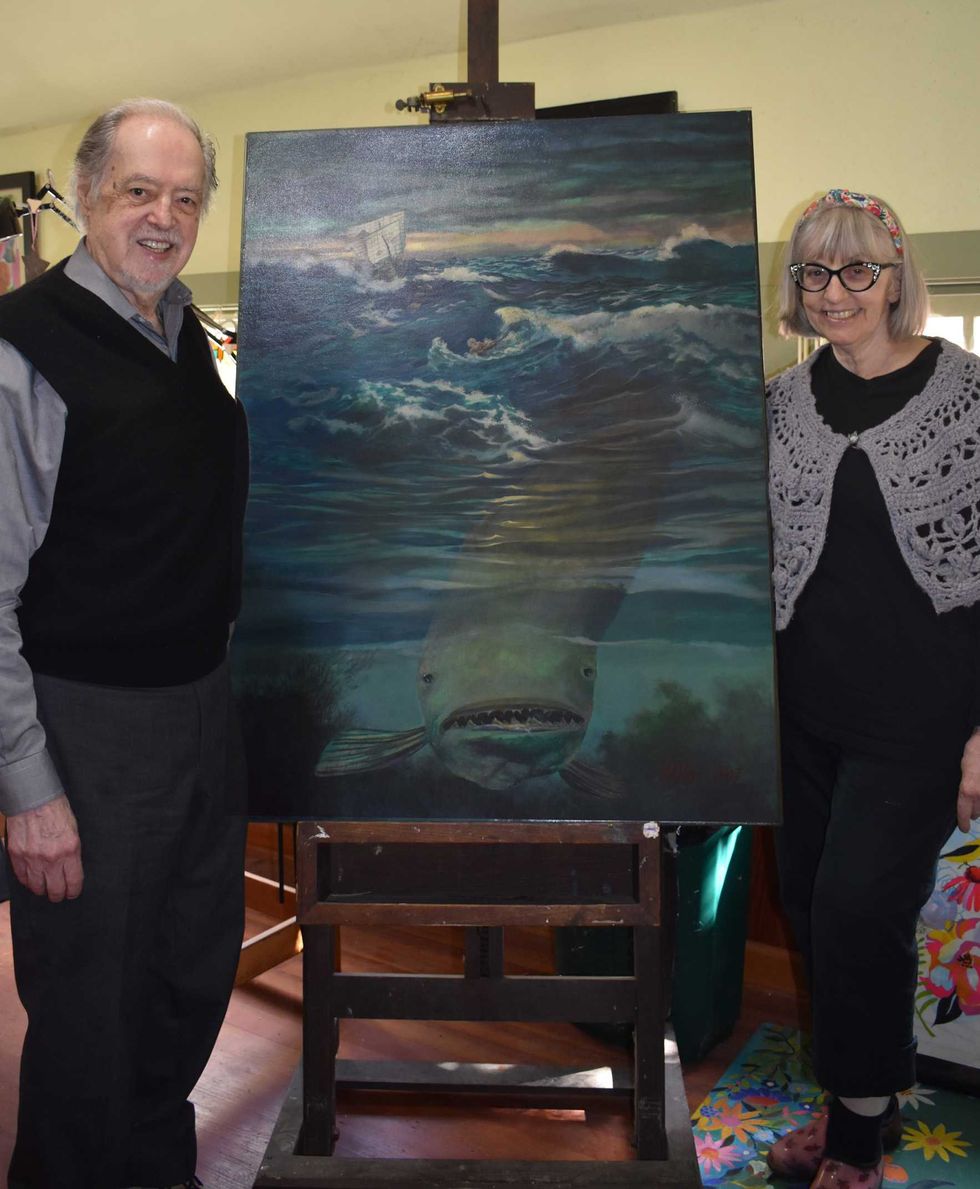 Justine and Victor Valla in their studio with a painting of Victor’s,”Jonah and the Whale.” Robin Roraback

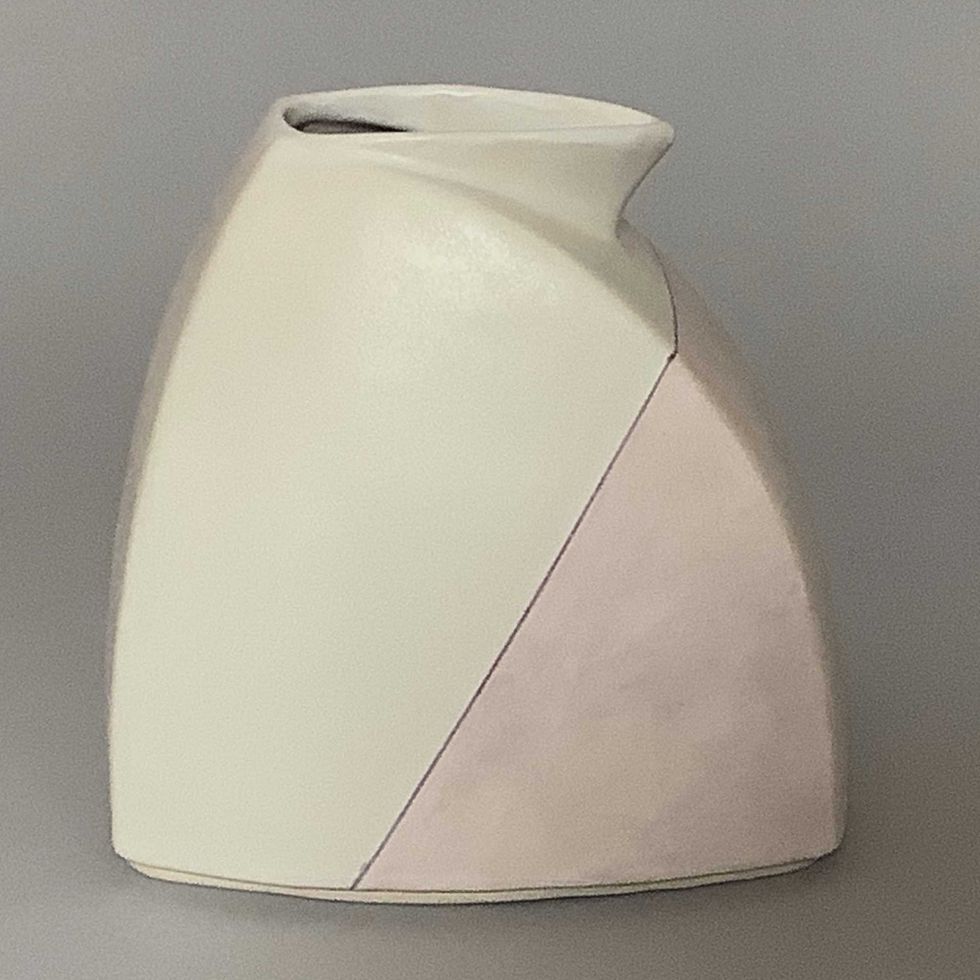 A ceramic vase by Kathleen Heidemann.Provided
 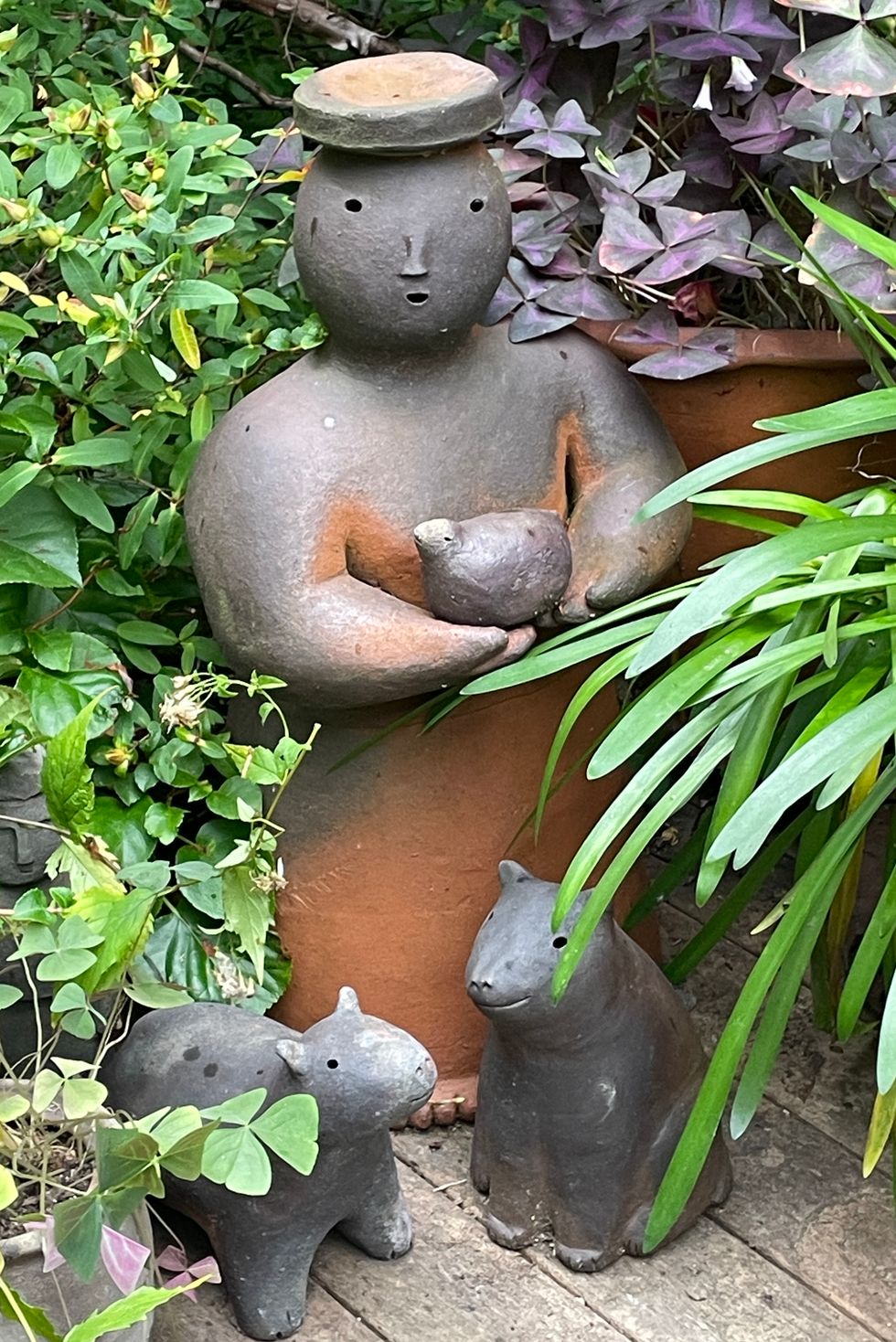 Joy Brown’s delightful ceramic sculptures.Provided