MILLERTON — “It was wicked cool.� So said Army 1st Lt. Sean Klay about Millerton American Legion Post 178’s recent trip to the Walter Reed Army Medical Center in Washington, D.C. The May 30 and 31 trip was part of Operation Thank You Wounded Warrior, described by Klay as a way for the community to say thank you to those injured in the line of duty.
“Overall, everything went incredibly smoothly; there was great cooperation from both military and civilian officials,� Klay said. “Walter Reed gave us a tremendous amount of support... as well as everybody else... and the people who asked, ‘Can we come along?’ It was just an incredible experience.�
That experience included preparing a barbecue lunch for the wounded warriors, above and beyond what they are accustomed to. This lunch consisted of a 16 oz. prime steak, baked potato, pasta salad, homemade cookies and more, all donated from local businesses and volunteers in the Tri-state region.
“So many people came out, and I’m not even talking about individual contributions, and contributed to the effort,� Klay said. “A lot of people went above and beyond in making this a success.�
The 55 Legionnaires and volunteers who made the trip to D.C. ended up serving 250 wounded soliders and their families on Sunday, May 31. They also gave out $1,000 worth of gift cards to Wal-Mart to help them buy necessities while recuperating at Walter Reed. The trip also gave the patients’ families a chance to relax; most of those families are staying at either the Fisher House or the Molonge House. Those two facilities provide free accommodations and everything the families could possibly need while tending to their loved ones at the medical center.
Don Barnum is a veteran and a member of the Millerton American Legion; he and his wife, Marie, went on the trip to D.C.
“I had some good friends who were injured a number of years ago and I know what they went through,� he said. “I went along to see if I could give those veterans at Walter Reed a little bit of diversity and joke with them a little bit and that stuff.�
Barnum said he spoke with four or five very seriously injured veterans who were “having some difficulties adjusting to life without limbs.� He said their families were also struggling with the adjustments.
“They had to get their bodies back into shape, have operations and then get their lives back after the hospital,� he said. “I asked what kind of groups came in and told them there are people who care but don’t know how to express it... that the support [for this trip] was overwhelming and that people on the streets gave me checks just because they knew I belonged to the Legion... they were really quite amazed. They don’t see too many groups like this.�
Despite the hardships facing the men and women at Walter Reed, Barnum said he was impressed by their fortitude.
“I didn’t sense any bitterness,� he said. “There was frustration in learning to deal with their physical challenges now. But it was rewarding. It will make you appreciate getting up every morning when you’ve got a headache.
“The hardest thing I saw was the women dressing their children and then turning around and dressing their husbands,� Barnum added. “The whole family dynamic was there, too. And a lot of them were young, 20 to 25 years old.�
Robert Runge is not a veteran, nor a member of the American Legion, but that did not prevent him from wanting to join those making the trip to Walter Reed.
“I thought it would be a great thing to do,� he said. “It was humbling. It was just a great experience to help those who defend us. It means a lot [to them] and they thanked us as much as we thanked them.�
Runge made the trip with his wife, Dawn, and his sister-in-law, his step-father-in-law and his mother-in-law and “many others,� he said.
“We were just a little bitty part of the whole thing,� Runge said. “There were so many who went. It’s tremendous. It all worked. I personally went down not knowing [what to expect], without a plan. I got there and it all flowed.�
The highlight of the trip for Runge, he said, was getting to meet those staying at Walter Reed and serving them lunch. If the opportunity arose, he said he would do it all again.
“I can’t wait to go back,� he said. “I think it’s a great thing. It was a great experience. Everything went like clockwork — it was perfect.�
The visit made it onto the airwaves; it was broadcast live on WHDD 91.9 FM for Tri-state listeners. Marshall Miles is one of the station’s founders.
“It was a joint effort with the Legion Post 178 and with NASCAR Dave [MacMillan],� Miles said, adding that MacMillan asked if the event could be broadcast and research showed none had been done so live from Walter Reed. “We negotiated and set up over a five-month period and we got permission to do it... It went flawlessly... The government wants to do it again and wants it to become an annual thing.
“If you were there it was one of the most amazing things in the world,� he said. “There were soldiers coming up to you without legs or arms, coming up to you and thanking you. It was pretty amazing and uplifting. It was probably the most amazing thing I’ve done and I’ve been broadcasting since ’71.�
Another point that impressed Miles was the condition of Walter Reed; it was better than he expected.
“Walter Reed is not as bad as the major media would play it out to be,� he said. “Yes, there are some problems in some sections, but if you look at it as a whole, it’s an amazing place. Not only are the wounded veterans treated with the utmost respect, but their families are, too. It’s stunning.�
Miles added that the people who work at the Fisher and Molonge houses are very committed and work hard to provide whatever is needed for those staying there.
Klay said the best way to sum up the experience is as one of cooperation, good will, generosity and selflessness — all attributes he said can be found in the community he’s proud to call home.
“I think where we really come from, it’s just a perfect example of small town America,� he said, adding the trip is only the beginning of a trend he hopes will continue on an annual basis, at the very least.
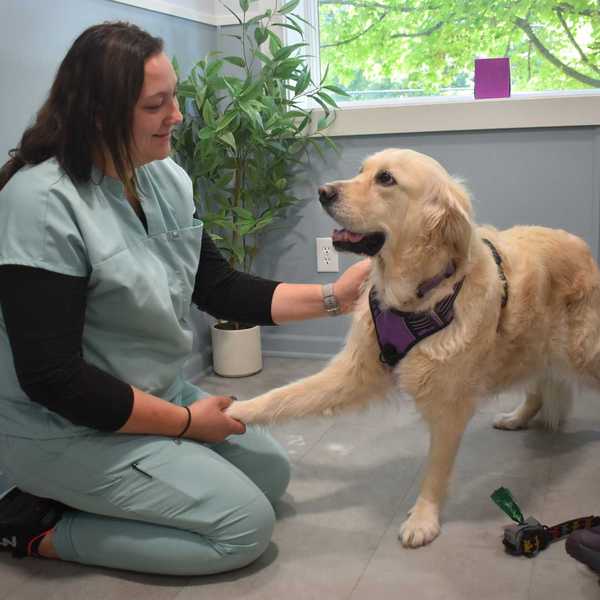
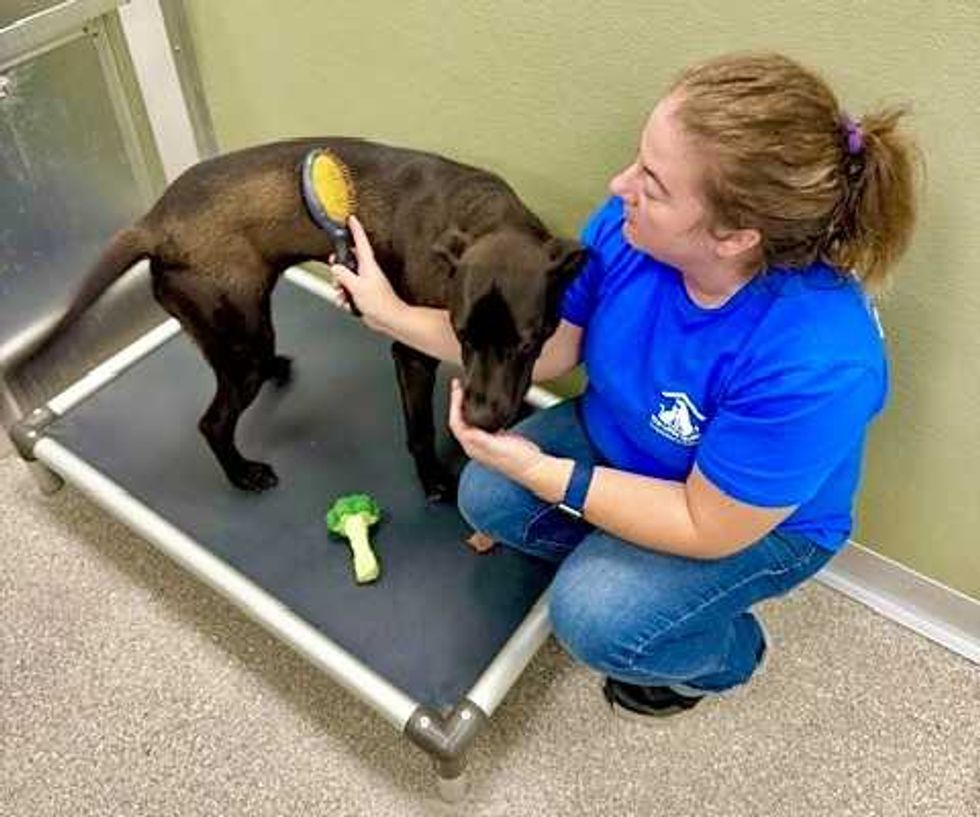 Tiffany Lemelin, shelter manager, brushing Marsala upon arrival.Provided
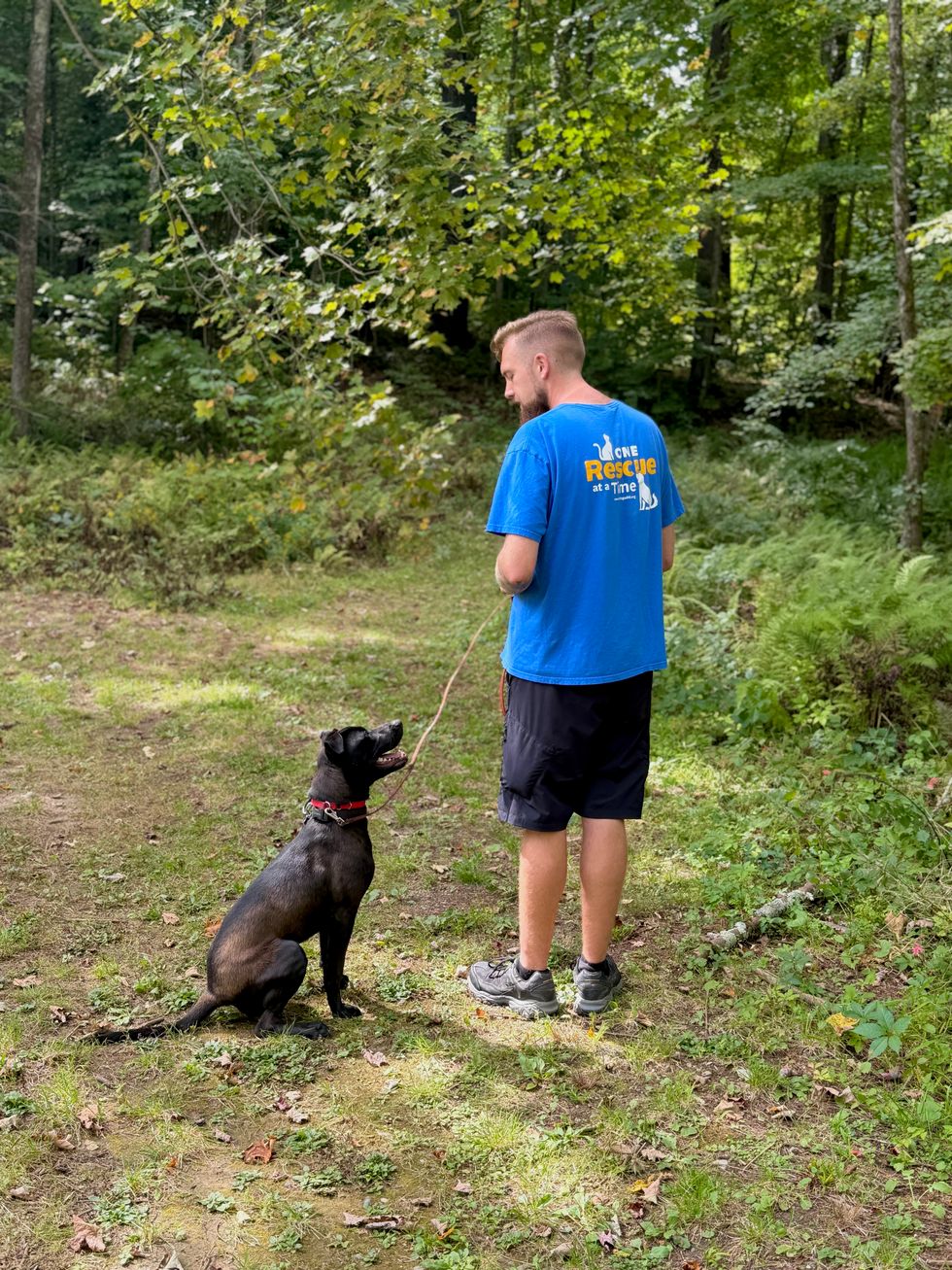 Michael DeBarba, certified dog trainer working with Marsala.Jennifer Almquist
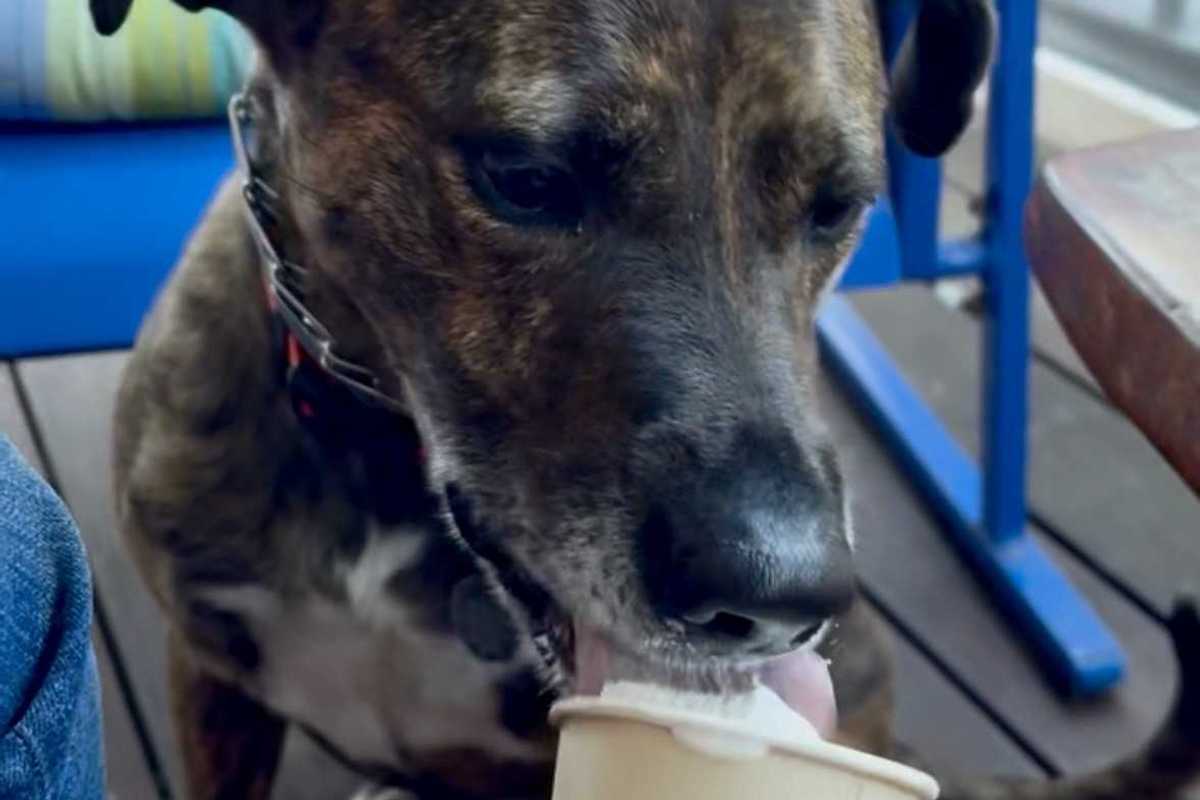
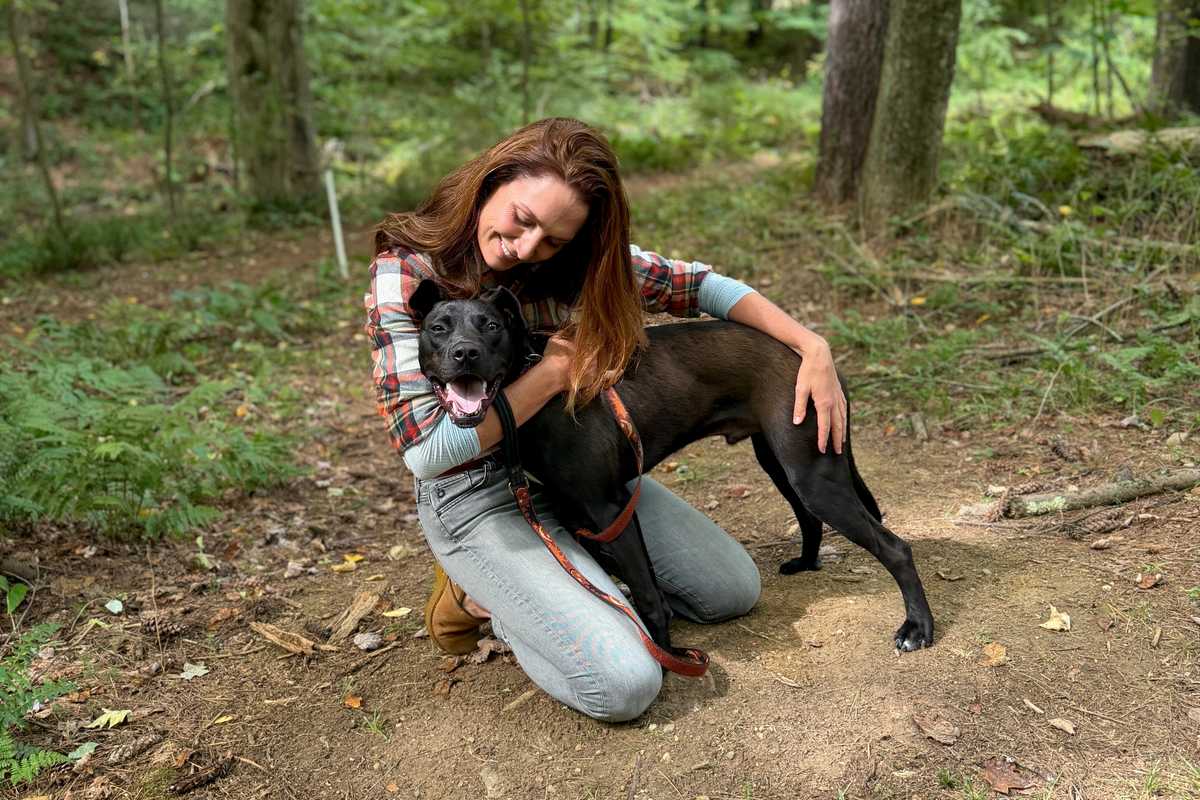 Marsala wins a heart.Jennifer Almquist
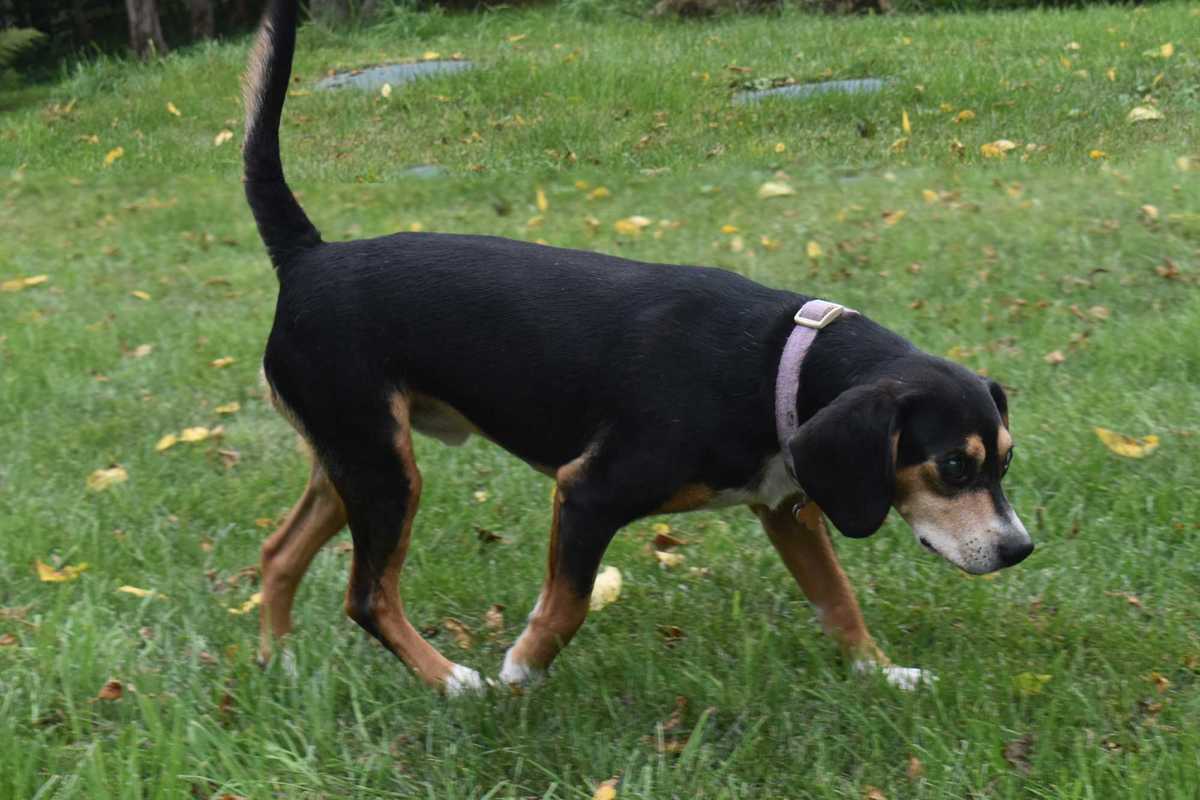
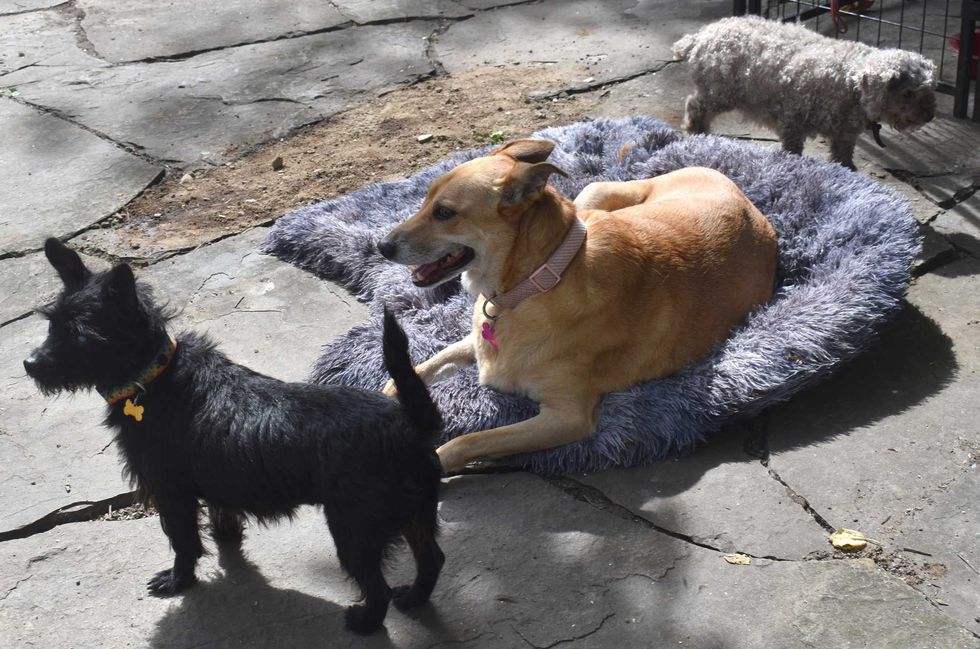 Sadie, center, a Carolina dog, plays with her friend Negra, a terrier mix. Bella Linda, the small poodle, has since been adopted.L. Tomaino
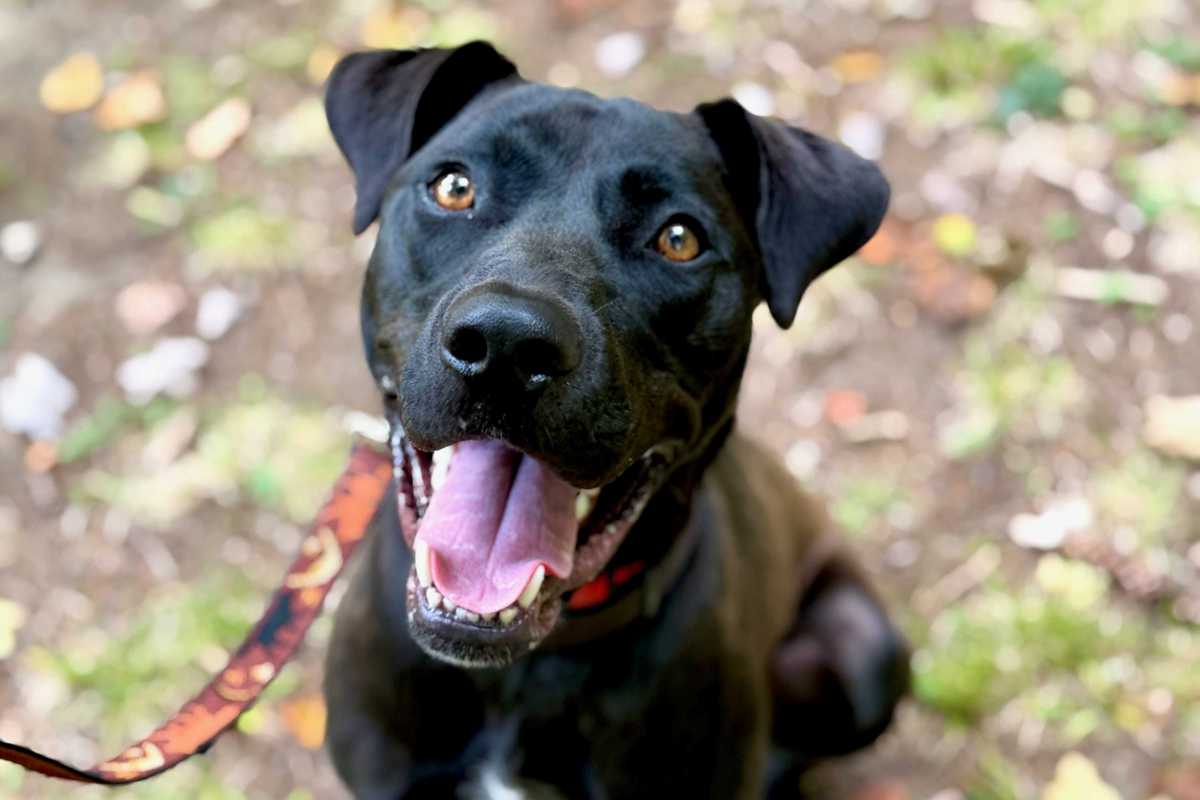
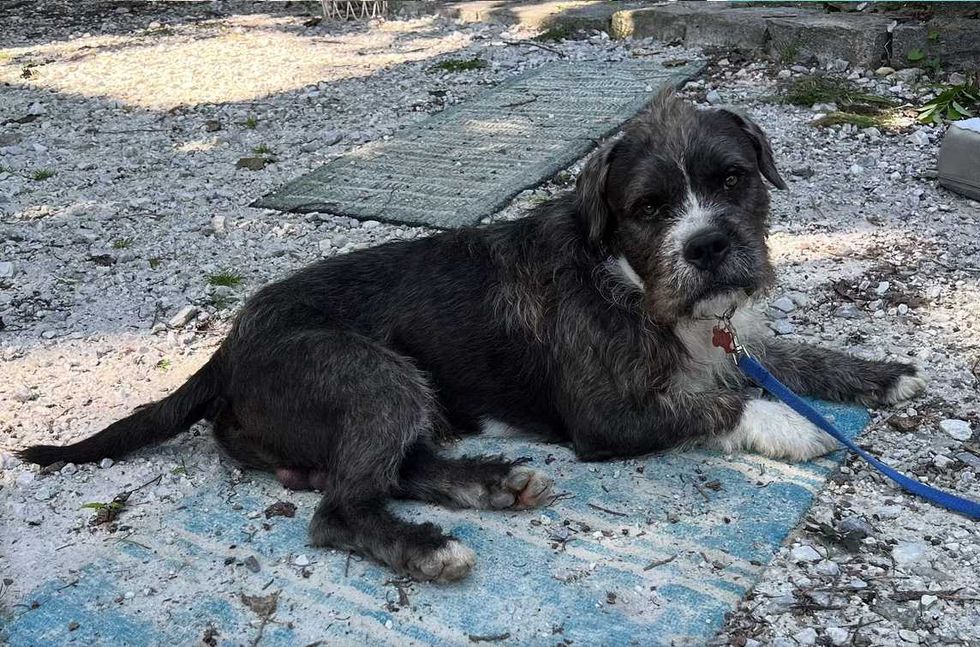 Wesley, a young, exuberant mix, is looking for an active home.L. Tomaino
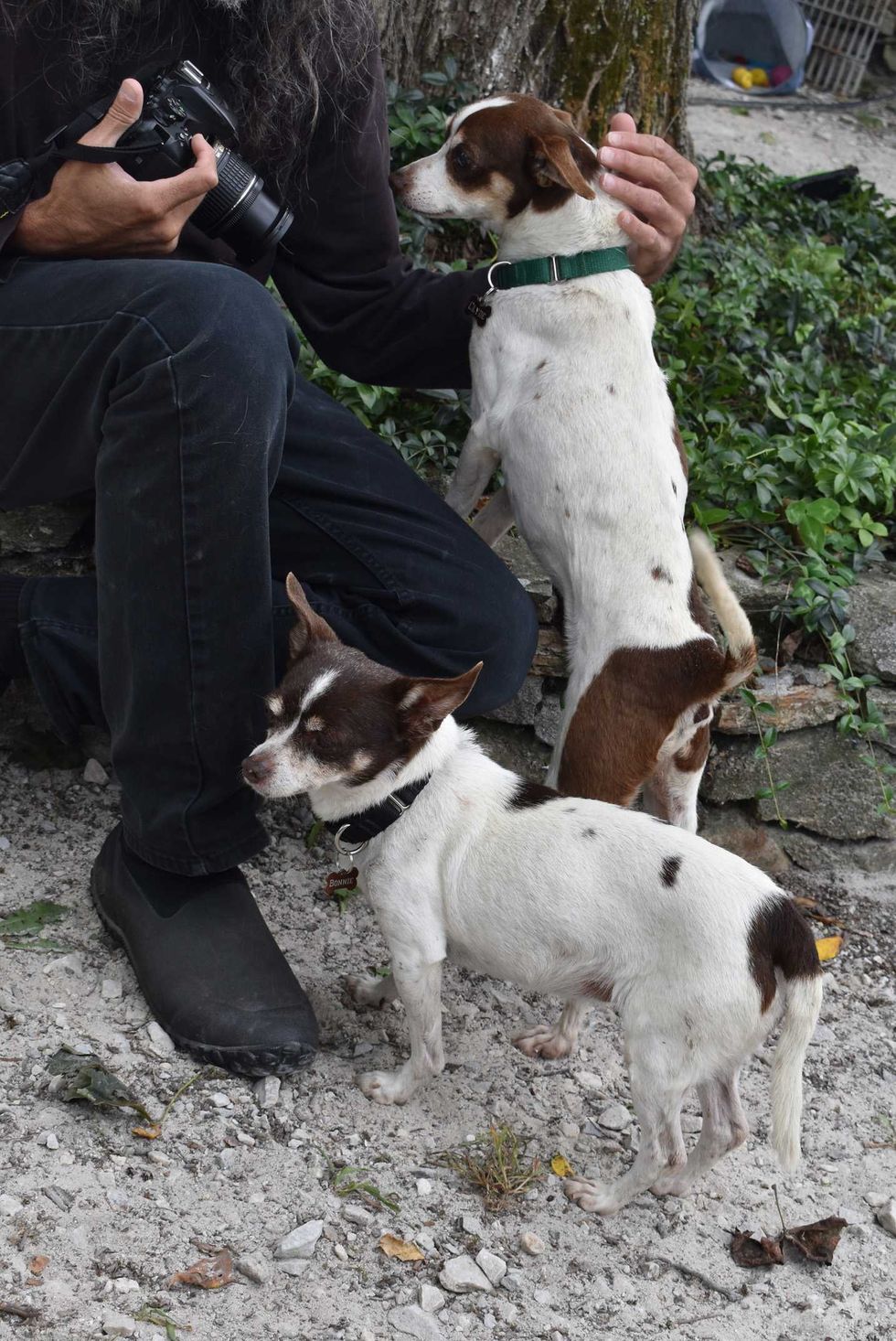 Bonnie and Clyde, an affectionate terrier pair.L. Tomaino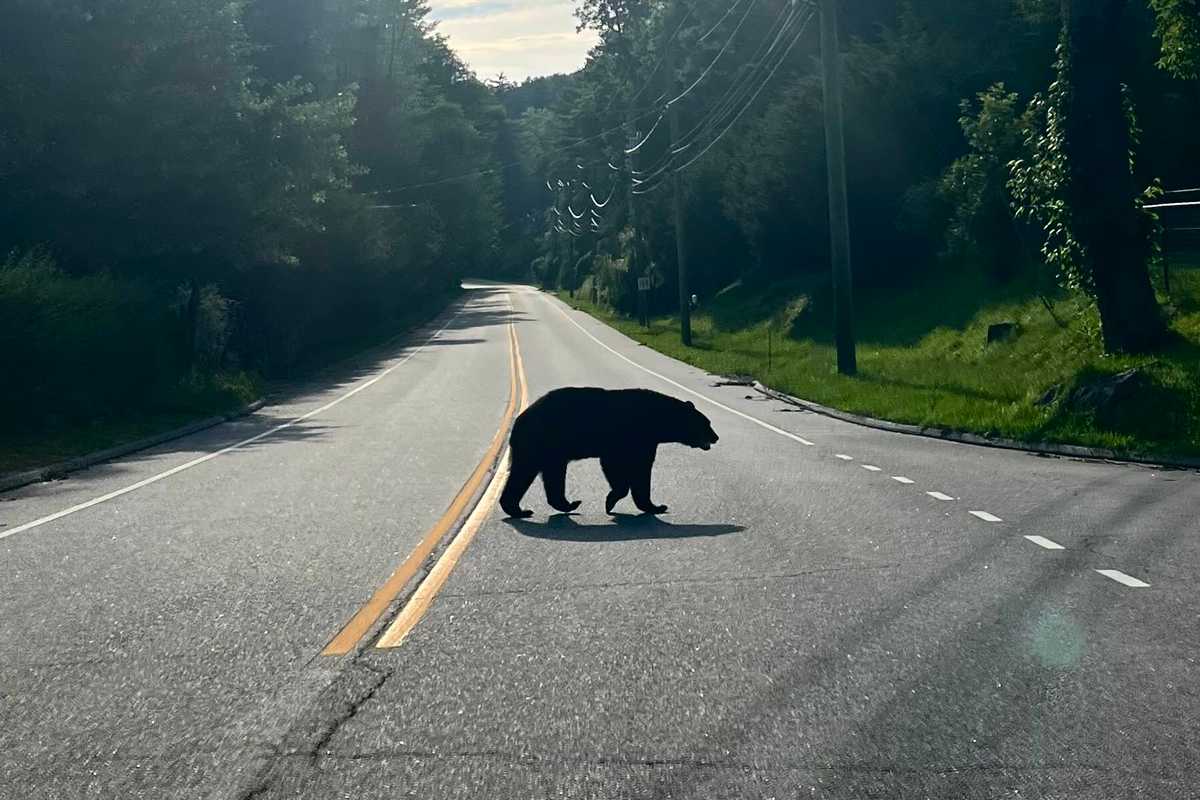
 Provided